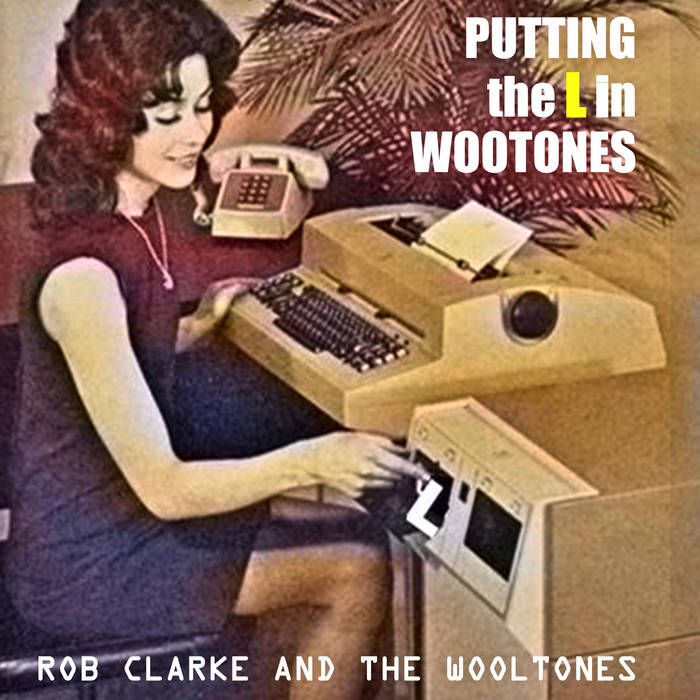
Rob Clarke And The Wooltones – Putting The L in Wootones (Q&A)

Sweet Sweet Music spoke to Rob Clarke about his new record ‘Putting The L in Wootones’, and … and about many other topics.

What was the moment you knew you were on to something?

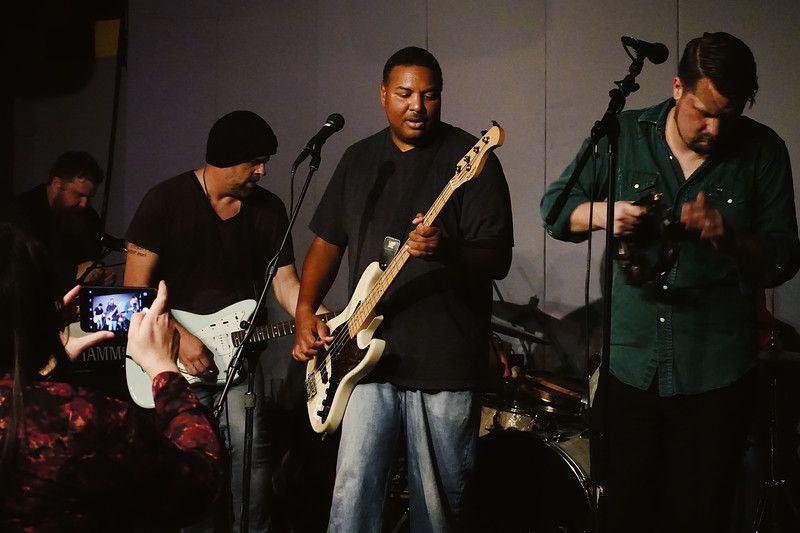
I’d been working pretty much as an acoustic singer/ songwriter and began to fancy getting the electric guitar out again. For some of that feeling of when you started your first school band. You know, the excitement of turning up and freeing up. I live in Woolton, Liverpool, and woke up one morning thinking ‘what about the Wooltones as a name?’. I mentioned it to Fran Ashcroft who’d been producing my solo stuff as it seemed so obvious someone must have done it, or that it was a stupid idea. When he said he liked it I thought ‘hmm maybe we can do this’.

So I wrote a song called ‘Are You Wooltoned’ that I thought would suit a band. And when I, GP, and Pepe played it for the first time, there was the excitement there that made me think ‘yes we’ve got something worthwhile here’. And that was the take we used for our first single.
Buy Kool Kat Musik

How did this record come together?

Well, we finished ‘Big Night Out’ and pretty much all the next songs were ready or at least nearly ready. So the expectation was this one would be done quickly. But it then took about a year to get what I and Fran agreed were the right takes to work on, what with everyone’s availability, holidays, illnesses, the odd hard drive or technical issue, other commitments, gigs, etc etc etc. Basically all the stuff you could imagine that might hold things up. Even COVID had an impact. To finish the album, on the last song we ended up adding the bass with GP in headphones on the lawn while I was inside as the engineer.

On this and our previous albums, I like to do the basic tracks completely live so the guitar, lead vocal, and drums are what we use on the master. And then we add a few overdubs or edits that seem to add something without detracting from the live feel too much. In other words, we try to work as much as possible as the bands did in the 60s – so it’s a live take, no click, and the minimum of overdubs.

I went to Nashville a few years back to work with Elliot Mazer who produced some of Neil Young’s stuff like Heart of Gold and the Harvest album. He was well up for the live approach too as it was what had worked so well back then. So although it’s probably unusual to do things that way now there are still some people who are prepared to take the gamble to do it.

Anyway, due to the delays in the end we virtually ended up working on each song at a time rather than doing them all as a batch. And that took time too. There’s a lot to debate putting an album together. I’ve done three solo albums, 1 country album, and three Wooltones albums plus a load of other stuff with Fran so you can imagine that’s a lot of decisions to be made between you. Because you can disagree about anything from what’s on the songs, what’s in the songs, the order of the songs, or even the gaps in between the songs! Let alone artwork and other things.

So there comes a point where you almost need to think like a record company ie ‘We need ‘product’ out NOW! Stop mucking about or arguing about mixes and overdubs and finish it!’

When did you decide to start asking for opinions on the new songs?

I take all my ideas for songs to Fran since as the producer he’s going to have strong thoughts about the structures, treatments, and every aspect of them. So you might as well get his input early on rather than wasting time recording stuff that’s not going to make the cut later.

So we play through the songs and hammer them into shape before taking them to the band. As ever some ideas make it through pretty much as intended some are changed out of all recognition. Personally, I like getting that input early on. Particularly when it’s going to be played as a band. It’s not like it’s a solo kind of thing where there’s a bit more of a personal feel to it.

The meaning of success has changed over the years. What does success look like for the new record?

More of everything. More sales, more good reviews, more plays, more audience, more coverage, more respect for what we’re doing. Just more!

As an artist, you chose to show your emotions to the world. Is it always comfortable to do so?

Very. Of course, it’s a good point as to how much or what someone is actually showing. There can be a certain amount of role-play – at least that’s what I see in others and I’m sure it’s the same with me.

Any ideas about how to turn this one into a million-seller?

None whatsoever.

You can pick 3 co-writers to write new songs with. Who? … and Why?

That’s very easy – John, Paul, and George, what could be better?

What’s the gig you will always remember? And why?

We did one at St Peter’s Hall in Woolton to commemorate the 60th anniversary of when John met Paul. Colin Hanton of the Quarrymen the drummer who played at the original gig sat in with us for the whole set and we recorded it as a bonus disk for our previous album ‘Big Night Out’. We tried to do it as close as we could to how things went on the famous day – just one microphone, tiny PA, same songs, same set, same check shirts, same wrong words (because John could only try to pick them up from the radio), same drummer! It was great when I was saying a bit in between the songs to turn round and check the story with Colin – he knew the truth because he was there!

When was the last time you thought ‘I just wrote a hit!’?

I can’t recall ever thinking that – people might have said it but not me! Maybe I should be thinking more like that!

Is recording a record easier than getting it heard nowadays?

I think it’s about the same – it’s easier to record as everyone has the stuff on their computer to do it and easier for people to hear it because there are so many radio and internet stations and sites like Bandcamp. It’s probably easier to get on the BBC too without having to pay pluggers and promo people because it’s so much easier to communicate around the world and reach out to anyone you want to.

Cassettes are back. Which 5 five songs would definitely make your first mixtape?

I’m happy enough with CDs or even downloads, although as we know CDs are phasing out. It’s as important or more what you’re playing it on as what the medium is. So I haven’t played a vinyl record in a long, long, long time. I’m not a vinyl or cassette freak and don’t really see all that as being very important. It’s more critical what your speakers or amp are doing and how your EQ’s set or even where you’re listening. I’m not sure how many people would pass a blindfold test if everything was equaled up. It was always meant to be a disposable thing. If people want to get all collector about it that’s up to them. But it’s meant to be rock n roll, not stamp collecting. Record players used to sound great at parties back in the day or if you were listening to something more intimate on your own.

And the records were made with that in mind. And of course, you do miss sitting staring at the cover for hours and scrutinizing it. But that was because there was nothing better to do! Whereas now there are so many things to do. I did a thing on Woody Radio recently where I picked 6 songs that influenced me. That’s pretty difficult and would no doubt change almost every day.

But I picked Fool on the Hill (Beatles from Love), Gimme Shelter (Stones), I Can See For Miles (Who), Ramble Tamble (CCR), Cowgirl in the Sand (4 Way Street), and When TheMusic’s Over (Absolutely Live). Who knows?

The 80s/90s stuff seems to have dated somewhat and more recent stuff may be fantastic but more difficult to put into a context. In the 60s/70s music was so important that the songs and performances seem to resonate more. But then again I’m completely biased of course. I do like contemporary stuff but there’s not the same context of needing to buy it as there is when you’re young and building your identity and music is the main thing helping you to do it.

Recording music. What’s all the fun about?

The fun to me is in the performance. That’s the good bit. Everything else is a bit of a pain, like filling in the colors on a sketch long after you actually had and were excited about the idea! But it has to be done otherwise you’ve got nothing! Luckily there are people around like Fran or Elliot Mazer who like doing that part of it! You have to finish things whether it’s songs, singles, or albums – get them out and move on. The one thing that Elliot said to me that I always remember is you have to keep writing. But it’s easy to put that off especially if you’re having to promote your own stuff.

Playing music in front of a crowd. What’s all the fun about?

Well, that’s a good question. To me, you’re trying to create a better world. One that’s based on music and universal thoughts and sentiments. One that you’re in control of. And you’re showing yourself off in the best possible light. As someone worth listening to with something to say and an attitude as to how to deal with the real world that doesn’t involve getting sucked into some of the crap that surrounds us all.

Always proud to answer ‘I am a musician’ to the question ‘what are you doing?’?

In the current situation being a musician isn’t like working in a hospital or driving a bus or even feeding people. It’s not a necessity – it’s a luxury that’s nice to have and worth preserving if we can. People might clap at the end of a song but they’re not going to be standing in the streets applauding us musos – much as that sounds like a great idea!

You can’t control the way people ‘hear’ your music. But if you could make them aware of certain aspects, you think, set your songs apart. What would they be?

I think the control element is in overseeing what goes out in your name – the songwriting, the recording, the production, the videos, the promotion. That’s the ‘content’. Once you’ve done all that who would want to control any more?

Vinyl is back, Spotify is ruling, tickets for concerts are becoming more and more expensive, everybody can record songs, social media is the marketing tool, Coldplay stops touring … how will the music industry look like in 5 years?

I can’t understand why the current deals with Spotify and the likes were made. But as soon as you ask the question the answer is obvious – it must have been in someone’s interest, just not mine or yours. The deals should all be renegotiated. People that write great songs need to be rewarded just as film writers and makers/novelists/sports people are.

Ideally from the royalties generated by their work. If music has no value then to me that’s a problem. Because it’s maybe one of the few things that actually does have some value. It’s just that you don’t see a lot of people prepared to put their hand in their pocket to prove that, especially if they can download someone’s masterpiece for zilch. But at this stage, you’d be pleasantly surprised to see that change.

As regards the future there’s the effect of COVID. Some people who were in the music industry in various capacities probably won’t be in the future. How many people work in the docks or down the coal mines now compared to the 70s?

For good and bad things change. And this does seem like one of those turning points. Anything to do with people socializing and meeting is in trouble at the moment. But people will always want music. I understand the venues we need to play in to hone our craft are facing extinction if nothing is done. And the equipment companies and everyone who earns their crust out of it. Anyone can see that. The thought of a music industry permanently or even partially subsidized by governments troubles me too though. Rock n roll or whatever you want to call it is meant to be anti-authority. Because we don’t want to be told what to do.

It’s meant to be a struggle and hard work. Involving times when you’re really out on the edge with no money and nowhere to live. That’s what it is – it’s not meant to be for everyone or something that’s subsidized by anyone. Arguably the early days of rock n roll were exciting because it was all on the hoof and people thought they could make money out of it.

Big money. It worries me that we’ll end up in a situation, even with the best intentions, in which music is supported and subsidized and ultimately pasteurized. Rather than being a visceral product of the chaotic free for all of the glory days. And that as a result, we’ll end up with some even worse art than we currently have. In other words, music that sounds like it was produced by people who’ve never done any of these things, sponsored, written, and produced by committee. In which case it won’t make much difference if it’s on vinyl or not!

Gretchen’s Wheel – such open sky (Q&A)

Sweet Sweet Music spoke to Lindsay Murray about Gretchen’s Wheel‘s new record ‘such open sky’, her background singers and how it feels to keep getting better at what you love to do.

If I asked you who did the backing vocals on ‘Such Open Sky’, could you answer that question without putting a big smile on your face?

Nope! 🙂 I was so happy to get to work with all the musicians on this record. They’re all so amazing, and their involvement means more to me than I can say. But there is something extra thrilling about hearing some of my favorite voices in the world singing my songs along with me! While working on those songs, it felt kinda like I was getting a behind-the-scenes preview of new works in progress by my favorite artists. As a fan, I was just enjoying the privilege of getting to hear what they recorded and forgetting it had anything to do with me, haha. Matthew and Brendan absolutely stole the show on their songs, and I couldn’t be happier about it!


I like every record you make even better than the last. How do you notice that you keep getting ‘better’?

Thank you, I’m so glad to hear it! I think it’s like any skill that gets better with practice. The gap between what I heard in my head and what I was actually able to produce gradually got smaller over the first three albums and was basically gone by the fourth (Black Box Theory). It all starts with the songwriting, and I’m working a lot harder now to get songs where I want them to be. I’m much more relentless with rejecting anything that doesn’t hit the target. So it’s not that it’s getting easier (it isn’t!), it’s that I’m not as quick to be content with any aspect of the songs, sounds, performances, etc. If something feels like it’s not going in the direction I want, I’ll keep throwing it away and starting over until it gets there.


It’s quite striking that your music is embraced in such a way by the Power Pop community, isn’t it? I mean when I listen to your music it sometimes reminds me of the music of Cowboy Junkies or 10,000 Maniacs and a little less of The Knack or Cheap Trick.

I didn’t really appreciate how unlikely that was at first! The majority of what I’d grown up listening to and considered to be an influence was associated with power pop, so when I got started I assumed that whatever I was doing would automatically be that too. I’d always been an isolated power pop fan, never part of any community either in “real life” or online (didn’t join Facebook until 2014), so I was ignorant of controversies about power pop and had almost zero awareness of the genre prior to the 90s (except Big Star!). So my earliest attempt at putting my music out there was directed at the power pop community, just because I didn’t know any better! Thankfully some power pop fans heard something in it they liked, whether or not it fit into any particular genre. Maybe my voice and/or just being female will for some people automatically disqualify me from being considered a legitimate Power Pop artist no matter what I do, and that’s fine – the only time I worry about genre anymore is when I have to select something from a drop-down list. Gotta say, if I’m a Power Pop black sheep, I can’t complain because I’m in some awesome company. But I think there have been at least one or two songs on every album that could be called power pop, so maybe that’s enough to keep me from getting kicked out of the club a little while longer! 🙂

Buy Bandcamp, KoolKat Musik

Rick Hromadka – Better Days (Q&A)

Better Days gets great reviews. Rick Hromadka has managed to write and record 10 fantastic songs.

Sweet Sweet Music spoke to Rick about a writing spurt, writing autobiographically, and being honest about it, and practicing karate on a stage.

Buy at Kool Kat Musik or Sodastar

How did this record come together?

I was going through a writing spurt, as one does from time to time, and some of the songs went to my main band Maple Mars and others were just not right for that sound so I decided to release a solo album.

What was the moment when you knew you were on something?

After the very first song, Better Days, was completed. I felt like that song was the blueprint for the rest of the album. I also felt like I had something after the first recording session with drummer Eric Skodis. I realized bringing in other talented musicians would be a really fun and interesting process.

As an artist, you choose to show your emotions to the world. Is it always comfortable to do so?

Of course not! The hardest thing is writing autobiographically and being honest about it. You have to measure just how much you want to share. It’s like letting somebody take a peek at your diary.

When was the last time you thought “I just wrote a hit!”?

Searchlight and The Ever After from my new album Better Days gave me that feeling. Both have a very nostalgic feel to me.

Recording music. What’s all the fun about?

For me, recording music is almost an extension of writing it. It’s taking the song you’ve written on your guitar or piano to the next level. It’s taking that little piece of art you created in your head and committing it to a viable statement that can last for years.

What’s the gig you’ll always remember? And why?

It was probably playing the annual Elvis Birthday Show at the House of Blues on the Sunset Strip. That show would sell out every year with a variety of artists playing it. My band at that time was Double Naught Spies and we were in the middle of playing Viva Las Vegas. We went into a rhythmic break and my rhythm guitarist grabbed a piece of balsa wood, which to the audience looked like a thick board. I slung my guitar around behind my back and proceeded to copy Elvis‘s karate moves at which point I then karate punched the wood into pieces that shattered all over the people standing right at the front of the stage. The crowds went absolutely wild and we felt like big stars!

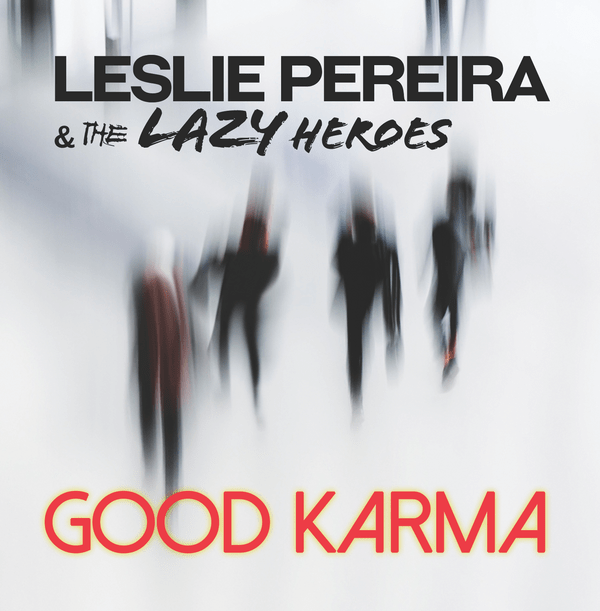
Leslie Pereira & The Lazy Heroes – Good Karma (Q&A)

Sweet Sweet Music spoke to Leslie Pereira about Good Karma, Big Stir, the art of writing a memorable A-B song, and feeling at home on stage.

Buy it here (at Big Stir)

How did this record come together?

This is our second recording effort as a band and we’re excited to be releasing this album with Big Stir Records who we happened to meet while playing out in support of our first CD. Rex and Christina began to include us in their live shows and it was a perfect fit. With this record, I wanted to stick to the 3 piece punky-surf-pop style but felt great harmonies would further the pop element of my vision. I feel lucky to have great musicians Jeff Page and Rob Lontok at my side as well as my wife Paula Venise who helps with background vocals and percussion. Rex and Christina introduced us to their friend and colleague Karen Basset (from The Kariannes and The Pandoras) and we hit it off right away. We recorded 13 songs in one day with one pizza break at her studio in Hollywood Hills. Here we were with 13 songs recorded and ready to mix then BOOM, the COVID-19 pandemic hit. Karen and I had no choice but to mix and produce the CD remotely. I had never worked that way before so there were some challenges but Karen and I forged ahead. By the end of the summer, we had 13 rockin’ songs. I wanted to put out an album of songs that would remind the listener of a favorite childhood memory, a rekindling of love, or encourage them to keep rocking no matter what age. It’s no secret we are all seasoned performers and just want to have fun and act like teenagers sometimes. I don’t think there’s anything wrong with that.

You can pick 3 co-writers to write new songs with. Who? … and Why?

Tom Petty because he knew the art of writing a memorable A-B song with a rockin’ feel that made you want to listen to over and over. John Lennon because he knew how to collaborate with other songwriters, understood harmonies, and lived by the motto less is more which I appreciate in songwriting. David Bowie because he is the best performer of all time and I loved his fearless attitude.

What’s the gig you will always remember? And why?

One of my favorite gigs was playing a Summer Series Band Contest at Universal City Walk with my band It’s Me, Margaret. The contest was all summer long and we played in front of thousands of fans including my mom and Paula’s parents. We won, of course, and were pegged the best band in Los Angeles. It was epic!

Playing music in front of a crowd. What’s all the fun about?

I’ve been playing in front of audiences for a very long time. It’s the ultimate reward and why we rehearse so hard. I love it! I feel most at home on stage. I know I can speak for the rest of the band on this that performing well-rehearsed original songs is thrilling. We love it when fans come up after the show and express their love for certain songs and appreciate our set. It’s really fun!

You can’t control the way people ‘hear’ your music. But if you could make them aware of certain aspects, you think, set your songs apart. What would they be?

I think part of what sets our songs apart are that all our songs are written and completed in “The Magic Cave”. They come from an organic feeling or mood. Some start with a guitar melody, then a drum beat along with the bass line. We are such a good ensemble of musicians that even an idea from Jeff or Rob can turn into a whole song within minutes. It does take some time to add the vocal melody and lyrics. Then we arrange by “trimming the fat” and voila, we have a great new song that embodies our sound. It’s truly thrilling to hear the final results of our creative collaborations.

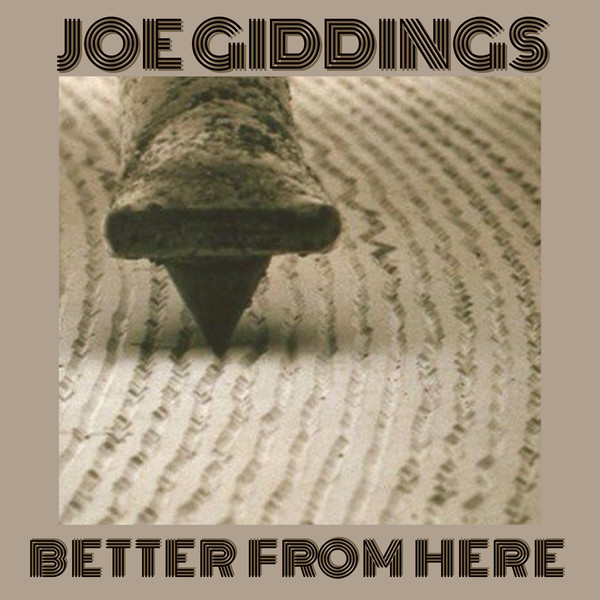
Joe Giddings – Better From Here (Q&A)

Sweet Sweet Music spoke to Joe Giddings about his new record, Better From Here. All in all, it took 6 years to finish. But it turned out to be a great record! A GREAT RECORD!

Always proud to answer ‘I am a musician’ to the question ‘what are you doing?’

I would never be ashamed of saying I was a musician. As a musician, I was able to get jobs outside of a band, including movie promos, TV show soundtracks, and radio commercials. Do I do those things all the time? No, but it’s always a joy for me to get in the studio and create whenever the opportunity arises. I teach guitar at School of Rock and another school in LA so, even though I can’t play shows now I’m still able to learn, create, and work and proudly say “I’m a musician.”

How did this record come together?

It was a long time coming. In 2000 my band from Atlanta, Star Collector, had broken up and I wasn’t keen on being in another band. I started working solo on what would become “All The People Some of The Time” (under the name The JTG Implosion), for Notlame Records. That came out in 2003. I was in a number of bands including The Pinx, King Friday, Gonzalez, The Seventh Ring Of Saturn, and a few others from 2004-2011.

In 2011 I moved to Ohio. I recorded almost all the songs on the new album “Better From Here” in my basement studio in GarageBand in 2014. I recorded all the guitars through a Pod 2.0 and all the drums were played live with my fingers on a keyboard while I listened to the guitar tracks I laid down with a click track. Bass went direct using whatever preset sounds were available in GarageBand. Vocals were recorded through an Audio Technica 441 mic. I recorded my backup vocals sometimes using 9 tracks: three tracks for each harmony. That’s the tech side of the story.

I had been disenfranchised with the music business and was feeling like I needed to say something so I wrote “Irrelevant” and then wanting to add a dash of hopefulness I wrote “Better From Here” and then all except 4 songs on the album, as it is now, were written and recorded over the next 4 months. I had a couple of songs on that version of the record that didn’t end up on the most recent release. I released it, unmastered, and after a week I pulled it from Bandcamp. I wasn’t happy with it. I tweaked it a bunch and a few years later released it again on Bandcamp only to pull it down again. Even though it sold a few copies I knew it sounded like demos.

Finally, after moving to LA in 2014 and during the last 6 years I continued to record new songs and tweak the older ones. I talked to Ray Gianchetti from Kool Kat Musik about releasing it on CD when I did the second released version but I decided against it. Once I had the new songs added to the older ones and got it mastered correctly I then got ahold of Ray and he was super excited about finally getting to release it! So, the whole process took 6 years and two moves from recording, mixing, remixing, and mastering to its release on Kool Kat this September. Phew.

Cassettes are back. Which 5 five songs would definitely make your first mixtape?

Good one… I made many mixtapes and discs over the years. Thinking back to my “go-to” songs for many of them:

“Joining A Fanclub” by Jellyfish

“Now I’m Here” by Queen

“Love Her All I Can” by KI77

“Voices“ by Cheap Trick

“Worst Band In The World” by 10cc

Recording music. What’s all the fun about?

This is one of my favorite things to do. Even more than performing. It’s the excitement of knowing that you just laid down the drum track(via my keyboard), for a song I can hear fully formed in my head. All the parts are just waiting for my hands to figure out how to play what I hear internally. When that happens and it all comes together it’s like the feeling folks have when their child is born, or their child graduates or their hard work pays off…its rewarding to the soul to record and mix and finally release the creation to the world.

The Yum Yums – For Those About To Pop (Q&A)

The Yum Yums are back. And how! Did Morten Henriksen write the ultimate Power Pop anthem? It could just be. ‘For Those About to Pop’ is a song that we will still sing along in 20 years.

What was the moment you knew you were on to something?

I don’t know if we ever thought we were ‘on to something’. The songs were written over a 6 years period, so the album feeling came gradually. It wasn’t until the COVID lockdown in March 2020, I found time to figure out which songs to put on the album, and to finally finish them. I basically chose the ones I felt was closest to the finishing line. To my big surprise, the rest of the band agreed with my choices, so I finished them and shipped the songs to our magnificent mixer and co-producer Christian Jacobsen, who also (because of COVID) had time to mix the album. Luckily Perry Travolta also had time to master the album, so we made the deadline for releasing the album on the 1st of July. We got deals with Screaming Apple (LP) in Germany, Waterslide Records (CD) in Japan, and Rum Bar Records (CD) in the US. I also pressed CDs on my own House Of Rock label, here in Norway. When the album was done, I sent it to blogs, podcasts, and journalists, everywhere. The album got really good reviews, and the songs were played on radio shows and Podcasts everywhere. So, everything turned out perfectly! The only trouble now, again… because of COVID… is to get out there touring again, and sell the album to our fans, which we miss dearly!


How did this record come together?

The idea of the title came pretty early. I wanted it to be a tribute to our loyal fans who had stuck with us for 25 years. The plan for the album was originally to be our 25-year anniversary-album. We missed the deadline of course but stuck to the idea anyway, so now it’s a 27-anniversary album, haha… It’s still a tribute to our fans and hi-energy pop music fans everywhere!


The songs of the album were written over 6 years. Our last album, The Yum Yums …Play Good Music was a break-up album, with pretty dark and bitter lyrics. On For Those About To Pop I wanted to bring back the positive and happy side of The Yum Yums, where we belong, with songs about girls and pop music!

When did you decide to start asking for opinions on the new songs?

I always send out song demos to the band, to our mixing guy, and to people I know, I can trust.
Some of the songs were over 6 years old, and others were written pretty close to the deadline.
Writing songs is an ongoing never-ending process.

The meaning of success has changed over the years. What would success look like for the new record?

Getting good reviews, being played on radio/podcasts, and hopefully getting people to buy the album, wherever they can get it. The most flattering kind of success is when people are dancing and singing along to our songs when we play shows. That may take a while before we will get that experience again, though…

As an artist, you chose to show your emotions to the world. Is it always comfortable to do so?

Well, my lyrics are not really that deep, even though I do put in a few secrets and personal lines here and there.

Any ideas about how to turn this one into a million-seller?

Not really. I’m really not a business person. If anybody has any good ideas, I’d love to hear about them! I wouldn’t mind making a living out of playing music!

You can pick 3 co-writers to write new songs with. Who? … and Why?

I prefer to write songs on my own, actually, but I can namedrop a few of my favorite songwriters.
Adam Schlesinger (too late now, of course, RIP)
ChinChap (Nicky Chinn / Mike Chapman)
Travis Ramin

What’s the gig you will always remember? And why?

The Devil Dogs – 1990 in Norway, The Big Beef Bonanza-lineup
The Fleshtones – Madrid, ca 2008
The 5.6.7.8’s – Oslo, ca 2004
Tina & The Total Babes – Radio Heartbeat festival (their ONLY show)


When was the last time you thought ‘I just wrote a hit!’?

Yesterday!

Is recording a record easier than getting it heard nowadays?

Absolutely! We are pretty lucky, though. We get our songs played on the radio and Podcasts.
Spotify helps, too


Cassettes are back. Which 5 five songs would make your first mixtape?

Cassettes are back?? I make my own playlists though and listen to them all the time.
I guess I’ll list my favorite songs right now:

1234 Dee Dee Ramone – Helen Love
Game Over – Not Ur Girlfrienz
Number Seven – The Speedways
I Like Your Band – The Let’s Go’s
My Lambretta – Gallows Birds

Recording music. What’s all the fun about?

The good feeling when everything falls into place and the song(s) comes out even better then what you had in your mind.

Playing music in front of a crowd. What’s all the fun about?

Playing live is just the best feeling! The communication with the crowd, seeing them dancing and singing along to our songs!

Always proud to answer ‘I am a musician’ to the question ‘what are you doing?’?

Yep!

You can’t control the way people ‘hear’ your music. But if you could make them aware of certain aspects, you think, set your songs apart. What would they be?

Our songs are meant to be very spontaneous, so if you don’t like them, The Yum Yums are not your thing.

Vinyl is back, Spotify is ruling, tickets for concerts are becoming more and more expensive, everybody can record songs, social media is the marketing tool, Coldplay stops touring … how will the music industry look like in 5 years?

If Coldplay stops anything… much better!

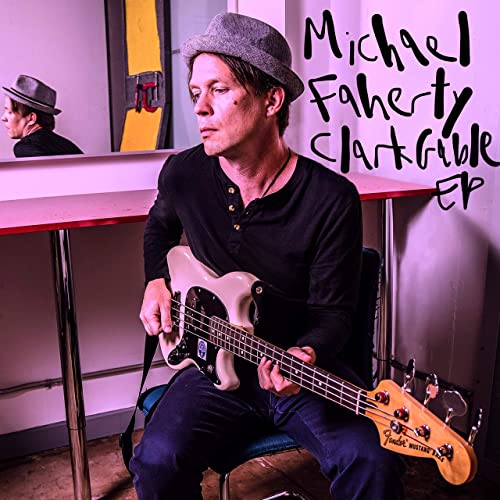
Michael Faherty – Clark Gable (Q&A)

“Clark Gable” contains 6 songs and they are all good. Great! Sweet Sweet Music spoke to Michael Faherty about recording, playing CBGBs at 16, and the nice feeling of getting a bit nervous before a gig.

Recording music. What’s all the fun about?

I enjoy the mixing and editing process the most. It feels like a game – I fix things that bother me until I eventually like how it sounds.

What’s the gig you will always remember? And why?

Playing at CBGBs for one of my first gigs at 16, due mostly to a savvy drummer. I knew that a lot of my favorite bands had played there.

Playing music in front of a crowd. What’s all the fun about?

I enjoy getting a bit nervous.

Which 5 records would you bring with you for your stay on Mars?

Jimi Hendrix – Axis Bold as Love

Lou Reed – New York

Fleetwood Mac – Tusk

John Lennon – Plastic Ono Band

Urge Overkill – Saturation

You can pick 3 co-writers to write new songs with. Who? … and Why?

Might as well go big and say Brian Wilson, Dylan, and McCartney.


Michael Faherty is a Brooklyn-born and L.A.-based singer, writer and multi-instrumentalist. His music ranges from power pop to blues, with a common thread of distinctive R&B-inflected vocals. He has performed as an opener for Buzzcocks, Ween, Goo Goo Dolls, The Posies, Monster Magnet, The Lemonheads, Juliana Hatfield, and many more. Michael’s songs have been used in television and film including the 2016 documentary Riot On The Dance Floor, featured on The Daily Show with Jon Stewart. He is currently performing and recording in L.A., both as a solo artist and as a bassist, guitarist, and vocalist for a variety of studio and live projects.  

Fuzzysurf – Sweet Tooth (Q&A)

Fuzzysurf is a surf pop indie band from Milwaukee, Wisconsin. Citing The Beatles, The Byrds, The Beach Boys, Blur, Weezer, and Talking Heads as early musical influences, the group goal has always been the creation of a catchy song.

Sweet Sweet Music blog spoke to Sean, Corey, and Mike about their Sweet Tooth, playing in a Weezer cover band, competing with a soccer game, recording and performing, and trusting the younger generations will take control again.

As an artist, you chose to show your emotions to the world. Is it always comfortable to do so?

Sean: For me, not at all. Don’t get me wrong, I can be very sociable and have no problem expressing, sharing ideas, or being intimate with those close to me. However, when you are creating, let’s say, snippets or pieces of art or music or whatever and finally decide to take the steps to say, “Hey, look over here everyone, I made something!”, you do open yourself up to criticism or different takes about yourself that you would have otherwise never had to worry about. A song is only a small piece of something that is much larger to someone. A person’s impression of a song can define that person’s impression of the artist massively. So yeah there is a lot of pressure to make something good and I’m not always comfortable but that is also part of the process. To gain the courage to put yourself out there is the reward. 

What’s the gig you will always remember? And why?

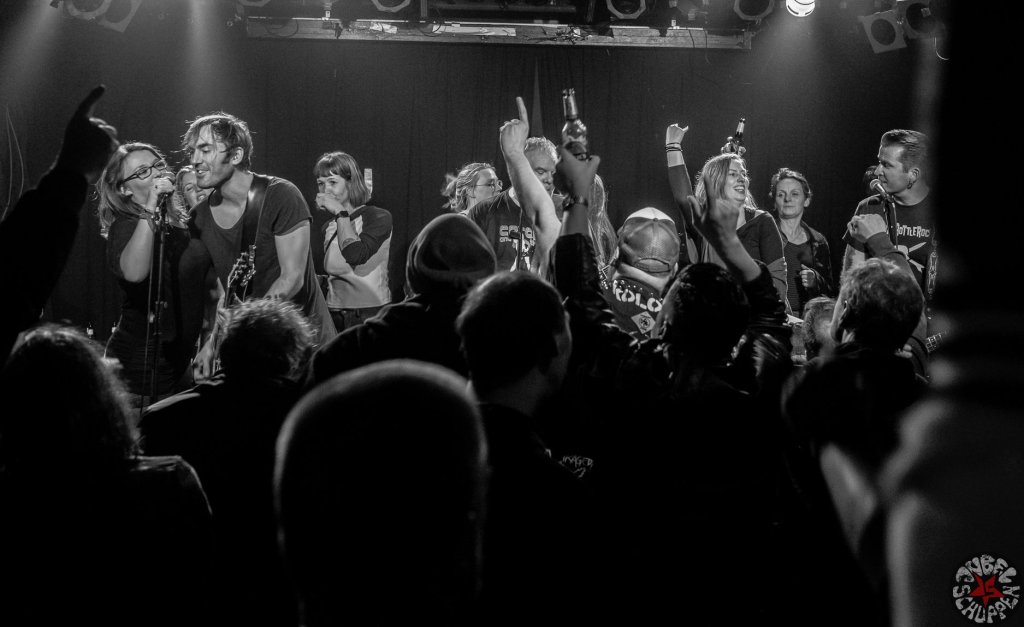
Sean: I think Corey or Ben can tell this story better but I’ll try. We were booked to play a show at a soccer bar in Milwaukee. We had been rehearsing before the show in our old practice space which was in the basement of our drummer, MIke’s house.  He had been doing some major home remodeling since he knows how to do things like that, and sometime during our rehearsal, he stepped on an exposed nail through his bass drum foot. Mike couldn’t play the pedal and he had to go to the doctor. So last minute the other three of us decide we will try to do our first acoustic show ever instead since the show was that night and we always keep our commitments. At the show, we wing it with a “stripped” down set, and halfway through, the owner of the venue stops us and shouts out that the soccer game which was previously delayed due to rain is now starting and he wants to play the game and shut us down. We were in disbelief and the owner could tell so he decided to hold a “loudness wins” cheering competition between those who wanted to watch the game vs those who want to watch our band. We were totally in shock at this point. Our drummer is in the ER with a rusted nail in the foot and now we may be totally humiliated and kicked off stage for a soccer game. Luckily, we won without a question and finished our set. What also made it extra crazy was that one of the musical directors from a local radio station and a writer for a music blog were there to catch our show for the first time. It could’ve turned out really bad, haha!

Corey: I was outside unloading some gear when Mike stepped on that nail but I don’t think I can ever get the image of Ben having to stand on the board to pry it out of Mike’s foot.  He managed to tough it out for the full rehearsal, grimacing through all of our songs but I was pretty sure he wasn’t going to make it to the gig afterward.  One additional layer of disappointment came when Sean’s guitar battery died 10 minutes into the set and he had to run out to the car to grab a replacement.  Ben saved the moment by continuing to play the same baseline the entire time he was gone.

Mike: I played in a Weezer cover band for a Halloween gig in Philly circa 2006 or 2007?  It was for a one-off show Halloween show at World Cafe Live.  We got done with our set and someone in the crowd begged us to go to their house to do another late-night set in their basement.  That snowballed into something like 10 shows in 6 days, culminating with one last basement show.  All I remember is looking up from my drums on “My Name is Jonas” and seeing a crowd of people falling into the band, pulling down the drop ceiling, and screaming at the top of their lungs.  That moment changed everything for me and my love for playing.

When was the last time you thought ‘I just wrote a hit!’?

Sean: I’ll let you know when.

Mike: Every song we write. Not in an egotistical way but what I love is after every song we complete we sit there and think “damn, how are we going to top that?” Well, I don’t know about the other guys but I get nervous like did we just hit our peak with that one? But then a few months later Sean will send a group text with some jam he’s working on and we’re blown away.  At the end of the day, we love these songs because they’re hits to us.  We’re just so lucky that other people sometimes feel the same way about them.  

Is recording a record easier than getting it heard nowadays?

Sean: For sure. The price of admission to recording music is incredibly affordable now. Anyone can get a free app or cheap equipment and have access to multitrack recording capabilities and instant plug-in effects. I think it was David Byrne who I remember saying something along these lines about it. You’ve now got all these people that otherwise wouldn’t have been able to record and put out music who now, suddenly in the last decade, can do so and are doing so at an incredible rate. The music being made is more varied and diverse in styles than it’s ever been. However, the downside of reduced barriers to recording is more music is being made, and therefore, more bad music is also being made which makes it difficult as an artist to rise above the noise. 

Corey: I wish I could say that being in a band involved as much recording and performing as it did hustle but the fact of the matter is 90% of our time is devoted to the business and exposure side of things.  Being a musician in 2020 feels more like working in marketing and social media sometimes.  As Sean says, with so many people making music these days, you’ve got to do what you can to set yourself apart.  Everybody’s passionate about what they do and it takes a special effort to demonstrate why you’ve got something that’s worth any attention when everyone is being so inundated with other music.

Mike: I grew up in the East Coast punk/rock scene.  Getting a 4-track together and laying shit down with your friends, I mean it doesn’t get easier than that. Today you have so many options if you want to track in a studio, at home, all together, separate, in different studios, mixing, mastering, pre-production, etc.  It’s just endless.  On one hand, I feel like it’s harder than just getting a 4-track in a basement but on the other hand, I enjoy the accessibility and flexibility of recording so to me that’s a lot easier as you scale your production. 

Getting heard is a timeless endeavor. I’ve been in bands for 20 years and it doesn’t feel any harder or easier, it’s just part of the gig. We just focus on writing our songs, making them the best they can be, and constantly challenging ourselves. When we release them to the world we hope there are a few more people who enjoy it and that those people want to share it with their friends.   

Vinyl is back, Spotify is ruling, tickets for concerts are becoming more and more expensive, everybody can record songs, social media is the marketing tool, Coldplay stops touring … how will the music industry look like in 5 years?

Sean: On the smaller scale, it’ll be like craft beers. The floodgates are open right now but being a successful independent artist will be more and more like running a small business which takes a ton of work. Music will continue to become more niche-oriented and develop new styles but artists will need to adapt and find what works and what doesn’t for their intended market. “Pop” music coming from the big labels will continue to homogenize if trends from the last few years keep up.

Corey: And that’s to say nothing about what this pandemic is doing to live music.  I hope that people are doing what they can to support their local venues these days and I hope that everyone is continuing to be creative about the ways in which they can make things work while things are the way that they are.  That said, I feel like all of these live-streamed events that we’ve been seeing have reminded me of the value of an actual live music experience.  Watching a great band play on a computer screen just can’t stand-in for the experience of being there in person.  It’s reassuring to me that as society becomes so much more focused on streaming media, social media, and digital formats, that we can also still agree on the value of sharing in a live musical moment.

Mike: There’s a deep emotional connection between artist and fan that’s impossible to replicate outside a live show.  You can’t make it happen in a recording, you can’t do it in a live YouTube setting, you can’t do it on a big stage. My faith is in the younger generations rebelling against the trends being shoved down their throats.  I hope 5 years from now you see kids taking control of their local scenes, putting on shows at their local VFW halls, in their basements, wherever they can share 30 minutes singing with their friends.  They will bring music back to its core because they will want to experience something that’s real.  

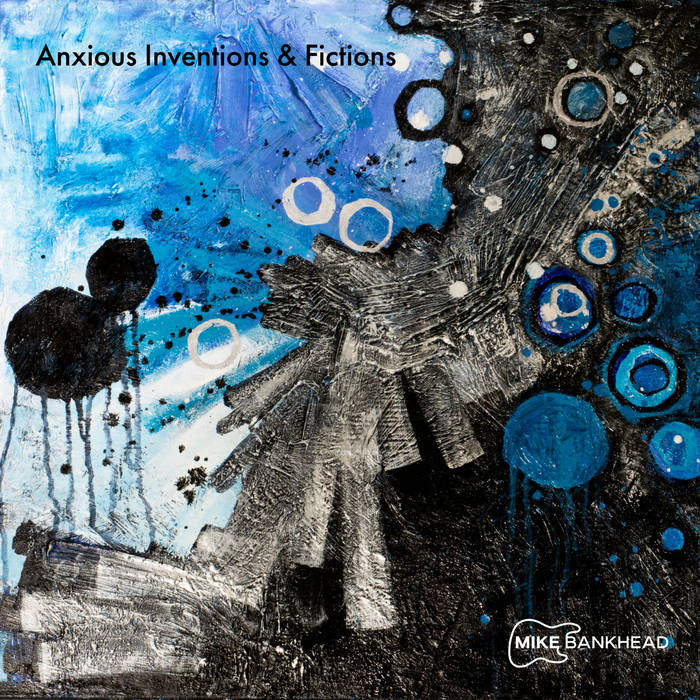
Mike Bankhead – Anxious Inventions & Fictions (Q&A)

What was the moment you knew you were on to something? 

I was writing songs again right after finishing recording my first album.  I remember thinking that one of them, which I wrote in spring 2017, was the best thing I had ever written.  I’m not sure if I feel that way about that specific song now, because I kept writing, right on through the end of that year, and right on through 2018.  It was near the end of 2018 when the thoughts of what an album might look like began to come together.  


How did this record come together? 

I went to Reel Love Recording Company for a pre-production session with engineer Patrick Himes in February 2019.  I brought 25 songs with me, the best of the ones I had written over the previous two years.  We talked about how to approach recording them… tempo, instrumentation, how each song should feel.  I had the arrangements and ideas mostly thought out already, but the possibilities really began to take shape on that particular day.  As 2019 progressed, I released 5 of the songs that fit together very well on a split album with The Paint Splats called Defacing the Moon. Many of the others are on Anxious Inventions & Fictions.

When did you decide to start asking for opinions on the new songs?  


Sometimes that happens immediately after writing.  There are a couple of people who I’ll send my low-quality home demos to shortly after they are done.  It’s easier for me to ask for opinions once I get something professionally recorded, though.


As an artist, you chose to show your emotions to the world. Is it always comfortable to do so?

It is not. It would probably be better for my mental health to talk these things out with a therapist, but as one of my favorite songwriters here in Dayton says, songwriting is “cheaper than therapy”.  (Your readers from outside of the United States might not have the cultural frame-of-reference for that statement, so I’ll just briefly explain that health care is very very expensive here.)

Any ideas about how to turn this one into a million seller? 

As wonderful as that would be, I don’t think that’s possible.  I don’t write the kind of songs that are currently popular, and the instrumentation and arrangements I choose aren’t currently popular, either.  I like real instruments, not music put together “in the box”.  This is not to disparage that art form, if that’s the genre that someone wants to write for, that’s fine.   There are good pop songs and there are good pop songwriters. It’s just not what I want to do, it’s not how I want to express myself.  Making music with real instruments, recording vocals without using Auto Tune or a ton of other pitch correcting software… those aren’t the “in” things right now.  That said, I know that somewhere on this large planet of billions of people, there is some unknown number of people who would be very much into what I do.  The challenge is to find those specific people, and get their ears on my music.  

You can pick 3 co-writers to write new songs with. Who? … and Why?  


You didn’t specify if these folks have to be alive.  If I’m allowed to select people who have died, it’s Chris Cornell, Jeff Buckley, and Prince.  For the why, those are all great songwriters, and they all had their own unique styles, and didn’t write in the same genre.  That said, they wrote such great songs that you could play them with only an acoustic guitar or only a piano, and the brilliance of the song still shines through.

If I have to limit my selection to only people who are currently living, I’d start with John Legend.  He’s from a town very near me in Ohio, and is a brilliant writer and musician.  Next, Dan Wilson.  He is one of my favorite songwriters, really knows his way around a hook, and has a feel for memorable lyrics.  Third, Carrie Brownstein.  I know she would bring some awesome riffs to the table, and since I am not a guitar player, I don’t often think of writing songs structured around a riff… sometimes I do, but not often.  I’d like to learn from her process.

What’s the gig you will always remember? And why?

The release show for my first album.  First, since I don’t have a band, I don’t play gigs nearly as often as I would like.  If I am going to play a show, I have to recruit musicians from the area, and while people are generally willing, it is somewhat of a challenge when everyone has different schedules due to being in other bands.  That was my first gig backed by a band playing my own music.  It was frightening and cathartic, and it was also the night of the first significant snowfall of winter that year, which will make it impossible to forget.

When was the last time you thought ‘I just wrote a hit!’?  

There aren’t really “hits” anymore in rock music, but there should be.  The last song I had that feeling about was “Promise”.  Strangely enough, that’s the first single I’m releasing from the album.  When I was done with it, I kind of stood back a little bit and tried to imagine it after it was professionally recorded, with all of the layers of guitar that would end up on it.  I remember going back to do a re-write, and making one or two very minor changes, but I thought it was good immediately upon finishing.  That’s not a feeling I have very often.

Is recording a record easier than getting it heard nowadays? 


That is a fantastic question.  My answer is that it depends on your genre.  As you probably know, with the advances of technology, plenty of musicians record at home.  You can make an entire album on a laptop.  When you can do that, the recording part is surely easier than getting people to listen.  Speaking personally however, I don’t have the gear or knowledge to be able to record at home in the genre that I write in.  That being the case, I hire a professional recording engineer to record and mix my music.  That’s a high level of effort.  Despite all that effort, it’s still hard to get ears on the music.  Part of the drawback to there being SO much music available is it’s harder to get heard.  Also, because of recording techniques being more widely available, and because there are plenty of people who can make music in their rooms on a laptop, music is generally devalued by the public.  Many people don’t realize that writing and arranging and recording music is work.  It’s often enjoyable, sure, but it’s work.  What we produce is a work of art,  but we produce a work of art that too many people want to have for free. 

Which 5 records would you bring with you for your stay on Mars? 


If you ask me this same question next week, you’ll get a different answer.  Today’s answer is: OK Computer (Radiohead), Your Body Above Me (Black Lab), Euphoria Mourning (Chris Cornell), Fountains Of Wayne (Fountains Of Wayne), Ohio (Over the Rhine).

Recording music. What’s all the fun about?  

Experiencing an idea becoming reality.  Making something that used to only exist in my head into something that I can share with other people.   

Playing music in front of a crowd. What’s all the fun about? 


Sharing feelings. Sharing art. Connecting with people. Being heard.

Always proud to answer ‘I am a musician’ to the question ‘what are you doing?’?  

Definitely.  That’s probably not always the first answer I think of, but maybe it should be.

You can’t control the way people ‘hear’ your music. But if you could make them aware of certain aspects, you think, set your songs apart. What would they be? 


I do an interview series over on my blog, and that question is so good that I am going to use it.  I hope that’s ok.  I enjoy wordplay.  There are often plays on words in my lyrics.  Sometimes they are subtle.  Sometimes they are not.  As a bass player, I would hope that people listen to the bass in the song first, as I probably give that part of the song more conscious thought than most other songwriters.  This doesn’t mean that the bass line is always brilliant or overwhelming… at the end of the day, you have to serve the song, and if the song is a quiet piano ballad, then the bass shouldn’t be too obtrusive… but since that’s my main instrument, it gets a great deal of focus when I think about arrangements, and I’m always asking the engineer to turn it up in the mix.


Vinyl is back, Spotify is ruling, tickets for concerts are becoming more and more expensive, everybody can record songs, social media is the marketing tool, Coldplay stops touring … how will the music industry look like in 5 years? 

That’s another fantastic question.  I think about this… if someone asked that question in, say, 1987, would anyone have known that compact discs would be the way most music was consumed in 1992?  If I had a way to know if there was going to be a technological breakthrough, I would say that music will move to that particular platform, but I don’t know that.  I’ll say three general things… it will still be very difficult for someone to make their primary living as a musician, artists are going to move their tours to the digital realm and perform online concerts where attendees have to be from a specific region to attend, more songwriters will attempt to make a living by writing custom songs specifically for individuals or organizations upon demand.

This is the story so far …

The Sweet Sweet Music blog has been around for five years this week.

This is the story so far …

There are now a total of 228 posts on the blog.

Over the years I have removed some reviews and posted a single interview twice.

A Q&A is usually viewed between 150 and 350 times.

There are 4 real outliers.

The interview in which Paul Collins announced his new record (Out of My Head) has been viewed more than 500 times.

The end-of-year lists are also viewed a lot every year. The 2018 overview was especially popular (more than 700 views). I think because 2018 was a good year for Power Pop. Have a look.

At the end of last year I asked a lot of Power Pop artists what the plans were for 20/20 and that post has been viewed over 1,000 times.

If we only knew then what year 2020 would be.

By far the most read post is The Best 100 Power Pop Songs of this Century (2000-2020).
That list has now been viewed more than 7,000 times.
And the Spotify playlist on which most songs can be found has 175 followers.

Although I often write ‘we’, I do this blog on my own. The head office is located on the couch in my living room.

My name is Patrick Donders, I am 50 years old and I live in Utrecht. That’s in The Netherlands. And The Netherlands is next to Germany. I never listen to The Beatles or The Kinks, I think Jellyfish is awful but not as awful as E.L.O..

I grew up with Talk Talk, The Blue Nile and Nena, was formed by Marillion, Journey, Bruce and Herbert Gronemeyer and got ‘old and wise’ with Cheap Trick, The Beat, Slobberbone, The Jayhawks and Fred Eaglesmith.

I love a lot of Power Pop songs but only have a few favorite records.
The Beat’s first two records are two of them. 12 by Sloan is also one. But of course there are many more :-).

This is a Spotify playlist of my favorite songs from the heyday of Power Pop.
This is a playlist of my 90s favorites.
We will never remember 20/20 as a good Power Pop year but it is, listen up.

Thanks to all the artists and all other lovely people who have been willing to answer my questions. Even when I asked them for the third time.
Thanks to the more than 10,000 unique visitors!

The ‘corporate identity’ was designed by Sabeth Elberse.

Keep supporting your favorite artists. Buy their music if you can.