Colman Gota – Don’t Stop Playing Guitar






Baseball Bat, a power pop band from Nashville, has recently released two strong, catchy songs, building anticipation for their upcoming EP set to drop in mid-June.
In an interview with Sweet Sweet Music blog, Brian Fuzzell explains that these songs have a long history.

Could you share the journey of bringing this record to life? How did all the pieces come together to create the final product?
The four of us worked together and became friends at a Nashville technology company. One day, Jerry came in with the idea that he wanted to form a band called Baseball Bat. He had the name before he had a band. So, the four of us got together to try to play some Weezer songs, but we never did. Instead, we wrote some of our own songs—the first was our own type of theme song, called “Baseball Bat.” Years later, we finally played one or two of those old Weezer songs.
But it took a lot to make these songs come to life as recordings. Over the last 12 years, we’ve recorded most of them twice in separate sessions, and both times, we ended up trashing the recordings. We also kind of, sort of, passively broke up for about six years. But like Voltron, we re-formed two years ago with the goal to give this another shot and truly make some recordings we’re proud of. Fortunately, Jeremy Ferguson agreed to produce, mix, and engineer the sessions. He really captured the sound and energy we’d always hoped for. Another amazing thing that happened is our old friend and former coworker, Brian Murphree, got involved and mastered the recordings. He’s become an incredible mastering engineer with his business, Soundporter Audio Mastering, so it felt great to keep things in the family to finish the project.
With the resurgence of cassettes, imagine curating your inaugural mixtape. Which five songs would be must-adds and why?
Harry Nilsson “Gotta Get Up,” The Posies “Daily Mutilation,” The Replacements “Bastards of Young,” Weezer “El Scorcho,” Tom Petty “Honey Bee.” We love these songs, and they get to the heart of what the four of us collectively love about rock music.
If tasked with introducing your music through three songs, which ones would you choose and what story do they collectively convey to new listeners?
“Let Down,” “Brain Dead,” and “Baseball Bat” (the song) are probably the best introduction to what this Baseball Bat thing is all about. Those three represent our blend of slacker garage-y quirkiness very well.
Where do you see yourself situated within the broader landscape of the music industry? How do you perceive your unique role and contribution?
We have absolutely no role in the music industry at all. Ha! Baseball Bat is more like an art project, existing only for the purpose of friends having some laughs and creating together. Our unique contribution to listeners is to provide the soundtrack to make memories, make babies, have some laughs, and repeat.
In the digital age, visual elements are intertwined with music. How did you approach the album’s visual aesthetics, such as album art and accompanying visuals? How do they complement the sonic experience you’ve crafted?
We keep it pretty simple. Baseball Bat is a garage band at the end of the day, and we like taking a straight-ahead approach to our music and visuals. We try not to overthink, much like the punk and garage rock we grew up on, but that doesn’t mean we want to be boring. Our “logo” came from duct tape letters, and most of our imagery is playful, simple, and fun.
We are inspired by the ones that blew our minds with simple, relatable, not-trying-too-hard releases from bands like Superchunk, Pavement, Tom Petty, The Toadies, and Green Day. Our EP cover for “It’s A Let Down” is an actual photograph from our bass player’s house in East Nashville when his basement flooded and all his vintage toys went everywhere. The natural chaos of that image felt just right for the cover and namesake.
These songs are 10-12 years old, and no matter how good we record them, it’s still just us behind them—a bunch of middle-aged dudes from Nashville, TN playing with heart. It kind of is a letdown, so we lean into it and hope that not taking ourselves too seriously is the key ingredient to make an unassuming set of songs that just wanted to get out into the world sound just right, despite the world not asking for them.
What’s coming up?
THURSDAY, JUNE 6: Cassette release show at The 5 Spot, Nashville, TN
6-8 pm early happy hour rock show with The Robe (Soccer Mommy & Features drummer Rollum Haas side project). We’ll sell the limited edition cassette exclusively at this release show – only 50 copies pressed on assorted colors!
FRIDAY, JUNE 7: Worldwide digital release
Digital and streaming release to all major outlets, including Bandcamp.
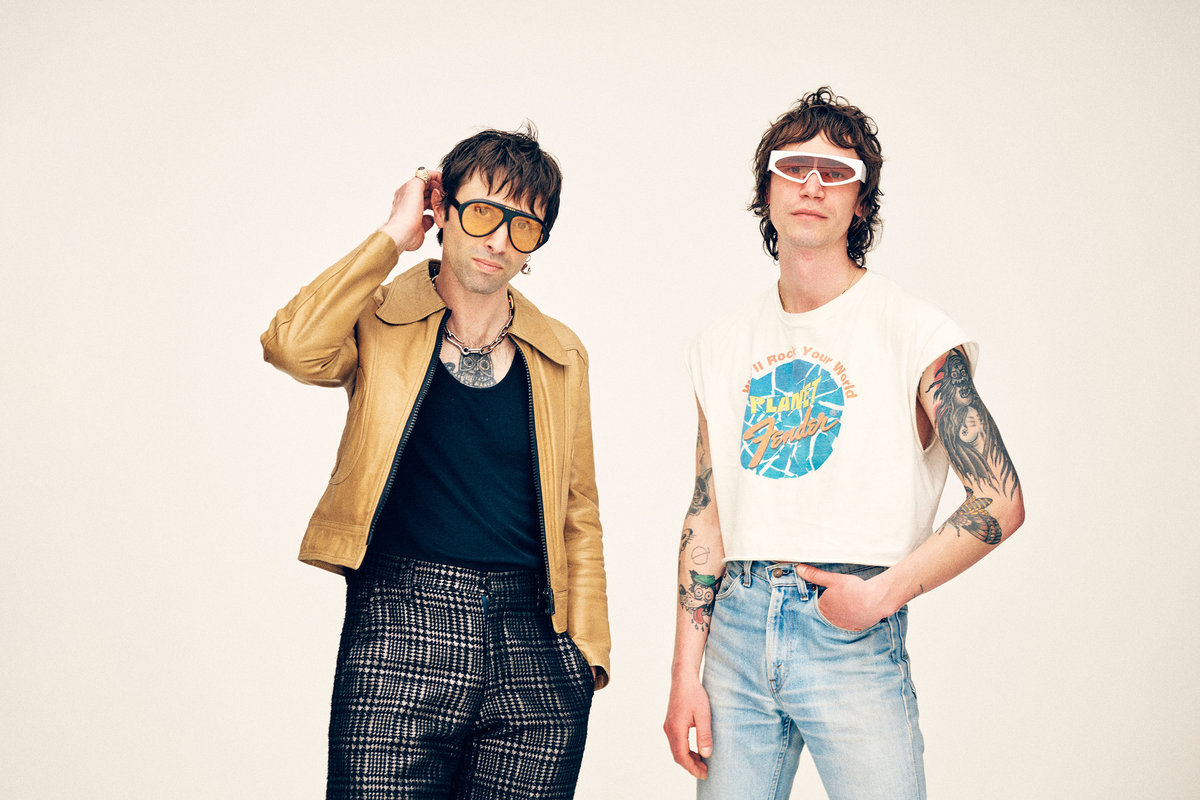
Dream Pony draws inspiration from the Ramones, The Velvet Underground, and The Strokes, crafting a unique sound they call Neo Glam. Their music could also be perfectly described as New York Pop. This debut album is simply irresistible.
You can find ‘TONIGHT’ showcased on the Best Power Pop of 2024 Spotify Playlist.
Sweet Sweet Music talked to Jordan D’Arsie.
Defining a song’s completion can be elusive. How do you determine when a composition has reached its final, ready-to-record form?
I think there’s a line to be walked between some part of looseness and some form of structure. We usually have parts and things semi-worked out and understood, but a lot happens when the song is finally being put onto tape.
Usually, we kick it around a bit in the room until we are somewhat satisfied, and then we add things to it as we go. I think the thing is you’re chasing something, but you also need to be open to accept things that come along. Often, these elements present themselves, and when they do, you make the decision.
Striking a balance between experimental artistry and commercial appeal is a challenge. How do you navigate this dynamic within your music?
It’s not something I really think about while writing a song. I feel a good song is a good song, and whether it has commercial viability or not is not really a factor. There are so many amazing unknown songs, important songs to us that, for one reason or another, never really broke through to a commercial market. I think the exercise of writing a song needs to remain separate from any predetermined outcome, and that way, it’s able to form itself the way it wants to.
Lyrics often carry profound meaning. Are there particular lines you hope listeners will always remember from your songs? If so, what’s the significance?
There are a few messages throughout the record. Different things hit you at different times, and also, people receive things in certain ways and have distinct takeaways. I guess that’s the pleasure of writing and reading.
There are a few lines scattered through the album that are hopeful, and I think in general, they are trying to convey to people to stay true to yourself and follow your heart. Lines like in “Sunday Suits,” “some people like to save all their money, some people like to favor their dreams” and “Suspicion Today,” “Do you remember that love, oh what it would feel like, I want you to know”.
Things like that, I just wanted to share some hope and convey that imagination can set you free amongst some of the darker themes that are throughout this album.
Imagine you could collaborate with three co-writers of your choice for new songs. Who would you select, and what qualities or dynamics draw you to them?
That’s a tough one, there are so many! If I had to pick three, it would be John Felice from Real Kids; I just love his songs, energy, and everything about the band’s spirit. They really lift me up. Patti Smith would be another I’d love to have the opportunity to collaborate with. I’d love to see how her process of writing a song unfolds, and I don’t know what I could offer haha, but I’d love to be in the room and see what happens. My third would be Tim Rogers from You Am I; I’ve always been a big fan of his songwriting, and I’d love to see what unfolds. All of this being said, I’d probably be way too shy to be able to do it. I would certainly freeze up and likely say something really silly haha.
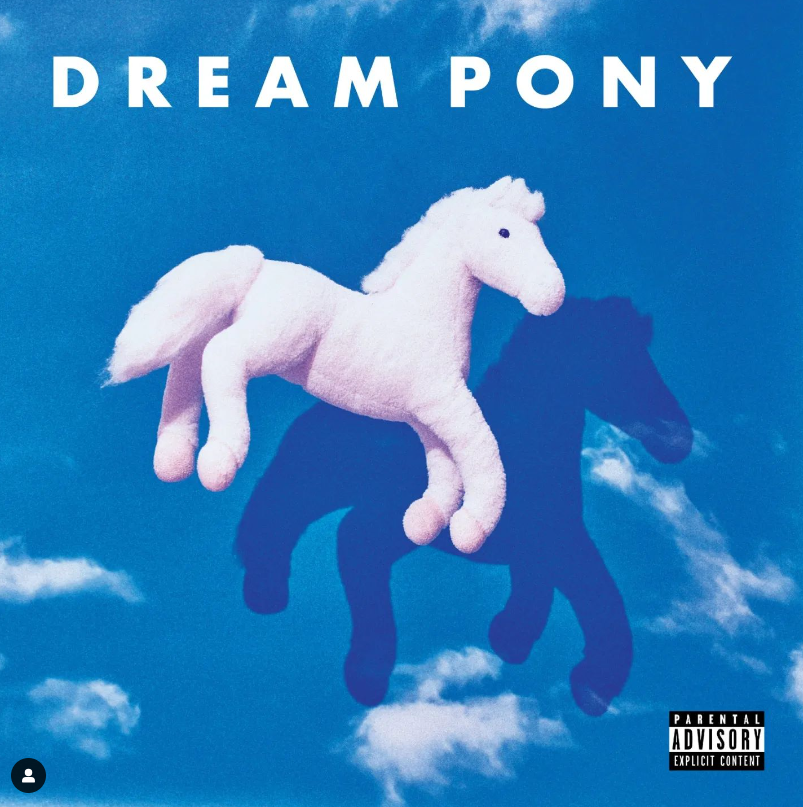
In the digital age, visual elements are intertwined with music. How did you approach the album’s visual aesthetics, such as album art and accompanying visuals? How do they complement the sonic experience you’ve crafted?
Being our debut album for Dream Pony, we wanted to create something that reflected the album title Suspicion Today but also Dream Pony as a concept. I wanted to create a dreamlike space for the songs to exist within. I had this concept of something floating around like the bridge in our song “Sunday Suits” and the ethereal being out there, however, casting a shadow below so in some ways it floats but still touches something. We purposefully wanted it to cast that shadow and reflect some kind of tangible illusion. We sourced several objects and various horse statues that we workshopped until we came upon the cloud background and pony plush toy, which we named Tony the pony. The artwork was captured by our great friend and super-talented photographer Ryan Slack at Mediumplex studio in Brooklyn.

The Wesleys hail from Canada, known as a Garage Pop band, or more specifically, Basement Pop. This distinction becomes evident as Pablo Garcia-Rejon Gaubeca elaborates on the creation process of their debut album, featuring nine remarkable DIY Power Pop tracks.
You can find ‘A Lot to Lose’ showcased on the Best Power Pop of 2024 Spotify Playlist.
Reflecting on the journey of creating this album, what were the pivotal moments where inspiration struck or obstacles were overcome?
I think the main pivotal moment was when we decided to record the album ourselves. At first, we were going to do it in a studio, which was quite exciting because I’ve personally never recorded in a “real” studio. But because we felt we might need more time for the songs to gestate or to redo things if they could be better, we decided my basement would be the best place to make it. Then I mixed it, and finally, it was mastered by a professional (Harris Newman at Grey Market in Montreal). I guess the main obstacle to overcome was in believing that people would love the record even if it wasn’t done “professionally” or if the sound quality wasn’t super good. It still ended up being quite good, but the things we used to make the album were very much not the top line of equipment by any stretch of the imagination. We are all quite proud it did end up sounding so good for a DIY album.
If you could collaborate with any three artists, living or deceased, on a future project, who would they be and why?
I’m not sure what the others would answer, but my top 3 would be:
1) Duke Ellington. Because of his obvious genius and also the groove. I very much love music you can groove and dance to. He was so far ahead of his time.
2) The Beatles. Because they are the reason I started playing music, and I think we would get along quite well with them because our band is quite similar in ethos and humor.
3) Daft Punk. Because they are just plain wonderful and awesome. Just to even see the process by which they create would be amazing.
Think back to a live performance that left a lasting impression on you. What made that particular gig memorable, and how did it influence your approach to live music?
I’ve seen a lot of great shows in my life, but the one that marked me most in recent times was seeing PJ Harvey play at Metropolis in Montreal. She had a rather large band and the drums were deconstructed into two parts with one person on each end of the stage. Then at some point in the show, she was singing acapella and I swear she hit a note that made the whole building vibrate. Like a resonant frequency or something. It was magical. As an influence to our own approach, perhaps what we could glean is that a live performance is a bit of theatre as well, and to maybe give people a little vacation from reality, so there would have to be some element of spontaneity or danger. I personally approach a show like an F1 race. I don’t know why. Just a feeling.
Balancing artistic experimentation with commercial appeal can be challenging. How do you stay true to your creative vision while also considering the preferences of your audience?
We feel that if you’re not making music you want to hear, then it’s a waste of everyone’s time. It is much more likely someone will like what you’ve made when you like what you have made. So there is no choice but to stick to your creative vision because the goal is not to please some phantom audience, but to create something you would like to hear that isn’t in the world already.
What aspects of performing live do you find most exhilarating, and how do they inform your approach to crafting your live shows?
The aspect of playing live I find most exhilarating is looking out at the crowd from the drums and seeing people dancing to the music. My drumming style is very groove-oriented and steady, and the music really makes people wanna move, so that is the biggest compliment a drummer could ever get is to see people shakin’ ass. Therefore our live shows are generally quite upbeat and high energy. I’m sure we’ll eventually write some classic 80’s power ballads, but for now it’s dancin’ time.
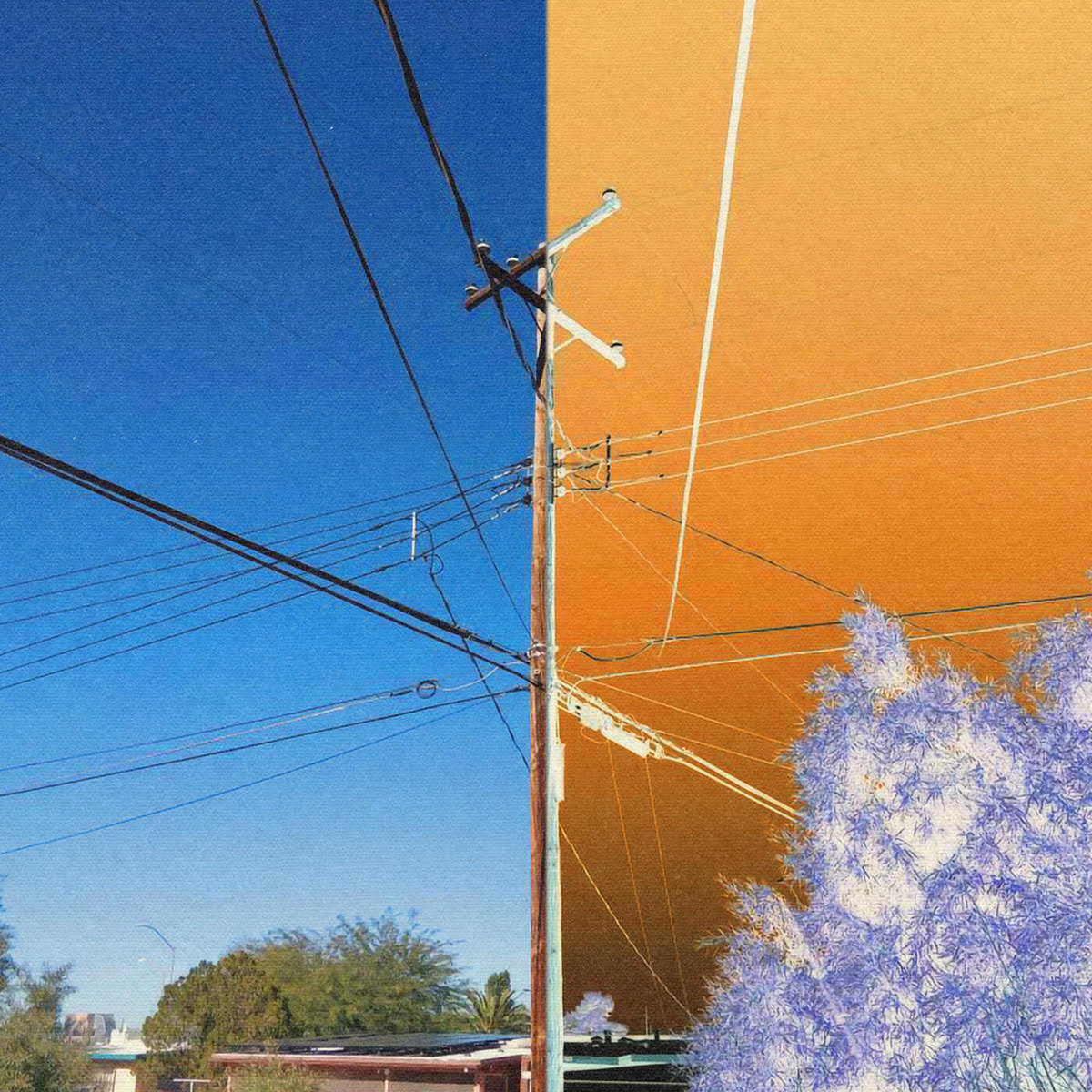
The Resonars reign supreme as the ultimate Garage Pop band on Earth, and ‘Electricity Plus‘ could easily claim the title of their finest masterpiece yet. The enhanced richness of their sound and celestial harmony vocals take you on a sonic journey, but it’s truly the unforgettable songs that steal the spotlight. With 16 irresistible earworms, these tunes are destined to be cherished for a lifetime.
I requested Matt Rendon to reveal his tale behind the new album.
You can find ‘One Nobody Knows’ showcased on the Best Power Pop of 2024 Spotify Playlist.
It appears that you enhanced the sound of The Resonars on ‘Electricity Plus‘, making it richer and more robust. Am I correct in this observation, or am I simply swayed by the electrifying nature of ‘Electricity Plus 1‘, the opening track, which delivers an unexpected surge of energy, unless one considers the title, of course?
Yeah, Johnnie (Rinehart) knocked it out of the park with his synth arrangement on Electricity I and II. He came in with an ARP Odyssey and a Moog, laid the tracks down really fast, then we added a backwards 12-string Rickenbacker. That wild swirl of a beginning really lifts the album off. If the sound is richer and more robust, it should be accredited to better microphones and compressors. We acquired a pair of LA4s and a Neumann U-47 clone made by WARM. And we have a Mellotron now, but we use it sparingly and only in ranges that sound authentic. It’s wonderful because I’ve always wanted strings and horns on Resonars records, but the expense of hiring those musicians is way beyond our budget. Now we have hundreds of musicians from 1963 at my disposal!
Matt, I am eager to proclaim the excellence of this new release. Would you be interested in sharing your own enthusiastic endorsement?
As far as my own enthusiastic endorsement, ha, all I can say about that is by September 2023 I was despondent about the record. I knew I had a handful of good songs but they weren’t working as a unit, no cohesion, no sequence that worked, and I started to really doubt myself. However, in October I spent a month in Europe with no access to those tracks – never thought to upload them to my phone. Upon return, I played the tracks while sitting on my back porch with a sixer and it all sort of clicked. What REALLY brought it together was the addition of Gold to Blue and Little Grey Man, which had previously been released as a single by Hypnotic Bridge. When they were integrated in the sequence the whole thing came alive! So yeah, I’m pretty happy with it!
While harmonious vocals are a trademark of nearly all the records you are involved with, on ‘One Nobody Knows‘ you seem to have reached a pinnacle in my view. Did achieving this level of vocal excellence require immense effort and dedication, or did you thoroughly enjoy the process of recording the vocals?
As to One Nobody Knows – I wrote that while reading an ABBA book called Bright Lights Dark Shadows. An exhaustive biography if there ever was one. I’d listen on headphones and try to discern what made their harmonies so magnificent. One could say the song was written as an exercise to experiment with harmony arrangement. I thoroughly enjoy recording vocal parts, but it’s also the most frustrating because I’m constantly chasing the overtones and the blend, and that’ll dictate whether I sing in falsetto or full throat, loudly or quietly. It’s hard work but man, the payoff is always worth it. The vocals were tripled, the first time I had ever done that, and also, I layed down two rhythm guitars, one at normal tape speed, and one with the tape speed slightly sped up. This was an old ABBA trick from the early days. The guitars sound enormous together,
Did you handle the production of ‘Electricity Plus‘ mostly on your own?
I produced all of the record except for Johnnie’s synth compositions.
Was there a specific song on this album that surprised you with its transformation from the initial concept to the final rendition? What was it about that particular song that caught you off guard?
The song that caught me by surprise was At Journey’s End. Again, a song that was written as an experiment to combine classical themes and a touch of Laura Nyro’s oddball arrangements (mainly California Shoeshine Boys). I didn’t expect it to come out as well as it did but oftentimes if you add a honky-tonk stomp to songs it can really lift them up. The main idea was – what if you wrote a simple pop song about having good friends but then broke up the verses with madrigals? I know this must sound extraordinarily pretentious hehe but I’ll try to get ideas from anything when in a songwriting slump.
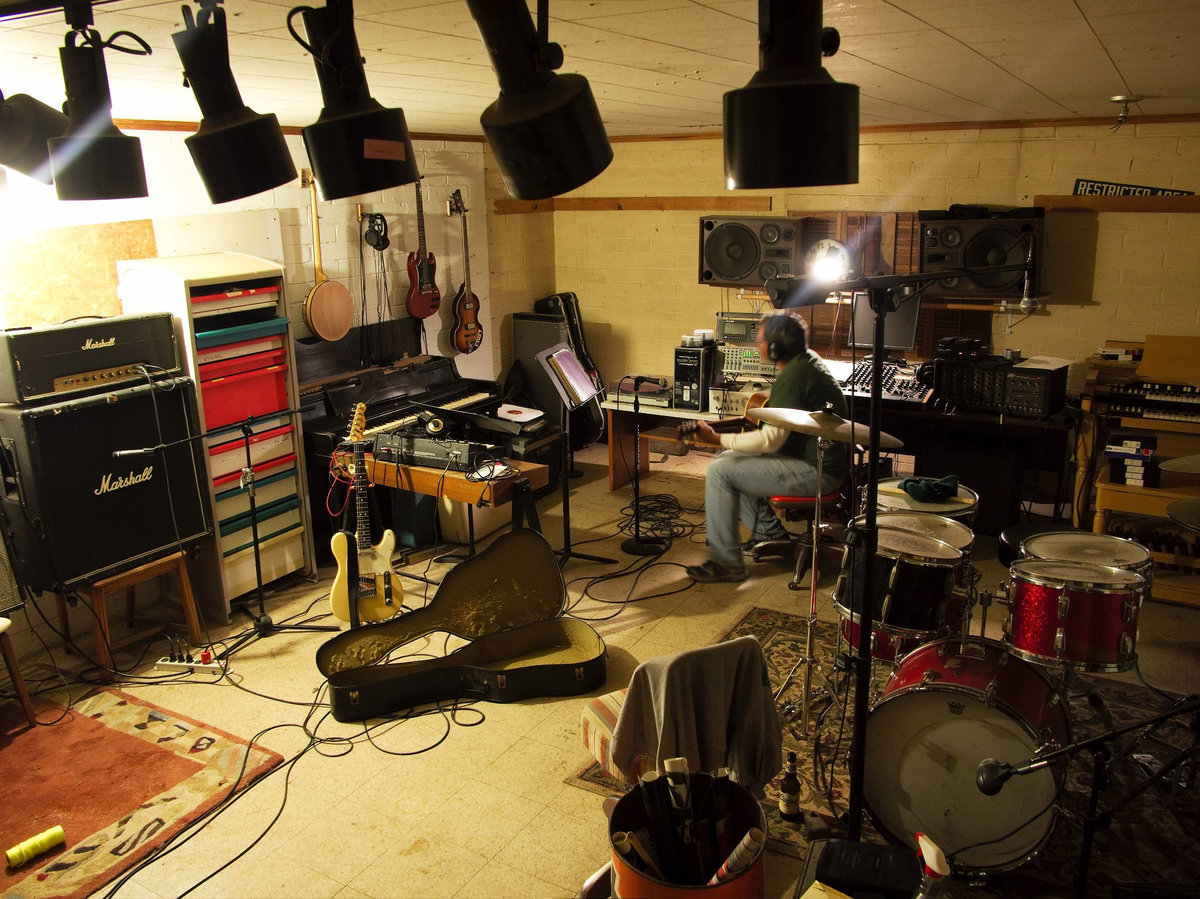
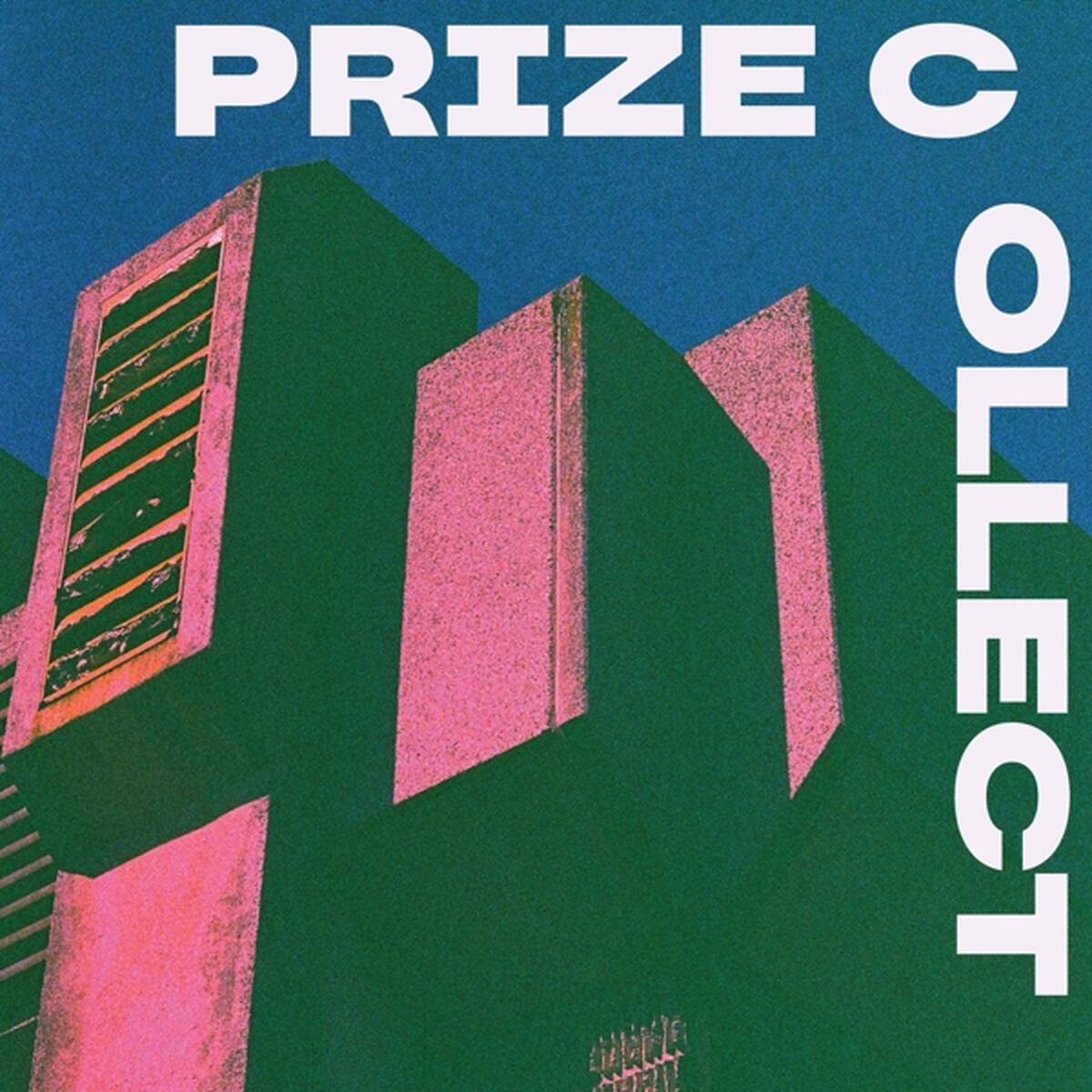
Prize Collect’s debut album is characterized as “Fresh Bedroom Jangle Pop.” In an interview with SweetSweetMusicblog, Marzio Scholten, the mastermind behind the project, shares insights into the creation process of nine beautifully layered, highly musical, and subtly subdued guitar tracks.
You can find ‘Far From Everything’ showcased on the Dutch Guitar Pop Spotify Playlist.
You’ve crafted an exquisite solid record. Could you share some insights into the journey of creating such a cohesive debut?
Well, after having released the Opera Alaska debut album (the indie band which I lead together with Marien Dorleijn) in 2020, we soon finished writing and recording for our second release. (This album has yet to be released.) For Opera Alaska, we always write together, and since we finished writing for the record, I started writing songs for myself at home. I’ve always written a lot of music for my instrumental solo projects, but all of a sudden, I felt very inspired to write “real songs” with lyrics. This was in the beginning of 2022. All of a sudden, it felt like I had an enormous amount of songs in my head that needed to be made. Without a real purpose, I started demoing them in my home studio and started singing myself. The demos turned out alright, and I started getting some very enthusiastic reactions. This motivated me to keep going on, up to a point that I said to myself: this could actually be a record! And I guess the rest is history now.
Once the record is out and accolades start pouring in, what initial reactions do you anticipate will resonate with you the most over time?
It was pretty scary to put this record out. I have put out quite a few records already, but this really felt like a new starting point, my debut as a singer, and my debut as an indie band leader. I know I can write songs, but how will people respond to this…? But as soon as I shared the music with others, I received nothing but positive vibes, from professionals as well as fans. It gives me encouragement and confirmation that I’m onto something here.
The resurgence of Dutch guitar pop thrives with acts like Elephant, Moss, Johan, The Maureens, and Alamo Race Track producing stunning music. Do you see yourself fitting into this scene both sonically and artistically?
Those are some pretty amazing bands you’re mentioning there. Bands with great track records that go far beyond what I’ve done with Prize Collect, of course. So, I can’t compare myself to those groups, but of course, some of these bands are of great inspiration. And of course, I’d like to be a part of this scene with Prize Collect. But that’s something that takes time and really is not for me to decide. I hope I can reach fans that like those bands, and that way it will come naturally, I suppose. Or not. Haha.
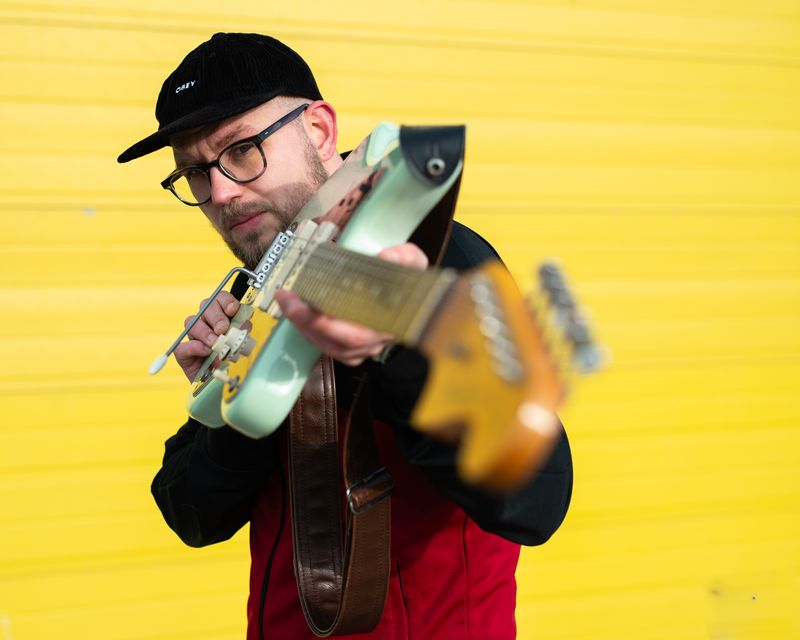
Success is subjective for every artist. For you, when does this record truly feel like a triumph?
This record is a success when I can reach people and move them with this music. I want people to feel happy and energized after listening to this music. So as long as people are listening to the music, it’s a success, as far as I’m concerned.
I’ve noticed the record is intricately layered and subtly refined, revealing new nuances with each listen. Was this intentional?
Everything that’s on the record is intentional or meant to be, I guess. I really wanted to make a layered guitar record, with guitar hooks and melodies. The recording process for these songs was really spontaneous. I just grabbed my guitar and started playing a part that I heard in my head. Then after that part was recorded, I hit record again and filled in the gaps with other parts. So I recorded quite a lot of guitar parts, much more than you hear on the record, actually. During the mixing process, I really started deleting some parts and filtering stuff out, until it got to a point where it felt rich, but not too overwhelming. But hey, in the end, I’m a guitarist… there’s no such thing as too much guitar.
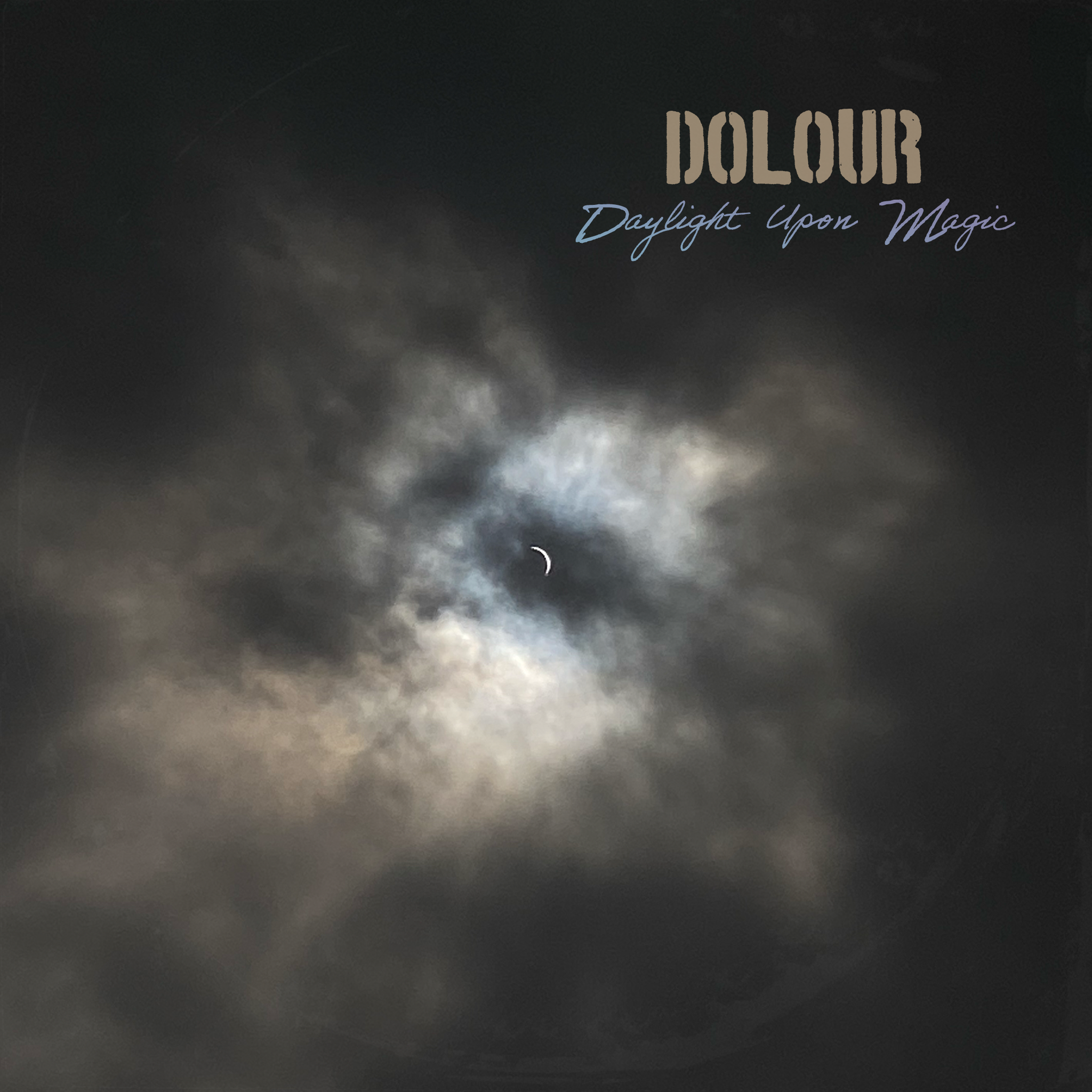
Shane Tutmarc, known as Dolour, crafted one of 2023’s most infectious tunes with “Have I Finally Gone Insane.” Now, he unveils a brand-new album titled “Daylight Upon Magic,” brimming with similarly sophisticated, irresistible tracks produced to contemporary standards. Prepare for a dose of hyper-classy power pop melodies.
Dive into the story behind this sonic bliss and stay tuned for the world premiere of the visually captivating video for “Judging By The Moon And The Stars.”
You can find ‘Sun On My Brain’ showcased on the Best Power Pop of 2024 Spotify Playlist.
New record, new opportunities. What were the lessons you learned to make this record even better?
The ultimate lesson is being true to yourself. With every record, I try to be honest with where I am musically and lyrically, but that is always changing and evolving. Being in tune with myself is a daily lesson to be learned. I see a lot of themes in this record about survival and perseverance. Even a song like “Moves Like Miyagi,” which sounds kind of silly at first glance, is really about lessons I’ve learned over the years about survival. It definitely has been hitting me lately how long I’ve been on this artist’s path and trying to understand and communicate better what the purpose of this journey is.
I think an overall lesson I’m always learning is “less is more.” My instinct is usually to pile on more and more ideas on top of ideas, and with this record, I was really conscious of only keeping things that felt necessary. Making sure only things that were adding to the experience were left in.
There were also a lot of technical lessons learned throughout the making of this record. As usual, I played all the instruments and engineered and mixed the album. So there’s always more to learn about all that. I also mastered the album, which was new to me. I’ve never mastered a full album, and it was a lot of work getting to the point where I felt like I had a handle on that. I probably watched more YouTube tutorials in those final weeks than anyone has ever watched. But I’m not sure if I learned much from any of them. Ultimately I just had to accept that, beyond the songs and the musicianship, this record will be a representation of where I am at with my technical skills.
Have you had any reactions from the people around you? Which comment was nice to hear? Why does this record make you proud?
I haven’t shared the finished album with anyone except my wife so far. When I finished the album, I sat her down, and we listened to it together. I hadn’t shared a lot of it with her throughout the making of it, so she was hearing most of it for the first time. She was really enthusiastic, and she can be a pretty tough critic, so it felt good that she dug it. Personally, I found myself becoming overwhelmed with pride for the album during its final weeks of recording and mixing. I feel like it’s an album full of interesting ideas, musically and lyrically. I think I captured a lot of myself on this album. The album brings together so many things I love about music and my feelings about life. There’s a little bit of everything on the album, which is what I like. Variety.
What was the song that took you by surprise?
“Moves Like Miyagi” was a surprise. I started writing it as a funny little song that I was singing to myself, but as it developed, it took on deeper meanings for me. My process with songwriting usually starts with a big burst of creative energy where I almost blackout and can’t remember later how it happened, so they all are little surprise gifts.
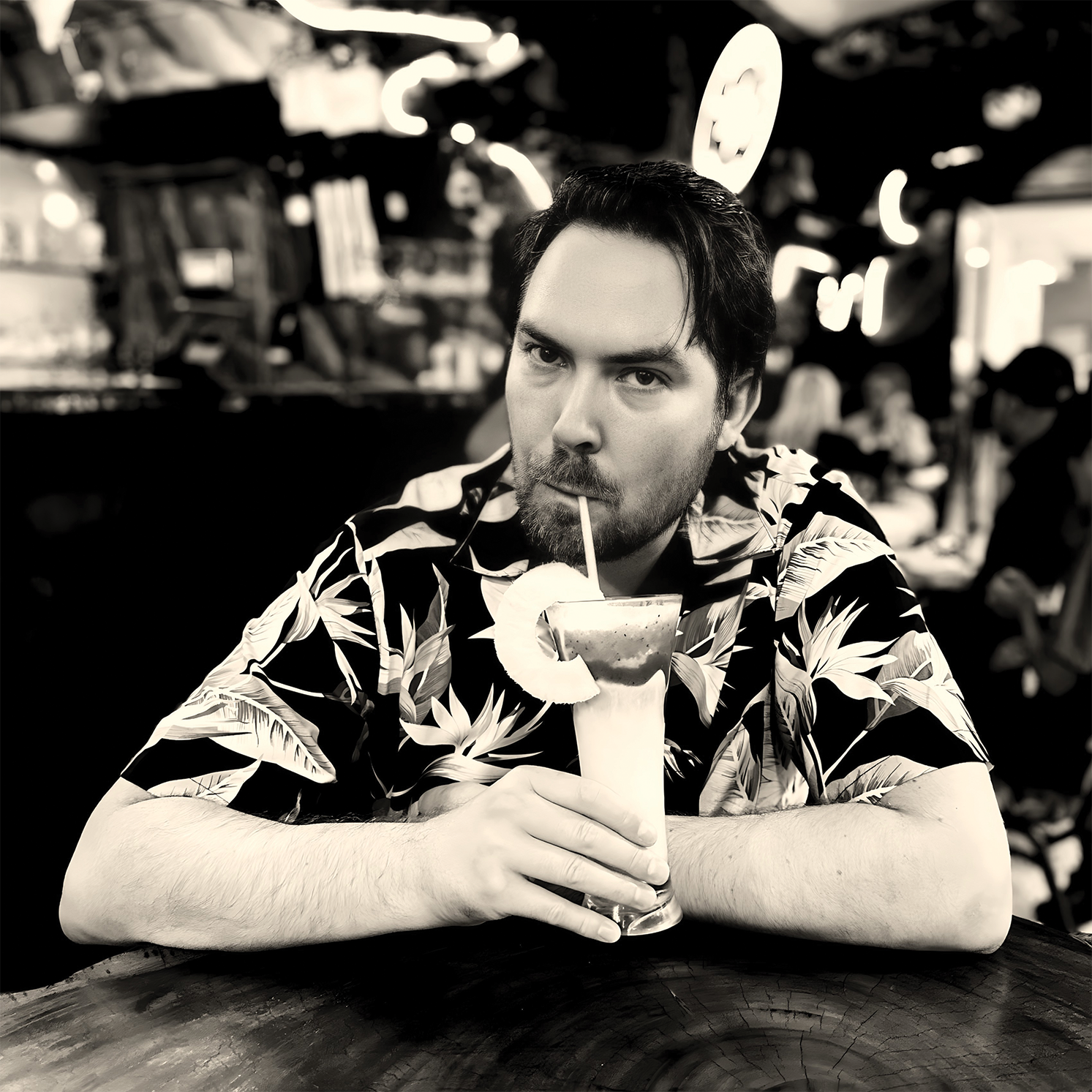
When did you know you were going to release an album instead of singles?
An eventual album was always the plan. After making three albums in less than two years with The Royal We (2020), Televangelist (2021), and Origin Story (2021), I knew I wanted to take a little breather. But even though I wanted to take a break, I kept writing. And then around Spring ’22, I got an offer to write a song for a movie, and I wrote “The Comeback Kid” for that. The movie opportunity fell through, but I had a finished song, so I put the song out as a single, thinking that I would soon have an album finished to follow that up with. But then I kept writing. And each time I released another single, I kept writing more, and the new songs kept replacing older songs, and that process continued until I released “Sun On My Brain” last Fall. At that point, I had the track-listing finished for the album, and everything was about 80% done. But unlike the three albums I made during Covid lockdown, this time I had to balance the schedule of my day-to-day life, and it was a lot more challenging to find the time to put in that crucial final 20%. I finally had the opportunity in March and early April to get everything finished up and ended up reworking all the singles I had already released. So even folks who followed my single releases the last couple of years will hear new things in all those songs.
What was the first thing you thought of this morning when your thoughts turned to the new record?
My thoughts are mostly on hoping the songs find the right people. I know how helpful music has been in my life, and I would love for these songs to be helpful in any way to other people’s lives.

