Softjaw – Love, Hooks & a Little Bit of Telepathy
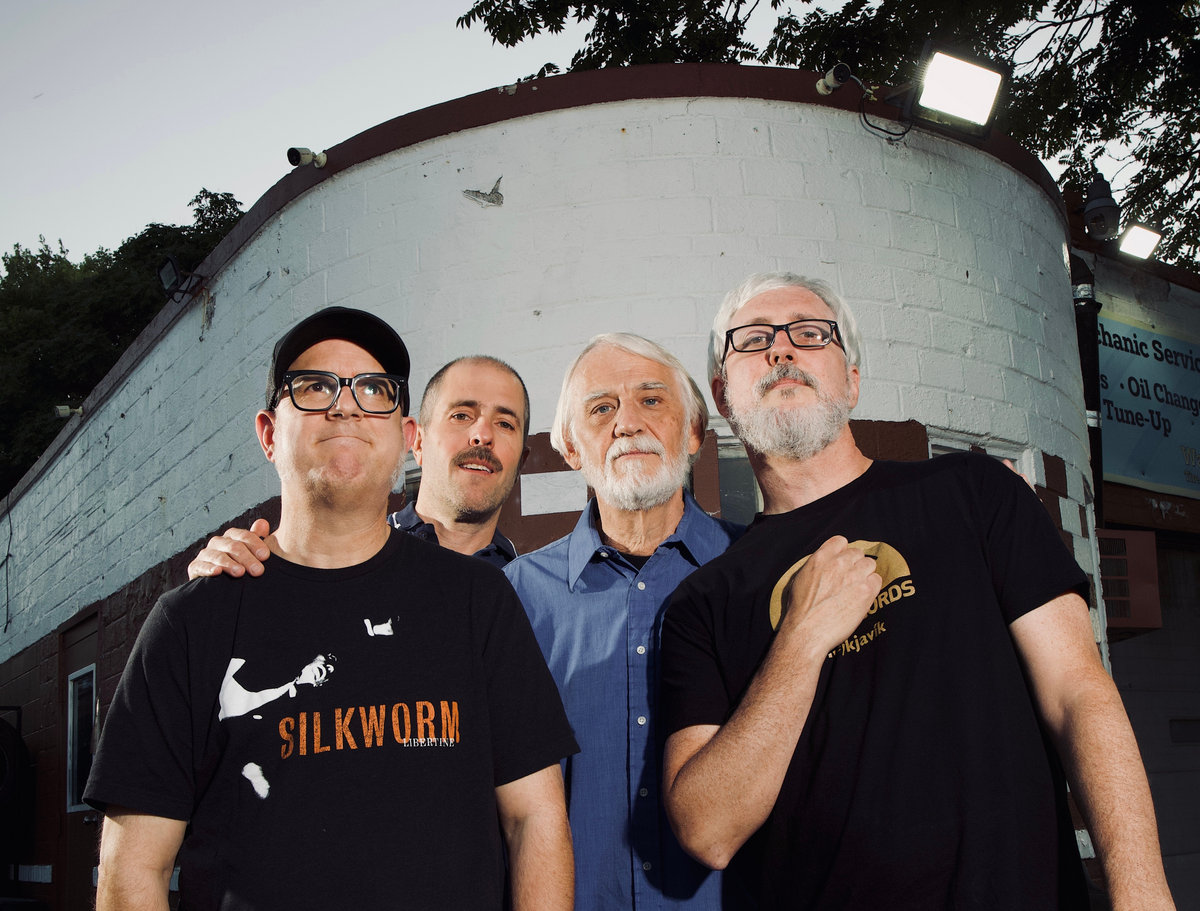
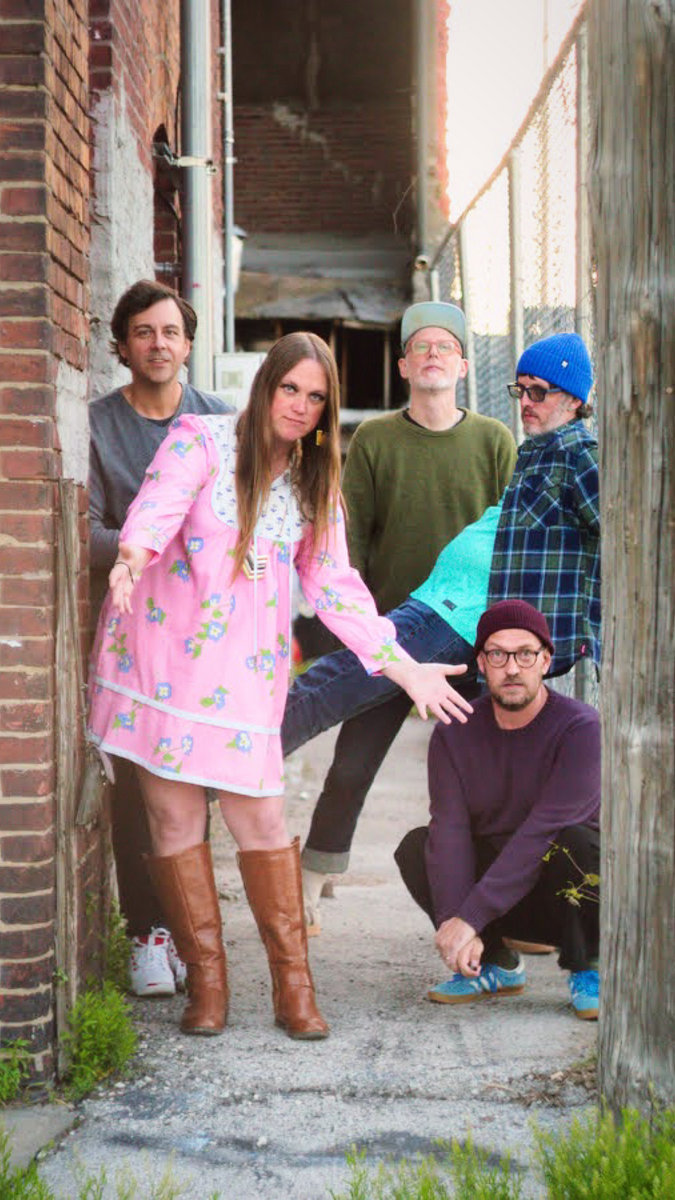
Some bands spend years trying to find the right chemistry. For Softjaw, it seems to have happened almost instantly. When songwriters Dustin and Tanner joined forces, they discovered a shared love of melody, hooks and all the little details that turn a good pop song into a great one.
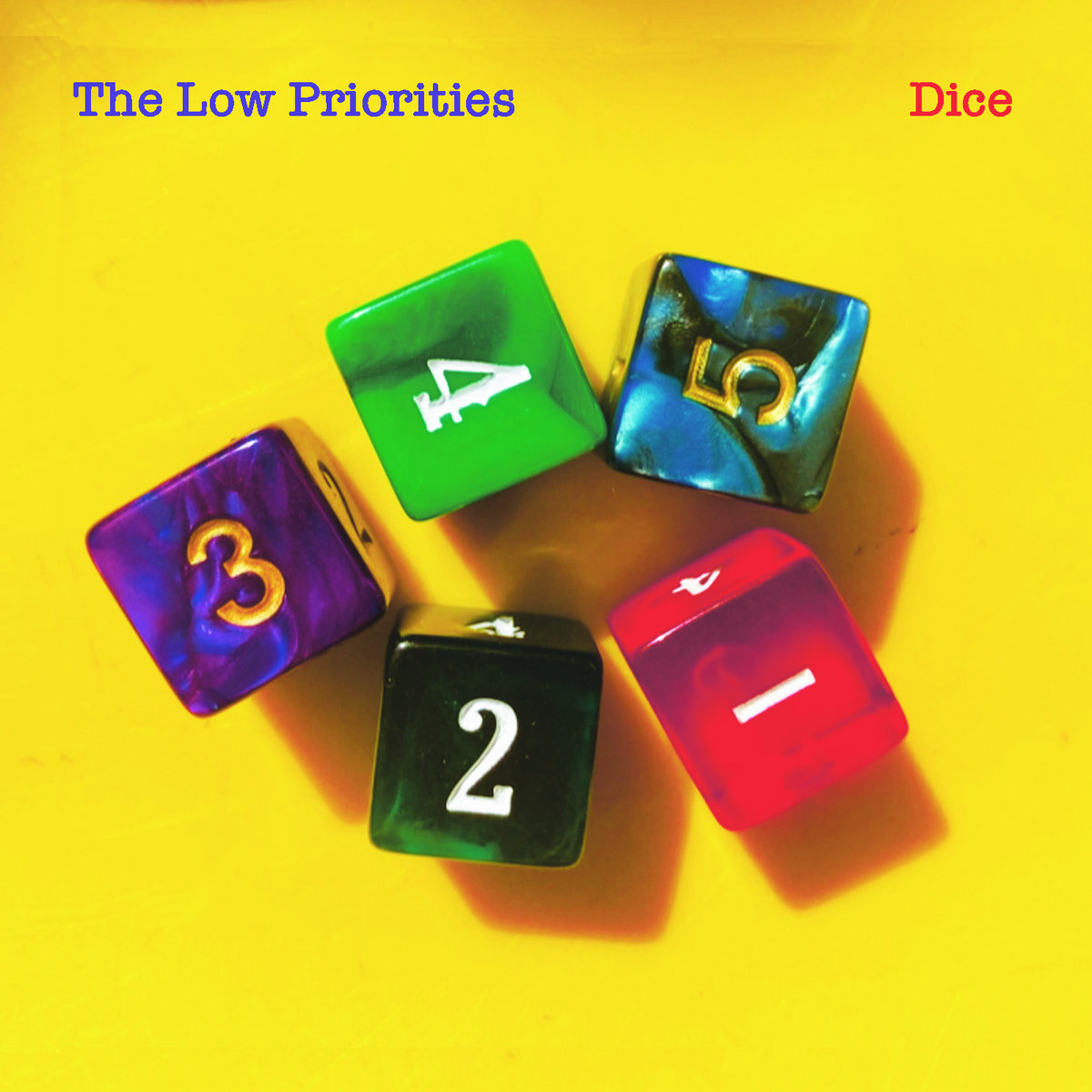
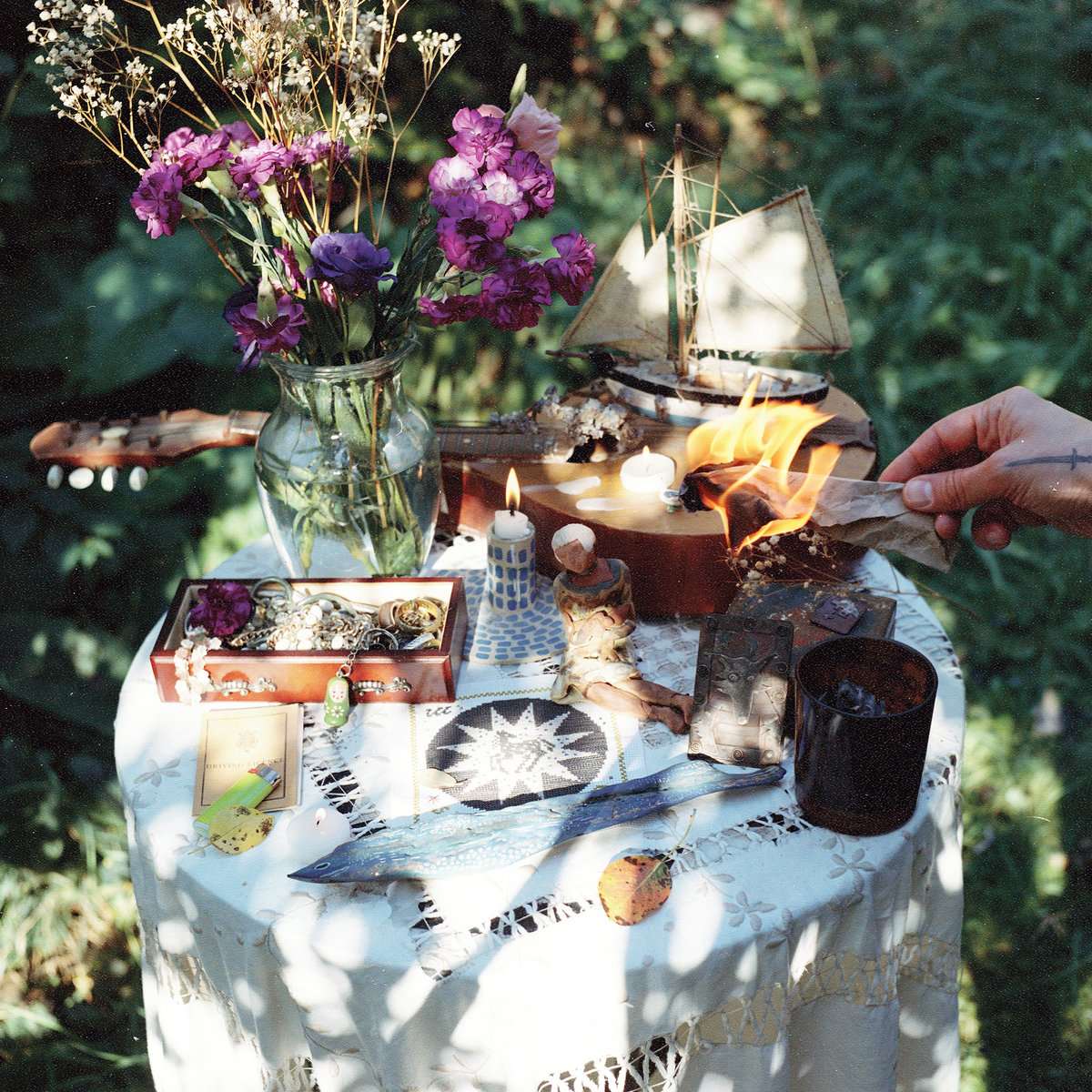
Their new album, Love Can’t Kill You, is packed with the kind of effortlessly catchy, beautifully crafted songs that remind you why power pop is such an irresistible genre in the first place. There are plenty of familiar influences, but Softjaw never sound like they’re simply looking backwards. Instead, they’ve found their own way of making those timeless ingredients sound fresh and exciting.
In fact, Love Can’t Kill You is one of those albums that will help define 2026 as a great year for power pop. We caught up with Dustin and Tanner to talk about songwriting chemistry, the art of making a great song even better, avoiding the nostalgia trap and the joys and frustrations of recording an album themselves.
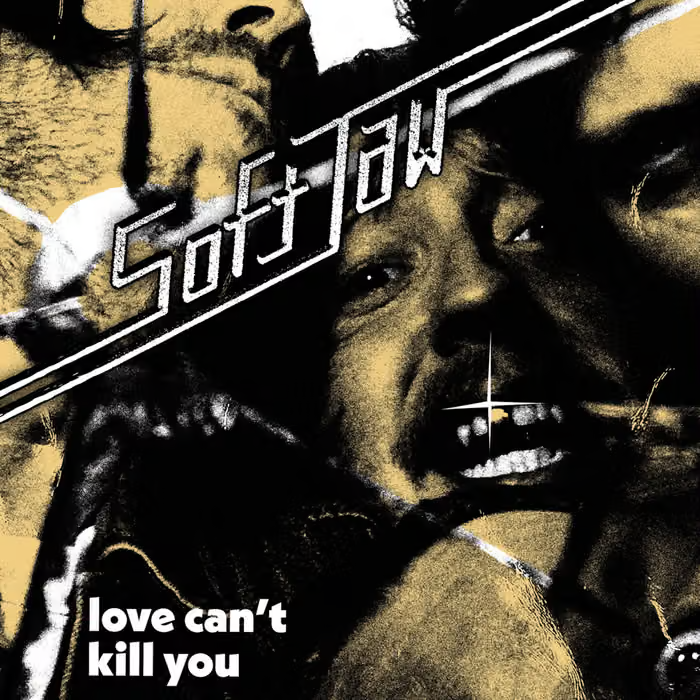
When did you realise that Softjaw could write genuinely great pop songs? Was there a particular song that made you think you were onto something?
Dustin: I had a couple songs knockin around before I met Tanner. One of them was “Don’t Go Walking Out”. I was definitely leaning in a more power pop direction but didn’t have anyone to hash them out with. Once Tanner came along we both started writing and things just seem to click right away. It’s a rarity to find your musical counterpoint so effortlessly.
Tanner: I met Dustin…that’s about it lol. I’ve kind of always been in a collaboration when it comes to music so when we met and shared influences I got a pretty good idea of what Dustin was going for and that got me super excited to start working that influence into my own songs for the band. The influence is mutual i believe and the combo of our approach seems to be workin out.
With two songwriters in the band, how does a Softjaw song usually come together? Do you bring in finished ideas, or do songs take shape together?
Dustin: It’s happened a few different ways but typically one of us has a song pretty much figured out. Then we all get in a room and give it a spit shine. I think we will attempt to be more collaborative for the next record.
Tanner: Usually Dustin writes an amazing song that breaks my brain and then i try and match it but never really get it, wherever it lands seems to be close tho and we go from there. my favorite times are when we show each other a song and we get telepathic and it falls right out. Thats straight up magic.
How do you make a good song even better? What do you tend to change between the first idea and the finished recording?
Dustin: For me personally it’s the little hidden gems you can sneak in. A special chord, a witty lyric, an unexpected key change, a change in time signature. The trick is doing it without people noticing. Don’t be flashy!
Tanner: I honestly have no clue. refer to Dustin on that one lol. I usually pour out my guts and call it pollok.
Your influences are clear, but Softjaw never feels like an exercise in nostalgia. How do you find your own voice while drawing on music you love?
Dustin: We have a pretty wide collective palette I think. We also try to steer clear of anything being too on the nose. If it’s a carbon copy we might as well be a cover band. The hope is to add some originality. That’s how music evolves.
Tanner: I think you gotta feeeeeel it maaaaaan. I was just trying to rip off the “deface the music” record by utopia… WHERE DOES THE WORLD GO TO HIDE?!
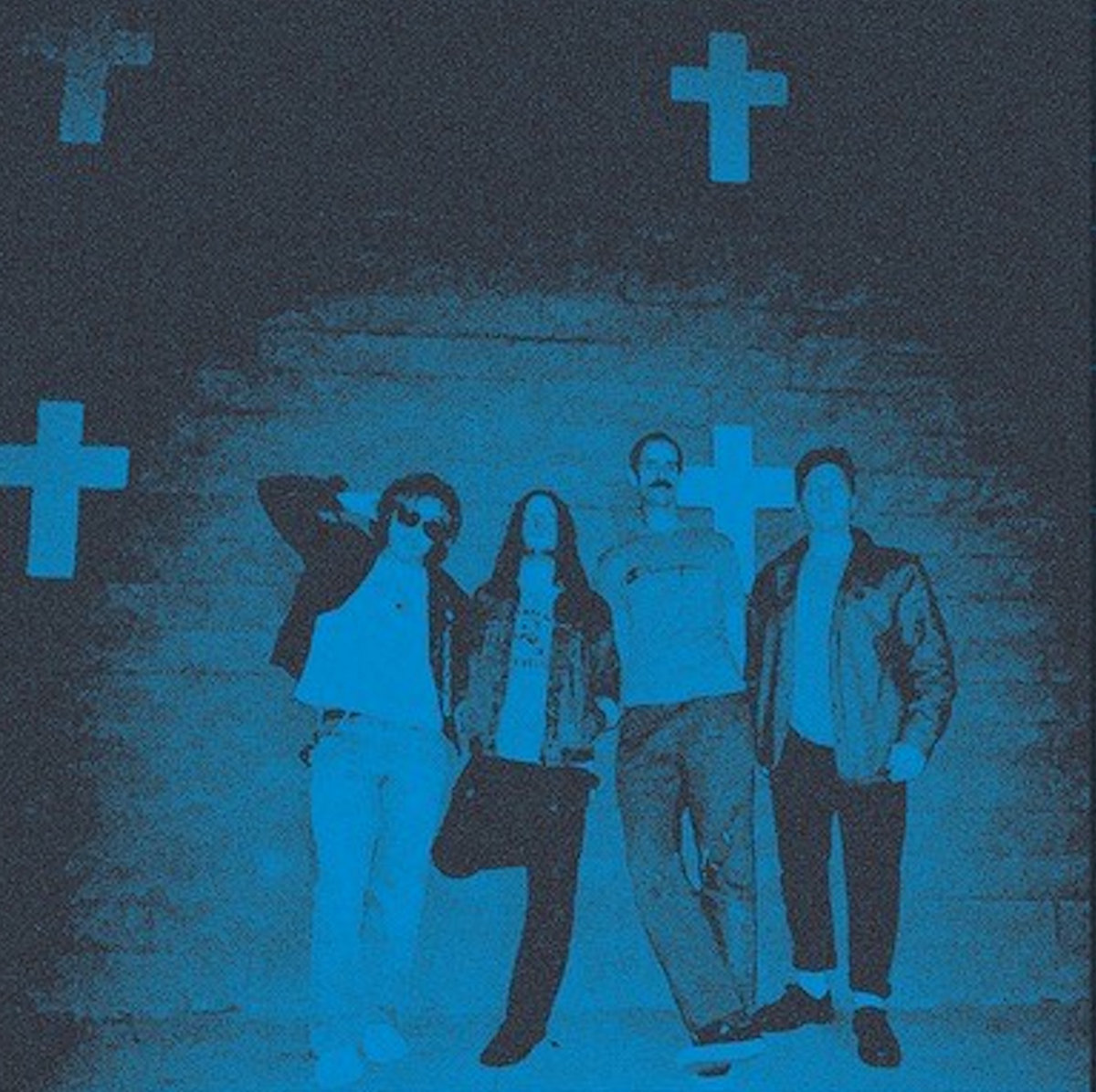
You recorded Love Can’t Kill You yourselves. Did that freedom make it easier to get the songs exactly where you wanted them, or harder to know when to stop?
Dustin: The recording process wasn’t too painful. I tried to mix it and drove myself insane. We eventually brought in Wyatt Blair for mixing. I was able to take a deep breath and see the finish line once he started sending mixes in. He’s got the magic!
Tanner: I don’t have too much experience in a studio so i gotta give it to Dustin on this one. its best to trust the person behind the wheel.