Scratching the Gloss: Rediscovering Raw Gems in the Aussie Top 200

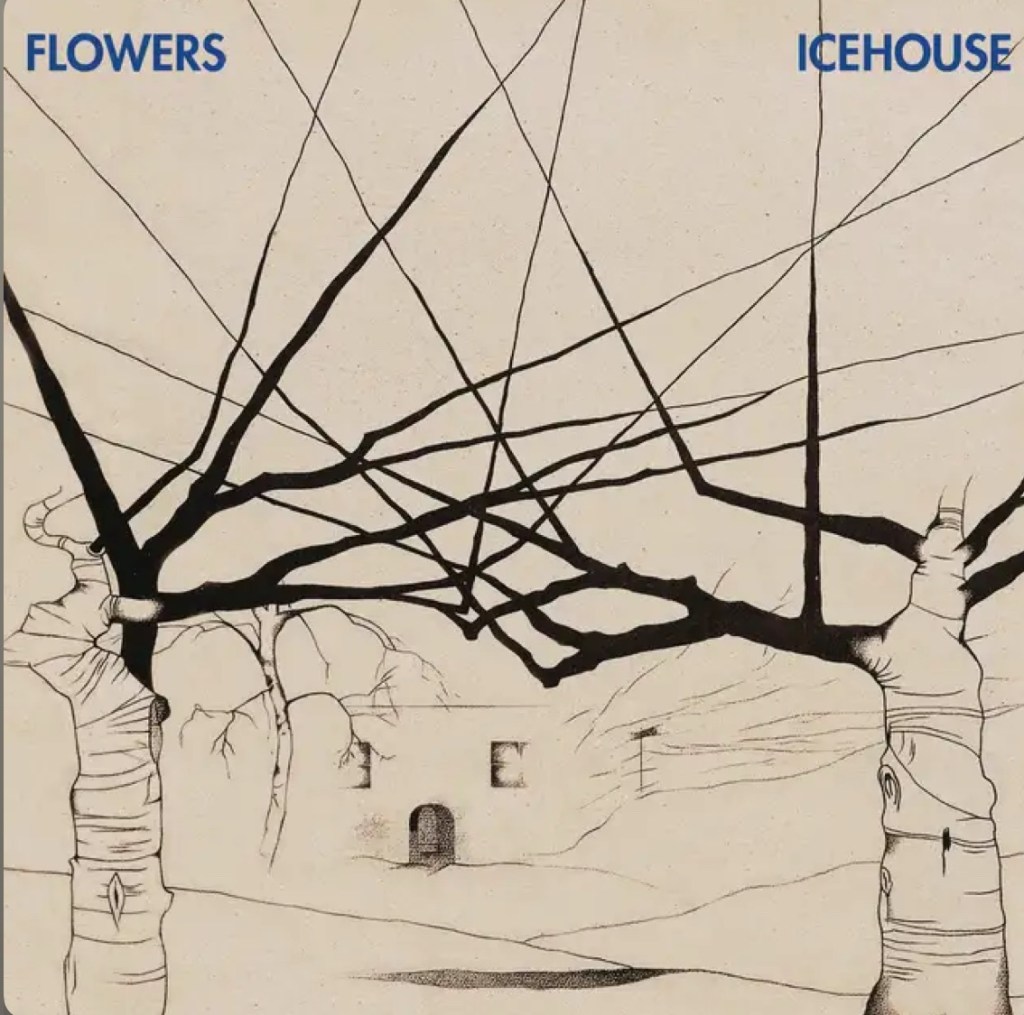
This week I found myself deep in the pages of an old Australian Rolling Stone issue featuring the 200 best Australian albums. Unsurprisingly, it included many of my longtime favorites—Cold Chisel and Jimmy Barnes, Paul Kelly, You Am I, Crowded House, The Go-Betweens, Australian Crawl, and Hoodoo Gurus. But I also discovered something I’d somehow missed: Icehouse by a band then still called Flowers. The album’s title eventually became the band’s name, and frontman Iva Davies would later find international success with sleek, shimmering hits like “Crazy” and “Hey, Little Girl.” While I’ve always enjoyed those songs, they felt a bit too polished for my taste, which is probably why I never dug deeper.

But that glossy finish is absent on Icehouse, the debut. What you hear instead is a band in the midst of a raw, inspired search for its own voice—lifting ideas from all corners of the early ’80s soundscape. There’s Ultravox in “Walls,” The Knack in “Sisters,” Styx in “Boulevarde,” The Cars in “Nothing to Do,” INXS in “Can’t Help Myself.” And yet, these aren’t just imitations—they feel like touchpoints in a larger collage. The album stands as a kind of beautiful watermark for the New Wave sound of 1982: a swirling, energetic hodgepodge of everything that was vibrant and in motion at the time. What a great surprise.

This Top 200 list is incredibly rich, and if you ever come across it, I hope it takes you on as rewarding a journey of discovery as it did for me. I’m not done yet—next up: the Sunnyboys. Of course they’re on there too, and the editors of Rolling Stone place them on the same pedestal as The Modern Lovers. I think I see that differently, but there’s no denying that this collection is special—challenging and full of gems, even by today’s standards.
Listen, the Snow Is Falling… in Utrecht

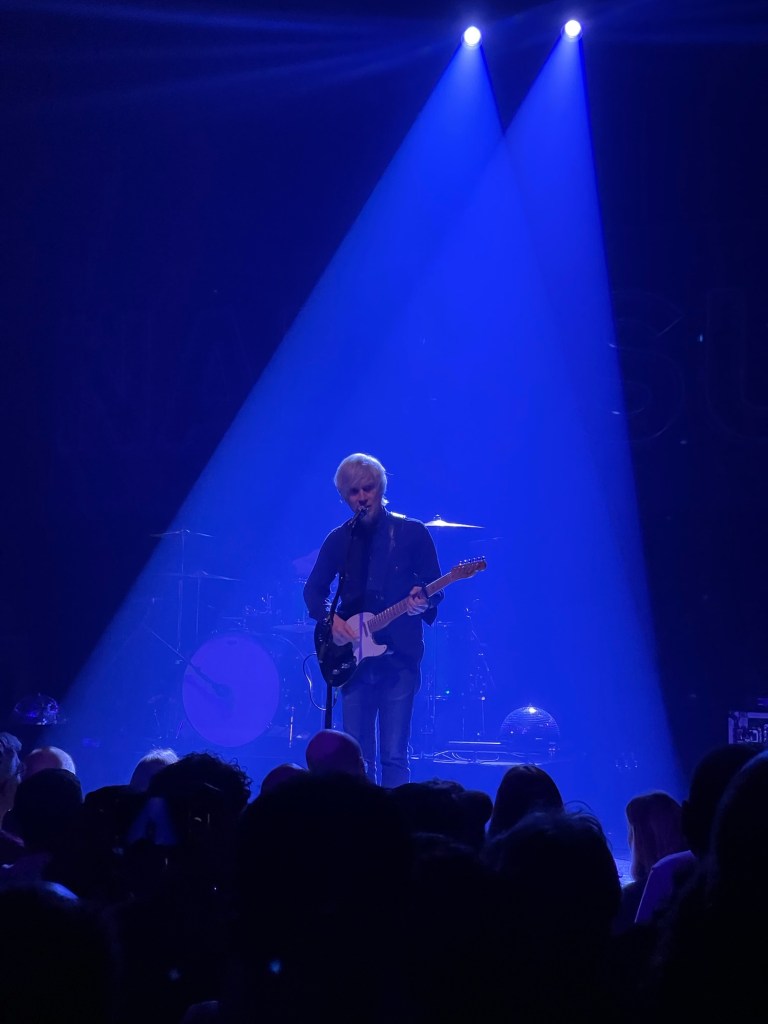
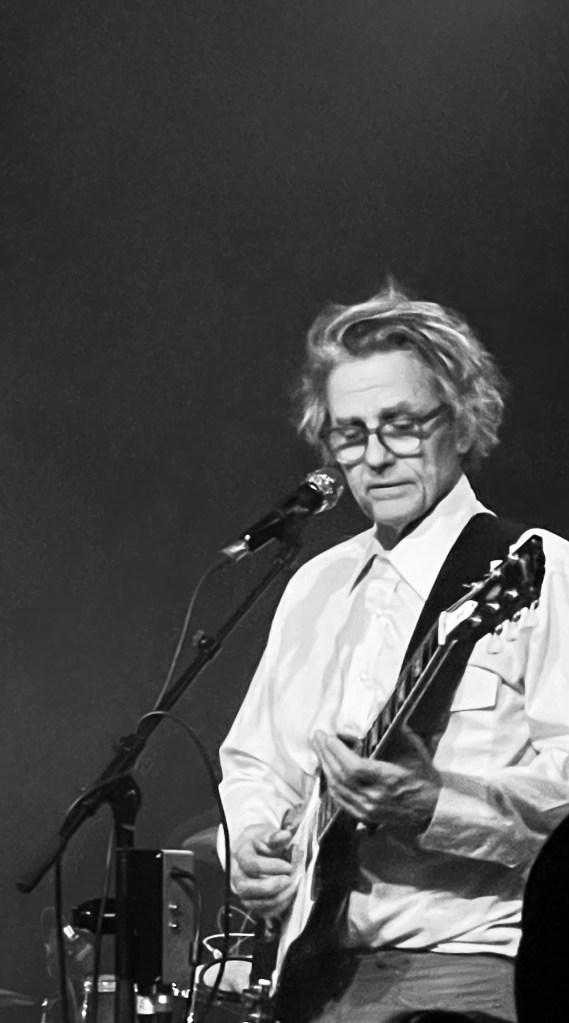
Until a few weeks ago, I didn’t know Dean Wareham. But a friend invited me along because one of his favorite Dutch alt.country bands was opening for Wareham at dB’s, right here in Utrecht.

In preparation, I took a deep dive into Wareham’s catalog, but I didn’t immediately connect with the key moments. It turned out I had heard his music before — and even reviewed it. In the early 2000s, I listened to a couple of albums he made with his wife under the name Dean & Britta, for hanx.net, a website I ran with two friends.

But that night, from the very first notes, I was shown a beauty I hadn’t picked up on during my prep. Wareham’s storytelling is lovely, but above all, it’s his guitar — that “why my guitar gently weeps” kind of sound — that truly stands out. He played a few songs from his new solo album, but he, Britta, and the drummer clearly knew what the crowd came for: the Galaxie 500 and Luna classics.

Highlights included Don’t Let Our Youth Go to Waste, 23 Minutes in Brussels, and a truly stunning Listen, the Snow is Falling, sung beautifully by Britta. But naming just three songs doesn’t do justice to the rest of the set.

The show felt like an invitation to dive deeper — I want to understand this alt.pop better. But it also confirmed something I’ve long suspected: when a band is playing just around the corner, you really should go.

A Quiet Kind of Magic: Nada Surf Live in The Hague

Nada Surf is one of my favorite bands. They love playing in the Netherlands — and have done so regularly in recent years — which means I’ve seen them five times since the pandemic, usually in Amsterdam, where they have a soft spot for venues like De Melkweg and Paradiso. But the most special show for me was right here in my hometown of Utrecht. Seeing my kids and the son of my best friend — by far the youngest in the crowd — throw their arms around each other and sing along at the top of their lungs to the band’s most well-known songs… that’s a kind of joy you never forget.

A few weeks ago, Nada Surf played at Paard in The Hague — another legendary Dutch venue, though one I don’t often visit. After a long day at work, I wasn’t really feeling up for it. It’s a bit farther than Amsterdam, and there were plenty of reasons to skip this one. But I’m so glad I didn’t. It felt like the band had something to prove, playing outside their usual Amsterdam stronghold, and the audience didn’t entirely know what to expect — I got the sense many were there just to hear Popular. They got that, sure, but the heart of the set was built around songs from their fantastic new album, Moon Mirror.

Matthew Caws is a great singer, but I don’t think I’ve ever heard him sing with such range and clarity as he did that night. When everything falls into place like that — and it really did — you realize just how powerful a deeply personal song like Mathilda can be. How behind their controlled, thoughtful sound lie beautiful stories and gorgeous guitar work. Nada Surf doesn’t go for big emotional gestures — they’re not flashy or showy — but on nights like this, you listen more closely and discover an intimate beauty you rarely find elsewhere.

And then, as if that weren’t enough, they played Cold to See Clear — a hidden gem in their overwhelmingly rich catalog.

This week, they announced two more Dutch shows, in Breda and Deventer, moving further away from the capital. Late in their career, Nada Surf is still winning over new hearts — and plenty more are sure to follow.

The Black Watch’s “Achilles Past” Is a Standout

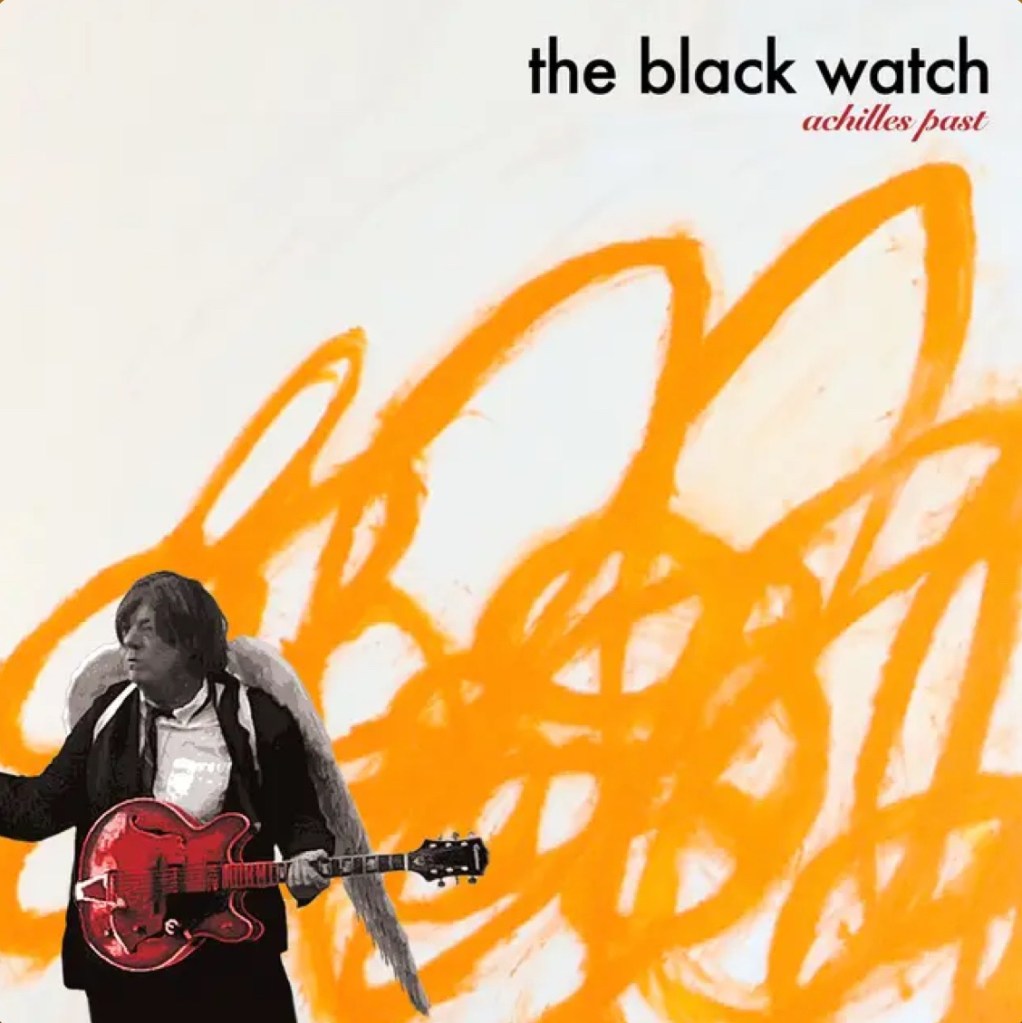
Achilles Past is one of those songs where you instantly know it’s a cut above the rest. The atmosphere clicks right away, and the first notes hit home. The new single by The Black Watch pulls me straight back to the early ’80s, to the time when music started to take over my life, when bands like The Stranglers, Talk Talk, Echo & the Bunnymen, and The Smiths explained the world to me. If a song can, within seconds, transport me back to that feeling—and let me, now 55 years old, be completely carefree for three minutes, wanting nothing more than to just lose myself in the music, with not a trace of nostalgia—then I know for sure: this song is better than the rest.

Chris Church Finds Space and Spirit on Obsolete Path

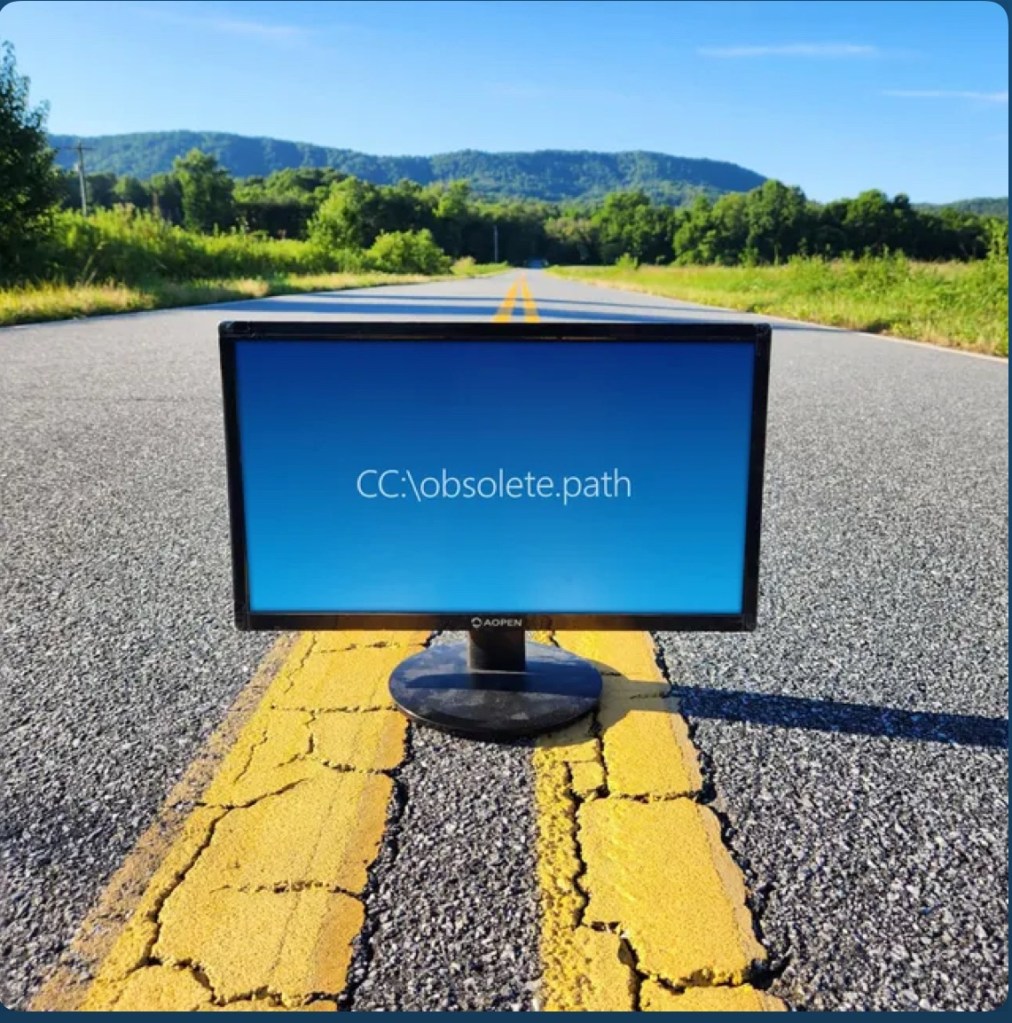
Maybe it’s always been there — probably so — but I hadn’t noticed it before. On Obsolete Path, Chris Church makes a subtle shift in style. The songs feel more spacious, and hints of country, rock, and West Coast influences seep into the pop sound. The raw thematic undercurrent — a signature element — is still very much present on this again excellent album, with its consistently high quality. On early listens, it reminds me more of Chuck Prophet than, say, The Raspberries — just to give some sense of the magnificence on display here.

60 Minutes of Joy: Paul Collins at dBs

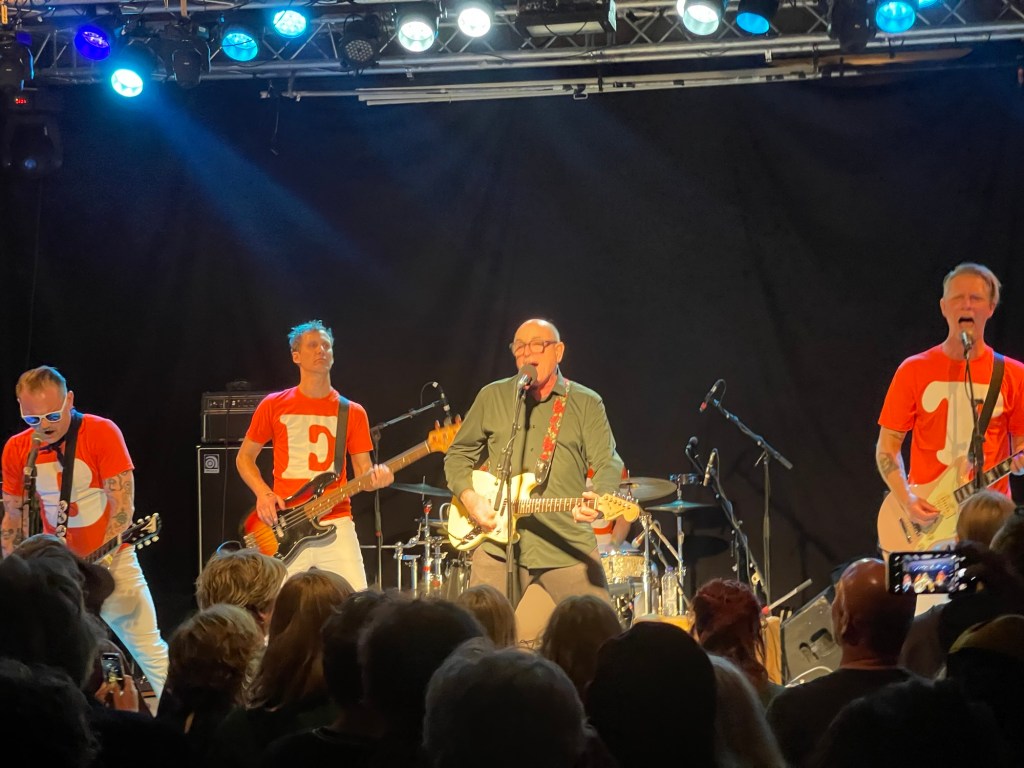
On Sunday, April 6, Paul Collins played at the new dBs here in Utrecht. He had promised “60 minutes of Power Pop” beforehand, and that’s exactly what we got: in a blistering 1-2-3-go rhythm, he blasted through nearly all the classics from the first two The Beat albums, along with a handful of gems from The Nerves. Collins was the undisputed King of Power Pop, pushing his much younger backing band to great heights with the flair of a true James Brown. Next to me, I saw my two sons, 21 and almost 23, watching it all with big smiles. During Hanging on the Telephone, a spontaneous family dance broke out, and for a moment, we found ourselves in Power Pop heaven. What an amazing night!