Prize Collect’s debut album is characterized as “Fresh Bedroom Jangle Pop.” In an interview with SweetSweetMusicblog, Marzio Scholten, the mastermind behind the project, shares insights into the creation process of nine beautifully layered, highly musical, and subtly subdued guitar tracks.
You can find ‘Far From Everything’ showcased on the Dutch Guitar Pop Spotify Playlist.
You’ve crafted an exquisite solid record. Could you share some insights into the journey of creating such a cohesive debut?
Well, after having released the Opera Alaska debut album (the indie band which I lead together with Marien Dorleijn) in 2020, we soon finished writing and recording for our second release. (This album has yet to be released.) For Opera Alaska, we always write together, and since we finished writing for the record, I started writing songs for myself at home. I’ve always written a lot of music for my instrumental solo projects, but all of a sudden, I felt very inspired to write “real songs” with lyrics. This was in the beginning of 2022. All of a sudden, it felt like I had an enormous amount of songs in my head that needed to be made. Without a real purpose, I started demoing them in my home studio and started singing myself. The demos turned out alright, and I started getting some very enthusiastic reactions. This motivated me to keep going on, up to a point that I said to myself: this could actually be a record! And I guess the rest is history now.
Once the record is out and accolades start pouring in, what initial reactions do you anticipate will resonate with you the most over time?
It was pretty scary to put this record out. I have put out quite a few records already, but this really felt like a new starting point, my debut as a singer, and my debut as an indie band leader. I know I can write songs, but how will people respond to this…? But as soon as I shared the music with others, I received nothing but positive vibes, from professionals as well as fans. It gives me encouragement and confirmation that I’m onto something here.
The resurgence of Dutch guitar pop thrives with acts like Elephant, Moss, Johan, The Maureens, and Alamo Race Track producing stunning music. Do you see yourself fitting into this scene both sonically and artistically?
Those are some pretty amazing bands you’re mentioning there. Bands with great track records that go far beyond what I’ve done with Prize Collect, of course. So, I can’t compare myself to those groups, but of course, some of these bands are of great inspiration. And of course, I’d like to be a part of this scene with Prize Collect. But that’s something that takes time and really is not for me to decide. I hope I can reach fans that like those bands, and that way it will come naturally, I suppose. Or not. Haha.
Success is subjective for every artist. For you, when does this record truly feel like a triumph?
This record is a success when I can reach people and move them with this music. I want people to feel happy and energized after listening to this music. So as long as people are listening to the music, it’s a success, as far as I’m concerned.
I’ve noticed the record is intricately layered and subtly refined, revealing new nuances with each listen. Was this intentional?
Everything that’s on the record is intentional or meant to be, I guess. I really wanted to make a layered guitar record, with guitar hooks and melodies. The recording process for these songs was really spontaneous. I just grabbed my guitar and started playing a part that I heard in my head. Then after that part was recorded, I hit record again and filled in the gaps with other parts. So I recorded quite a lot of guitar parts, much more than you hear on the record, actually. During the mixing process, I really started deleting some parts and filtering stuff out, until it got to a point where it felt rich, but not too overwhelming. But hey, in the end, I’m a guitarist… there’s no such thing as too much guitar.
Shane Tutmarc, known as Dolour, crafted one of 2023’s most infectious tunes with “Have I Finally Gone Insane.” Now, he unveils a brand-new album titled “Daylight Upon Magic,” brimming with similarly sophisticated, irresistible tracks produced to contemporary standards. Prepare for a dose of hyper-classy power pop melodies.
Dive into the story behind this sonic bliss and stay tuned for the world premiere of the visually captivating video for “Judging By The Moon And The Stars.”
You can find ‘Sun On My Brain’ showcased on the Best Power Pop of 2024 Spotify Playlist.
New record, new opportunities. What were the lessons you learned to make this record even better?
The ultimate lesson is being true to yourself. With every record, I try to be honest with where I am musically and lyrically, but that is always changing and evolving. Being in tune with myself is a daily lesson to be learned. I see a lot of themes in this record about survival and perseverance. Even a song like “Moves Like Miyagi,” which sounds kind of silly at first glance, is really about lessons I’ve learned over the years about survival. It definitely has been hitting me lately how long I’ve been on this artist’s path and trying to understand and communicate better what the purpose of this journey is.
I think an overall lesson I’m always learning is “less is more.” My instinct is usually to pile on more and more ideas on top of ideas, and with this record, I was really conscious of only keeping things that felt necessary. Making sure only things that were adding to the experience were left in.
There were also a lot of technical lessons learned throughout the making of this record. As usual, I played all the instruments and engineered and mixed the album. So there’s always more to learn about all that. I also mastered the album, which was new to me. I’ve never mastered a full album, and it was a lot of work getting to the point where I felt like I had a handle on that. I probably watched more YouTube tutorials in those final weeks than anyone has ever watched. But I’m not sure if I learned much from any of them. Ultimately I just had to accept that, beyond the songs and the musicianship, this record will be a representation of where I am at with my technical skills.
Have you had any reactions from the people around you? Which comment was nice to hear? Why does this record make you proud?
I haven’t shared the finished album with anyone except my wife so far. When I finished the album, I sat her down, and we listened to it together. I hadn’t shared a lot of it with her throughout the making of it, so she was hearing most of it for the first time. She was really enthusiastic, and she can be a pretty tough critic, so it felt good that she dug it. Personally, I found myself becoming overwhelmed with pride for the album during its final weeks of recording and mixing. I feel like it’s an album full of interesting ideas, musically and lyrically. I think I captured a lot of myself on this album. The album brings together so many things I love about music and my feelings about life. There’s a little bit of everything on the album, which is what I like. Variety.
What was the song that took you by surprise?
“Moves Like Miyagi” was a surprise. I started writing it as a funny little song that I was singing to myself, but as it developed, it took on deeper meanings for me. My process with songwriting usually starts with a big burst of creative energy where I almost blackout and can’t remember later how it happened, so they all are little surprise gifts.
When did you know you were going to release an album instead of singles?
An eventual album was always the plan. After making three albums in less than two years with The Royal We (2020), Televangelist (2021), and Origin Story (2021), I knew I wanted to take a little breather. But even though I wanted to take a break, I kept writing. And then around Spring ’22, I got an offer to write a song for a movie, and I wrote “The Comeback Kid” for that. The movie opportunity fell through, but I had a finished song, so I put the song out as a single, thinking that I would soon have an album finished to follow that up with. But then I kept writing. And each time I released another single, I kept writing more, and the new songs kept replacing older songs, and that process continued until I released “Sun On My Brain” last Fall. At that point, I had the track-listing finished for the album, and everything was about 80% done. But unlike the three albums I made during Covid lockdown, this time I had to balance the schedule of my day-to-day life, and it was a lot more challenging to find the time to put in that crucial final 20%. I finally had the opportunity in March and early April to get everything finished up and ended up reworking all the singles I had already released. So even folks who followed my single releases the last couple of years will hear new things in all those songs.
What was the first thing you thought of this morning when your thoughts turned to the new record?
My thoughts are mostly on hoping the songs find the right people. I know how helpful music has been in my life, and I would love for these songs to be helpful in any way to other people’s lives.
Scotland’s Aerial has finally unveiled their highly anticipated album after a decade-long hiatus. Following the success of their 2014 standout, ‘Why Don’t They Teach Heartbreak At School?’, which featured the stellar track ‘A Great Teenager’ ranking at number 38 on my ‘The Best 100 Power Pop Songs of this Century (2000-2020)‘ compilation, the band returns with ‘Activities of Daily Living’. Once again, they hit the mark, particularly resonating with fans of Teenage Fanclub and Fountains of Wayne, as Aerial continues to thrive in that musical sphere. This latest release offers a delightful array of cleverly crafted earworms, showcasing the band’s trademark wit and charm.
Could you share the journey of bringing this record to life? How did all the pieces come together to create the final product?
We started writing the album (Activities of Daily Living) about 3 years ago. Covid afforded us time and boredom. If I remember rightly, Mackie (Mackintosh – the other songwriter in the band) set himself a challenge to write a song a week and deliver a finished demo to me every Monday. I think he told me in order to keep himself honest. I decided to do the same thing and then began a pretty frenetic period of writing and exchanging demos, a bit of one-upmanship and an eventual body of songs that was the basis for the album. In the end we took 14 of them into the studio once lockdown was lifted and over a number of sessions, worked with producers Duncan Cameron and Dave McClean at Riverside Studios in Glasgow to record it.
We have worked with Duncan before (on our debut Back Within Reach). He has produced some of my favourite bands – Teenage Fanclub, BMX Bandits, Trashcan Sinatras – and so we trusted him to bring out the best in the songs. We mixed the album with him too and are really happy with the end result. It’s probably our best sounding record.
Was there a particular moment or experience that struck you, signaling that you were onto something special with this project?
For me personally, I think when I stumbled on the concept of writing a song about wasting time playing video games (Pixelated Youth) – that was one of those moments. It was one of the quickest songs to write for this album. I think I wrote the lyrics in one long, late night session. The theme afforded lots of nostalgic references – power ups on Super Mario, collecting coins on Sonic, game cartridges, dot matrix printers etc. It became a homage to Shigero Miyamoto, the Nintendo programmer who wrote most of those games. I added lots of Game Boy chiptune effects in the final song and I think that fits really well.
The decision to seek opinions on your new songs is intriguing. When did you realize that external perspectives could contribute to your creative process?
Well, I only really seek the views of the rest of the band. We have been doing this long enough and I think have a quiet confidence in what each of us does. And we have strong enough relationships that if something isn’t good enough, it will be called out. For the last album (Why Don’t They Teach Heartbreak At School?) we had a ton of songs to choose from – like about 50 or so. Much of the work there was paring it down and choosing what would form the album. This one was different; we wrote for the album. Each of us has a good enough filter such that if a song makes it to the demo stage, it will probably be a contender. We didn’t throw much away.
In fact, we had so much time and recording tools to hand, that the demos are really well produced. That can be problematic as you can then spend too much time in the studio ‘chasing the demo’. In the end we did use some of those original demos as overdubs.
Success can take on different meanings as time goes on. When envisioning success for this new record, what does that picture look like now?
I am really proud of our previous albums. I think the collection of songs on there really stand up. This is our first one in a few years so I think at the start, success is probably making sure you are not eroding the good work you have done before.
Once you get past that, the concept of success changes. For us, I think success was probably down to two things – getting the songs themselves recorded well and to our satisfaction. And then getting the right label deal. We were quite focused on this one in getting it out on vinyl. And we did that. It is out on Flake Sounds in Japan and we have a limited release of 300 on coloured vinyl – exactly what we were after. The less outcome-focused bit of success for me is getting to spend time as a band in the studio and going on the ride of concept to release. Spending time with your bandmates as you do this is probably the best bit.
Among the gigs you’ve performed, which one holds an indelible place in your memory and why does it stand out?
Oh there are lots of gigs that stand out. For me, when we played T in the Park many years ago – that was really special. It’s the main music festival in Scotland – or it was at the time as it’s moved on and rebranded now – but it’s the one I grew up going to with my friends. To go there as a band and experience backstage, the other bands, the most generous rider we’d ever had – it was great. A real highlight.
Lyrics often carry profound meaning. Are there particular lines you hope listeners will always remember from your songs? If so, what’s the significance?
I still think Why Don’t They Teach Heartbreak At School? is a great song and album title. I can say that because Mackie came up with it, not me. It made promotion for that record very, very easy. Most reviewers had their own reflection on the phrase and were hooked. I think we got a lot of listens as a result.
Arguably, it meant that coming up with the title for this album was trickier, but we all gravitated to Activities of Daily Living pretty early on and I think it works well. It fits in with what we were doing when we wrote it. Like everyone, we were stuck in a cycle of eat, sleep, work, repeat over covid – our activities of daily living. That’s ultimately what the album is about.
Aerial’s new album ‘Activities of Daily Living’ is out now on Flake Sounds.
Released on Eco-Mix Coloured Vinyl. Limited to 300 signed & numbered copies.
In addition to The Beatles, John Andrew Fredrick indicates that he is inspired by Lutheran hymns. That may explain The Black Watch’s unique sound: jangle pop, which is a bit dark, sometimes eccentric, but never ordinary. “The Morning Papers Have Given Us the Vapours,” which is brand new, is beautiful and intriguing and sounds contemporary. However, the latter does not appear to have been a deliberate goal in itself. We hear more about this in an exclusive interview with Frederick himself.
Are you consciously adjusting your sound to keep your music modern, or is that not a concern for you?
We rarely, if ever, think in terms of “how will this go down with indie fans.” Not that that is an arrogant or oblivious approach: it’s just that I try to please myself first, thinking “I have impeccable taste; so if it makes me jolly and feel moved somehow, then it MUST be good.” Who knows, though? We never ever chase the current sound, as it were. I think that madness lies that way.
“What’s All This Then” is such a fresh and youthful song. Could you tell me what inspired it?
“What’s All This Then” is a sort of send-up of love songs in general and my own in specific. How many times have we uber-romantics said “I’ve never felt like this about ANYONE!” Knowing full well we’re fooling ourselves. Full fools fooling the fools that are US! Haha.
“There and Here” has a Dark Wave/Post Punk vibe. But when I describe it that way, I wonder if it’s just a typical journalistic observation. What are your thoughts on this?
I forgive writers and punters for categorizing music; if that makes things more palatable, there you go. Notwithstanding that, I am really pleased with the guitar sounds the engineer, Kevin Dippold, got on that one. I do not think of us as a “big guitar sound” sort of band; but we LOVE a lot of those—The Chameleons UK, early U2, The Strokes, et alia.
You make creating music sound effortless in a good way. Do the melodies still come naturally to you?
Well, the melodies I often attribute to two influences: the Beatles and Lutheran hymns. I went to church religiously till I was nineteen. Pun! Haha. I admire really twisty melodies like what Mark Hollis did with the immortal Talk Talk, so perhaps a bit of twistedness twists into my stuff. I like catchy stuff—with a twist. (Sorry: couldn’t resist!).
When I listen to your records, I always feel like I’m part of a journey, rather than being shown an endpoint. Quite poetically worded, don’t you think?
A journey or TRIP (term I prefer) really is among the highest compliments that could be paid one. Heroic Roger Waters opined that “in the finished article, the only thing that matter is if the song MOVES you,” so I reckon you could say that that’s an INTERNAL journey!
Now that More Kicks is a thing of the past, James Sullivan, with Vital Signs, has delivered an exceptional record. It’s sophisticated, melodic, narrative-driven, and utterly intriguing! Here is a restless writer at the top of the songwriting game.
You can discover ‘Day Late Dollar Short’ featured on the Best Power Pop of 2024 Spotify Playlist.
James, your record is truly beautiful and diverse. Did refining your sound after More Kicks disbanded come naturally?
Thanks! I actually finished this record before More Kicks ended. We’d finished the second record, Punch Drunk, and everything was at the pressing plant with Dirtnap and Stardumb. So we were sort of planning some touring around that release, but it was all 9-12 months in the future. I’d been writing so much for the two years leading up to that point and I didn’t want to stop. I also knew my lease was running out on the little studio space I rent, so I had about three months before I would have to move out of that.
So it was kind of a no-brainer to just keep on writing and recording. Honestly, I was a little worried about my state of mind without new music actively happening and I was quite burned out from writing so much for More Kicks, so making a new record on my own was an easy decision to make. I didn’t necessarily think it would be another album because there is always a chance that it turns out completely shit. Especially without the tasteful filter of Paolo and Kris (bass and drums from More Kicks) being applied to the songs. But as long as I was writing and recording something new, I knew I would feel okay.
Then I finished the ten songs and Punch Drunk was almost ready, so it was time to go and tour that thing. Vital Signs was done and even mastered, but it was just sitting on my computer. Six months later, I realized I didn’t want to do More Kicks anymore and I even had a completed record ready to go, so I finally got my arse in gear to get it released. I sent it to Stefan at Stardumb to see if he’d be interested – god bless him, he was – sorted out the artwork. Then that all takes a little while again, and here we are.
So the sound was just an amalgamation of physical limitations and the freedom of it not needing to be played by three people on a stage. There are so many limitations when making the record like that on my own. I record everything on an 8-track tape machine so I only have eight tracks to play with. Plus my own limited recording capabilities, I can’t play the drums and I suck at piano so that comes into play as well. Tiny cupboard-sized ‘studio’, loads of noise coming from everywhere in the building. In my head, I was going to make a huge orchestral piece, but that is simply not possible in those surroundings haha.
In terms of refining that sound, I just wanted it to have more space than my previous records. Less frenetic, more textures, a broader feel. I often wish I could embrace jam band aesthetics but that is essentially impossible if you’re playing things on your own and it’s all on tape so you can’t edit anything after recording. Plus, I’m quite a brutal editor of my own stuff, so what starts off in my head as ‘this will be a really long and tedious drone instrumental with almost no melody’ ends up becoming quite a concise pop song.
Your lyrics are captivating. Is writing them a smooth process for you?
Ah well thank you! I would say quite smooth, yes. I usually make a little demo of the song while I’m writing and the lyrics come last. I have nonsense placeholders in there while writing and then figure out what they should actually be once the music is at least mostly structured and worked out.
So I’m usually quite tired by the time it comes to writing the words. I like to write them very quickly and usually about 90% of those tired lyrics are there in the final version – just some tweaks here and there for better phrasing etc. Sometimes I think that might be why I often seem quite sad in the words – I’m just a bit tired by that point.
I usually write the chorus first and work backward to fill in the verses. That seems to help with the flow of setting the scene and the theme, and then getting a good payoff with the chorus. So the second verse can often be difficult because I’ve got a narrative that ‘ends’ with a chorus, but I have to continue the story for the second verse somehow. But yeah, I would say once the chorus words are in place, the rest of the words seem to come quite quickly.
I’m intrigued by ‘Guilty as Charged’. Can you share how that song came to be?
I had already started recording and while I was listening back to what I’d done, it all felt quite unambitious and nice. Exactly this idea of expanding the horizon is where I was going with Guilty As Charged, and also the song which precedes it, ‘Dronify’.
I was missing live drums on what I’d recorded. My friend Marco had played drums on Day Late Dollar Short and they sounded really nice. So I looped a few bars of him playing that song and just droned a bass riff over the top for four minutes. At this point, I realized I should essentially abandon structure and just go with the drone – so spoken word would be a good idea. I used that a bit on my first record ‘Light Years’ on the song ‘Lea Bridge’ so I liked the idea of returning to that.
I was reading ‘Nickel Boys’ by Colson Whitehead and he described someone as looking like they were ‘upholstered into their suit’. All disheveled and creased. I loved that. So I thought a character piece about whoever that person is would make for a great vignette. I wrote those words so fucking quickly, I’m not sure where it came from. The whole courtroom scene, the grotesque spectacle of a man getting sucked into thin air from within this horrible green linen suit. It really felt so freeing to write like that. A complete stream of consciousness that was absolutely not related to me or my life at all.
Many times I almost deleted that from the record because it felt thematically separate from everything else. If anyone had said to me ‘Erm, I’m not too sure about Guilty As Charged’, I would have definitely just thought, fuck it, and dropped it. But luckily, nobody heard the record except me until it was all finished. I’m glad it’s there.
Creating Vital Signs as a solo project must have been quite different from working with a band. What was that experience like?
Quick, instinctive, a little worrying because there is really no objective voice in the room at all. There is every chance that everything I’m recording is truly awful and I can’t tell because I’m far too close to the whole thing.
So it feels higher risk in one sense, but also lower risk in the sense that I have zero expectations for anything. Nobody is waiting for a James Sullivan solo record. I’m not even waiting for a James Sullivan solo record. I could quite easily finish a set of songs and then just do nothing with them and carry on with my life – as I almost did with these. But then, the ego in me can’t quite resist sharing them with the world in case other people also get a kick out of them.
Your new sound really showcases your vocal talents. Was this something you consciously aimed for?
Not at all, but I really appreciate that. With the self-recorded, straight to tape thing, I have to sing everything from start to finish in one take because I don’t have long enough arms to punch in the recording from where the microphone is in the room in relation to where the tape machine is. So it’s all in one take, or do the whole thing again. Which is mostly how I do it anyway – but this time it’s the only way I can physically do it.
I can definitely sing in tune; I don’t usually have problems with that. So having that one-take restriction probably adds a certain edge or sense of jeopardy to things. It definitely makes it feel more alive and, yep, more real.
What kind of compliment about Vital Signs would make you especially happy?
Christ, that’s quite difficult. I’m one of those dickheads who claims to not care about reviews but then when I get a nice one, I feel really good about it.
I think if people realize that I’m consciously trying new things, that I’m not scared of alienating listeners, that I am really really keen to not repeat myself, that makes me happy. I will scrap entire songs if they feel slightly too similar to something I’ve written before when it would be much easier to just tweak it slightly and record it. In fact, probably that would be an easier thing for listeners to get their heads around. I could have written More Kicks songs forever but I would have known I was cheating myself.
So I think if somebody told me I was a restless writer, that would make me very happy.
During the pandemic, Bruce Moody revisited songs he had begun in the 1980s. Working comfortably at home in his new studio, free from time constraints, he meticulously ‘restored’ and creatively embellished these pieces. The outcome is a rejuvenated and distinctive sound that beautifully mirrors two incredibly creative eras, separated by four decades.
You can discover ‘I’m Gonna Tell Her Tonite’ featured on the Best Power Pop of 2024 Spotify Playlist.
Can you take us through the creative journey of bringing this album to life? What were the key milestones, challenges, and breakthroughs you experienced along the way?
Initially, I didn’t set out to create a new album at all. During the spring of 2020, the Covid pandemic was starting to present itself as something very serious with no end in sight. I decided that if I was going to have to quarantine until the medical community got a handle on things, I was going to occupy myself creating music.
For starters, I completely re-did my studio with a nice Digital Audio Workstation. I had recently been going back through a lot of my old reel-to-reel demos and studio tapes, and I found a couple of songs from the mid-1980’s that I thought might be fun to bring some new life to them. I re-imagined a lot of the song’s existing parts and then worked with the arrangements with my new recording system as a work tool to experiment with different sounds and instruments.
After I got the basic music tracks recorded for those two new songs, I started working on the lead and harmony vocals. It had been a while since I played in a band and done live gigs and I didn’t know if my voice would be up to it. I spent some time working on my singing and just trying different things to see if I could improve my vocal style.
Since there were no time constraints, I just took my time and made a few modifications here and there on how I would otherwise normally approach recording my vocal part. In the end, I was really happy with the results on those two songs! I went back to my old tapes and repeated the process, again, taking the time to experiment with the instruments, melodies and vocal. IT was during this time that I had a couple of health challenges that I had to deal with, not the least of which of contracting Covid three times! Before I knew it, three years had passed, and I had twelve songs recorded. So, I thought, “Well, I guess I’m recording an album now!” (laughs)
How would you describe the evolution of your sound in this new album compared to your previous works? Were there intentional shifts in style or themes?
With my new digital recording system, I was able to explore the possibilities of using different sounds and combinations of sounds more fully, due to having a limitless number of tracks available to record on. My earliest recording efforts in the late 1960’s consisted of having a friend borrow his dad’s reel-to-reel tape recorder, setting everything up in someone’s basement and having the band play and sing live while the songs were recorded.
After that, we recorded in a four-track studio, a major luxury in those days because you could come back and record the vocals after you had recorded the basic instrumental tracks. Over the years, we had eight, sixteen and twenty-four track capabilities, which gave you even more creative freedom. Flash forward to 2021 and I now had a Digital Audio Workstation with an infinite number of tracks to work with! This was most welcomed, as I did most of the instruments and vocals on the album. I could also take my time and experiment with different instruments like steel drums, synthesizers, brass instruments, strings, sitars; any number of things. It was very liberating!
Albums often involve collaboration with various musicians and producers. Could you shed light on how these collaborations contributed to shaping the album’s identity?
My long-time friend and contemporary Terry Carolan was immensely helpful in crafting this batch of songs into a legit album. Terry’s advice on all sorts of things relating to my new digital recording system, from advice on various plugins, and especially mixing techniques, was crucial to the project’s completion. Terry also played a couple of cool guitar parts and did a couple of nice harmony parts on the record. Jeff Tracy from Blue Cartoon contributed a couple of great guitar tracks. Kei Sato from Japan’s The Choosers did a smokin’ Rickenbacker guitar part on ‘Keep It Together’! Also, George Palmer, who played keyboards in my very first band, sent me some very powerful piano tracks for ‘Shy Girls’ and ‘One By One’.
I’m incredibly grateful to these guys for their contributions to the album! The wonderful thing about recording digital music, considering geographic distances and especially when the pandemic was in full force, is that these guys could send me their individual parts over the Internet that I could just drop into the mix as newly added tracks.
While you can’t dictate how people interpret your music, are there specific elements you wish to highlight that set your songs apart?
I’ve always tried to have interesting themes and melodies in my songs that complement everything else. I want my songs to be musically interesting. I work hard on creating lyrics that tell compelling stories. I also like altering otherwise conventional sounding instruments into something completely different; like playing a guitar line and then doubling that line note for note with a melodica, or even a kazoo. It adds an extra musical texture that wouldn’t be there if one or the other were just used by itself.
I had the most fortunate opportunity to work with Buddy Holly’s producer/manager Norman Petty in 1979 and 1980. Norm once said “Always try to leave a little surprise towards the end of your song, or even during the fade out, that the listener hasn’t heard elsewhere in the song; something they’re not expecting to hear.” He also told me something once during a session that has always stuck with me: “An artist creates his art with the tools he has available to him at the time.” I will never forget that!
Was there a particular moment or experience that struck you, signaling that you were onto something special with this project?
Here’s something cool thing that happened during the recording process. My dog Copper likes to hang out in the studio with me when I’m recording. On one of the last songs I recorded for the album, a song called ‘Turn Away’, Copper was laying down under the mixing desk while I was doing a vocal take. At the perfect emotional moment of the song, Copper howled and barked in time with the music! At any other time, the take would have been ruined. But when I listened to the playback afterwards, it seemed like he knew exactly what he was doing, so I left it in! It’s great when those fortuitous things present themselves that you couldn’t have otherwise planned for! Of course, Copper is included in the Special Thanks section on the CD! Good dog!
At some point, I realized that there was a really nice, natural flow going on with creating this album. The songs sounded like all the parts were being performed by an actual band playing together, verses a guy recording a solo album playing all the instruments himself. The special guest players certainly helped that a lot. But I was also hearing something in the rough mixes that I really liked. Something a little different from my last album. I wasn’t even sure that this album could be called Power Pop. I was speaking with a friend about this as I was mixing the album and he said he thought the songs on PopCycle, if anything, sounded more like “Power Pop Plus!” I laughed when he said that, but I really like that term!
Among the gigs you’ve performed, which one holds an indelible place in your memory and why does it stand out?
In 1983, we did a gig opening for The Beach Boys at a Spring Break concert on South Padre Island, Texas. Just before the show, I had lunch with Mike Love and then they put us into these open Jeeps and started driving us towards the stage along the beach! The driver was hitting all these dips in the sand while trying not to run over any sun bathers! We got stuck in pedestrian traffic with people walking along the beach to the concert and we ended up driving partly into the ocean to get to the stage! We were a little late arriving and we had to go on-stage immediately. As we were walking up the ramp, my bass tech said, “Dude! There are over 60,000 people out there!” The concert was videotaped for MTV, and we sounded like we were playing at twice our normal speed. They put us on a small plane and flew us to Brownsville, Texas for a late show in a club there. We flew back to South Padre the next morning and started shooting a video for MTV at 8am. We finished about 4pm, went back to the hotel, showered, ate, then got into those Jeeps again so we could go open for A Flock of Seagulls! Today, it feels like those two hectic days were compressed into about two hours! (laughs!) I have quite a few unique memories like that!
Aaron Pinto introduces his debut collection of 30 impactful songs, exuding a charming DIY essence while drawing inspiration from The Beatles and Sloan’s signature sound.
In a recent interview with Sweet Sweet Music blog, he delves deeply into the extensive backstory behind this remarkable album.
1. Could you share the journey of bringing this record to life? How did all the pieces come together to create the final product?
You have to go all the way back to 2012 to get to the origins of this album. I was a senior in college at Loyola in Baltimore, Maryland and I had been in a band called The Palace at 4am for a few years. By that point, I had really started to hit my stride as a songwriter—in other words, the songs kept coming and I finally felt like it wasn’t just beginner’s luck anymore.
But this influx of ideas was becoming an issue as I could no longer keep track of them all in my head. I must’ve mentioned this to my good friend (and ridiculously talented songwriter and singer) Maria Dontas, and she promptly gifted me a Logitech USB microphone designed for Skype that she wasn’t using. I didn’t care at all that it wasn’t made for recording music, especially if all I was trying to do was capture sketches. I had a PC laptop then and the recording software Audacity was free, so I downloaded that and pretty much tried to record whenever I went home to New Jersey. Pretty quickly it became clear that I was putting all of my effort into these recordings and was capturing some interesting tones and most importantly, takes that had the authentic energy that comes with recording a freshly-written song. And even though these recordings were unquestionably unprofessional sonically, I knew deep down that I’d never be able to recreate them.
A couple of these recordings got used for The Palace at 4am, either as reference for live renditions or for Bandcamp-only releases. But that band ended up not being something that every member wanted to pursue seriously and thus I moved on: I graduated, moved back to New Jersey, and continued to write and record songs with this same amateur setup for the most part—I tried an Android 4-track recording app for a little bit and actually loved the results (three songs on the album were recorded that way: “1st”, “Wishing It Was Us”, and “Over U”). From late 2013 to Summer 2014, I was uploading my recordings to SoundCloud as I finished them. No mastering—I didn’t even know what that was at that time. Funny enough, all of the SoundCloud songs were credited to me as a solo artist and many of them ended up on this album. So I guess I had the right idea all along. But at the time, I was very romantic about being in a band. Most of my all-time favorite songwriters were part of bands. So that’s what I wanted for these recordings, even though I was the one playing everything on them. The SoundCloud was just so I could easily share them with my friends.
I eventually got my wish of committed bandmates in 2014 when I joined forces with two of my dear Philadelphian friends: another ridiculously talented songwriter and singer, Matt Louridas, and one of the best drummers I know, Chris Cawley (who has now made a name for himself in NYC as an antiques dealer) and we began a musical endeavor where my songs were the main event, called The Sylvettes. Out of respect for the band, I deleted my SoundCloud page. At some point in 2015, Matt and I broke off from Chris and, now functioning as a duo, we also ditched that band name and operated without one, all while co-writing and recording new stuff together. In 2022 we finally settled on the band name Quadruple A. Keep in mind, all this time I never stopped writing and recording my own stuff, eventually “graduating” from Audacity and Skype Mic to GarageBand for iPhone and stock iPhone earbuds mic in late 2019.
In early 2023, Matt and I released the first Quadruple A single, a predominantly Matt song from 2015 called “Easy Rolling”. I wanted us to continue releasing singles, whether they were our already-recorded songs or my already-recorded songs, but it was clear that we were on pretty different life timelines and that more singles weren’t going to happen, at least at the rate I wanted. So I decided the best compromise was to withdraw my true solo recordings for a solo release and keep our recordings for Quadruple A. This obviously makes the most sense in retrospect, but again, I romantically wanted everything under one umbrella.
So I had something like 40 finished solo recordings in the vault. And by this point I had fully embraced their lo-fi nature. Like, why shouldn’t they be released as-is? Bob Pollard, give me strength. From there it was just a matter of picking the best tracks for a double album as well as some slight remixing and lining up the stems to counteract the lag that comes with recording in Audacity. And it had to be a double album; I was unwavering on that. I needed to catch up with my peers, who had spent the last ten-plus years actually releasing their recorded output. I played around with different sequencing, and while having a good flow was important, making sure it could be released on two vinyl records, i.e. four sides that were around 20 minutes each, was the most important thing. I did not consciously think about making the album gapless ahead of time; it truly fell into place that way as I was lining the songs up. But of course I leaned into it as a mega fan of The Beatles and Sloan.
I’d be remiss if I didn’t mention the person who took the baton from me and got the album over the finish line: Bryan Lowe of João Carvalho Mastering in Toronto. He is the definition of bringing the pieces together to bring the final product to life. The master masterer.
2. Was there a particular moment or experience that struck you, signaling that you were onto something special with this project?
I think when some of the song-to-song transitions naturally happened, I felt like I had a real album on my hands, as opposed to a collection of disparate songs from different lifetimes. Take “Wishing It Was Us” into “Hey Little Blonde Girl”, for example. Those two songs were recorded years apart, using two different programs, and were never intended to flow perfectly, but now they were inseparable. Some of my favorite moments on the album are those song-to-song transitions.
3. The decision to seek opinions on your new songs is intriguing. When did you realize that external perspectives could contribute to your creative process?
I literally always share just-completed songs—whether they’re in acoustic demo form or their “full-band” form—with my inner circle, especially the aforementioned Maria Dontas, Matt Louridas, and Chris Cawley. Or two of my former bandmates in The Palace at 4am, Phil Bolton and Chris Sweeney, who are now part of the great Baltimore band, Surf Harp. In some cases, my excitement to show them new material gives me incentive to complete the songs. Especially if one of them had just sent me a new song of theirs that I loved. That friendly competition thing, you know?
4. Success can take on different meanings as time goes on. When envisioning success for this new record, what does that picture look like now?
The album is already successful in my eyes because it has been released and anyone, anywhere can easily listen to it. Obviously if it became critically and/or commercially successful, I’d be over the moon. But just getting it out is enough for me right now.
5. Within this collection, do you feel that the best song you’ve ever written finds its home? If not, what distinguishes this record’s essence from your prior work?
I think about this a lot. Sometimes I say the best song I’ve ever written is “I Am Exactly What I Am” from my days in The Palace at 4am. That will probably always be in my top five at worst. Then there’s a song I’m proud of called “Knucklehead”, which isn’t out anywhere but will probably be on the next album. That could be a contender. Then there’s a song that’s mostly mine called “Everybody Wants to Have Their Way with Me” that’s also not out yet but will probably be the next Quadruple A single once the dust settles on my album. As far as songs on this collection though, I’d say either “Corinne (I’m Sorry I Let You Go)” or “The Obstacle Course” could be contenders for the best song I’ve ever written, the former for its scope, the latter for its economy. “Corinne (I’m Sorry I Let You Go)” is very similar to “I Am Exactly What I Am” in that it’s a suite song. Those are usually an artist’s best, or, again, at worst, in their top five; think: The Beatles’ “Happiness is a Warm Gun”, Crosby, Stills and Nash’s “Suite: Judy Blue Eyes”, Paul McCartney and Wings’ “Band on the Run”, Matthew Sweet’s “Thunderstorm”, Sloan’s “Fading into Obscurity”.
6. As an artist, the act of baring your emotions to the world is profound. Does this vulnerability come naturally to you, or is it a constant journey of finding comfort?
Weezer’s extremely emotionally raw Pinkerton is my favorite album of all time. So if emotional vulnerability via song didn’t come naturally before I first heard it when I was 12 or 13 or whatever, it certainly did after.
7. Imagine you could collaborate with three co-writers of your choice for new songs. Who would you select, and what qualities or dynamics draw you to them?
Does everybody here say Sloan’s Chris Murphy? There’s nobody better in my book. He is John and Paul. Elvis Costello would have to be next—he’d be able to take me to school in terms of jazz chords and influences that are currently beyond me. Adam Schlesinger, one of the greatest melodicists ever, would’ve been a dream. May he rest in peace. How about Max Martin for the third collaborator? Or if I can count Benny and Björn from ABBA as one, I’ll take them—I learn ABBA songs on guitar and the chord changes just leave me in awe. So, to review: give me two guys with glasses and at least one Swede.
8. Among the gigs you’ve performed, which one holds an indelible place in your memory and why does it stand out?
The majority of the gigs I’ve performed were with The Palace at 4am. There were a few where it felt like the entire crowd was really into it. Maybe the most memorable one of those was an impromptu stripped-down performance we did in essentially a hallway. I think our original gig that night had gotten cancelled and we put the word out that we were going to perform instead in this weird spot on campus without mics. So it was memorable in that it was basically a Pop-Up show and people showed up with enthusiasm. I’m not saying it was our “Rooftop Performance”, but I’m not not saying that. Speaking of, the night before Thanksgiving of 2023 I drummed for a Beatles tribute show in Philly with guys from The Tisburys. It was inspiring to play a show where everyone in the crowd knew and loved every nuance of every song. It also helped that those guys put on a hell of a live show, which I was happy to bear witness to from behind the kit. I have not yet performed as a solo artist with a backing band.
9. Defining a song’s completion can be elusive. How do you determine when a composition has reached its final, ready-to-record form?
It’s funny because I’m always yapping about how I’m a “melodies over lyrics” guy. But as I thought about this question, I realized a song is usually ready to be recorded once the story has been told. Or if adding anything else lyrically would be redundant. Sometimes the lyrics are just meant to sound good and don’t really have meaning on my end. Maybe that correlates to the shorter songs. Sometimes I will begin recording a song before it’s really done though. For example, I didn’t really have an ending planned for the song “Little Luck” off the album, but I just hit record and found myself naturally extending the song past where it maybe should have ended, and that led to a nice little wordless coda that I now view as integral to the song.
It’s a good question though, especially in regards to the shorter songs. Like, how did I determine a song like “Tired of Chasing You ‘Round” off the album was final as a vignette? Why didn’t I flesh it out to a traditional song length? Maybe it’s laziness; maybe it’s an (undiagnosed but probable) ADHD thing. Maybe it’s a little bit of Column A and a little bit of Column B, as Matt Louridas likes to say. I’d like to think it’s because I have a keen sense of when songs have overstayed their welcome. I’d much rather leave people wanting more than have them looking at their watch (says a guy who just put out an 82 minute album).
Sometimes I look back on a song that has already been recorded and wonder if I should’ve carved out room for a guitar solo or a bridge or something. But I don’t dwell on it. In fact, once it’s recorded, that’s it for me on a structural level. Let’s say I did come up with a bridge for a song without one, like “The Obstacle Course” off the album. Well, that would just have to be part of a new song. I’m not going back and recording “The Obstacle Course [Extended Version]”. The paint has already dried, so to speak.
10. Striking a balance between experimental artistry and commercial appeal is a challenge. How do you navigate this dynamic within your music?
I had my good friend, the DJ-musician-writer-creative livewire, Peter Hadjokas, write the press release for the album (which you can read on Instagram or on Bandcamp) and in it, he observed that the music always points back to “What would The Beatles do?” He’s right: they’re my North Star, Gold Standard, etc. I’m endlessly fascinated by how they were able to make music that was simultaneously experimental on multiple levels and wildly popular. So I’m really just trying to follow the bread crumb trail that they left out. Maybe that, in and of itself, is not in their trailblazing spirit, but whatever. They were looking at what Elvis Presley did before them. And he was looking at what Sister Rosetta Tharpe and Little Richard did before him. I don’t know who they looked to. Point is: we’re all following somebody’s lead, right?
Some artists wear inaccessibility as a badge of honor. People can do what they want, but the day I do that will be the day I stop making music. The last thing I want is for my music to be inaccessible. In fact, I’m always shooting for the most popular song ever and the most pleasing sound ever. The latter might be laughable to people who are reading this, based on the fidelity of my album, but it’s true—I’m really trying my best every time. I remember showing a friend my music once and he was like “How did you get that lo-fi sound?” and I was kinda disheartened because I wasn’t trying to “get” any sound other than a good one. Of course, I’ve since come to view that descriptor as a positive—some people’s definition of a good sound is a less-polished one. But at the time I guess I equated “lo-fi” to “inaccessible”.
11. Lyrics often carry profound meaning. Are there particular lines you hope listeners will always remember from your songs? If so, what’s the significance?
There are a bunch of lyrics I’m fond of and I’d be honored if anyone remembered any single one of them of but there are none that I think are better than the music. I write songs, not poetry, you know? I will say I think the lyric and title basis for the song “My Amputee” is pretty clever: “She was my amputee / She gave her hand to me”. I know it’s not the most tasteful lyric. I hope actual amputees would forgive me.
12. Can you recall the last instance when you felt the immediate certainty of having penned a hit song?
They’re all hits to me. Like, if I’m recording at least one overdub on it, I’m generally pretty certain of its quality. The stuff I’m unsure of lives in the Voice Memos junkyard. In terms of songs on this album that I immediately felt had the potential to be popular with others, “Hey Little Blonde Girl” was one, although I also felt like maybe I had made a hit song for the wrong era. You never know, though. I kind of felt that way with “French Total”, which was a deliberate attempt to write the prettiest pop song I could and then pervert it with taboo lyrics à la The Beatles’ “Please Please Me”. I definitely had the feeling after writing this “Knucklehead” song I keep talking about. It will absolutely be a single in the next couple years. Get your hopes up.
13. With the resurgence of cassettes, imagine curating your inaugural mixtape. Which five songs would be must-adds and why?
Like, a mixtape in the High Fidelity sense or the Lil Wayne sense? Aaron Pinto basically is my Lil Wayne-type mixtape so I’ll give you the songs by other people that I would put on a mixtape for anyone.I have to start with ABBA; the only question is “Do I hit ’em with a deep cut?”. Maybe later in the mixtape, but I think I’ll go with “S.O.S.” as the must-add—I can’t even fathom someone not liking that one. Then I’ll go with two deeper cuts (for most people but probably not your readers) the Lennon-esque “My Before and After” by Cotton Mather—that one has never disappointed when I’ve shown it to people for the first time—and then for symmetry, I’ll chose a McCartney-sounding song, Emitt Rhodes’ “With My Face on the Floor”, which just knocked me out the first time I ever heard it. I like having these two songs with massive lead piano riffs next to each other. Somewhere towards the end of the playlist, I’m going to sneak in a track that might seem like a joke, but I legitimately think it might be the greatest song I’ve ever heard behind The Beach Boys’ “Surf’s Up”. The artist is—get ready—Bubble Guppies Cast and the song is called “Sun, Beautiful Sun”. It’s a children’s song (no “Surf’s Up” pun intended) only in the singer’s timbre, and, if you’re an enemy of fun, the lyrical content. Musically, it’s basically Jellyfish, but even better (and I love Jellyfish). And while the internet seems to think Adam Schlesinger wrote it, it was actually written by a guy named Michael Rubin. Also I just want to use this space to publicly thank the person who showed it to me, @theegory on Instagram; I truly can never repay him for all the joy that song has brought me. For my final selection, give me “The Tears of a Clown” by Smokey Robinson and The Miracles because if a mixtape doesn’t have Motown, is it really worth anything?
14. Performing music before an audience holds a unique allure. What aspects of this experience contribute to the excitement and enjoyment for you?
I just want people to listen to and enjoy my music. And performing live basically ensures that they do. People can say they listened to the album. And maybe they really did. But I feel like a lot of people are just throwing it on in the background while they do other stuff, which is fine, but obviously I’d prefer for people to connect deeper. Now, at a concert, you may check your phone periodically or make comments to whoever you’re there with, but most of the time all you’re doing is watching and listening to the music. So that’s exciting and enjoyable to me, knowing that most people at a show are actively listening to the music.
I also like the opportunity to offer people a different presentation than the “studio” versions of my songs. I don’t want to recreate those, live. I’ll want the sound person to make everything sound as pristine as they can. And ideally, people who can’t stand the album’s production would walk away going, “Wow, those actually are good songs.”
15. While you can’t dictate how people interpret your music, are there specific elements you wish to highlight that set your songs apart?
I think memorability is what sets my songs apart. My hope is that there’s always at least one part—whether it’s a vocal melody or a bass lick—that someone can recite to someone else to jog their memory of the song. Ideally people can even sing the drum parts, you know? Think: Dave Grohl’s Nirvana beats. If you hear one of my songs and can’t remember any part of it when it’s over, then I have failed you as a songwriter.
16. If tasked with introducing your music through three songs, which ones would you choose and what story do they collectively convey to new listeners?
“1st” kicks off the album for a reason—it kind of sets the stage for what you’re about to experience, in terms of songwriting and production. Next I’ll chose “Love, Yourself” so you can get a sense of my raw songwriting without much decoration. And then I have to go with “Corinne (I’m Sorry I Let You Go)” as that’s pretty much the full extent of everything I can do musically and lyrically. I don’t know if these three tell a cohesive story, but they’re all told from the point of view of a longing overthinker.
17. In a hypothetical scenario where you could tour with two other bands, who would be your ideal companions and what synergies do you envision?
The ideal tour companions would be the aforementioned Surf Harp and a band featuring some of its members called Jon Winslow, but it has to be the incarnation of Jon Winslow that featured Maria Dontas and her husband/guitarist, Casey Miller so we’d get some of Maria’s songs in the set as well. And I know you said two bands, but also give me The Fames, the new vehicle for the great songwriter/performer, Kevin Fulmer. Now, I’m a fan of all three bands’ music, but this hypothetical tour lineup would really just be a coup to get to spend every day with my friends.
18. Among the compliments you’ve received, is there one that remains etched in your memory? If so, what made it particularly unforgettable?
The aforementioned press release for the album is the most complimentary thing I think that exists or will ever exist about me and I will never be able to repay Peter for it. I’ll also point out one time when The Palace at 4am played a show, and afterward, some guy came up to me and asked me for the name of the song we were covering where I was singing lead vocals. I was happy to tell him it was one of my originals. It was beyond validating.
19. Studio moments often hold a touch of magic. Could you recount an instance that stands out as the most enchanting during your creative process?
Two instances immediately come to mind: the experimenting that led to the guitar solo in “The Pilots” off the album and the writing of the guitar/bass interplay that kicks off “Your Party” off the album. The latter was very much “write one, record it, repeat.” I can’t read music, but this was the closest I ever felt to being a composer instead of just a songwriter. I could hear each part in my head distinctly. It was cool. The former was so magical because I went into the recording thinking the song was complete; I never even envisioned a guitar solo for it. But I had this one stretch of the song without vocals and so I decided to try something with backwards guitar to fill the space. I absolutely loved like 90% of the backwards solo but hated how it finished so I just cut off the ending and added a forwards disco-y guitar bit that plays over an emphasized chord of the progression and it hits me emotionally every time. It may even be my favorite moment on the album.
20. Where do you see yourself situated within the broader landscape of the music industry? How do you perceive your unique role and contribution?
I’m about as low on the music industry totem pole as it gets. But I have no interest in staying there. And it’s opportunities like this that propel me upwards, so thank you. My role is that of an entry-level entertainer. My contribution is thoughtful songs that hopefully delight, help, or inspire people.
21. Envision recruiting three singers to provide harmony vocals on your next record. Who would you invite, and what qualities do they possess that resonate with you?
Probably my brother John, my Uncle Frank, and whichever one of his children, my cousins, wants the third spot. The quality they possess is that they’re Pintos. Of course there have been unbelievable harmonies in music history from unrelated people, but “nothing feels better than blood on blood” as Springsteen said. The Beach Boys, The Everly Brothers, Bee Gees, The Avett Brothers. Come on, now.
22. With the record completed and the music released, do you believe the pinnacle of enjoyment has been reached, or is this just the beginning of an exciting phase?
This is just the beginning of an exciting phase. And you got the first interview. Congrats. Kidding.
23. Looking ahead to the next couple of months, what exciting plans or projects are on the horizon for you?
The next project is getting the album released in physical form. And I don’t wanna jinx this, but once the physical copies arrive, I’d like to put on a release show and get my friends to be my backing band / opening acts / DJs. It would probably be in Philly. Probably middle-to-late summer. Keep an eye out on @aaronpintomusic on Instagram for more details.
24. Can you take us through the creative journey of bringing this album to life? What were the key milestones, challenges, and breakthroughs you experienced along the way?
I think most of the key milestones, challenges, and breakthroughs once I decided to go solo all revolved around the mastering experience. And I want to be clear that the challenges have nothing to do with the mastering engineer, Bryan Lowe, who was the most accommodating, understanding person I could’ve possibly worked with. What the challenges have to do with is my perfectionism and how much deep listening and difficult articulating I had to do—A/Bing mastered versions with the unmastered versions that I had grown attached to and then trying to describe to Bryan, all over email, the sounds I was hearing in my head so he could make what I felt were necessary tweaks. Hearing the final masters was the most key of album milestones and the biggest breakthrough.
25. How would you describe the evolution of your sound in this new album compared to your previous works? Were there intentional shifts in style or themes?
This is tough because the album features eleven years of work. So the evolution is right there for people to hear, in a scrambled order, yes, but I think it’s pretty clear which songs are older and which are newer. There are specific lyrics I wouldn’t write again today, but I’m not super embarrassed by them on the whole. Some songs are snapshots of how I felt when I was barely old enough to legally drink; cut me some slack. As for the style of music and the themes, they have both stayed pretty consistent, which is why the album isn’t super disorienting, at least in my opinion.
26. With this fresh collection of songs, how do you envision connecting with both your existing fanbase and new listeners? Are there specific emotions or messages you hope they’ll resonate with?
I mean it’s impossible to connect with everybody, but that’s gotta be the goal, right? Once again, I look to The Beatles. They came as close as you can get; even their songs that were deeply personal touched so many millions of listeners. In some cases I wrote a song about a certain scenario or with a certain sentiment because one didn’t exist already, at least that I knew of. I hope at least one other person goes “Finally, someone wrote a song about this.” for whichever song. It would be cool to know that one of these songs made someone feel less alone in the world. Specific messages that I hope people resonate with: I’ll go with either “…you gotta learn to grow” from “1st” or “Remember that this life is great” from “Love, Yourself”.
27. Albums often involve collaboration with various musicians and producers. Could you shed light on how these collaborations contributed to shaping the album’s identity?
I performed and produced every sound you hear on the album so I have no collaborators to speak of. I will instead use this space to again thank Bryan Lowe again for his time, effort, and patience in mastering a 30-song album for a person who had a very particular vision.
28. In the digital age, visual elements are intertwined with music. How did you approach the album’s visual aesthetics, such as album art and accompanying visuals? How do they complement the sonic experience you’ve crafted?
What follows is pretty ridiculous for a relatively simple album cover, but it’s all true:
The idea for the album art all started with a screenshot I had taken of a marker drawing of former Denver Nuggets forward, Alex English, that I had seen on Instagram years ago. I knew as soon as I saw it that I wanted to be depicted in that same style for an album cover, whether it was for a Quadruple A album or a solo one. But like an idiot, I didn’t capture the artist’s Instagram handle in the screenshot so I didn’t know for certain who did it. I had a hunch, but when I scrolled all the way to the beginning of their Instagram page, the post wasn’t there. I tried messaging them, emailing them—nothing. So I had to settle for someone else portraying me in that artist’s style, which is honestly what I should’ve done from the start, but I didn’t want the Alex English artist to think I was stealing their intellectual property. Whatever, I tried everything I could to get them to do it.
So next, I went to Fiverr and found an artist who said he could do it named Krystnero “Nero” Ameh. I sent him the original marker drawing of Alex English, plus different reference photos of me in a specific outfit, with a specific hairstyle/length and a pose I chose from googling unique poses or something. I basically wanted something that would look good in silhouette form, like the Michael Jordan “Jumpman” logo or that one ‘Born in the U.S.A.’-era Springsteen pose. Eventually Nero sent me the finished work and I loved it. It wasn’t exactly like the Alex English marker drawing, but I didn’t care as it was cool in its own right and now I didn’t have to worry about the Alex English artist feeling like their work was copied. But then I showed it to people and they thought the pose was too ballet and/or Riverdance and I couldn’t unsee it. When I sent it to the aforementioned Chris Cawley, he said “That’s not a ‘you’ pose. You need to be leaning—you’re a leaner.” He then sent me a picture of a famous perfumer named Frédéric Malle where he was leaning and I loved the pose so much I immediately had Nero take his original drawing of me and reconfigure the pose so it was exactly the same as Frédéric Malle’s in the photo.
So that was settled. From there I put my name in all caps in Neue Helvetica Pro 25 Ultra Light and selected a background color shade of pink that was almost white—which I thought was cool because it was like combining the cover colors of the two 30-song double albums that were my blueprints: The Beatles’ “White Album” and Sloan’s Never Hear the End of It.
For the artwork of the album’s singles I just shifted the hue of that whiteish pink so that I had it in yellow, blue, green, and purple. Same font of my name up top and then I sized it for the song titles so that theoretically if I had made art for every single, even the longest song title on the album would’ve fit the width. I slapped a little version of the album art at the bottom of each single and that was that. I absolutely love that at first glance, they all look white.
I made sure I didn’t introduce any new design elements to the teaser videos I made for the singles and the album, other than the logo of my label, Clear Coat Recordings.
The album art might look a little more professional than the album sounds, but at the same time, I used a free online version of Photoshop called Photopea to put it together, I don’t have much formal training in graphic design, so there’s still that same amateur quality to it in my mind. The album is a portrait of me; the art is a portrait of me. I think they complement each other well.
The amalgamation of quantity and quality presents a formidable challenge. Some artists produce an abundance of exquisite music, yet there’s a looming risk of taking their offerings for granted. Jeremy Morris exemplifies this phenomenon. For instance, last year he collaborated with Ken Stringfellow to create the beautiful ‘High Fidelity’, and now he presents ‘Footprints‘, maintaining the same level of excellence. In an interview with Sweet Sweet Music blog, he mentions that he’s already embarked on his next project. Let’s delve into his insights on ‘Footprints‘ before proceeding further.
You can discover ‘WON’T LET YOU DOWN’ featured on the Best Power Pop of 2024 Spotify Playlist.
Was there a particular moment or experience that struck you, signaling that you were onto something special with this project?
When I am making music if it moves me emotionally then I know that I am usually on to something special.
Success can take on different meanings as time goes on. When envisioning success for this new record, what does that picture look like now?
I choose to create heartfelt music that connects with people and impacts them in a positive way, I consider this to be a great success when that happens.
I wish to bring heavenly sounds to planet earth!
Within this collection, do you feel that the best song you’ve ever written finds its home? If not, what distinguishes this record’s essence from your prior work?
The album “Footprints” is a story …so really it’s made to be listened to as a whole from start to finish. Not all my albums are made this way. So that is one thing that makes this album different from my other albums.
Among the gigs you’ve performed, which one holds an indelible place in your memory and why does it stand out?
The very first time our band played the Cavern Club in Liverpool for the International Pop Overthrow festival was an amazing experience. The atmosphere of the place and the crowd were electrifying !
Striking a balance between experimental artistry and commercial appeal is a challenge. How do you navigate this dynamic within your music?
When creating music I let it flow out naturally. I don’t try to ever make it fit into a certain genre or category. This way it will always remain pure.
Lyrics often carry profound meaning. Are there particular lines you hope listeners will always remember from your songs? If so, what’s the significance?
Yes, I have a song “ITS GETTING BETTER where the chorus sings ” It’s getting better every day ….better in every way”. This kind of thinking can be life transforming.
Can you recall the last instance when you felt the immediate certainty of having penned a hit song?
On my new album “Footprints”, I felt that the opening track “Everlasting Friend” has all the qualities of a hit song.
While you can’t dictate how people interpret your music, are there specific elements you wish to highlight that set your songs apart?
I think the main difference is the lyrics and music are mainly uplifting. There is not enough positive music out there.
With the record completed and the music released, do you believe the pinnacle of enjoyment has been reached, or is this just the beginning of an exciting phase?
It’s always just the beginning for me. I have already gone on to recording the next album.
Can you take us through the creative journey of bringing this album to life? What were the key milestones, challenges, and breakthroughs you experienced along the way?
I first make an album by creating acoustic demos either on a 12 string guitar or a grand piano. Once the demos have been created, then I will record an official version of the song. The demos are like a sketch. It’s a very important process and if the demo sounds good on just one instrument, then that usually means the song is ready to record.
How would you describe the evolution of your sound in this new album compared to your previous works? Were there intentional shifts in style of themes?
The new album has a lot more harmony vocals than previous albums. For this new album there is an emphasis on lots of layered vocals.
Albums often involve collaboration with various musicians and producers. Could you shed light on how these collaborations contributed to shaping the album’s identity?
This new album was a collaboration with Ken Stringfellow. He has a lot of experience with recording for decades and his experience combined with my own makes it twice as easy to complete an album. The album was not a struggle to make. It’s a labor of love.
In the digital age, visual elements are intertwined with music. How did you approach the album’s visual aesthetics, such as album art and accompanying visuals? How do they complement the sonic experience you’ve crafted?
I work with a graphic artist named Layne Stricker here is in the US. He will listen to my music and then visualize it with the artwork he creates. It’s a perfect match and his visual contribution has been a huge part of what we do. He is an amazing artist and we have been working together for over 20 years now. I am grateful for the people I get to work with. They have made me better than I would be on my own.
I’m quite convinced that there’s an intriguing buzz stirring within the realm of Power Pop, and R.E. Seraphin seems to be intricately woven into its fabric. While it might not signify a complete overhaul of the genre, it certainly isn’t merely a homage to its established conventions either.
What distinguishes this emergence, which I’ve dubbed the 5th Wave of Power Pop, is its introspective nature, a sense of intimacy, melodies that often defy the traditional 3-minute structure, and vocals that prioritize storytelling over melodic adherence. Another hallmark is that these songs may not immediately grab you upon first listen, but they gradually reveal their allure after repeated plays.
Fool’s Mate boasts twelve such tracks, each captivating in its own right, leaving me perpetually craving more.
You can discover ‘Virtue Of Being Wrong’ featured on the Power Pop – The 5th Wave Spotify Playlist.
Was there a particular moment or experience that struck you, signaling that you were onto something special with this project?
I usually vacillate a lot during the record making process: things feel great one day and then catastrophically bad the next. This time around, though, I felt very reassured after our first few days of tracking. No epiphany, but the recording process was both fun and easy, which is almost never the case – especially with full band recordings. We were engaged, we played well, and we achieved good results almost immediately. In other words – we locked the hell in!
The decision to seek opinions on your new songs is intriguing. When did you realize that external perspectives could contribute to your creative process?
My previous two releases were recorded remotely with some assistance from friends. While I really enjoy working independently, I value real time feedback and I was starting to feel like I was in an echo chamber. Hearing how others interpret your material can really be illuminating and exciting, and I wanted the feeling of being in a rock band again – the platonic ideal where every member pushes each other and the resulting tension enhances the project in totality. That’s the mentality I had going into this project. Ultimately, I think the songs were greatly improved with my bandmates’ input.
Within this collection, do you feel that the best song you’ve ever written finds its home? If not, what distinguishes this record’s essence from your prior work?
I always believe my most recent project is the best thing I’ve ever done and the best thing I could make at the time. Even if that’s untrue – or falls apart with scrutiny – I think records generally benefit from that level of delusion. On that note, I feel you can make the case for any of “End of the Start,” “Fall,” and “Clock Without Hands” as my best songs.
As an artist, the act of baring your emotions to the world is profound. Does this vulnerability come naturally to you, or is it a constant journey of finding comfort?
In regard to lyrics, I’m a big proponent of the show, don’t tell principle. Hank Williams’ “I’m So Lonesome I Could Cry” is a great example. Instead of explaining the circumstances of his loneliness, the narrator goes on about how damn depressing the birds and the moon are. Actual depressed people think about how depressing everything is – they don’t sit around explaining why they’re depressed. That’s the kind of storytelling I aspire to. I try to blend autobiography and fiction in my lyrics – there are references to my lived experience but, more often than not, I’m just trying to evoke a feeling. I would say about half the songs have no real life context other than what may have crept in from my subconscious.
Defining a song’s completion can be elusive. How do you determine when a composition has reached its final, ready-to-record form?
The way that I work – with writing or cooking or recording – is extremely inefficient. I don’t write a song and then tweak it. I tweak the song as I’m writing it. By the time I record a demo, the song itself has already been “revised” several times. Once I’ve actually demoed something, the structure and lyrics generally don’t change much. For better or worse, that’s the way my brain works.
The inaugural album by The Blackburns, hailing from Philadelphia and its environs, is set to hit the shelves on April 12 courtesy of Sell the Heart Records. Thus far, we’ve had the pleasure of previewing a few singles, and they exude a captivating energy. To encapsulate their sound, one might liken it to the electrifying rock of The Midnight Callers intertwined with the infectious pop sensibilities of Hurry. It’s a convincing blend!
Nick and Joel delve into the creation process behind the album during our discussion.
Could you share the journey of bringing this record to life? How did all the pieces come together to create the final product?
Nick: Joel reached out to me in January 2023 through a mutual friend, Andrew from the band Crossed Keys, about writing some songs. I was a big Plow United fan since the 90s, and I guess Andrew had sent Joel the stuff I did with Wax Wav.
We talked about the kind of stuff we’d been listening to lately, which was all in the same general ballpark. We talked about soundtracks like Angus, Mallrats, Clueless, Empire Records, Singles, plus 120 minutes from the early 90s. We each had a few incomplete songs in our back pockets, so we got together and shared them. The very first time we got together, Joel played me very early versions of Chill City and I Like LA, and I played him early versions of Southern Chester County and Time Turns Around.
Originally, we were just going to put an EP length demo together. But, a couple of things happened pretty early on. One, the early bounces of the tracks were sounding really good, and two, new songs were piling up fast. So, we decided to just go ahead and make a debut album. By May 2023, we had six songs completed, two of which we put online that summer, as the Chill City b/w Southern Chester County single. We recorded the final four songs in the fall of 2023, and completed the final mix right around the one-year anniversary of that first get together.
Joel: The final piece of the puzzle was Andy from Sell the Heart Records agreeing to release the album. Small labels are pretty conservative nowadays about what they’ll put out. This is understandable, especially when it comes to bands that aren’t going to play a million shows, which we certainly are not. Andy really liked the songs and that was reason enough for him. You’ve got to respect that.
Albums often involve collaboration with various musicians and producers. Could you shed light on how these collaborations contributed to shaping the album’s identity?
Nick: The first person that Joel and I brought into the process was Abe, who I’ve been playing music with for over 20 years. He played guitar in The Danger O’s and Wax Wav with me. Before we started tracking, we got together as a three-piece with me drumming, just to establish the feel of the songs. It’s one thing to have a voice memo acoustic demo, or even a fleshed out GarageBand demo with a drum machine and stuff, but it felt necessary to make sure the songs felt right being played by a human band. Abe is a great guitar player, and he played a bunch on the record. My strength and weakness as a guitarist is my loose feel, so I will lean on Abe for parts that require a tighter performance, and he delivers every time.
The next person we involved was Todd, who recorded and mixed the record, and co-produced it with me. I’ve known Todd for a very long time, and he had done an incredible job on the self-titled Wax Wav EP. We have a ton of shared reference points, so I knew he would get the sound we were going for.
Lynna, who played keys and sang with me in Wax Wav, also happens to be married to me, and as in Wax Wav, her keys and vocals really elevate these songs in interesting ways. The sounds that she gets out of her keyboard and how she sings takes our album out of straight 90s alternative pastiche, because she brings a new wave and dream pop sensibility, in a way that you wouldn’t necessarily hear on most of our stated influences.
Lastly, I want to shout out our live drummer, Justin. He’s a great singer and songwriter, as evidenced by the Danger O’s discography, and he’s also a great drummer, and has helped us bring these songs to life in front of people.
Joel: There’s one song on the record where Heidi Vanderlee contributed cello. Her parts are brief, but they make the song. Heidi and I have been in each other’s musical orbits for a long time now in a bunch of different ways, and I never try to tell her what to play because I know whatever she comes up with on her own will be way better.
Defining a song’s completion can be elusive. How do you determine when a composition has reached its final, ready-to-record form?
Nick: Because of our process in making this album, a song was ready to be recorded once the structure and tempo were set in stone, because at that point, I could at least track the drums. When you do it one instrument at a time, that means you can still be writing a new guitar lead once the drums, bass, and rhythm guitar are already tracked, plus the lyrics can continue to get refined throughout that time. This was very much not the old punk rock, get in a room, plug in and play, capture it on tape, warts and all. I love those kinds of albums, but I also love the opposite, taking care and precision at every step to ensure the album is as good as it can possibly be.
Success can take on different meanings as time goes on. When envisioning success for this new record, what does that picture look like now?
Joel: At this stage of life, for this project, success looks to me like getting to make several records with this same group of people, specifically to keep piecing songs together with Nick, who is hands down the best songwriting collaborator I’ve ever had or ever thought I would have. It would also be nice if the band generated enough money that we could pay someone else to deal with all the social media nonsense. Seriously, every time I fire up the band Instagram account I feel myself getting dumber.
While you can’t dictate how people interpret your music, are there specific elements you wish to highlight that set your songs apart?
Joel: One way or another, Nick and I are always trying to tell stories. And wherever possible I try to make people laugh, or at least I try to write lyrics that would make people laugh if they happened to be paying attention to the words. As we get deeper into the age of AI, certain things that people like about certain types of music are going to get really, really easy to create on a computer or even a phone. Other things won’t, at least not for a while. Storytelling is one of those areas where it’s going to take language bots some time to catch up with people, humor even more so. You can’t fake funny. You can fake all sorts of ambient moods, and you can fake all sorts of vintage recording environments, but the ability to tell a compelling story and create compelling characters and wrap it all up in hooks and melodies is still a uniquely human thing, at least for now. So more than ever, I really try to focus on that.
Nick: and Joel has pushed me more in that direction – of lyrics being something that can set our band apart. I’ve always been a first-draft lyricist, and focused the bulk of my attention on chords, arrangements, tones, production, and performance, which is still my natural area of focus. But Joel is great about challenging specific lines in my songs, like “what are you trying to say here?” or “would it be funnier or more interesting to say this a different way?” and by pushing through on that stuff, we ended up with some fleshed-out characters that I can picture living their lives when I write about them.
Can you recall the last instance when you felt the immediate certainty of having penned a hit song?
Joel: Having never penned a hit song, I can’t say, but I do know this: I’ve been writing songs since I was a kid, and I’ve never been a sophisticated user of home recording equipment. There’s always been that two-stage process of coming up with the words and the music and then handing it off to other people. Playing in punk bands in the 90s, that meant showing up at practice with stuff written down on a piece of paper, quickly playing the song for everybody and then seeing what they do with it. In recent years it has meant recording myself singing and playing the song on my phone and then sending it to somebody and seeing what they come back with. In both examples, every so often there’s this moment when you give people something and the way they interpret it is completely unexpected and way bigger than the sum of its parts, or what you thought the song could be. I get a chill in those moments that is probably pretty similar to what you are getting at with the question. For most of my life it’s been pretty rare, but working with Nick it happens like once a month.
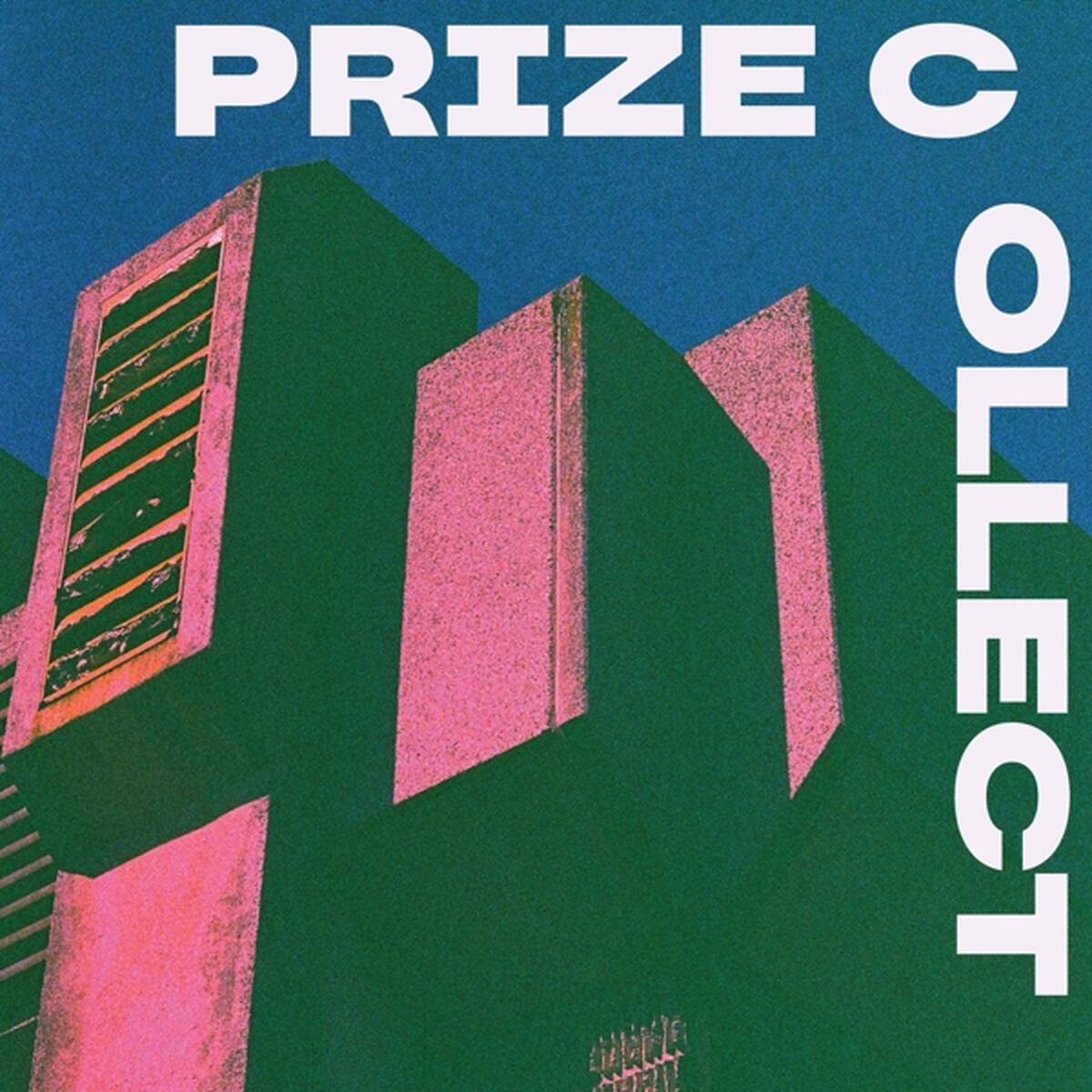
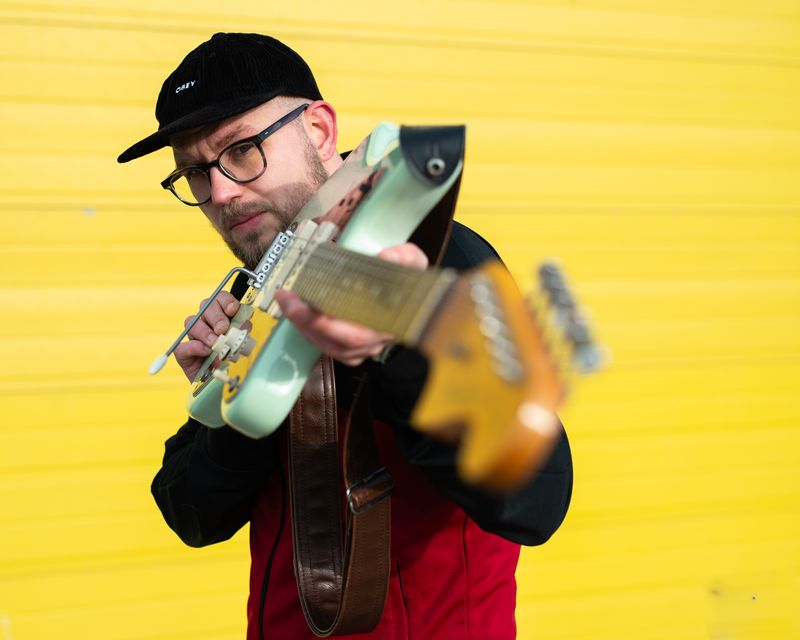
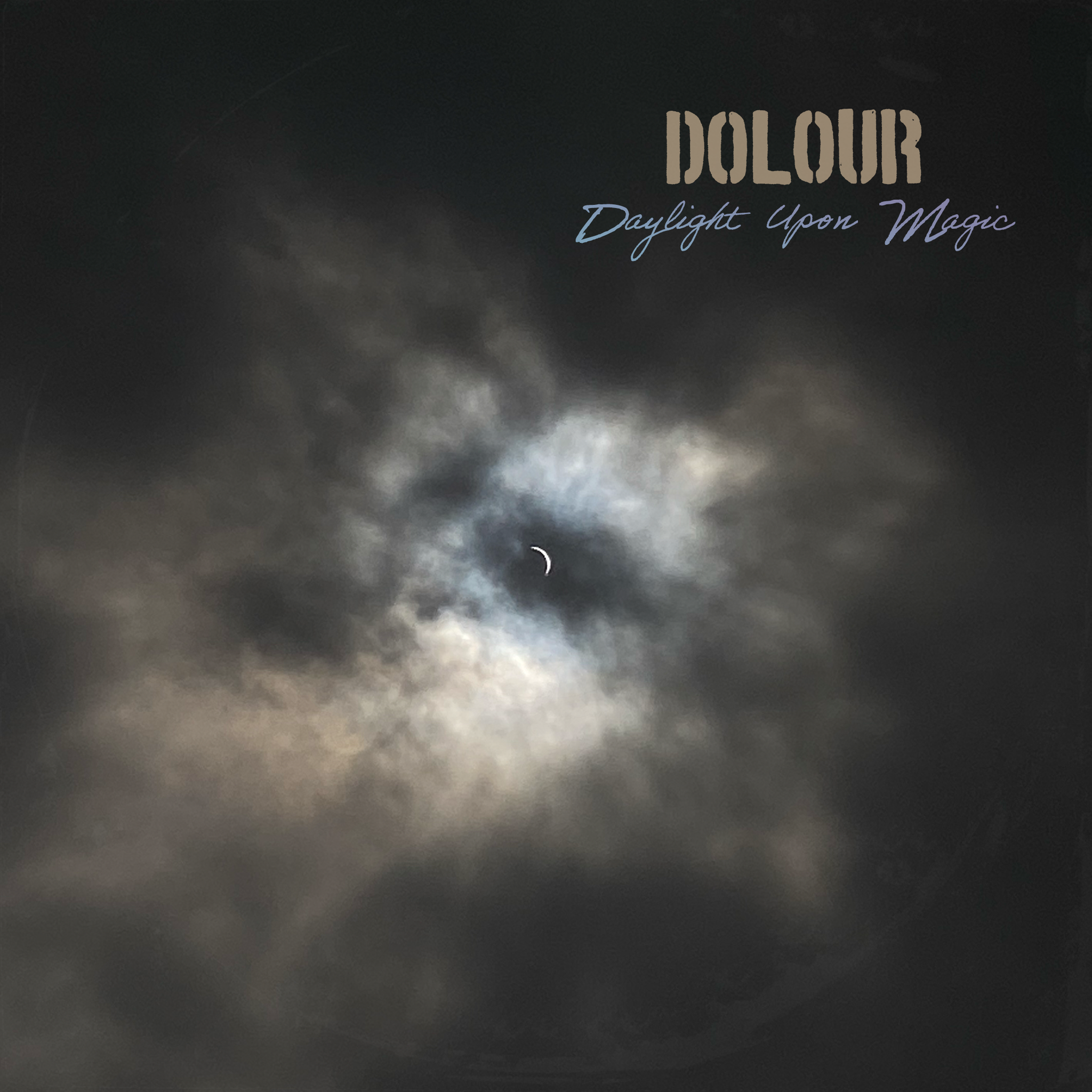
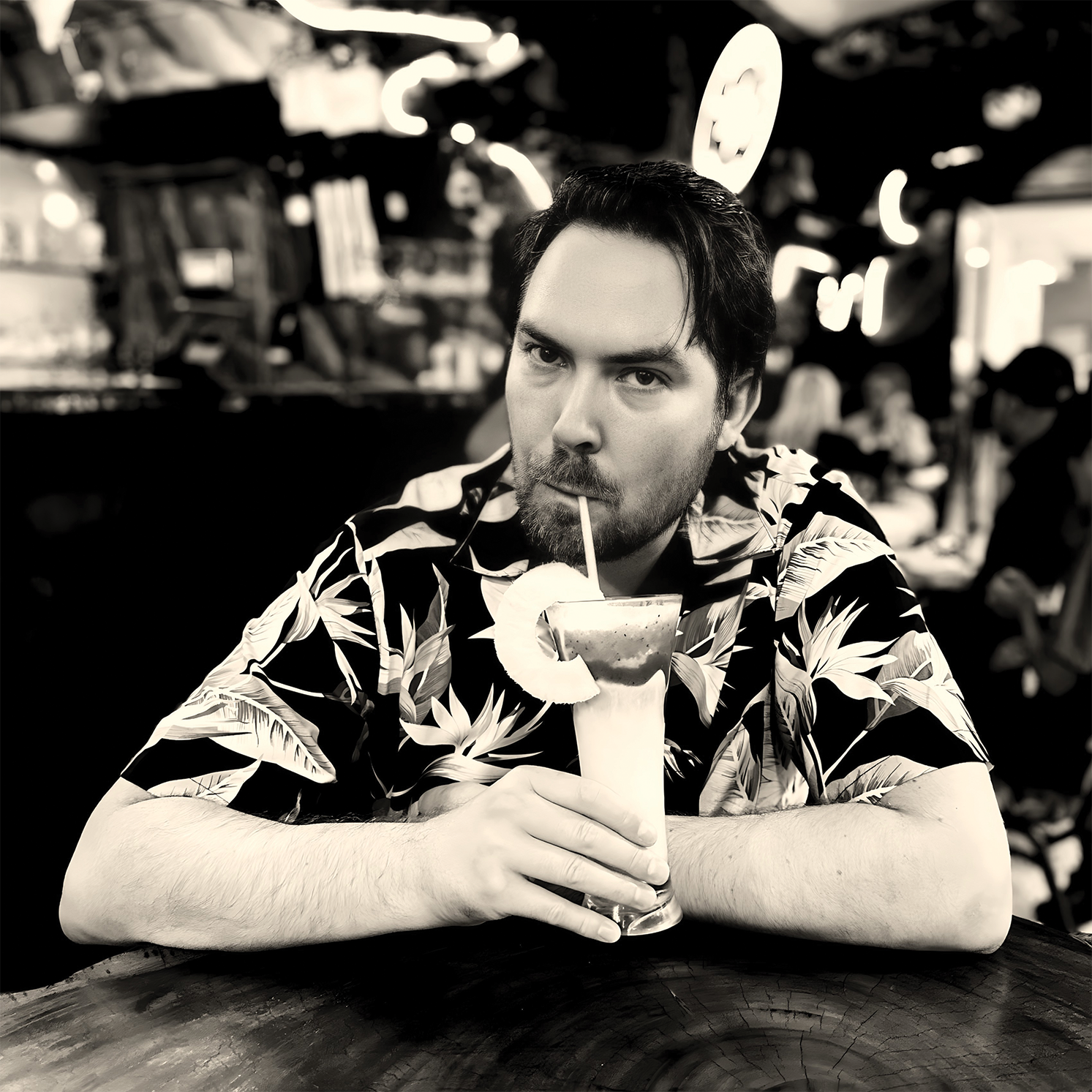


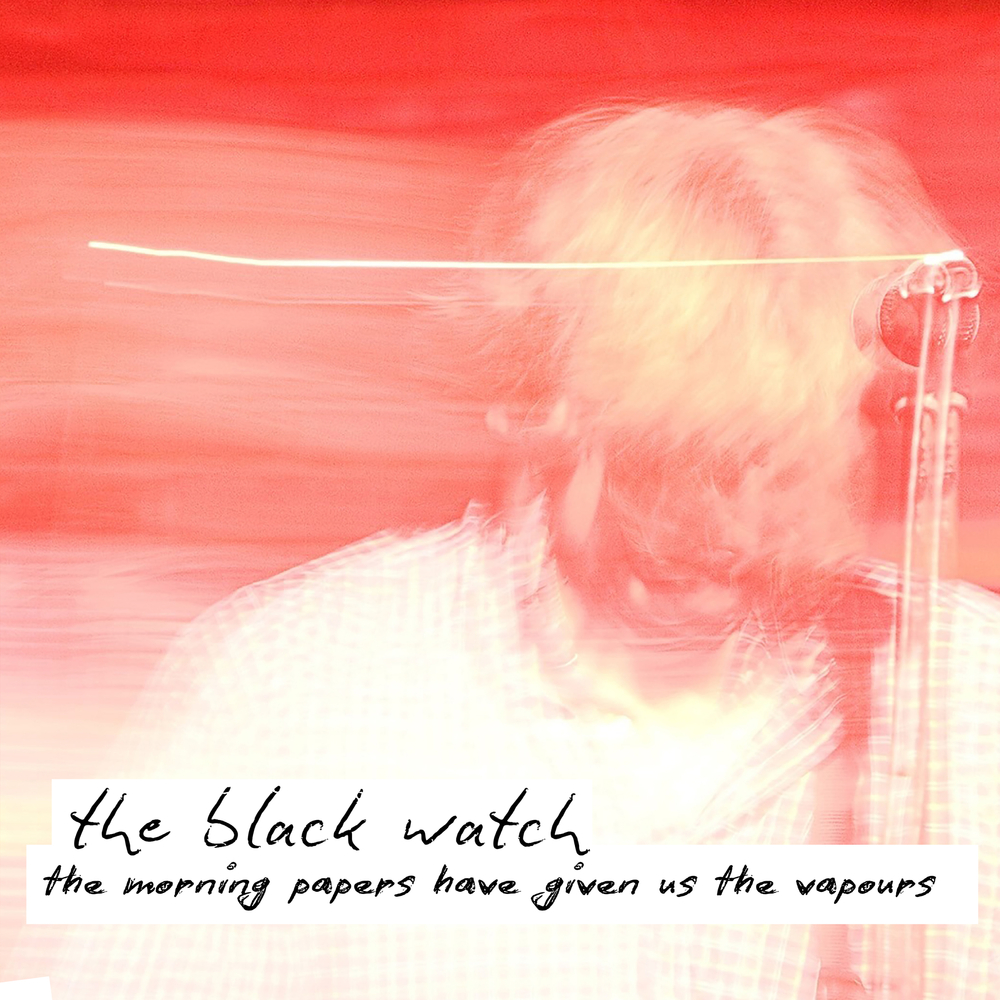
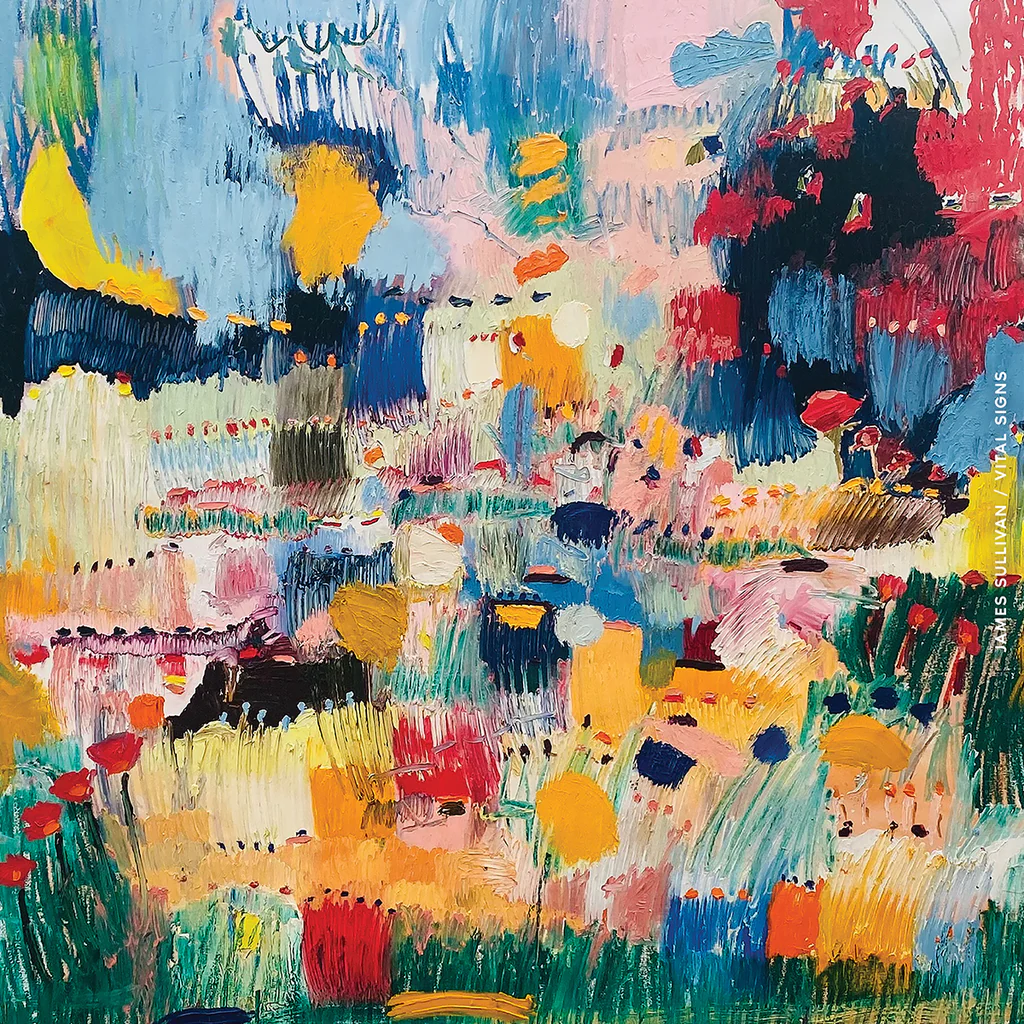
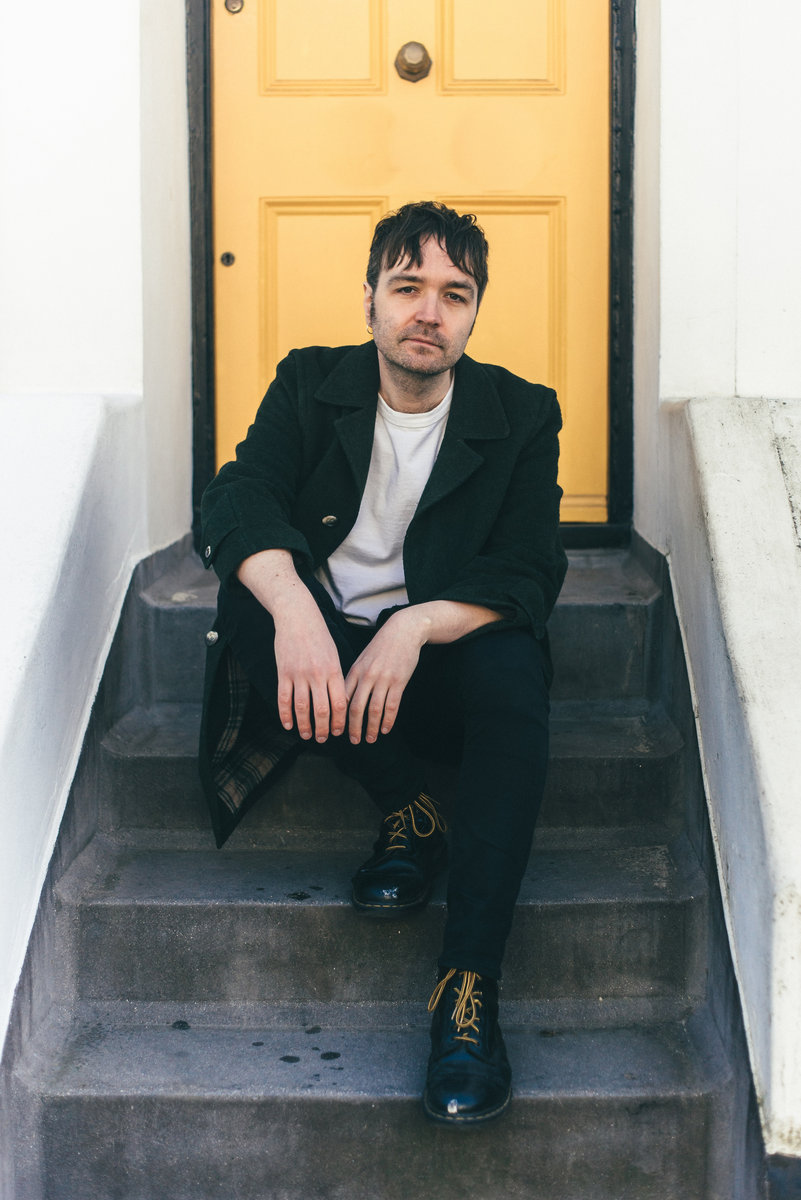
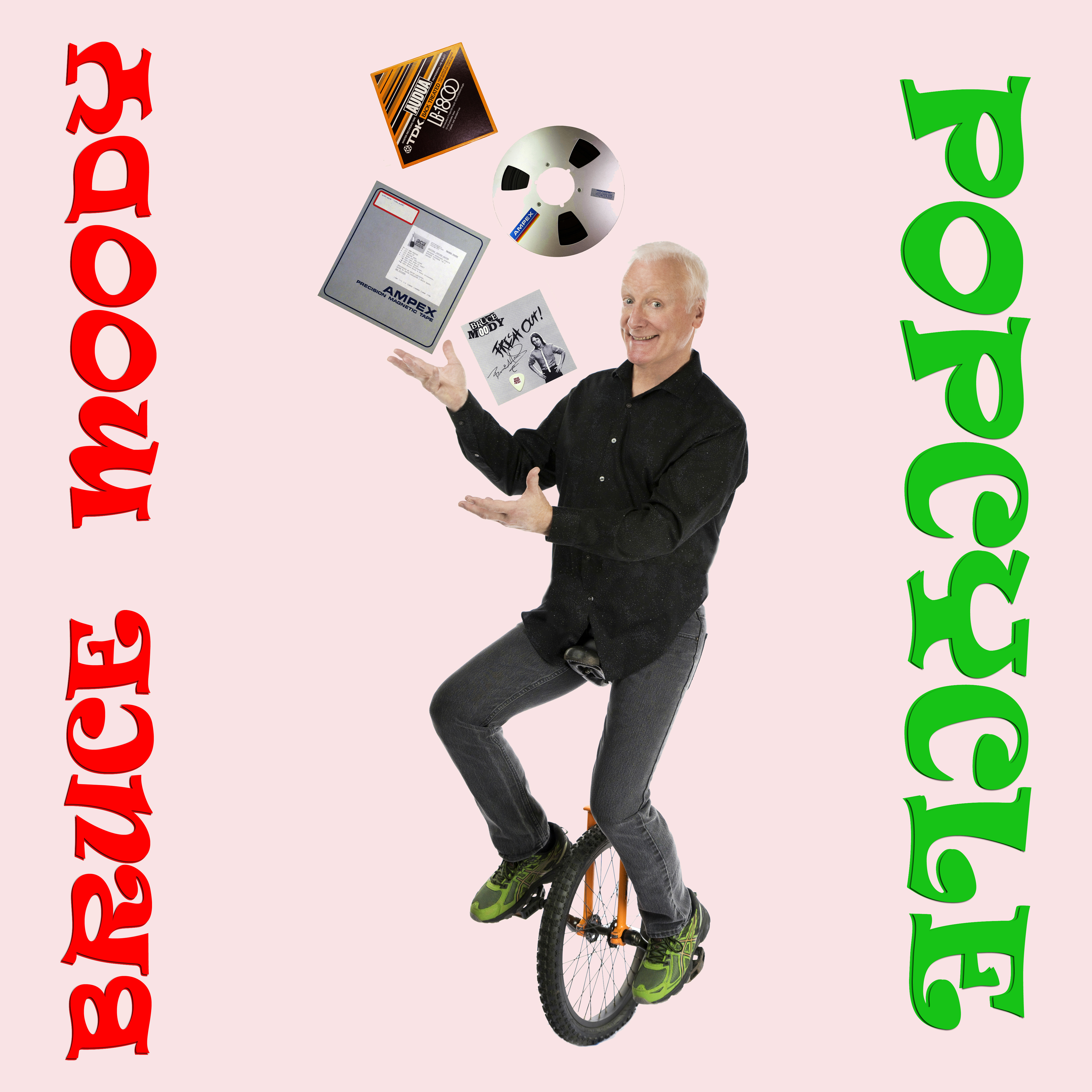
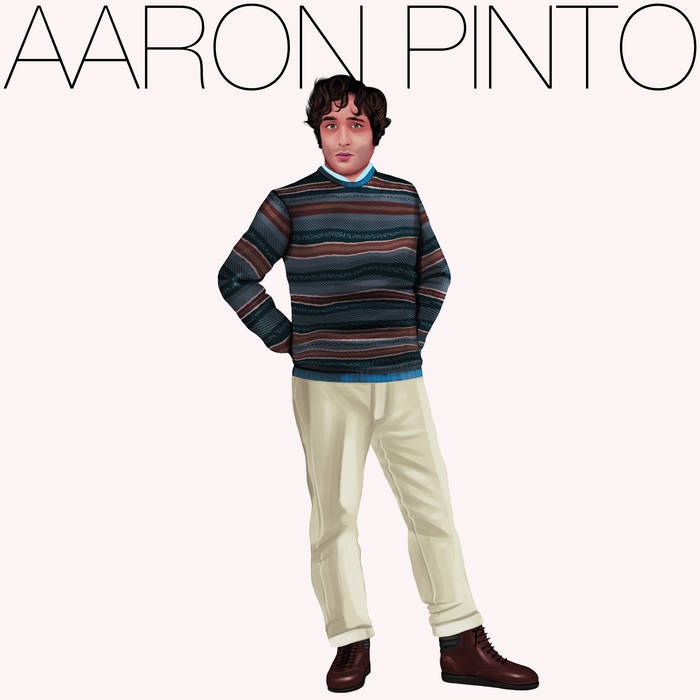


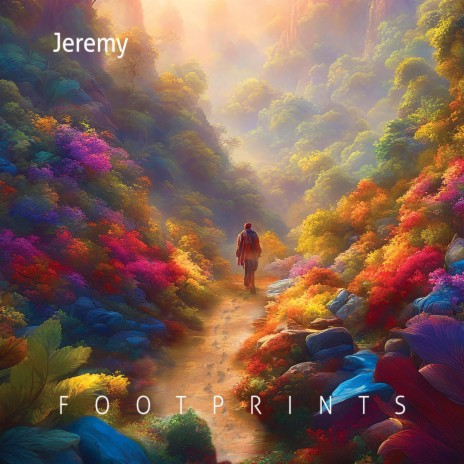
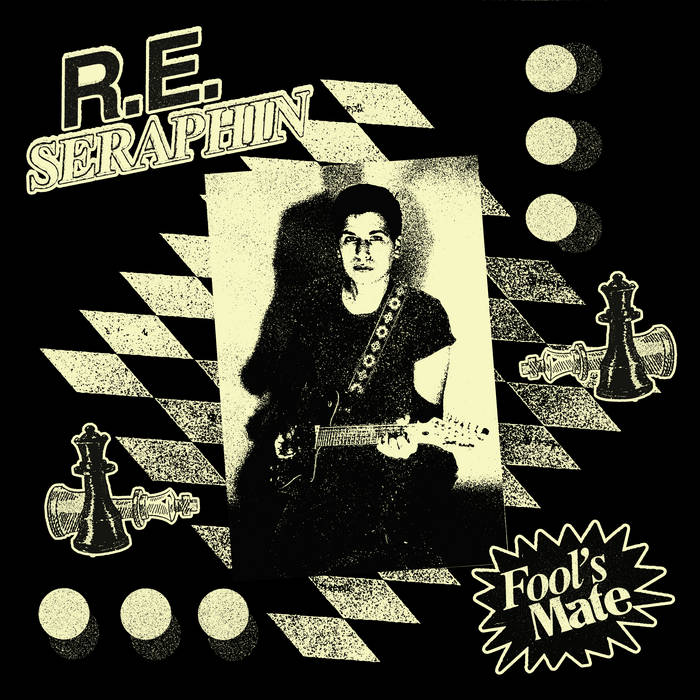

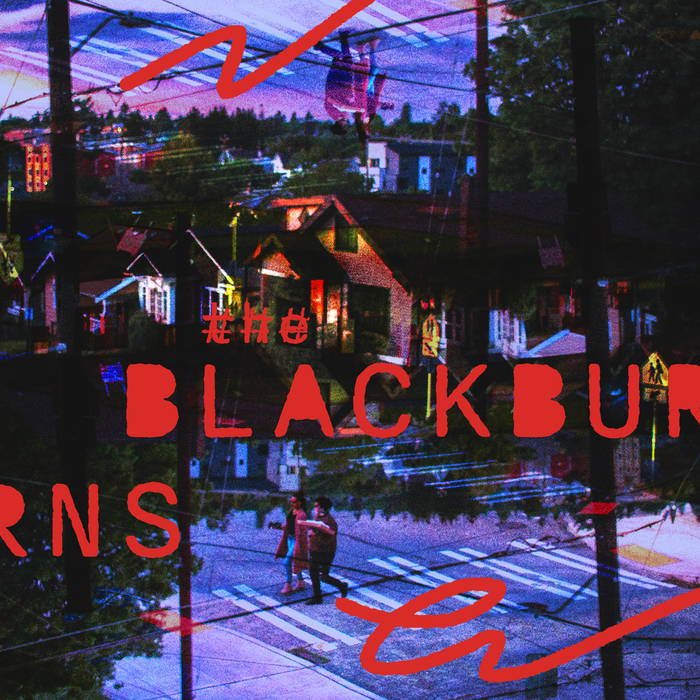
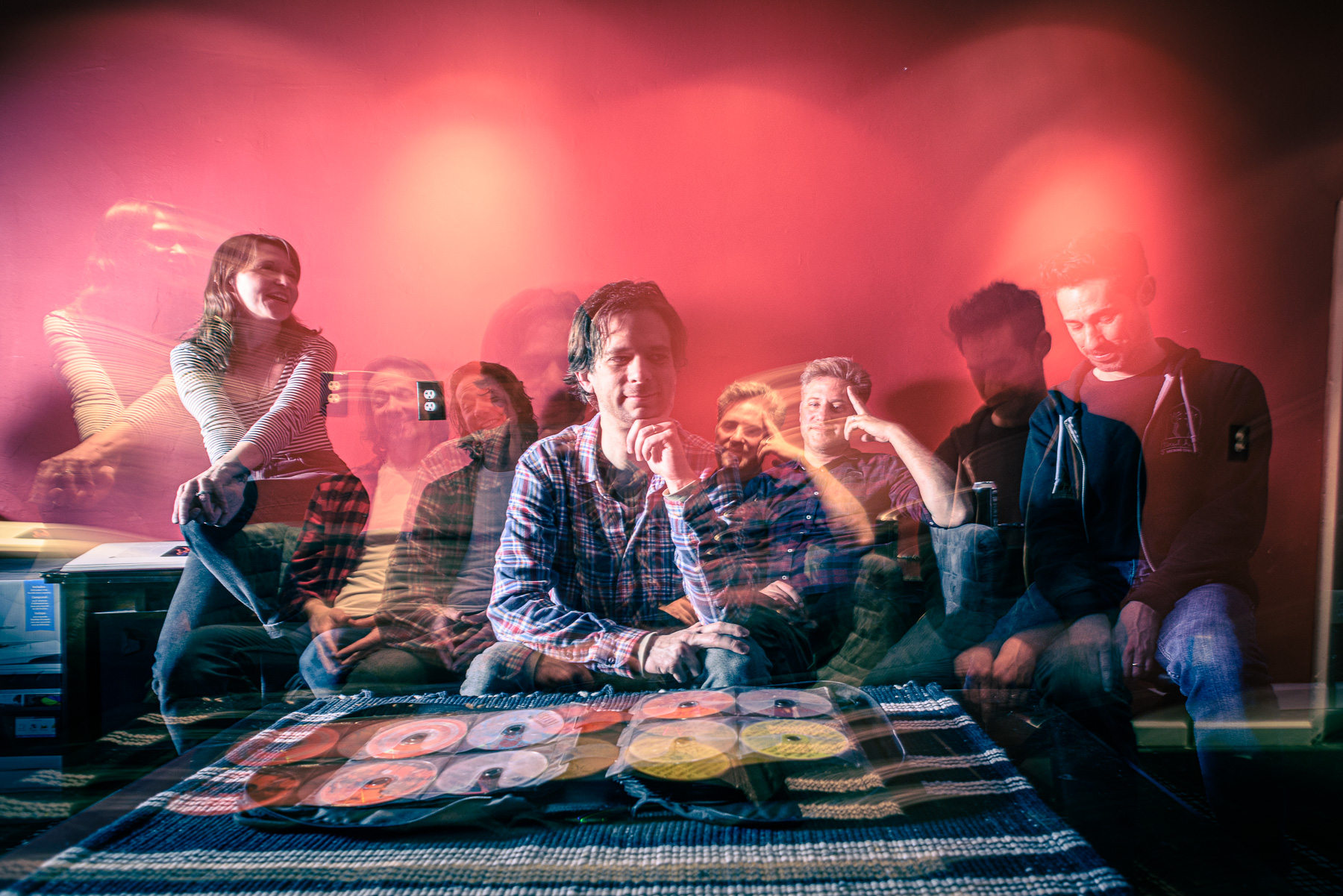
 Sweet Sweet Music Blog