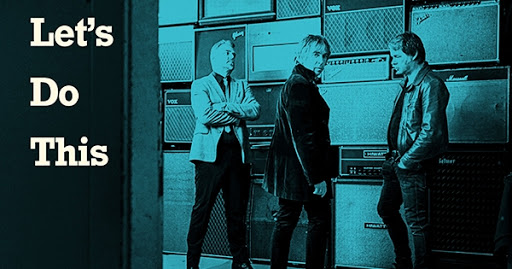
The Beatophonics – Let’s Do This
beato


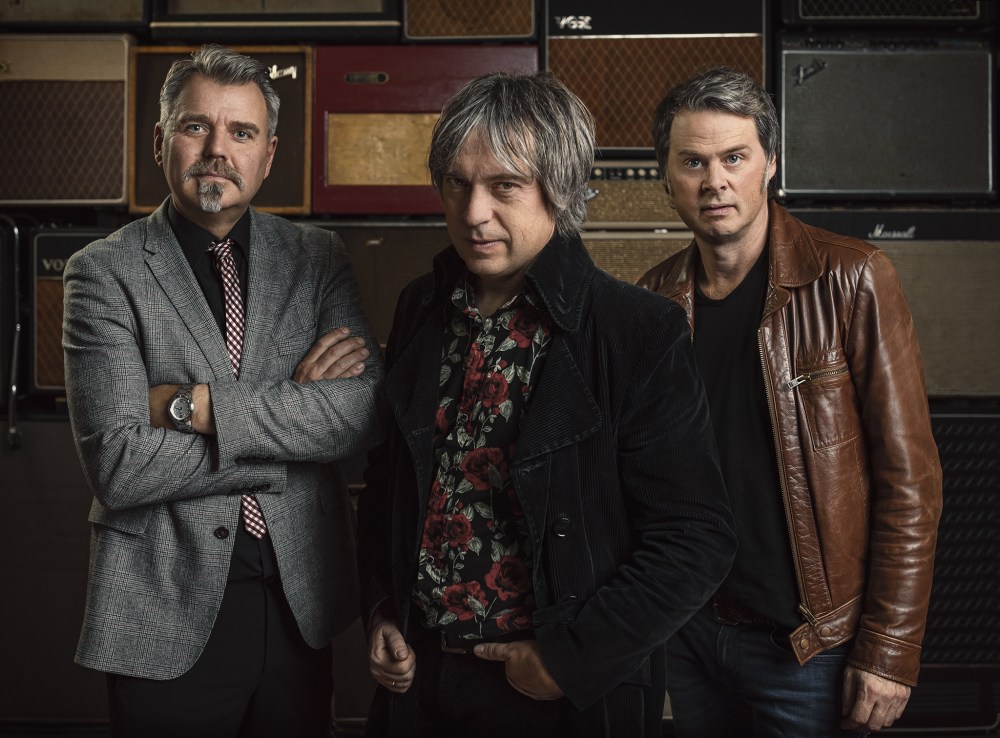
Known for their unique musical interaction and unofficial titleholders as “Denmark’s best beat group”, The Beatophonics returns in 2020 with a new album, on which the band explores new paths. The album title ”Let’s Do This” refers to the process and the active choices the band has been through while writing the new music.

The dogma of the pure beat style is gone, and the band’s members have exposed their ideas to each other in search of the good, timeless song. The anchoring of the 60s aesthetics is still present, but the band has also opened a window to the sounds and moods of the last 40 years of rock and pop – and you can find references to everything from Elvis Costello, ELO, powerpop in general and even to The Zombies unique sense of harmonies.


SweetSweetMusicblog spoke to Rasmus Schrøder (vocal, bass) and Søren Koch (vocal, guitar) about the new record.


What was the moment you knew you were on to something?


Rasmus: When we released our debut album in 2015 it was pretty much a side project for us all and we didn’t expect too much to happen. But the music was neatly received, and we got to play a whole bunch of concerts and received a great amount of airplay on Danish national radio. And so now we are just pursuing the idea that there is something more out there for us to achieve. The three of us are basically musicians who love to play concerts and meet the kind people who are interested in what we do.


Soren: Certainly, when the first album released, that was the turning point. But actually, already from our very first gig, we knew we were on to something. We were all members of the Danish Beatles tribute band Beat The Meetles, who were asked to recreate the 1964, 20 minutes Beatles Copenhagen show. We felt that we needed to give the audience a little more than just 20 minutes and so the three of us decided to form this fictional band, The Beatophonics, to recreate the vibe of the supporting bands at the original show. We found it such a relief to be able to play this kind of music without having to sound exactly like the original record, but instead, just arrange and play the songs with the knowledge of that era playing style that we had accumulated as The Beatles tribute band.


How did this record come together?


Rasmus: We’re very confident that making a new album that sounded like the first one wasn’t an option. We’d been working with a dogma about being frozen down for 50 years, then being defrosted and made the album that we were supposed to make in 1965. That dogma pretty much gave us the answer to all our questions and when in artistic doubt we would just ask ourselves – what would we have done in 1965?  So, with the new album we had to re-invent ourselves and stay confident that leaving the dogma would be ok for us. So, we gathered the material, arranged and recorded it as our instincts told us.


Soren: Still we are huge fans of that very immediate way of writing songs, the sounds, and the playing style of the sixties beat groups and that still shines thru, but again it felt like something of a relief to let the dogma go.


Rasmus: We started working on the recordings in February 2019 and as Soren was touring heavily with The Zombies that same year, we had to do a great deal of dubbing without being in the same studio. I did a lot of keyboard and vocal parts in my studio and we somehow managed to deliver the final master to our record company and distributor by November 1.


Soren: Not having the dogma to lean upon, every door was now open, and I guess you can say that we walked through quite a few doors before we found what satisfied us. That certainly took some time.
 

Beatophonics_Thinkalike_edit01_web


When did you decide to start asking for opinions on the new songs?


Rasmus: Early on in the process, we were very pretty sure about the four main singles so we started discussing it with people that we relied on actually as soon as May 2019. And good people like David Myhr and even Rod Argent and Colin Blunstone of The Zombies gave us some good advice as well.


Soren: Yeah, we were never really in doubt about which songs were going to be singles, but more the order of those.


As an artist, you chose to show your emotions to the world. Is it always comfortable to do so?


Rasmus: As we debuted the song “Little Girl” on the opening concert of the “Let’s Do This” tour, I must admit that I was struck by a sudden perception of the change in our repertoire. The songs on the first album were pretty much all up-tempo songs and our live shows were also very fast – and loud. “Little Girl” is as quiet and naked as nothing we had ever played live together, so during that first live performance a lot of thoughts ran through my head – very fast…


Soren: Haha, yeah, I remember that. I guess I was more like “I don’t give a damn about what people are expecting”. As Elvis Costello said in a post recently: “You as the listener might think you know better what I should be singing, but I have to tell you that I know better what I should be singing”. We love our audience and we love them to like what we are doing, but if we are not comfortable with what we are doing, no one will be. I’m sure that pleasing ourselves first and foremost, will make it easier for us to please our audience.


Any ideas about how to turn this one into a million-seller?


Rasmus: The three of us in the band have been part of the music business for like 30 years so we are very realistic about the options for us. But we are also very keen on adding some new territory to our domain and are now planning for shows in Spain, Sweden, and Denmark. But with the current COVID-19 situation we will have to wait and see where it will bring us.


Soren: There is a tradition in the Danish music industry of focusing primarily on your backyard or at least not to see the world as your stage until you have played every inch of that backyard, which is a funny approach as the country is so small. It might be age or maybe touring the US, Europe, and Scandinavia as a member of The Zombies – or maybe a combination, that is convincing me that it would be stupid not to take a look at what is outside that backyard.


You can pick 3 co-writers to write new songs with. Who? … and Why?


Soren: Generally speaking, I’m actually not the biggest fan of co-writing. Anyway, not in the sense of going away to some kind of retreat, meeting up with strangers in some kind of songwriting camp, being sat in a room with two acoustic guitars and try to come up with something from scratch. I just don’t believe in that approach. The songwriting teams I adore, like Lennon/McCartney or Difford/Tilbrook, I’m pretty sure they go to the other guy with something, saying “I have this idea for a verse and the chorus, but I’m kinda blocked regarding the middle eight. Does it say anything to you?” I do believe in that way of co-writing. I could easily come up with a list of songwriters that I deeply admire. McCartney, Neil Finn, Difford/Tilbrook, Costello, Aimee Mann, the list is long, But the idea of writing with people like that? Ha! I just guess I’m too much of a fan. To me, it’s a question of knowing the person and being comfortable in that situation to achieve something from it.


What’s the gig you will always remember? And why?


Rasmus: When we released our debut 7” single “Poison Ivy” on Danish national TV in 2013 it kickstarted our ventures for the coming years. But as we didn’t know the contents of the program, we didn’t know there was a chart involved. I remember looking into the eyes of Soren and Flemming as we were presented by the TV host, just getting ready to perform, and the look in their eyes we’re hilarious. We definitely should’ve prepared a little more thorough – but to our big surprise, the song climbed to no. 1 on the chart the following week.


Soren: That certainly was an awkward moment (laughs).


When was the last time you thought ‘I just wrote a hit!’?


Soren: It has happened a few times that I’ve written a song in almost the time it takes to sing it. Maybe apart from the lyrics that always needs some more time. Like when the whole melody with chords and everything just comes to you as a complete thing. And it’s always those 2 minutes, 30 second kind of melodic Power Pop tunes that appears in that situation. With this band it happened with “Could You, Would You” from the first album. The closest I come to that feeling with the recent album is “I Can Do With Anybody Else”. A thing that I have become fascinated with is writing without an instrument. Just writing and working things out inside my head, not trying it out until the song is finished. I did that with the opening track of the new album “Keeps Coming Back To Me”. That is all written in my head, without ever touching a guitar or a keyboard until I was sure what was gonna happen regarding melody, harmonies, chords, modulation, and so on. Talking about easy co-writing on the recent album, I think Rasmus and I certainly did get that right with “What Became Of You”. Rasmus came along with most of the verses. I just grabbed it from there and threw the middle-eight in, in the time it took to sing it. Very simple, very impulsive, very easy-going. Kind of the way I always imagine John and Paul or say, the early Hollies, wrote those fantastic songs on tour busses or in between shows in hotel rooms. They sound like it was just so easy to do that.


Is recording a record easier than getting it heard nowadays?


Soren: It is very tempting to just come up with the answer of “Yes” to that question.


Which 5 records would you bring with you for your stay on Mars?


Rasmus:

Electric Light Orchestra – Out Of The Blue

Jellyfish – Spilt Milk

George Dalaras – Latin

Weezer – Make Believe

Elvis Costello and Burt Bacharach – Painted From Memory


Soren:

The Beatles – A Hard Day’s Night

The Zombies – Odyssey And Oracle

Squeeze – East Side Story

Elvis Costello: Brutal Youth

Aimee Mann: I’m With Stupid


Recording music. What’s all the fun about?


Soren: To put I short: Not knowing what’s around the next corner


Playing music in front of a crowd. What’s all the fun about?


Soren: To put it even shorter: The beauty of communication.


You can’t control the way people ‘hear’ your music. But if you could make them aware of certain aspects, you think, set your songs apart. What would they be?


Soren: If people get touched emotionally by our music, that would make me proud. That’s what I enjoy the most myself when listening to other people’s music. When our songs are best, they are effective, short pop tunes with a melodic sense, but also at best, with a little edge or quirkiness to them. But again, that’s just my assumption of what we are. It might be completely different from someone else and quite rightly so.


Vinyl is back, Spotify is ruling, tickets for concerts are becoming more and more expensive, everybody can record songs, social media is the marketing tool, Coldplay stops touring … how will the music industry look like in 5 years?


Soren: Honestly, I have no idea. And if I knew, I would probably stop doing this right away. But as long as it makes sense for us doing it, as long as it does something emotional to us and our audience, I feel we should continue doing it. If it becomes like a boring day-job, then forget about it.

ANSWERING MACHINE – BAD LUCK

answering2


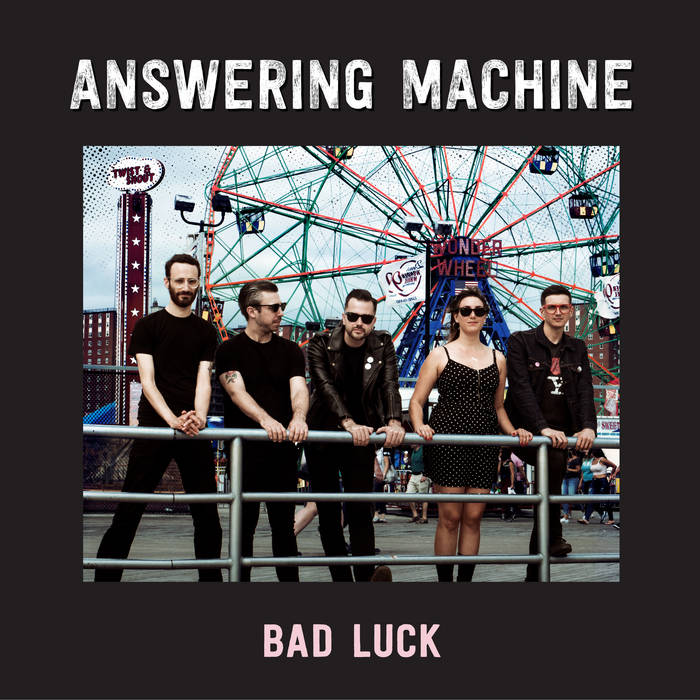
Mixed Frequencies writes: You can hear how in step with one another the members of Answering Machine are. Their music is rock with more classic influence than punk. Each instrument line is tight, every hook is in its right place. There’s not much experimentation or spontaneity on Bad Luck — instead, they’re traded for impeccability. 


SweetSweetMusicblog spoke to J.D. Fetcho about the new album that is bursting with catchy uptempo Power Pop / fresh punk. Contagious, tight and incredibly addictive.


Recording music. What’s all the fun about?

Recording is probably my favorite part of being in a band. Finding the best guitar sounds and building up the songs from nothing is a great feeling. It’s when we can hear all the ideas we had come together and create something as a band.


answeringmachine


Which 5 records would you bring with you for your stay on Mars?

Well, first I would bring David Bowie’s Life On Mars 7 inch for educational purposes. Then I would have to make the most of the other four so I would go with some double LP’s. Exile On Main Street (The Rolling Stones), Wu-Tang Forever (The Wu Tang Clan), London Calling (The Clash), The River (Bruce Springsteen). That should make it last.


You can pick 3 co-writers to write new songs with. Who? … and Why?

I’m going to add “alive or dead” to this question if that’s alright…

First I would want to write with Dee Dee Ramone because he’s my favorite songwriter of all time. He wrote many of my favorite Ramones songs and shaped the way I listen to music from a young age.

Next, I would like to write with Joan Jett. She is objectively one of the coolest people of all time and I would just be honored to sit in the same room with her. She’s written consistently great songs since the ’70s and still continues to put out amazing albums.

Finally, I would have to choose Tom Petty. He’s the reason I picked up a guitar in the first place. I put in this VHS tape of him and The Heartbreakers as a kid and just sit in front of the TV trying to play along. He’s another person who wrote amazing music for decades. His songs are timeless.

How did this record come together?

“Bad Luck” is our first full-length album. We’ve been playing together for a few years getting down our sound. We put out a couple EP’s and there are definitely some moments that stand out on those but this is the first time I feel really confident in our music. The songwriting came quickly on these between Sam and me. Craig (bassist) has a song on the album as well. We just rehearsed hard for a while and we were super prepared in the studio. We knocked everything out in a few days and it was mixed shortly after that. It was engineered and mixed by John Mollusk right here in New York. We were also super lucky to sign with Wiretap Records for this release.

What was the moment you knew you were on to something?

I think the moment I knew we were on to something was when I heard the song “Bad Luck” that Sam wrote. The style was so similar to the songs I was working on. We didn’t discuss influences or anything prior to that. I knew we were going to have something cohesive that really felt like a complete record.


Get the album on vinyl over at Wiretap Records!


released April 17, 2020

Engineered and mixed by John Mollusk. Mastered by Jesse Cannon.

Samantha Campanile: Vocals
J.D. Fetcho: Guitar/Vocals
Jackson Connor: Guitar
Louis Rabeno: Drums
Craig Shay: Bass

Cover Photo: Ada Jane McNulty

DOLPH CHANEY – Rebuilding Permit

As with his acknowledged influence (and fellow Dayton Ohio native) Robert Pollard, much of Dolph‘s work is like collage. Just as the the album’s cover drops an ersatz REBUILDING PERMIT sign in front of his Chicago-area Studio Dolphty home base, a Dolph Chaney song is likely to gaffer-tape seemingly unrelated elements. An ’80s-ish college-rock fingerpicking pattern might jump off a shoegaze bridge. A chattering sample-and-hold Moog drone may be just as likely to whirr and bloop along with a sensitive ballad as it would with a screeching careen of runaway guitars. The lyrics are similarly intuitive and surprising, with waves of wordplay riding the edge of taking over the proceedings – when an emotional sucker-punch may be right around the corner.


DC


Mike Deangelis wrote: Dolph doesn’t paint a picture of pain as the absence of joy, or joy as the absence of pain. “There’s just life,” and he approaches it all, unflinchingly, with humor, warmth, and the deep wisdom of a man who absolutely knows that a good road is hard to find.

Might be true, might not be true but reading a (great) line like that about yourself must be ‘strange’? Or not?


I was deeply moved by Mike’s review. He’s taken a long view of my work (having played a couple of my older tracks on his wonderful There Once Was A Note show), and so he’s partially pointing out a difference between this album and prior ones. I really tried this time not to take shortcuts, not to dodge a difficult thought by making a joke instead of writing the real feeling. All my favorite writers use humor, but the very best ones do so as a balanced ingredient instead of the whole dish. I certainly don’t claim to have any “deep wisdom,” but that’s what I tried to do in these songs, and for Mike to say I succeeded means a lot.


dc2


What was the moment you knew you were on to something?


Between my prior album SHENANIGANS (2013) and REBUILDING PERMIT, there was a long period where songs just weren’t coming. I wrote “If I Write I Down” in 2014, and I used it as a mantra when ideas were very slow to make it to paper. I had parts of 4 other songs by the 2016 election, and then of course “The President Of The United States Is The Breitbart Bimbo” was very easy to write. It was the song “Broken” where I really solidified the approach of wanting to communicate very closely with the audience — what would I want a record to say to me in tough times? But the real turning point was letting go of doing it all myself after 20 years of pure solo work. Once I decided to turn to help from my talented friends (primarily mix engineer Milk Arnold, who I’ve known for 30 years, and my co-worker Jim LeFager on drums) instead of forcing myself to do things I’m less skilled at, the songs blossomed. Recording “It’s OK” and “The Biscuit (Who Grabbed My Face)” made it clear to me we were about to make my best album.


All songs are just a little bit different. There is much more diversity in styles than on most other pop albums. Was that diversity an end in itself?


I never plan this, but just about every album of mine has this diversity. In part, it came from years of solo acoustic work; as one voice and one guitar, it’s particularly important to prevent monotony. Plus, I like a wide range of music — including styles I can’t play! I don’t so much have a genre as I do a point of view.


Dolph, the standard of the songs is so high. Doesn’t that become frightening at some point during the writing process?


I definitely get intimidated and self-critical as I write — not because I think my work is at a high standard, precisely the opposite. I throw away a lot of ideas as not strong enough, and I put others aside for long periods until I find the bits I like and rework them. Some periods of writing are freer than others, and it’s fun when I can be less analytical — but I always want to write something I will still like after playing it over and over for years.


You are part of the Big Stir family now. That is about the warmest family there is. How do you feel about your ‘membership’?


To be part of Big Stir is one of the great joys of my life. They are my first label, after self-releasing music for 32 years, and everything they radiate to the outside is exactly how they treat their artists and community. Introduced thanks to our shared admiration of Robyn Hitchcock, Rex Broome has been a dear friend for 20 years, during which we’ve traded work-in-progress, shared laughs, and helped each other through heartbreak and tough times. As Big Stir became the wonderful label it is now, when I felt this group of songs turning into my strongest work, they were the first on my mind to approach and the only label I talked to. Christina Bulbenko is a visionary and an engine of positive work, and together their teamwork and true love for this music (regardless of whether it stays in a set formula) make Big Stir a delight to call home.


Let’s Go! Benjamin Orr and The Cars

letsgo_orig

Joe Milliken wrote a book about Benjamin Orr.

Benjamin Orr was the co-founder, co-lead singer, and bassist for the platinum-selling rock band The Cars. Often considered the band’s heartthrob, Orr possessed an incredible voice, diverse musical talent, and rare stage presence, all balanced by an enigmatic personality and a relentless determination to reach rock stardom. 


Sweet Sweet Music spoke to Joe about the book.


What was the moment when you were sure that you had a special topic with Benjamin Orr?

A Ben/Cars’ fan had approached me, out of the blue, suggesting that I write a book specifically about Ben. I was hesitant at first, wondering why I wouldn’t choose to write a book about the band as a whole, or perhaps the front-man and songwriter, Ric Ocasek.

But when I started investigating Ben, I started discovering all these cool things about his early life growing up in Cleveland – home of the Rock & Roll Hall of Fame. I learned that he was a musician from an early age, quit school as a high school sophomore to pursue his music career and was a “teen star” in Cleveland, with his early band the Grasshoppers appearing on a syndicated TV music show called “Upbeat.” All of this happening over a decade before he would become famous in The Cars! It was then, that I knew I had to tell his life story to the world.


Can you tell us something about how the book came about? What was your approach?


I started by researching and learning as much as I could about Ben through the internet and music magazines and created a draft, or long essay if you will. From there, I just started adding to the essay by searching out and interviewing as many people as I could who knew Ben, so they could tell his story. I ended up interviewing over 120 people who knew Ben, throughout his entire life.


You have interviewed many people. Why do you think people like to talk about Benjamin?


Ben was a special and unique guy. He was not only an incredibly talented, all-around musician and amazing vocalist, but he was a very kind, loyal and generous man who had an aura about him. If you were Ben’s friend, you were his friend for life and he would do anything for you!


Did you have a preconceived plan about how the structure of the book should be?


Because Ben had passed away (October 2000) several years before I started the book project, obviously I could not interview him myself. That’s when I decided to find as many people who knew him as possible, so they could help tell his story. I’ve been told that the book almost reads like a documentary. I sort of narrate, while all these people who knew Ben offer their insights and experiences with him.


When I think of Benjamin Orr and The Cars, there are two moments that I always remember: the first time I heard the song Heartbeat City on the radio and the time, during Live Aid, that Drive was used as a soundtrack under the heart-rending images from Africa. Both times I have been crying loudly, moved to tears by the music. What is your special connection with the music of The Cars / Benjamin Orr?


That’s a tough one. But I can tell you that The Cars were one of the first bands I ever loved when I first started getting into rock music in 7th grade. Therefore, it is amazing to me that all these years later, I have written a book about the co-founder of the band. Sometimes I still have to pinch myself!

Even though I never got to meet Ben, I somehow still feel like I knew him, because of all these interviews I’ve done with people who were close to him. As for the music, The Cars are one of those unique-sounding bands that you just can’t pigeon-hole. They’ve been called classic rock, new wave, pop… but I think they combine all these elements to create a sound and vibe that is all their own. When you hear The Cars on the radio, you know it’s them!

One of my fondest memories is going to Cleveland in 2018 to see The Cars get inducted into the Rock & Roll Hall of Fame… in Ben’s hometown! My book Public Relations Coordinator, Donna, surprised me with the tickets and it was something I will never forget.


For more information or to purchase the book, please visit www.benorrbook.com.


​Joe Milliken has been a music journalist, editor and
​website publisher for 20 years. In 2014, he launched Standing Room Only  (http://www.standing-room-only.info/), a website dedicated to promoting music, the arts and specialty food on both a local (Boston, New England) and national level. Originally from Boston, he now resides in southern Vermont with his wife, Kelly, and his children, Nate and Erin.

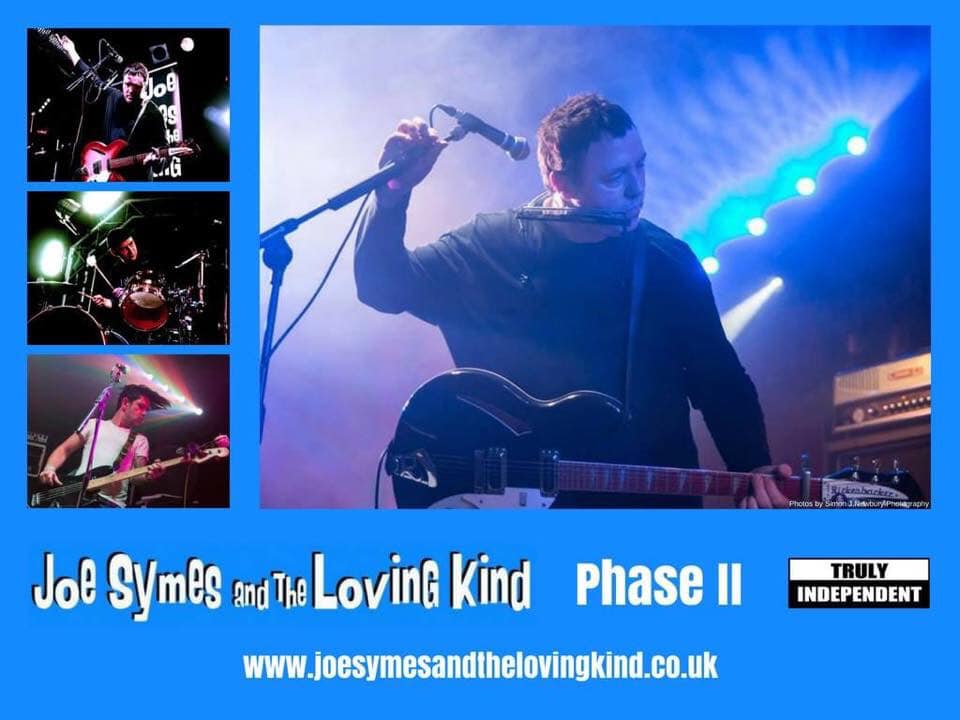
Joe Symes and the Loving Kind – Phase II(Q&A)

js4

Like four other musicians who also called this major northwest city their home, they take great pride in the fact they churn out songs that are not only catchy, memorable, and instantly appealing, but cater to a wide range of people from all walks of life.


What was the moment you knew you were on to something? 


JS&TLK – It was moment me (Joe Symes – Vocals/Guitar/Harmonica), and Colin (Colin White – Drums/Percussion/Backing Vocals) started working together. The chemistry was there, it worked, and all came together instantly. We then met Andy (Andy Cleary – Bass/Backing Vocals) through an ad we put up and haven’t looked back since.


How did this record come together? 


JS&TLK – Well, the first album was what you might call a resume of what the band can do; how versatile we can be. There was a mixture of rock, psychedelia, easy listening, jazz, dah dah, and country on that. It was like a mini White Album.

The second is a reflection of where the band is currently. Playing heavy, catchy rock/pop songs, and the ten we felt strongly about at the time of recording became the album . It was a very smooth process, but we did do a lot of traveling to make it, as it was recorded at Peter Gabriel’s Solid State Logic Studios in Oxfordshire, The Motor Museum in Liverpool, Abbey Road in London, then finally mixed and mastered at Parr Street Studios in Liverpool. A lot of traveling, but worth it, plus we had some songs leftover, which will be the basis of a four-track E.P that will be out later this year.


When did you decide to start asking for opinions on the new songs? 


JS&TLK – We’ve always been like that from the beginning. We believe strongly in what we do, and are not at all afraid of putting our music out there for everyone to hear.


As an artist, you choose to show your emotions to the world. Is it always comfortable to do so? 


JS&TLK – We’re all confident people, and again, believe 100% in what we do collectively and individually. When we play that’s us expressing ourselves, and showing who we are. We’re not in the least bit ashamed of that, and in all honesty, we’re very proud of that.


Any ideas about how to turn this one into a million-seller? 


JS&TLK – Ha! Ha! I guess it’s a case of getting it out there to as many people as possible, and for those people to spread the word, then they can pass it on, and so on, and so on.


JS


You can pick 3 co-writers to write new songs with. Who? …and why?


JS&TLK – I don’t think we’d want to co-write anything with anyone else. The balance we have right now is just right, and to add others would tip that balance. “Too many cooks spoil the broth,” as the old saying goes. Plus, if – and this is a big if – if we were to have any guest co-writers, I think the ones we’d choose have unfortunately passed on.


What’s the gig you will always remember? And why? 


JS&TLK – Ah, tough one. I don’t think we could name just one gig.

The two after-show parties we did for Noel Gallagher’s High Flying Birds on the main stage of the 02 Academy 1 in Liverpool are up there, supporting The Christians at the Theatre Severn in Shrewsbury, headlining the Brecon Theatre in Wales, supporting Republica on the main stage of the Liverpool Rock ‘n’ Roll Marathon, all the gigs we did at the Box in Crewe, headlining the Folk on the Dock Festival in Liverpool, Scala in London, supporting Dodgy at the Frodsham Festival, our unofficial album launch at the Arts Club, Liverpool, so many to name.


When was the last time you thought, ‘I just wrote a hit?’ 


JS&TLK – Ha! Ha! Probably earlier this week.


Is recording a record easier than getting it heard nowadays? 


JS&TLK – Interesting question. I think with the internet there are a lot more avenues to take than 20….30 years ago. The net made the world a much smaller place, and if you have music you want to get out there, you can contact companies, radio stations, magazines, reviewers within the click of a button. Also because the industry is very different these days, it’s much easier to distribute yourself now, which is what we do.


Which 5 records would you bring with you for your stay on Mars? 


JS&TLK – Another interesting one. That would be very difficult. Any Beatles album, any Doors album, Any Dionne Warwick album that Burt Bacharach/Hal David was involved with, a Motown compilation, and I think Colin would bring an album by Art Blakey. Ha! Ha!


Recording music. What’s all the fun about? 


JS&TLK – It gives you the chance to put down the songs you’ve written the way they should sound, and for others to hear it and enjoy it. There’s nothing better than seeing people love what you’ve created. That’s the biggest payoff.


Playing music in front of a crowd. What’s all the fun about? 


JS&TLK – Again, seeing people love what you’ve created, and reacting to it while you’re actually performing. All part of that big pay off. People enjoying the records, people enjoying the gigs. The two go hand in hand.


Always proud to answer ‘I am a musician’ to the question ‘what are you doing?’ 


JS&TLK – Absolutely! We’re not at all ashamed of who we are, and what we do. Being musicians is our reason to exist. If there were people who thought less of us for it, they’re perfectly entitled to think that, but we’re perfectly entitled to have nothing to do with them, and it would in no way stop us from doing what we do best.


You can’t control the way people hear your music. But if you could make them aware of certain aspects you think set your songs apart, what would they be? 


JS&TLK – I think deep down the songs speak for themselves. We’ve always believed that we write catchy songs that appeal to a wide audience, and that has certainly shown since the band has existed.


js3


Vinyl is back, Spotify is ruling, tickets for concerts are becoming more expensive, everybody can record songs, social media is the marketing tool, Coldplay stops touring….how will the music industry look like in 5 years? 


JS&TLK – It’s hard to say. Things advance at an alarming rate these days, so it’s almost impossible to predict what will be around the corner. We just hope there are platforms where you can be heard, and get what you’re doing across to as many people as you can. As long as we can make records the way we want, and get them out there to those who will enjoy it, we’ll be happy.


js2


https://www.facebook.com/Joe-Symes-and-the-Loving-Kind-USA-1472695239641880/

https://twitter.com/JoeSymesandTLK

https://www.instagram.com/joesymesandthelovingkind/

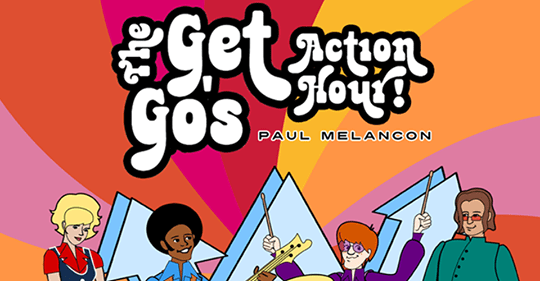
Paul Melançon – The Get Gos Action Hour!

Paul Melançon is releasing a new album on April 10, a strange little monster dealing with Saturday-morning cartoons and clinical depression.

Musictap writes: Marking the release of his first full-length listed as Paul Melançon since the early 2000’s, The Get-Gos Action Hour! Is a slippery creature. Its exterior promises a sweet confection, wrapped in graphics reminiscent of late ‘60s Hanna-Barbera cartoon shows, the ones where everyone was a detective AND a pop star too. The wording on the package promises a concept “power-popera!,” and when taken at surface level, I suppose one can infer that. But Melançon has never really been surface-level.


safe_image


A power-popera — a lot of people will think ‘why didn’t I come up with that’?


When I thought of it, I thought someone HAS to have already used this name. But through some kind of trans temporal wormhole, I’ve learned that that person was me all along.


What was the moment you knew you were on to something?


It took a long time. I wrote the little theme song that starts the new record way back in 2002, just as a sort of inside joke. I had a song on my first record called “1985 by the Get Gos” and in my head, I’d made up an entire backstory for this fictional band, without any real idea what to do with it. The idea to flesh it out for this record didn’t really dawn on me until 2017 or so, when somehow I made the connection that I could use it to transparently tell my own story about my struggle with severe depression.


How did this record come together?


Very slowly. [laughs] I tried to cobble it together by recording drums at Lee Flier’s Radio Flier Studios, and then let the rest of the band record their parts at home, and then I recorded vocals with Rob Gal, who has produced all of my records so far. It was intended as a way to try and make the whole process a bit more affordable, but in the end, it became a bit of a mess and took a lot longer. I probably won’t try it again. But I owe a lot to Lee, Rob, and the band for their supreme efforts at making it all work.


As an artist, you chose to show your emotions to the world. Is it always comfortable to do so?


No, but I’ve been dealing with depression for almost two decades now, and it affects pretty much every part of my life. Over time, I’ve grown to feel that, if I’m not open about it, my behavior can sometimes seem pretty odd. More to the point, it’s such a mis-understood illness that it feels important to be open and honest about it. And turning it into music or art is how I interact with the world, for good or ill.


You can’t control the way people ‘hear’ your music. But if you could make them aware of certain aspects, you think, set your songs apart. What would they be?


Some of my favorite songs really only revealed themselves after multiple listens. If I have an overarching style, it’s that I try to write like that. I like to hide things below the surface of the songs, in the hopes that anyone who gives the music a little time can have that moment where the song suddenly opens up and the whole nature of it changes. I hope I reward repeated listens.


Vinyl is back, Spotify is ruling, tickets for concerts are becoming more and more expensive, everybody can record songs, social media is the marketing tool, Coldplay stops touring … how will the music industry look like in 5 years?


I didn’t have an answer for this before COVID-19, I have even less of an answer now. Original music, in general, has become terribly devalued over the last decade or so. Even I recognize that deliberately making a full-length concept record is insanity in an industry that only cares about singles these days. It may be foolhardy, but I guess my hope is that, maybe once this crisis is over, people will be sick enough of being trapped inside for so long that we see a new renaissance of live music and art.

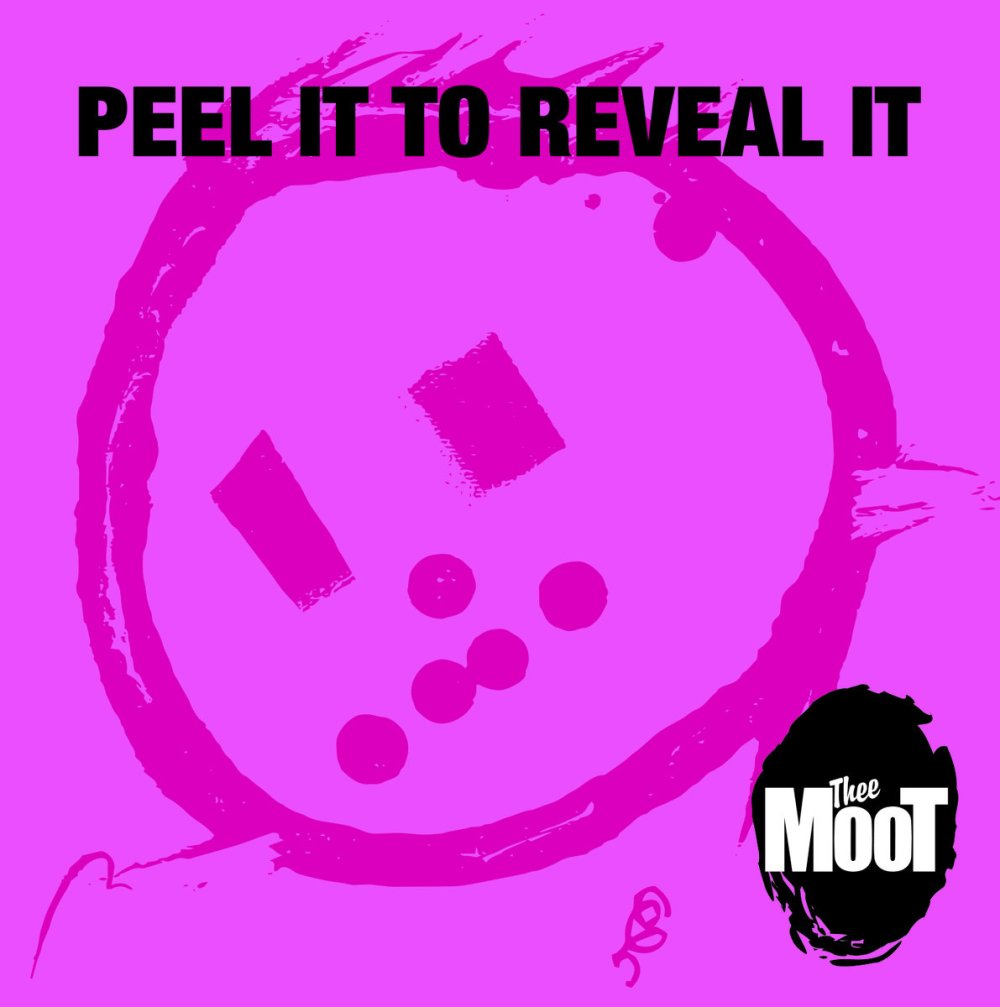
THEE MOOT – PEEL IT TO REVEAL IT

thee


Ten new tracks by Thee MOOT, all recorded in glorious analogue on vintage recording equipment at Gizzard Studio, London.

Dave Clark (DC, guitarist) and Nick Stone (NS, singer/songwriter) explain it all.


1) What was the moment you knew you were onto something?
(DC) Mark (bass), Freezer (drums) and I had played together for a few years and had a good understanding of what we wanted to do, but I knew it was going to be special when Nick sent us demos of the first few songs in early 2016.
2) How did this record come together?
(DC). We generally start off with an acoustic demo, work it up in rehearsal, then test it out live. I’ve usually got a picture in my mind about what guitar overdubs will work in the studio and Nick will know what vocal harmonies will add to it. We like to work pretty quickly in the studio like they did in the ’60s! We’ll usually play live and try and keep drums, bass and guitar as live takes. Then we’ll add a few overdubs later on. We should mention that we use a really cool all-analog studio in London called Gizzard, with a great engineer Ed Deegan who gets a sound we really like. It’s all recorded direct to tape and mixed down onto tape too. We use vintage recording gear and studio effects. It really does get a warmer, more natural sound that works for us. We’ve tried doing it the other way, fiddling around with software, and it didn’t work for us!

 
3) As an artist, you choose to show your emotions to the world. Is it always comfortable to do so?
(NS) It’s not always comfortable sharing thoughts and emotions with the world but it is essential to be authentic. MOOT songs have to be meaningful for me lyrically but I want as many people as possible to hear our music, so I like to sprinkle a little humor in there as well

4) Any ideas about how to turn this one into a million-seller?
(NS) Million-seller? That’s not for us to say. Our future audience may deliver that one! Our hope is that an established artist or band will one day like one of our songs enough to cover it.

5) You can pick 3 co-writers to write new songs with. Who? And Why?
(NS) Jack White or Pete Shelley. Jack is one of my favorite American songwriters. I really liked what he did with the American Epic Sessions and I’ve recently revisited his Acoustic Recordings, so I’d like to learn from him and he loves English bands so I’m told!. Pete Shelley was another master of melody and I would have questioned him (nicely) about his cracking love songs. I tend to avoid the subject of love but Pete had a wonderful knack of capturing an audience with his catchy and often touching anthems.
(DC) It would be interesting to work with two true originals who created their own world and drew you in – the late Syd Barrett and Pete Townshend. Neither of them are really co-writers but it would be fascinating to see how they do it and to see if some of the processes would rub off on you. I’d also love to sit down and work out guitar arrangements with Tom Verlaine and Richard Lloyd. We could also talk about guitars and old Fender amps!


6) What’s the gig you will always remember and why?
(DC) We did a great gig just this month with two like-minded bands from London, The Past Tense and Trees and The Slipway. It was a small gig and we had to change the venue at the last minute, but it was a great evening and it was probably the best we’ve played. We got some new songs in the set and got great feedback about them. This tells me that we’re going in the right direction. It was nice to see some of the audience singing back the words to some of the songs on the album too.

7) When was the last time you thought ‘I just wrote a hit’?
(DC) I think lots of our songs could be hits, whatever that means nowadays. I am absolutely certain that we’ve written a few that would be massive if more people could hear them. For example, we’ve got a new one called ‘Fools Plan’ that should be blasting out of car radios, iPhones and laptops the world over!


8) Is recording a record easier than getting it heard nowadays?
(NS) Much easier and more enjoyable to record! Getting our music out there is more challenging despite the advent of streaming and downloads. We are fortunate that music bloggers and small radio stations are playing our stuff and that helps greatly to raise awareness that we exist! Also, reviewers like yourself who are enthusiastic and love new original music are our new best friends!

9) Which 5 records would you bring with you for your stay on Mars?
(DC) The Beatles – Revolver, Television – Marquee Moon, The Rain Parade – Emergency Third Rail Power Trip, The Byrds – Younger Than Yesterday, Pink Floyd – Meddle

10) Recording music – what’s all the fun about?
(DC) Using your imagination to make the songs better than you thought they could be.

11) Playing music in front of a crowd – what’s all the fun about?
(DC) Obviously the connection with the audience, but I think for me the real fun is the band working as a unit that’s bigger than the sum of the individual parts. You can get real magic that way.

12) You can’t control the way people hear your music. But if you could make them aware of certain aspects that you think set your songs apart what would they be?
(NS) Our album is far more contemporary musically and lyrically than some reviewers give us credit for. We are sometimes labeled as mod revival or nostalgic by people who aren’t really listening to what we do. Sure we are influenced by bands like the Beatles, Kinks and Small Faces but essentially it’s melodically underpinned by the do it ourselves spirit of Punk. We write the music, arrange and record it and distribute it ourselves. And it’s all self-funded!


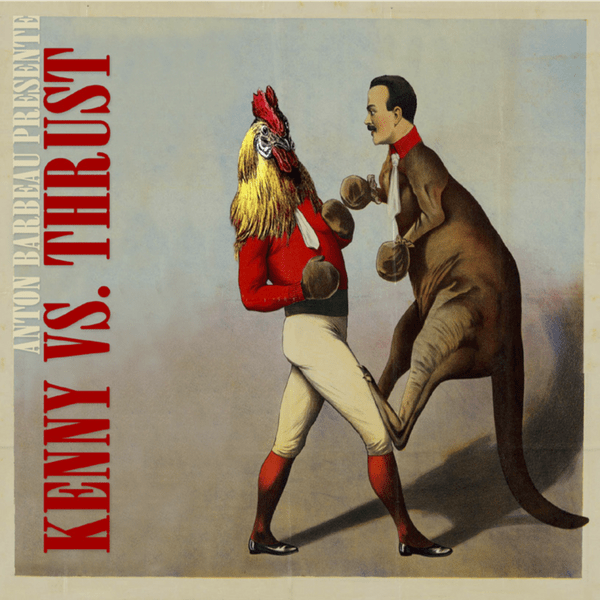
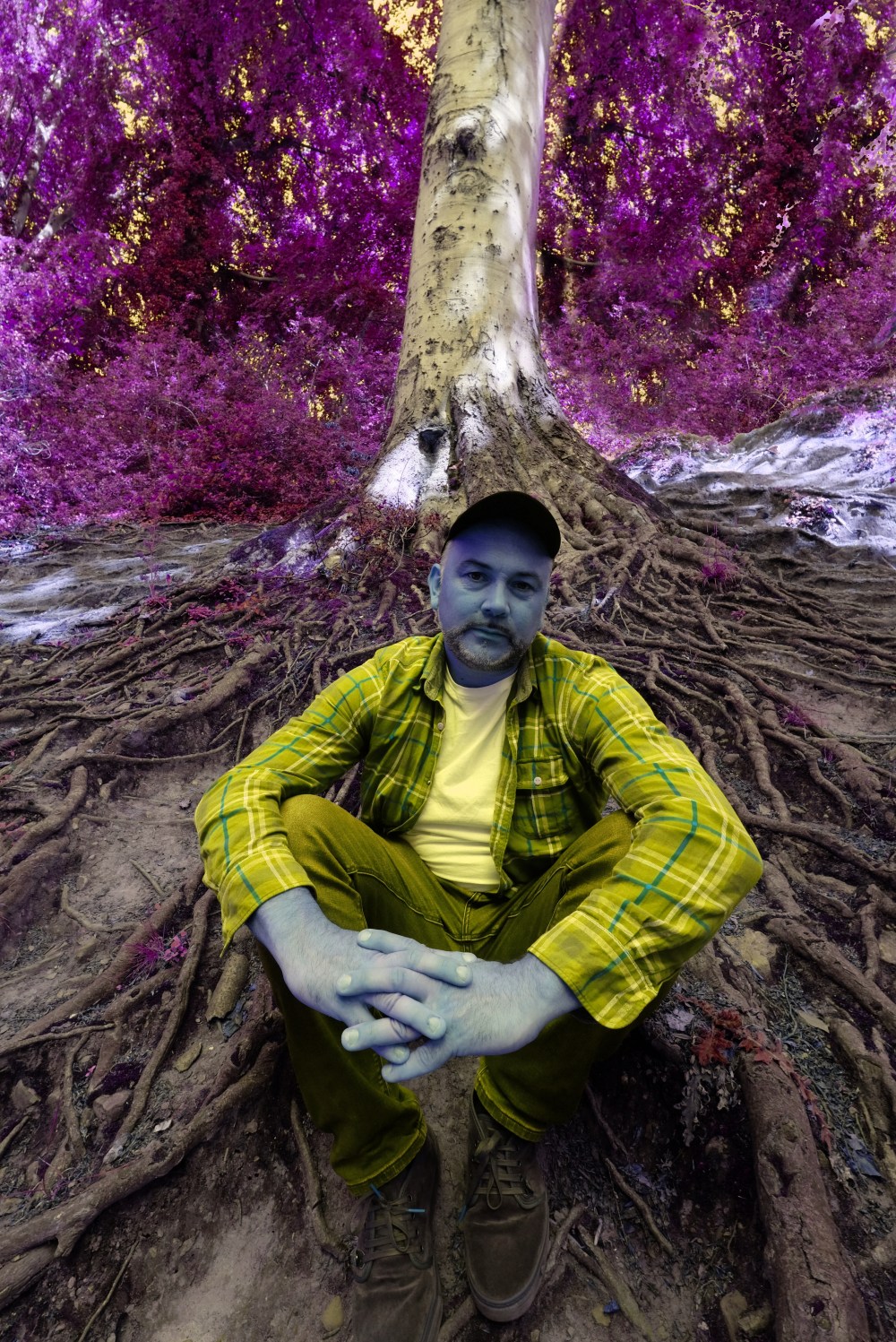
ANTON BARBEAU PRÉSENTE: KENNY VS. THRUST

ab

ANTON BARBEAU PRÉSENTE: KENNY VS. THRUST is released by BIG STIR RECORDS.

The songs are drawn from Barbeau’s songbook spanning from his teen years to the present day, but the all-new performances are fresh and immediate, and the bi-continental production is a cohesive and bracing dive into the essence of Antmusik across time.


As an artist, you chose to show your emotions to the world. Is it always comfortable to do so?


Comfortable? Sure. I think it’s essential. Like many people, I try to hold things together, put on a good face for the world. I’m not a vividly emotional person and I can crank out a fair amount of seemingly cheerful pop but I’m drawn to all sorts of music with all sorts of emotional range and I try to make sure my albums or my live sets are varied in this way. Sadness and anger and confusion and ambivalence are parts of what makes life so rich. Can you picture a world without Rick Danko singing “The Unfaithful Servant”? I don’t aspire to whatever inspired that song, but I’m grateful to feel it when he sings it.


ab2


You can’t control the way people ‘hear’ your music. But if you could make them aware of certain aspects, you think, set your songs apart. What would they be? 


Go back and follow along with the bass lines to “Allyson 23” and “Third Eye!” Try to count along with “Coffee That Makes The Man Go Mad.” Try to picture the ghost of my mother in “Just Passing By.” There are all sorts of tricks and odd spots in my songs that aren’t meant to draw attention, but if you notice them, they’re satisfying. I was rehearsing with a Spanish band once – we had only one day to rehearse a festival set – and the bassist noticed that all of my songs seemed to be straightforward on the surface, but that every one of them had some weird detail that required full attention. I’m not trying to impress an audience with those details, but I’m working on a few levels at once. I have a busy brain!


Playing music in front of a crowd. What’s all the fun about?


Well, depends on the gig! When it’s good, then maybe the songs feel good in my guitar hands and in my vocal throat, and the audience is both clearly pleased and surprised. On a good night, I can be funny. On a really good night, I can connect cosmic dots between buildings and planets. Sometimes the guitar makes the sounds we all live for. If there’s a grand piano in front of me, a different set of cosmic dots appear, unless I’m in France.


When was the last time you thought ‘I just wrote a hit!’?


“Manbird!” But I’ve written MANY hits that turned out not to be hits!! Still, “Manbird” and “Across the Drama Pond” both have that “Hey, this is good, right??” vibe to them. Where’re my million dollars!!?


What’s the gig you will always remember? And why?


I supported Julian Cope on a few dates each of his 2011 and 2012 tours. The first date was Brighton. The gig was a blur, but I remember getting stoned with him after the gig. Days later, Julian rang me at home – I was living in Cambridge, UK – and said, “Hey Man, it’s Julian… I know you’re moving to Berlin in a few days, but do ya wanna do Bracknell?” When Julian Cope calls you at home, you say yes to whatever the question is! Bracknell was a great gig, and the only gig I did with him where I have any recollection of my own set. A lovely theatre, great crowd. Julian’s set was special that night, and he beamed “Upwards at 45 Degrees” at me as he sang. As he said to me the first time we met, “Yeah, man… I saw you vibin’!”


Which 5 records would you bring with you for your stay on Mars?


I’m always fascinated by this sort of question because there’s the risk of burning out on a beloved record, right? And am I trapped on Mars or is it a two week holiday in space? Anyway, I’m gonna be loose here and reach for records that I imagine would turn me on every time, as they already do, and give me a feeling of forwarding motion as these already do…

Sgt. Pepper – Beatles

Court and Spark – Joni Mitchell.

Clube da Esquina – Milton Nascimento and Lo Borges

ABBA – ABBA

Lodger – Bowie


Recording music. What’s all the fun about?


Everything! Making records is the best thing there is. I love the sound. I’m restless and often move a sound from its starting place to somewhere very other. I’m always trying to be a better singer, to make sure my vocals have the right feeling. I’ve recently picked up a new vocal mic and preamp, so to be able to put a warmer, less nasal Ant sound on tape. I love constructing bass parts, knocking around on the drums. Or being in the studio with a great bunch of musicians and a fine engineer, capturing that moment where everyone says, “Yep, that was it!” I can do it all myself, be my own band, but one thrill is working with known chemistries I have with others, or discovering new chemistries. Some musicians give you a reliable result every time, but others might play the perfect note on one song and play only the strangest, wrongest things the next time you get together. Maybe part of why I love recording so much is that no matter how much I do it – and I’m recording every single day, generally – I still feel like I’m starting out, wide-eyed. It’s all new every time.

Gary Ritchie – Head On A Swivel


On Gary’s CDBaby page, Power Pop Paul writes about Head on a Swivel: “It’s a Potpurri of Hooks, Rocking Guitars, Pounding Drums, Melodies all over the place ….. What’s not to like?”.

Power Pop Paul has taste.

SweetSweetMusic spoke to Gary about his new album.


How did this record come together?


Well, in January of 2019, I was starting to get a little antsy and felt like I wanted to record again. It had been nearly 3 years since my last album (Poptimistic). I wasn’t sure if I had anything to say or any actual tunes. So I headed back to my music room with my Guild Jumbo acoustic to see if I had anything. A half an hour later, I had the makings of (I thought) a very cool tune, “Head On A Swivel.”

Hey, maybe I do have something more in me! So I went through my notes, old demo ideas and started writing some new tunes, finished up some old ideas I had and I was off and running.

I really love the collection of songs I came up with this time. I hope the folks out there enjoy it as much as I do.


When did you decide to start asking for opinions on the new songs?


Actually, I very rarely to never ask people for opinions on my songs. I leave that up to people to give their opinions if they want. Only a couple of times will I even ask someone “What was your fave tune on the album?”.

Now, I used to ask my recording partner, Jeff King what songs he liked of mine. Generally, he would say “Let’s do all of them.” That’s why my first 4 albums had a ton of songs on them.

On this new album “Head On A Swivel” I wanted to keep it at 13 tracks and 38 minutes to keep folks interested. Many people these days don’t have a long attention span.

Fortunately, for me, the folks that like my stuff are the type to actually put on an album and play it all the way through. Most people out there these days really “cherry-pick.” Many people seem to have 1,000 songs in their pocket, maybe 2 or 3 songs from each artist. I’m totally old school. I don’t have an iPod and I don’t listen to MP3s. It’s CDs and LPs for me.


You can pick 3 co-writers to write new songs with. Who and Why?


Oh man, that’s tough. I have so many musical hero’s I’d love to do something with. But, I’ve to go with ​McCartney for obvious reasons. He’s a total Pop genius with a melody in everything he touches. It would be a blast to write with him.

Elton, the man is phenomenal, especially the earlier stuff. Great chords structures and melodies all over the place.

Nick Lowe has also been an absolute favorite of mine since his first solo album. Very witty, cool lyrics, lots of humor. He would fit my style of writing perfectly.


What’s the gig you will always remember? And why?


Well, that’s a bit tough. I’ve played some really great places with thousand’s of people. But, there is one that was very cool. We played a small place, it wasn’t even an actual club or concert hall, somesorts of art studio place that we had a record release party in. Well, a pretty good friend of our’s said he might show up…and he did! Rick Nielsen of Cheap Trick came and joined us for a few tunes. Excellent and fun. He later produced a couple of tracks in the studio for us. So, yeah, that one sticks in my head.


Is recording a record easier than getting it heard nowadays?


Oh heck yeah! Getting things heard can be very difficult these days. I mean widely. Not many stations play the kind of music that I write or record. There are a few sort of “Independent” stations that still play PopRock, PowerPop, Indie Rock…etc. I love those guys!! They can get to a lot more people than I can. It really helps with selling a few more CDs too.

Now, the recording of a record, I won’t say it’s easy, but much easier than many years ago. Everyone has some sort of studio at home (and good ones) and can really hone a tune without spending a ton of money. Wherever you record you must be prepared to work at it to get things right. On this last album of mine, when I took it to be Mastered, my guy said “I can tell you guys really took great care in recording this album.” That was very cool to hear.


Which records would you bring with you for your stay on Mars?


Oh baby, that’s beyond tough. I listen to so much music!!

Well, I could easily take 5 Beatles’ albums but I’ll leave it to only one. “White Album” – Great array of songs. Love it.

Elton’s “Honky Chateau.”

Faces “A Nod Is As Good As A Wink.”

Allman Brothers “Live At The Fillmore East.”

Dwight Yoakam “This Time.”


Slumberjet – World of Sound

3

PowerPopAholic writes: Opening with the dreamlike harmonies of the title track it launches into a Jellyfish-like pop gem with “Round x2,” it’s driving beat marches along with a shimmering guitar lead. The band successfully navigates a variety of pop stylings from the gentle jangle of “Float” to the insanely catchy “Across The Divide,” with an earnest Elvis Costello-like approach. All the songs are good, but a clear majority are simply great.

Listen.

The second Slumberjet album “World of Sound” is produced by Duncan Maitland, who has previously worked with XTC, Pugwash and Colin Hare of the Honeybus as well as being a solo artist in his own right. Also featured on the album is Keith Farrell – producer of the first Slumberjet album, this time on bass duties – and drummer Johnny Boyle who has previously worked with Marianne Faithfull, The Frames and Pugwash {to name but a few}. One time Sub Pop artist Eric Matthews features on Brass once again.


Barry O’Brien explains.


What was the moment you knew you were on to something?


I sat down with Duncan Maitland to play him the acoustic demos I had gathered, and he was very enthusiastic from the start, he felt I did the groundwork with these songs which was great to hear as I felt I did too.


How did this record come together?


After the first Slumberjet album was released my band dissolved and I decided to start writing the next album. I was also planning on what kind of album it would be. From the very start, I had many different discussions with Duncan Maitland about this and he had a keen interest in my ramblings so it seemed like the most logical thing that he produced the next Slumberjet album. Duncan had a studio and engineer in mind {Leslie Keye at ARAD Studios in Dublin} and I had for a long time wanted to take Johhny Boyle {Drums} and Keith Farrell {Bass}into the studio who are incredible players individually but together they have something special.


slumber


What’s the gig you will always remember? And why?


Slumberjet got to play The Cavern in Liverpool as part of the IPO festival in 2010 that was pretty special for obvious reasons, actually, the photo on the back of the first Slumberjet album is from that very gig.


When was the last time you thought ‘I just wrote a hit!’?


I think “Float” off the Slumberjet album World of Sound could be a hit if I could only figure out how to get people to hear it?


Is recording a record easier than getting it heard nowadays?


In a word “yes” anyone can record now, you have albums being recorded on iPhones that if you we’re told we’re recorded in Abbey Road you’d find it hard to argue with they sound so good, getting it heard well there are so many platforms now to put your music on but I do believe if the music is good it will get heard even if it doesn’t sell a million copies.


Which 5 records would you bring with you for your stay on Mars


In no particular order The Beatles -Revolver, The Beach Boys – Pet Sounds, The Police- Regatta De Blanc, Jeff Buckley -Grace, Jane’s Addiction- Ritual De Lo Habitual


Vinyl is back, Spotify is ruling, tickets for concerts are becoming more and more expensive, everybody can record songs, social media is the marketing tool, Coldplay stops touring … how will the music industry look like in 5 years?


It’s constantly changing and evolving, the gap between the first Slumberjet album and the second is almost ten years and coming back to it and releasing “World of Sound” is a completely different ball game, everyone’s on Spotify now, I myself still buy CD’s and vinyl and I know there are people who do the same and I’d like to think there is a younger generation that is discovering buying vinyl even though it’s a small niche. Who knows where the music industry will be in 5 years’ time but I do believe it’s anyone’s game.