The Creepy Jingles: Finding the Gold in the Dirty Corners
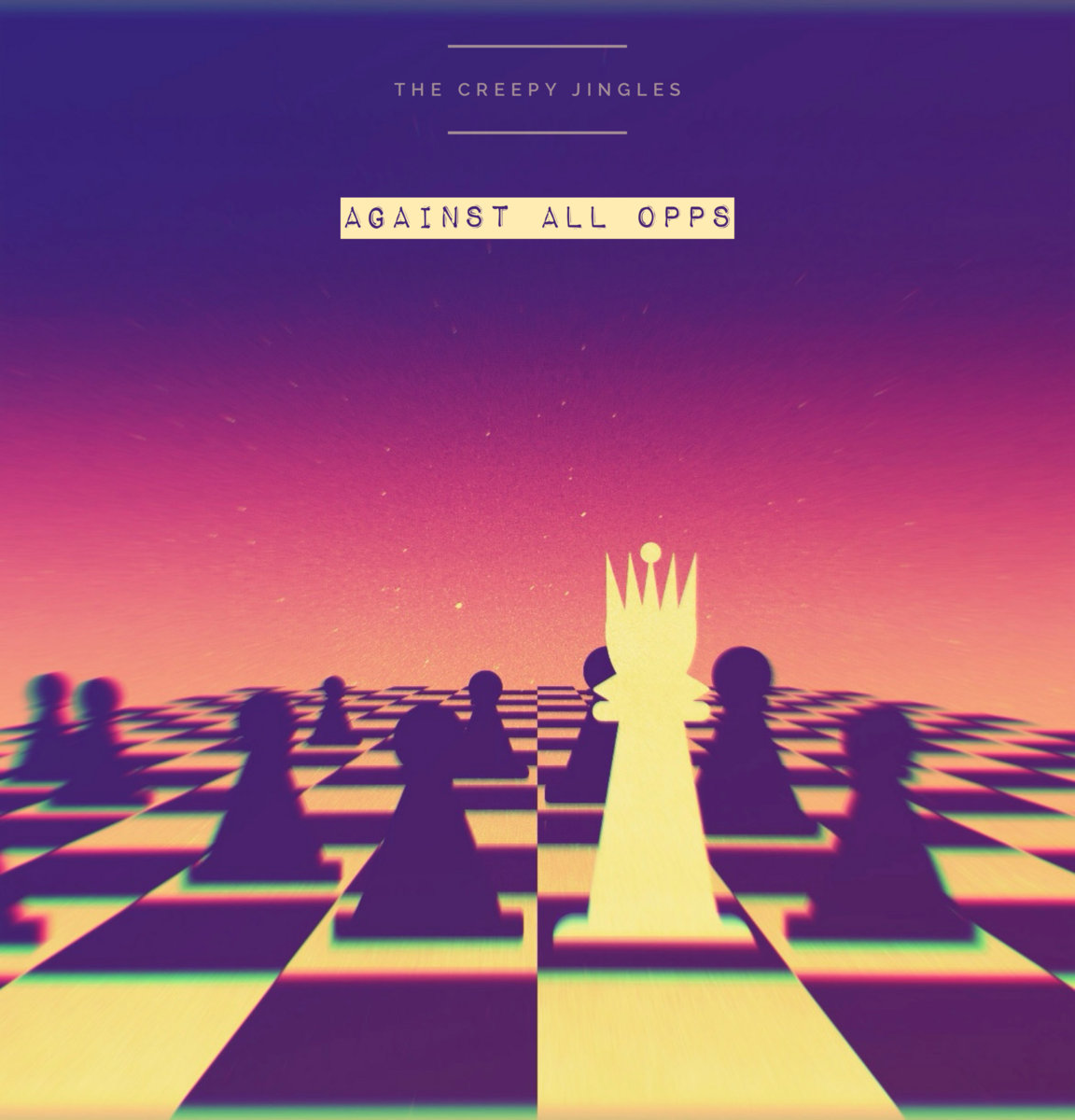
On Against All Opps, The Creepy Jingles pack humor, hooks and some surprisingly heavy ideas into six compact songs. Behind the oddball titles and instantly accessible melodies, there’s plenty going on beneath the surface: love bombing, hypocrisy, self-examination and the uncomfortable possibility of becoming the very thing you once criticized. I spoke with Jocelyn Olivia Nixon about finding comedy in dark places, writing melodies that stick, and why the best material is often hiding in the dirty corners we’d rather avoid.
One of the things that really stands out on Against All Opps is the balance between humor and more poetic, sometimes even vulnerable lyrics. A title like “Throw Me in Some Rice” immediately makes you smile, while other lines hit in a very different way. How do you find that balance? Do you start with the funny or absurd idea and discover something deeper underneath it, or is it the other way around?
Yeah, exactly. If it’s a heavy theme, I naturally want to take the piss and lighten the mood to entertain myself. If I start out with a funny idea, I look for the depth or tragedy to fill out the idea.
A great song has layers, just like people, and if I’m doing it right, it’s left open-ended enough that other people end up projecting their own meaning onto my songs. Which means I made them feel or care.
My goal is always to make something melodic enough, catchy enough, that they don’t hear the lyrics right away anyway. They get swept up in the beat or the hook, then after a couple of listens the lyrics start to stand out and people go, “What have I been singing?”
I always like to leave plenty of Easter eggs in my lyrics for the people who look closely enough. That was always my experience as a listener anyway. My favorite art felt interactive. I learned to put that focus into my work. The more layered the song is, the more time you will spend with it trying to see every angle.
The melodies on Against All Opps feel incredibly fluid. Even when the songs take unexpected turns, nothing seems forced — the melodies just seem to naturally find their way to the next part. How do you develop your melodies? Do they usually arrive quickly, or is finding that natural flow something you work on extensively?
When I’m writing melody, it happens in different ways. Sometimes I’ll have a hook idea that just comes to me, and I figure out the chords around it and build an arrangement. Most times I will just block out a chord progression that sticks with me and focus on the space in between.
I’ve noticed over the past couple of years that when I restrict myself within a simple progression, I find some of the catchiest melodies in those spaces, and it informs where I’m going for the chorus. Then the chorus melody informs the bridge.
Melody comes easily for me, typically. I labor over the words more because my focus is to write something that reflects the human condition. A melody can start to lose meaning without the weight of that experience grounding it.
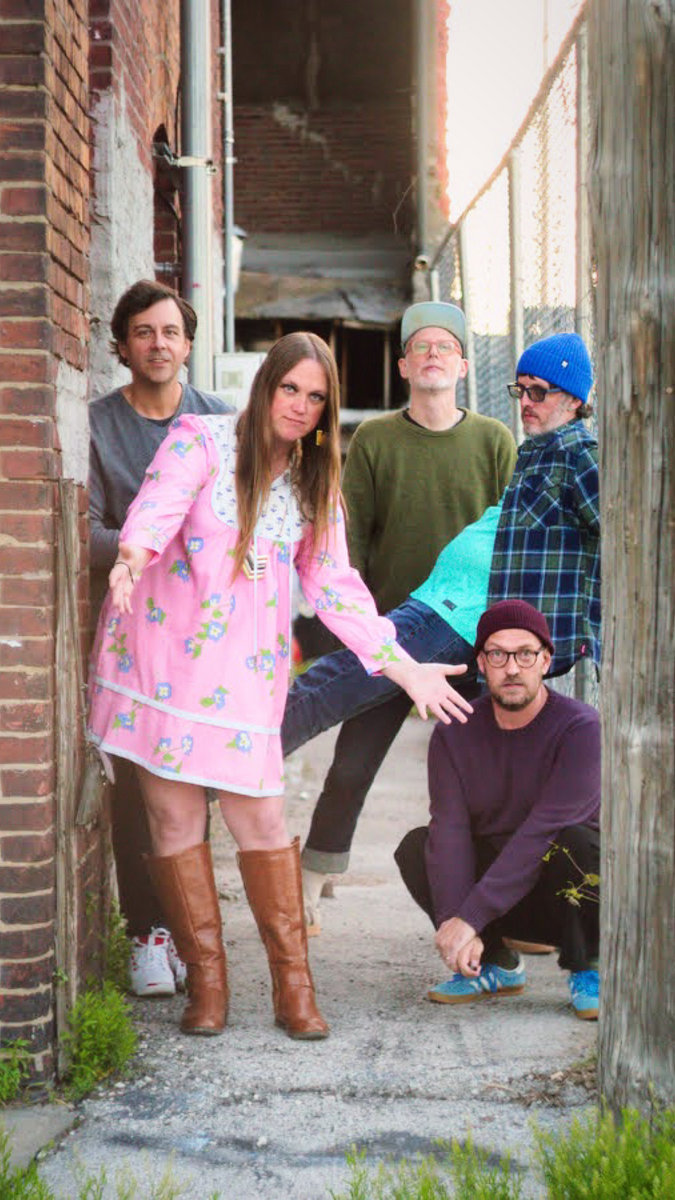
“You Don’t Trend” feels like a pretty good introduction to The Creepy Jingles. What was the idea behind the song?
I like the idea of the narrator of the song being an underdog, completely aware of how ridiculous and rigged the whole game is, pointing out the hypocrisy of it all, but participating anyway to attempt to overcome it and try to change things from the inside.
However, once they gain the access, attention, power and influence, we find the character falls victim to the same missteps they criticized and attempted to change, ultimately failing to break the cycle.
It’s part comedy, part cautionary tale. A story of the prey becoming the hunter. Or the hero living long enough to see themselves become the villain. The ugly duckling becoming the swan and then judging beauty contests. Take your pick.
“Funhouse Mirror” has a different feel from some of the more playful songs on the EP. What’s behind that song?
I wanted to write a song about love bombing. I just saw a lot of meat on the bone with the idea that one person is being sincere and attempting to have a thoughtful dialogue, while the other person shuts down the concern and is just like, “Baby, I love you. You’re crazy, you’re my everything. Come back to bed.”
Once a song is finished and released, it stops being entirely yours. The listener brings their own experiences, interpretations and meanings to it. With these six songs now out in the world, what are you most curious to hear from listeners — and is there a song on Against All Opps where you particularly hope people will find something that you didn’t necessarily put there yourself?
I hope all my songs elicit that reaction. I think people naturally project onto things that resonate with them. If I do my job well, someone will think I’m singing directly to them or about them.
If I had to pick one song in particular, “Nü Fables.” It’s definitely the most personal song on the album. It would be cool for people to see themselves in that song.
I spend a lot of time looking into the depths of myself and my relationships to understand the greater picture of everything. I think the best songs and life lessons are in the dirty corners we don’t want to look at or address. I see that as golden fodder.
I hope listeners will put themselves under the microscope and explore their inner world and hearts. I want people to look deeper at themselves and the people in their lives. If folk can come to love and accept themselves, they will naturally have a much easier time extending that grace to others.

