Gentle Hen’s Wink is an album of gentle, thoughtful but quietly provocative jangle pop. There’s an ease to these songs that disguises just how carefully they’re put together. Melodies that linger, small lyrical turns that open unexpected doors, and arrangements that reveal more with each listen. We talked to Henning Ohlenbusch about songwriting as a time capsule, trusting instinct, letting songs find their own meaning, and why music needs time to become a close friend.
Wink feels remarkably consistent — twelve songs that seem to belong together, with hardly any drop in quality. Were these songs written in a relatively concentrated period, or did you deliberately select songs from different periods that somehow fit together?
Thank you for saying so. Ever since I can remember I’ve been writing songs. I always have a few developing at a time. Eventually, I’ll step back and take stock and realize that I have enough to put together an album. That means that all of the groups of songs are written in the same chapter of my life so it only makes sense that there would be a common thread of some kind between them, a combination of my age, my surroundings, and the general mood of the world during that time. I think the same happens with the rest of the band. They develop their parts and play them in whatever voice they have in the current state of their existence. Each album is like a time capsule.
There’s a lot of craftsmanship in these songs, but they rarely sound labored over. How do craft and inspiration work together for you? Do you tend to start with an instinct and then refine it, or are you consciously constructing songs from the beginning?
Thank you! I like the way you put it, “start with an instinct and then refine it”. That is pretty accurate. I sit on the arm of the sofa everyday with my good old acoustic guitar and try to open myself up to some kind of inspiration by just letting my gut ride around the neck freely. The trick is to be ready to recognize the bit of music that speaks to you. Or sometimes it’s the same approach but with an emotion or idea, a snippet of words, a concept. Then it’s all about refining, which comes with just letting the song-in-process marinate in the background of my head at all times until more depth reveals itself.
I keep coming back to “One Joke,” partly because of the instrumentation, but especially that line, “One joke changed everything.” It suddenly opens up this whole story without explaining it. How does a line like that work for you — did the song grow out of that phrase, or did you discover the phrase while writing the song?
I believe the phrase appeared during the writing process after the first couple of verses already existed. But I’m not positive. It trickles out rhythmically with that descending almost sinister melody like a very clear statement, almost like the melody demanded those words. I had no choice.
“Parking Lot” feels almost like an emotional outburst at the end of the record. You’re not holding much back, and because of that it gives the album a lot of depth. Was it difficult to let the song get that emotionally direct, or was that exactly what it needed to be?
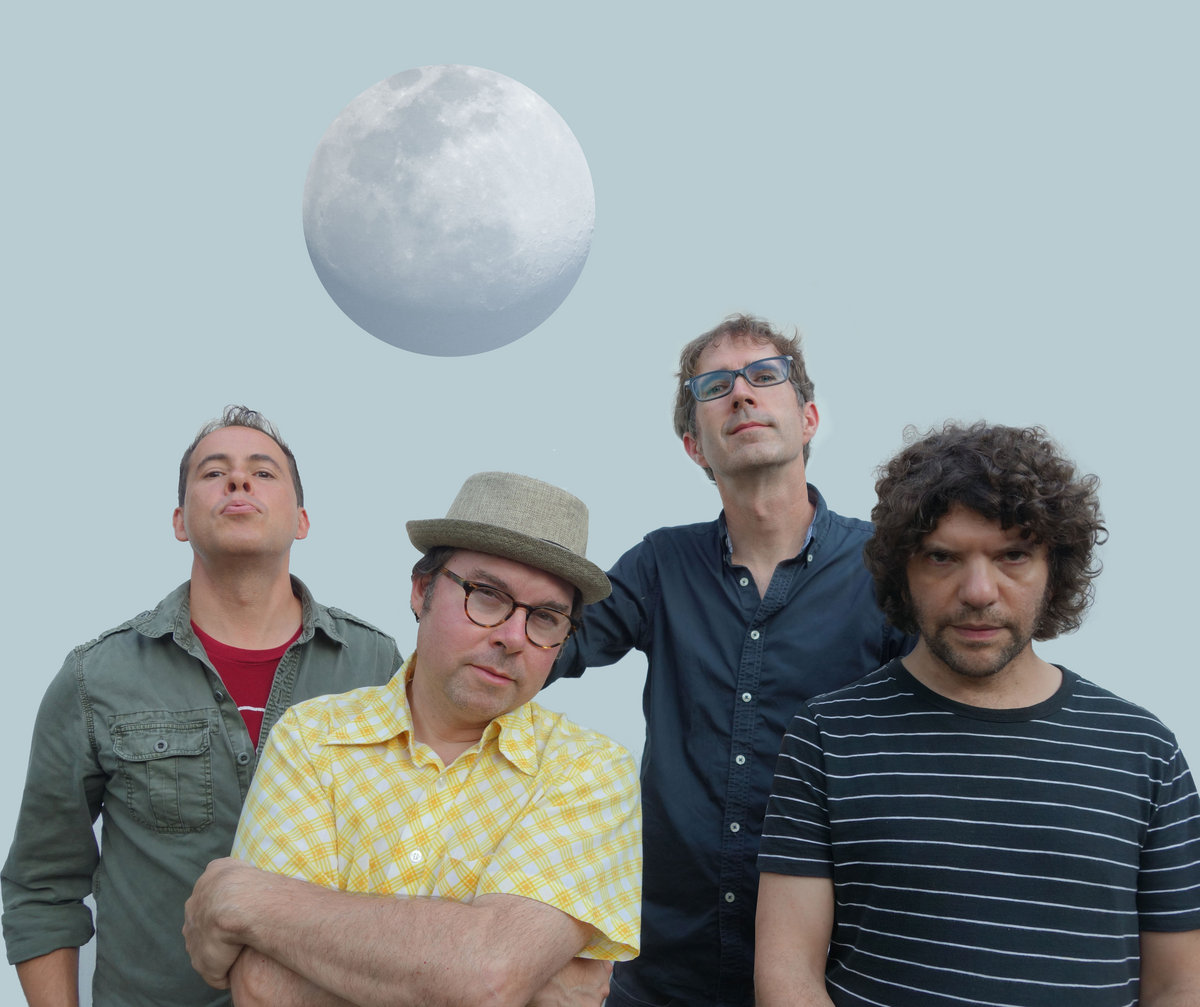
One of the many great things about the guys in the band is that Brian, Max, and Ken, besides being nimble and creative musicians, are all very empathetic people. When I introduce a song like Parking Lot, they’ll instinctively know just what to play to elevate the feeling. Brian’s rumbling drums during the verses are almost heartbeats, Max’s subtle bass slides by like trucks on the highway, and Ken’s lingering open guitar chords hang in the air like low clouds in a night sky. It didn’t have to be the final song on the record but it does seem like the right place doesn’t it?
On the Bandcamp page you specifically ask people to give the album three focused listens in a row, “the way you used to listen to albums.” Why is that important to you — and what do you hope somebody starts hearing on the second or third listen that they might miss on the first?
I have a fear that today when we have an endless array of distractions cascading in front of our faces, music is starting to become disposable. Why listen to a particular album again when there are another twenty thousand knocking on your door? I find that the real magic of music is how it can weave its way into your core. But that doesn’t happen if you don’t spend time with it. When I’m discovering something new, I make it a point of listening multiple times in a row, close listens and background listens. You might fall in love with a song at first sight but the connection is way more valuable and intense after it has really become a part of you. Songs are like people, you might like them when you first meet them, but they don’t become real friends until you spend lots of time with them. Better to have a circle of close friends than an army of acquaintances.

