James Sullivan – Light Years
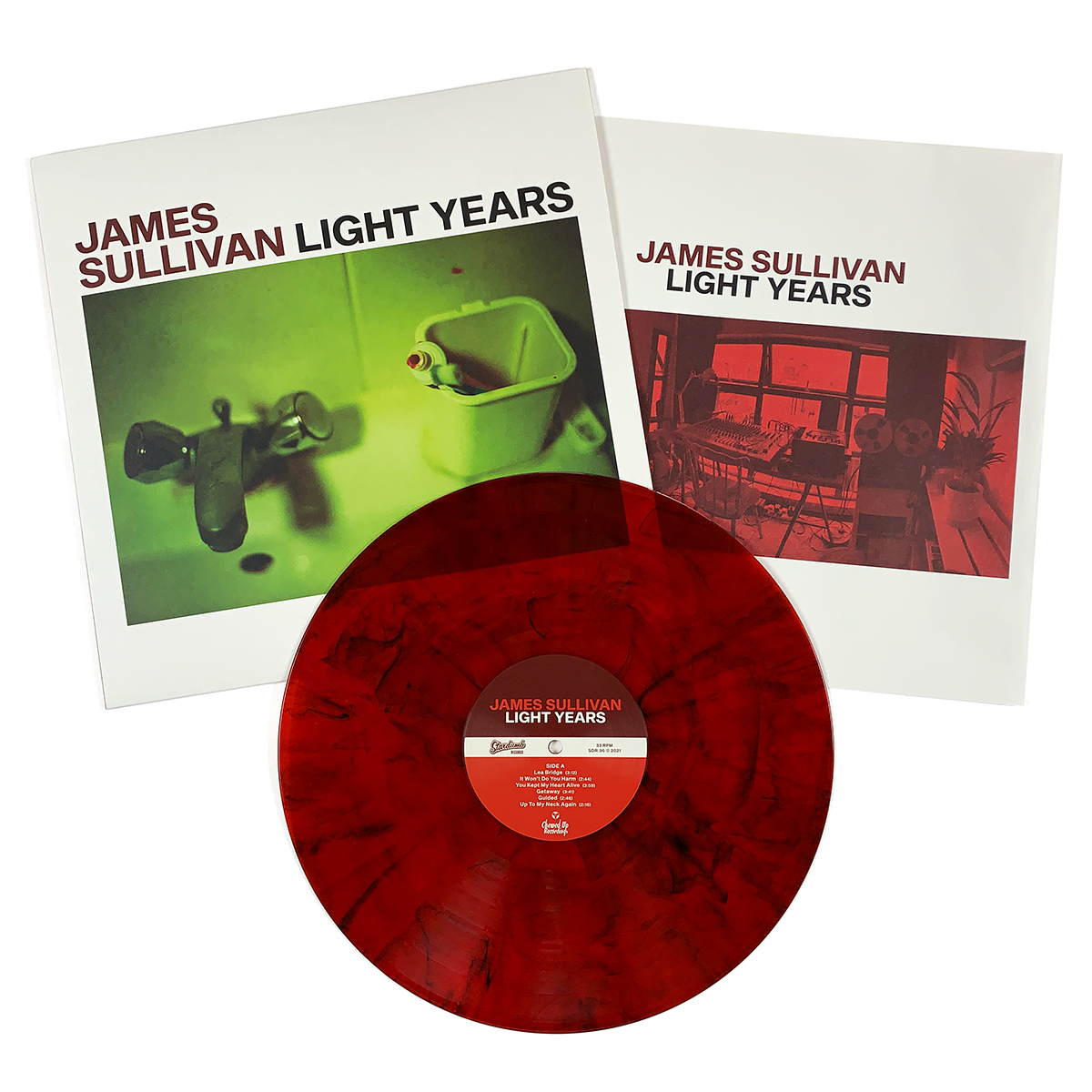
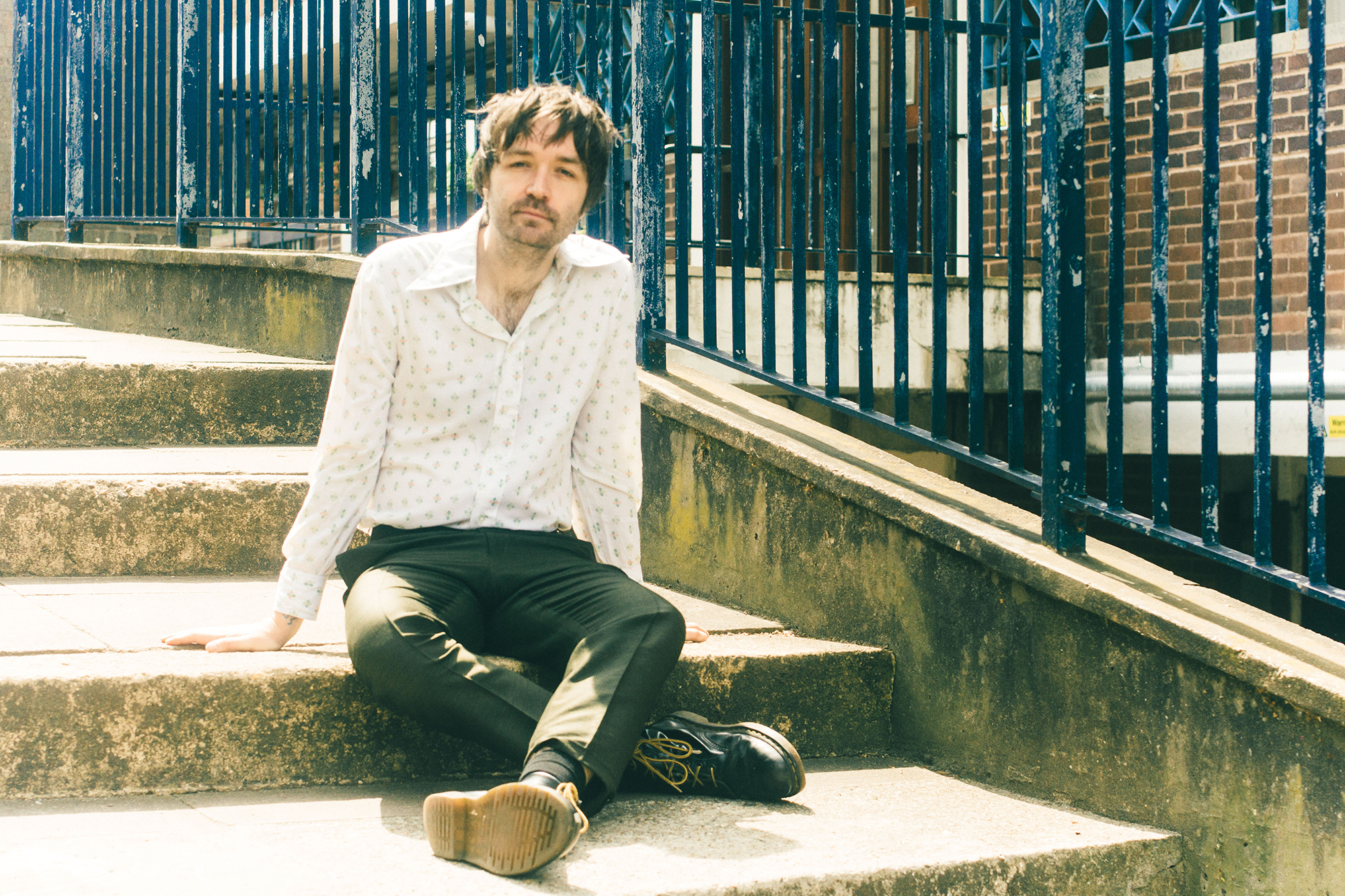
MORE KICKS’ frontman JAMES SULLIVAN, first solo record, Light Years, is out November 5 on Stardumb Records.

On the lead single, Lea Bridge, he sings of life in north London as Lou Reed would have sung about New York had he now been in his mid-20s. The music on Light Years is more ragged but no less intense than the songs Sullivan makes with MORE KICKS. For fans of Guided by Voices, Bob Mould, and The Replacements. Aren’t we all?

LIGHT YEARS is a whistlestop tour of blitzed-out fuzz (‘Totally Bored’), paranoid drum machine twitches (‘Getaway’), stadium-sized reflections (‘In The End’) and lo-fi 60s pop nuggets (‘It Won’t Do You Harm’).

How did this record come together?

In 2020 I was supposed to be all over the place with my band More Kicks. We released our debut album at the end of 2019 and had lots of things being booked, festivals, tours etc. We managed to do a three-week tour in February 2020 then came home full of excitement for the next 12 months. Then the obvious happened and it was all gone. I was scrabbling around for work and generally just trying to keep my head above water.

By the autumn, I had set up a small recording space for myself which I called ‘Chewed Up Recordings’. It was a room opposite the warehouse where I lived with 25 other people, about 1.5m x 3m. I had a desk, an 8-track reel-to-reel which had been half-repaired, a farfisa organ I picked up off eBay, my guitars and a few bits of analog gear that I’d been buying for a couple of years. So I decided to keep myself entertained by writing one song every day for 10 days and recording it all myself in that room. An ‘album’.

Each day I would finish working in my room in the warehouse and then walk over to Chewed Up and write something. After 10 days I had 10 songs which were fairly schizophrenic in style. They definitely didn’t sound like More Kicks songs. It seemed like a good challenge. So for the next month or so I recorded them piece by piece. Two of the songs needed a proper drummer to play them so I asked Kris from More Kicks to help out and I recorded him in our practice space, Rockaway Studios. Paolo from More Kicks also played bass on one of them because he obviously plays bass far better than I do. A couple of friends also helped on a piano part that was beyond my capability, plus a violin part because I can’t play violin.

Then it was done. I recorded and mixed everything on 1/2″ tape in that little room and then wondered what to do next.

Chatting with Stefan from Stardumb Records one day I mentioned my little lockdown project and he got curious. I’d made a video for one song ‘Lea Bridge’ where I taped my phone to the front of my bike, pressed record and cycled around north London – around the same route that the song’s narrative takes place. Somehow, Stefan was intrigued and wanted to hear the whole thing. Fast forward a few months and it’s coming out as a full record on LP and CD on Stardumb and I’m coming to the Netherlands to play a couple of gigs – Cafe Koos in Zwolle and Left of the Dial Festival in Rotterdam. Basically, it’s just escalated from a slightly desperate idea to an actual tangible, physical thing. Proof that keeping busy is always a good plan, I suppose.  


When did you decide to start asking for opinions on the new songs?


No one heard a single note of it until it was 100% finished. It was my way of taking control of something in my life when everything else had spiralled completely around me. More Kicks remained as busy as we could be – we rehearsed when Covid restrictions would allow and I wrote the second album during this time too, which we’ve just finished. But the beauty of making ‘Light Years’ was the speed and total control I could have. When I started to rehearse for the gigs that I’m playing with a band I had to learn the songs from scratch because I had no idea how to play them. I’d written them and then immediately recorded them so I really had no clue what I’d played on the recording. 

I love the collaboration of being in a band but in that moment it wasn’t really possible. It’s a dangerous policy to ask for no feedback or opinions on anything but I had nothing to lose. If it was shit when it was finished, I just wouldn’t have played it to anyone and it still would have been a good project to learn more about recording and keep busy.

How great is the urge to stay creative?  To keep writing songs and lyrics?


It’s less an urge and more a compulsion, I think. I can easily go months without writing anything. It’s much easier to not write. But the second I write something that I like, I feel 100% better in myself. That tells me everything I need to know. Of course I want people to hear the music and enjoy it, but actually I’ve learned that it’s just vital for my own happiness that I’m writing and making music as much as possible.

As an artist, you chose to show your emotions to the world. Is it always comfortable to do so?

Yeah it’s absolutely fine. I’m not worried about that at all. There are songs on Light Years where the lyrics are literally taken word for word from a diary I was keeping while I was having some cognitive behavioural therapy. I’m not shy about it at all – I’m proud that I could take something so negative and make something out of it. I don’t know what other people do to release those feelings. Exercise, seeing friends, talking to family, reading, these things I suppose? I do all those things too but it’s not the same. Music just happens to be my way of dealing with my brain.

What’s the gig you will always remember? And why?


I went to go and see Guided by Voices when they played in London in 2019. They hadn’t played in London for about 15 years and I’d never seen them before. That was the closest I’ve been to feeling like I was in a cult. It felt like a total triumph of perseverance and compulsive productivity. They played for about three hours, about one million two-minute songs. Robert Pollard was chugging tequila, high kicking and somehow singing like an angel aged 60+. 

I love how they were just a band in their late 30s in Dayton, Ohio. They were teachers, guys just doing jobs and getting together at the weekend to watch basketball, drink beer and then play music in the basement, recording it on a cassette four-track after the basketball had finished and there was still beer left. Then after years of making records just to send to their friends, Matador somehow hear one of them and give them $100,000 to make a record. They go back to the basement, make the record ‘Alien Lanes’ for free on the cassette four-track and keep the $100,000. And of course it’s absolutely amazing.    

Lyrics are too often taken for granted.  What is the line of text or are the lines of text that you hope listeners will remember?  And why?


I could tell you that answer with More Kicks stuff because I think about that more and take more time with it. With ‘Light Years’, I had one evening to write the song by the rules I’d imposed on myself. So by the time I had written the basic song and was writing some lyrics I was always quite tired and impatient to finish. But I had to write out all the lyrics for the LP artwork and I was pleased to see that I liked most of them.

I always quite like it when lyrics contradict one another. There’s a song on the record called ‘It Won’t Do You Harm’ where the lyrics of the verse directly contradict the chorus. The verses are quite romantic and dreamlike, the choruses suggest that it’s a cynical ploy of self-help on my part. But then in the middle section we finally get to what feels like the truth of the matter and I just speak directly. I don’t think songs have to tell a story or even have a coherent narrative. How often do we think in cohesive narratives? It’s more important to just get the mood of whatever you’re feeling across. 

We can barely see what’s coming in front if it’s coming at all 

But I hope you know my pride had the sense to fall

When you hardly speak then you’re hardly wrong, or so I thought

I left it for another day so it won’t do you harm  


Cassettes are back. Which 5 five songs would make your first mixtape?


I guess the correct answer is: ‘It depends who I’m making it for’. But I’ll just be selfish and try to reflect stuff I’ve been listening to for the last year or so.

The Replacements – Little Mascara. The best song title ever and I think that will be the title of the mixtape as well. Get ready to scream along to the outro: ‘CRYYYYYYYYYY… CRYYYYYYYYY’.

The West Coast Pop Art Experimental Band – I Won’t Hurt You. The creepiest, most beautiful song I’ve ever heard. At the height of the first lockdown I did a cover of ithttps://www.youtube.com/watch?v=0rK5UVy8x38 just for no reason and I think that probably was the seed that eventually grew into ‘Light Years’.


John Cale – Half Past France. If I make another record on my own I want it to sound like Paris 1919 by John Cale. I just need to fit the London Symphony Orchestra into Chewed Up Recordings somehow. The point where he sings ‘People always bored me anyway…’ and the drums kick in makes me want to cry with happiness. 

Woods – Strange to Explain. In another context, that chorus could be sung by every failed X Factor singer in the worst bars of every town. In this context with that fragile Neil Young-esque voice singing it, it makes me weirdly happy to realise that you should not be afraid to sing the cheesiest, poppiest melodies possible in anything you do. Through your own filter it will work, just don’t worry about it.

The Modern Lovers – She Cracked. Because I think the mixtape got a bit too mellow and this is a totally bulletproof, unstoppable monster from a twisted genius mind. My sometime band Suspect Parts used to cover it with Chris Brief, our drummer, singing it and it literally never fails. ‘EAT SHIT!’


They expect ‘the roaring 20s v2.0’. What kind of party are you looking for?

After the 18 months we’ve all just had I really don’t care. I just want to be in a city I don’t live in, with a couple of friends and a lot more strangers, three or four gin & tonics, I’ve just played a gig and I stink, the promoter is now DJing Ramones and Dickies songs while people hang around half-dancing or going out to smoke cigarettes. My stuff is packed away and I have nothing else to do that day except finish my gin & tonics and walk exhaustedly to wherever we’re sleeping. I miss it all so much. 
The Reflectors – Faster Action

If you loved The Beat in the early ’80s, and your taste hasn’t changed dramatically, The Reflectors is one of your favorite new bands. Without a doubt. Pure Power Pop Heaven!

Frontman James Carman explains how Faster Action was created.

How did this record come together?

After our first release, we immediately got back on track and started writing more – and then a pandemic happened. In the middle of all of that, it gave us a lot of time to focus on our writing while also going through the troubles of the pandemic. Times were tough for all of us in the band. We endured emotion on so many levels, each of us in our own way. Playing music and writing was our outlet, so we worked hard and got back in the studio to track our music.

How great is the urge to stay creative? To keep writing songs and lyrics?

Inspiration fuels the urge to be creative, and finding inspiration is so important when you’re an artist. I used to write a bunch of poetry about things that inspired me. I think that has helped me lyrically, especially when it comes to writing and shaping my vocals. It’s essential to stay inspired, or you’ll lose that drive to be creative.

Cassettes are back. Which 5 five songs would make your first mixtape?

The Jesus and Mary Chain – Head On
Buzzcocks – Get On Our Own
Manic Street Preachers – Stay Beautiful
Cheap Trick – Come On, Come On
The Three O’Clock – I Go Wild

The meaning of success has changed over the years. What would success look like for the new record?

We’re thrilled as long as people are listening and enjoying our record. We hope the record can reach as many listeners as possible!

You can’t control the way people ‘hear’ your music. But if you could make them aware of certain aspects, you think, set your songs apart. What would they be?

I think we are very melodic and upbeat, so if I were to tell a listener what to pay attention to who has never heard my music before… I would say listen to the tempo and lyrics along with the melodic harmonies and riffs.

Andy Bopp – AB (Q&A)

When I’ve just heard a new incredible record, I usually try not to be tempted to say that I’ve just heard one of the best records of the year.

Well, Andy Bopp’s AB is one of the best records of 2021, a towering creative peak within his entire oeuvre, although Andy sees that slightly differently himself.

There are sixteen great songs on AB. Was there a moment when you were aware that you were at a creative peak?

I don’t feel that it’s a peak per se, it’s coming out of the covid, and it just happened. I felt it was strong, but sometimes you have to stop and look at the content and feel good about it.

A 6 track EP seems to be pretty much becoming the standard. You decided to make a double record. How did that come about?

It came about because I felt I didn’t release anything in 2020, and I wanted to return with a bang.

On the second record, so to speak, I sometimes seem to hear Love Nut influences, or am I only hearing what I want to hear?

You are correct. Blood 66, for instance, was slated for the second Love Nut record, but it was cut, and I always thought it was a good song.

If you finally decide to have sixteen songs on the record, have you thrown away a lot of song ideas too?

Not really, I have about four songs that I could have put on Disc 1, but they didn’t come together, so to speak.

Andy, how do we convince the rest of the world that AB is one of the best records of recent years?

Good question; promotion is complicated in a DIY setting; that being said, I’m doing what I can without a label, manager, or radio promotion. I’m a full-time musician, and I’d rather concentrate on content and quality, being that I don’t have any backing. Oddly enough, I had the support with Love Nut and Miracle Brah, and it was wonderful.

I’d just like to be able to tour in my car with my guitar.

Unless it’s over the pond- then I’d fly.

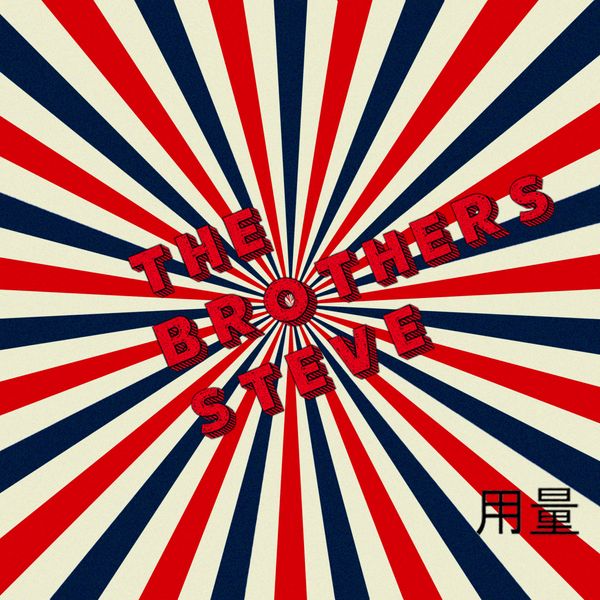
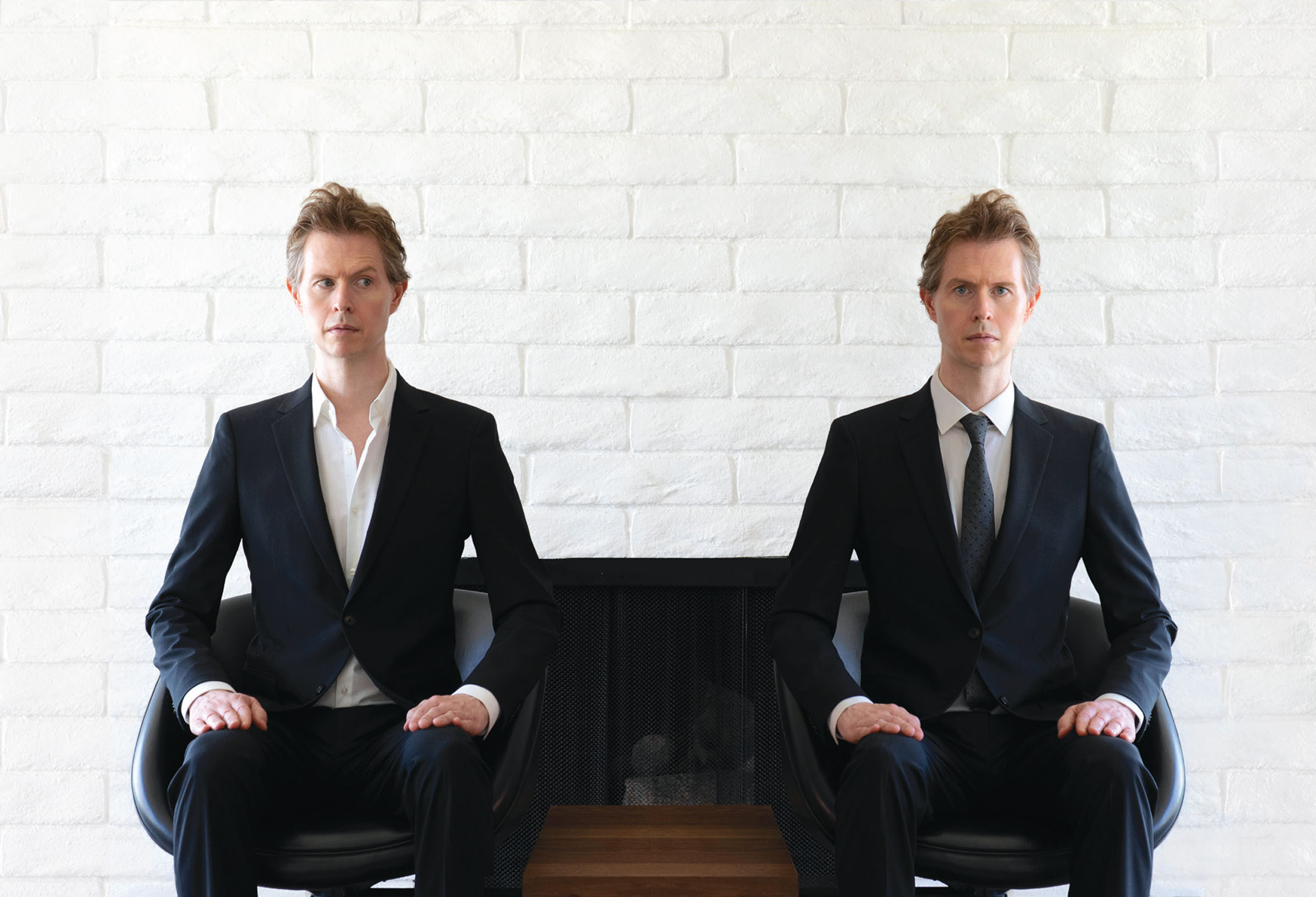
The Brothers Steve – Dose (Q&A)

Shh-boom, shh-bang, new york jimmy-willy, Do bop ba lamma, chapeau banana, and the pure joy of singing together.

DOSE, The Brothers Steve’s second record, will be released on October 15 by Big Stir Records.

Jeff Whalen and Os Tyler talked about that Covid thing, natural progression, telling Beth you just can’t find the sound and the beauty of harmony vocals.

The album has a different ‘vibe’ compared to the debut. It looks like the band dynamics changed a bit. Major shift or natural progression?   

Jeff Whalen:  Yeah, I dunno!  For our first record, #1, we had learned all the songs in a room all together with the idea of playing them live.  When it came time to record the album, we tried to track it as live and as quickly as possible to try to get that vibe of how we sound as a band.  

This time, for Dose, they had that Covid thing going around, so we had to record in a socially distanced manner instead of the emotionally distanced approach we take to most things.  We couldn’t develop the songs live, and we really couldn’t even rehearse in a normal way.  We had to learn our parts and record in shifts, with at most a couple of us there at one time.    

But more than all that, the way we recorded this album left Os and me alone in the studio for a lot of it, and when that happens, things get really overdubby really quick.  

Os Tyler: I like to think of Dose as a natural progression for us. Everything is constantly evolving; everything is always changing, which has to be reflected in any creative process, and Dose is just the sum of everything we put into it. Everything going on in the world and in our lives shaped it. There was no conscious effort to make a major shift. Just letting things evolve naturally! 

The harmony vocals make all the difference. BEAUTIFUL. I like to think you recorded them all in one room, but that probably is not true?   

JW:  Thank you so much!  Doing harmonies is really one of the funnest things about being in this band. Unless someone stops us, Os and I will keep adding vocal parts and harmonies well past the point of it being a good idea.  Then we have to go back and take out just hours of “Shh-boom” s and “shh-bang” s and “new york jimmy-willy” s and all manner of similar whatnots.  

OT: Yeah, super appreciate your appreciation of the harmonies we’re putting out there. Harmonies are magically uplifting. Even if we end up taking them out later, I think the song can still be informed by the “Do bop ba lamma, chapeau banana” that was in there for a little while and then went away. There’s a ghost of a reminiscence driving the song from the back of the theater. 

JW: And yes, but no, we recorded them all in the same room, but they weren’t done all at once.  There was a brief period in the spring/early summer in which Os, Dylan, and I all sang together in the vocal room a few times, but then it went back to masks-back-on, one-at-a-time in the vocal booth. 

OT: Dylan and Jeff, and I have spent a lot of time blending our voices together. It’s like diving into a velvet cotton candy cloud, and that’s true whether we’re singing live or together-but-separate in the vocal booth. 

How did the record come about?   

JW:  It had to be done!  There was no escaping it.  We had a grip of tunes and an overarching concept. Once you have those things, as a band, it’s hard to not record.  From there, it’s just a matter of getting coffee and cookies and pizza and candy and telling Beth that you hear her calling, but you can’t come home right now, cuz you and the boys are playing, and you just can’t find the sound.    

OT: It was a snowball that started as a tiny vibration. Every one of us in the band has a firm conviction that fundamentally, there’s only one thing people are here to do. Make art, make music, create a magic vehicle for love. It’s not easy to do with everything else going on in the world. So when you have a chance, when you sense that tiny vibration, you gotta roll up that snowball and push it along until it’s big enough to ride down the hill. 

Do you still dream about playing those songs for a HUGE audience?   

JW:  Yes.  

There is a Dutch family that lives in a small house in the center of beautiful Utrecht. Yesterday, while cleaning up after dinner, music by The Brothers Steve and Tsar was played in that house, and then the whole family sang or danced to the music. I just want you to know. 

OT: Such a beautiful scene; that’s exactly the dream, joyful hearts hearing and moving to this music is why it exists. 

JW:  That is the greatest thing I’ve heard today.  Thank you for that, Patrick!  

Songs by Jeff Whalen and Os Tyler
Recorded by Os Tyler and Jeff Whalen

The Brother Steve are:
OS: Singing, guitar
Jeff: Singing, guitar
Dylan: Singing, guitar
Jeff: Bass
Coulter: Drums

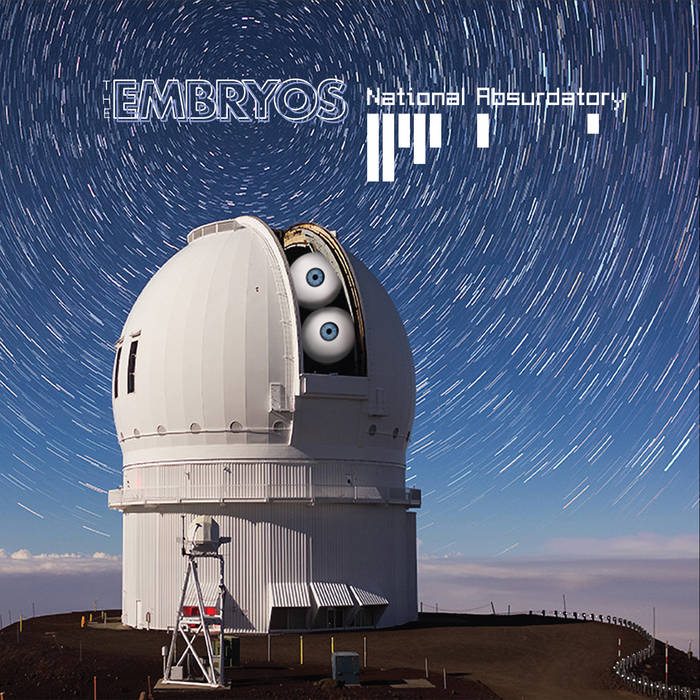
The Embryos – National Absurdatory (Q&A)

‘We all pushed for perfection on Morning Birds,’ says Finn Swingley, songwriter, guitarist, and vocalist for The Embryos. The opening track of the record, National Absurdatory, is indeed an example of a perfectly beautiful song.

Sweet Sweet Music spoke to Swingley and songwriter, drummer and singer, Joe Daley about musical socialism and the creation of the new record, which will be released on Kool Kat Musik soon.

How did this record come together? 

FS: The first session for this album happened in February of 2020.  It was the first time we’d started recording the complete rhythm section at our new studio (Soapbox Music).  I think we were all excited to record as a band with total control over the outcome.  The songs from this session were Rattlesnakes, Someone to Hold Me, and The Funky Embryo.  

Then, of course, COVID lockdowns started in March. For a long time, we were not really getting together to make progress on the record.  Little by little, new songs were coming together. These were starting out more and more as individual contributions that we built up piece by piece.

A lot of painstaking work happened then, tracking and re-tracking parts.  That “social distance” period impacted the outcome, resulting in quite a few more acoustic-based and introspective songs.  

The meaning of success has changed over the years. What would success look like for the new record?

JD: We’ve ordered 25 CDs to sell online and at our shows. I would consider it a tremendous success if we sold all 25.

FS: We do it because we enjoy it and want to have a record of the music that we write.  We consider each incremental thing a success, a good review, a new fan, radio shows picking up our songs or an appreciative audience.  Unlike Zappa, we are not in it for the money.    

How great is the urge to stay creative?  To keep writing songs and lyrics?  

JD: At this point, the opportunity to be creative and to have fun are the driving forces. I think we find songwriting and creating music as natural as taking a breath. It’s part of who we are.

FS: I think we all have a bit of a drive to continue to create.  Even if there wasn’t a band, I do not doubt that each individual member would continue to write, record, or perform.  We’ve all been doing this for most of our lives, and we keep learning more.

Speaking for myself, I try to trust the music. Songs either come fully formed in one go or get worked out slowly over a long period of time.  For me, It’s rarely anything in between. I also seem to have streaks where a handful of new songs will come at once and then lulls where I don’t do anything new for quite a while.  

As long as new things continue to come, I’m happy. If I do hit a writing block, you can use techniques to kick start the creative process.  I certainly would be surprised if I don’t continue to write new music into old age.  

When was the last time you thought, ‘I just wrote a hit!’? 

FS: We all pushed for perfection on Morning Birds, with everyone contributing to multiple rounds of the process.  Our bassist Brian wrote the tune. There was an initial tracking. Then, our guitarist George made some pretty significant changes to the arrangement and tempo. Joe came back and re-tracked the drums.  We brought in the string players, who did a fantastic job.  Then we went through numerous mixes and eventually re-tracked the vocals. We hired Brian Deck to do the final mix. We think it’s a hit anyway.

You can pick three co-writers to write new songs with. Who? … and Why?  

JD: Oh man! The list is endless.  

Ray Davies – genius lyricist and melody writer.  
Lee Hazelwood – unique and legendary.  
Harry Nilsson – among the greatest signers and melodicist of his generation. Why not work with the best? 

Is recording a record easier than getting it heard nowadays?

JD: Certainly…yes. Radio programmers, writers, and bloggers are being inundated with new music.  The advent of DAWs, Garage Band, and affordable recording gear have lowered the barrier for entry. Technology has thrown open flood gates of creative expression to anyone with a smartphone.

On one hand, it is an incredibly fertile period for musicians and artists at every skill level. On the other hand, quality control does not exist anymore. It’s a bit of a mixed bag. 

You can’t control the way people ‘hear’ your music. But if you could make them aware of certain aspects, you think, set your songs apart. What would they be?

JD: Hopefully, people will hear interesting lyrics, catchy hooks, and strong melodies. I think the element that set our songs apart is our collaborative spirit. Our uniqueness flows from our ability to work together on guitar parts, vocal arrangements, glockenspiel, or whatever, and make songs more original than they would have been if we acted independently—musical socialism.

The Embryos:
Brian Daley: Vocals, Guitar, Bass Guitar
Finn Swingley: Vocals, Guitar, Piano, Wulitzer Piano, Rhoads Piano, Percussion
George T. Drag: Vocals, Guitar, Bass Guitar, Keyboards, Harmonica
Joe Daley: Vocals, Drums, Percussion

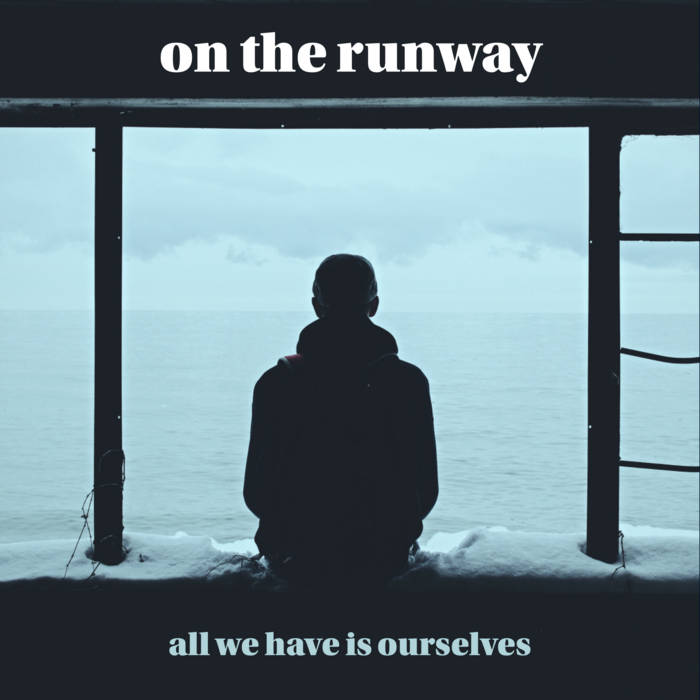
On the Runway – All We Have Is Ourselves (Q&A)

Dave Norris and John “Boz” Boswell have been making music together for a long time. Around the turn of the century, they made some beautiful records with Crash Into June full of classy Indie Power Pop songs, and they are doing it again now, as On The Runway.

On All We Have Is Ourselves, the are five songs that are bursting with quality.

What was the moment you knew you were on to something?

BOZ: When Dave played the demo for “This Charade.” The sound was there, and I knew it was going to be a great record. A continuation of a musical partnership that we’ve had for the last 23 years or so…

How did this record come together?

BOZ: I was talking with Dave about recording some new music together. He said he’d been working on some stuff, and he sent the ideas to me. We agreed that working with Neilson Hubbard as a producer again would be the way to go. We also wanted to go to Nashville and record.

The meaning of success has changed over the years. What would success look like for the new record?

BOZ: Obviously, we want as many people to hear it as possible and would love for a song or two to end up in a movie, tv-show, etc…but ultimately, it’s how it makes you (artist) feel. Because at the end of the day, we’re really just doing it for ourselves.

How great is the urge to stay creative?  To keep writing songs and lyrics?

DAVE: Very great! I always have Voice Memos on my phone ready for any ideas that pop into my head; words, melodies, etc.… The process is ongoing and ever-present. Of course, ideas come in the car, taking the dog out, on the treadmill, etc., so I can’t ever be without the trusty smartphone. Of course, it sounds cliche, but writing songs can be very cathartic and a form of therapy, if you will.

You can pick three co-writers to write new songs with. Who? … and Why?

DAVE:

Gerard Love (Teenage Fanclub) – Such a keen sense of melody and masterful ability to turn a hook.

Adam Schlesinger (Fountains of Wayne, Ivy, etc.) – Gone way, way too soon. A true genius with words and melodies. Irreplaceable.

Gary Lightbody (Snow Patrol) – Such a vivid lyricist, creates atmosphere and mood on tunes so perfectly.

BOZ:

I love how each of these artists write. The lyrics mean a lot to me too. To be able to play or collaborate musically would be great.

Mark Hollis (Talk Talk)

Richard Ashcroft

Tommy O’ Dell (DMAs)

What’s the gig you will never forget? And why? 

DAVE:

Both of these bands and gigs speak for themselves – seminal artists in their prime. No substitutes!

Oasis – Definitely Maybe tour 1995 Memphis

REM – Life’s Rich Pageant tour 1986 Memphis

BOZ:

Oasis, February, 95 at The New Daisy, Memphis, TN. I’d been into them already and couldn’t believe I was going to see them in a small club in Memphis. They still felt like one of those bands that only a few of us knew about. Of course, they were huge in England.

The other is when our band Crash Into June had our record release party for our first album back in ‘99 at a club here called Newby’s. The place was packed, and I’d never played in front of that many people. It was electric and epic. I’ll never forget that.

When was the last time you thought, ‘I just wrote a hit!’?

DAVE: I always felt great about “This Charade” when working it out on the acoustic guitar many months back. And the touches Neilson and Will brought to it just elevated it even more. So after we put it all together in the session, I was highly pleased with how it came out. I felt the same way about the song “Breakthrough” from our band Crash Into June as well. 

Is recording a record easier than getting it heard nowadays?

DAVE: Absolutely, yes. Getting your stuff heard, especially promoting on your own, is a real challenge and requires hard work and a bit of luck.

Cassettes are back. Which 5 five songs would make your first mixtape? 

DAVE:

Such a hard call, but I’ll go with these:

Sparky’s Dream – Teenage Fanclub

Bye Bye Badman – The Stone Roses

She Came On – Super Deluxe

The Big Lie – Gigolo Aunts

Slide Away – Oasis

Recording music. What’s all the fun about? 

DAVE: Of course, bringing the demos you have made to life is so satisfying. I think the best and most fun parts are the surprises, the parts you didn’t plan that really bring a song together. 

Playing music in front of a crowd. What’s all the fun about?

DAVE: Just the feeling and vibe you get hearing your tunes rocked out. The positive feedback from the audience and that validation can be a rush too, no doubt. 

Bryan Estepa – Back To The Middle (Q&A)

Bryan Estepa has once been labeled one of ‘Sydney’s best-kept secrets’. It is indeed difficult to understand why the masses do not celebrate his uber accessible pop songs.

‘Back To The Middle’ also contains six very beautifully designed songs. Go hear it!

What was the moment you knew you were on to something?

I think I knew that something exciting was happening during my first session with Josh Pyke recording the first single –‘Admit now, Pay later’. I came into this session with no set ideas on the sound I wanted for this song, but my gut told me that Josh was going to be the right guy for this approach. There was a moment in the guitar tracking where he added an odd XTC-like riff, which I would not have thought of doing. It worked perfectly in context, and it just lifted the song to another level in my mind. That’s when I knew we were on to something good!

How did this record come together?

This record probably would not have happened if not for COVID locking down the live music scene in Sydney. Josh Pyke & I first got together during one of the first few weeks when Sydney was relieved from our first lockdown in mid-2020. I was restless and needed to scratch a niggling creative itch. I was dying to get out of my house and connect with humans again on a musical level. It all kind of blossomed from there.

Lyrics are too often taken for granted. What is the line of text, or are the lines of text that you hope listeners will remember? And why?

Lyrically, I’m probably the proudest of my work on ‘Trick of the light’. It was a very cathartic song for me to write, and any fear I had of being open and vulnerable disappeared when I finished writing the song. It contains the line ‘Letting go is hard, even if we pull down our guard’. A line that I hope connects to people’s fear of moving forward and letting go but also embracing the strength involved in doing so.

When was the last time you thought, ‘I just wrote a hit!’?

Well, in my head, every song I write will be a hit, but then reality hits, and I’m usually just back repeating myself or writing gibberish. But I remember finishing tracking ‘I’m not ready for this’ and on hearing the playback thought –‘My god, I think this could be my first hit!’. It was very catchy, and I knew I could keep listening to it without getting sick of it. It wasn’t a hit in terms of commercial charts, but if you look at the streaming side of things, I guess this is as close as I can to having a ‘hit’ song.

Cassettes are back. Which 5 five songs would make your first mixtape?

Well, firstly, this mixtape will have a theme (it’s a rule, right?!). So, cos Australia is heading towards Summer; This will be my Welcome to Summer mixtape – Side A:

1. Wake up – Boo Radleys

2. Shining Light – Ash

3. Under the boardwalk – The Drifters

4. Levitating – Dua Lipa

5. Born Slippy – Underworld

Ward White – The Tender Age (Q&A)


Ward White describes himself as an art-rock crooner. An accurate description, I would say.
On The Tender Age, Ward reminds me of David Bowie and Parthenon Huxley.
Quality for gourmets. What an overwhelmingly beautiful record.

++ Sweet Sweet Music Song premiere ++

Easy Meat is the second single from The Tender Age!

Ward White talks about cinematic incidental music, unexpected layers, the instant-gratification itch, and the creation of his new record.

Lyrics are too often taken for granted.  What is the line of text, or are the lines of text that you hope listeners will remember?  And why?

Lyrics come to me as snippets of dialogue, often as a fully-formed opening line. There’s very little in the way of first-person confessional in my writing these days. I rarely know what’s happening in these songs; I’m dropped in the middle just like the listener. I try to shepherd things in a reasonable direction, but I never look to foist a resolution on any of them – I prefer the mystery.  I suppose there’s an element of cut-up technique at play, as well. I would hope that listeners formulate their own backstories for these characters and their odd conversations, with the arrangements serving as cinematic incidental music.

Recording music. What’s all the fun about?

I’ve been enamored with the recording process since I first laid hands on a Tascam Porta One. There’s a challenge to chasing down a sound you have in your head, layering elements until it comes as close as possible to the ideal; conversely, as a track develops, it often exposes unexpected layers to the song, sending you in a completely different direction. Some of my favorite moments have come from subtractive mixing – stripping away recorded components of the arrangement to reveal a whole new palette. You can gain a lot by being brave enough to throw things away.

Is recording a record easier than getting it heard nowadays?

High-quality recording is certainly more accessible now, and technology has made the process infinitely mutable. You still have to do the grunt work, but it allows for a level of immediacy that was impossible in the past. That immediacy extends to distribution of the finished product – you can hit ‘export’ on your final mix and have it for sale on Bandcamp five minutes later. While it certainly scratches the instant-gratification itch, it contributes to a flooded marketplace, wherein it’s nearly impossible to parse the onslaught of content. This is hardly unique to the music business, just a symptom of our internet-addled culture. For all its flaws (and there were MANY), the old record label system did serve as a filter; if they were going to push a record, you were going to hear it. You can spin a million hypothetical arguments around whether iconic artists of the past would have equal success in the current climate. Randy Newman once said to me, “I don’t know how you guys do it now. I’d never have a chance today!”

How great is the urge to stay creative?  To keep writing songs and lyrics?

There’s a fine line between urge and compulsion, I suppose. At a certain point, the process automates itself to a degree; I’ve managed to put out a record every year or so for more than a decade. The funny thing is, they never begin with any deliberate intent to create. It’s really just a waiting game, and without realizing it, I’m knee-deep in the muck again. As exhausting as the mantra of “write/record/promote” can be, I always come back to it, so I’d classify it as semi masochistic. The trick is to never let yourself get too precious about what you’re working on – every record is just the one after the last and before the next.

How did this record come together?

As with my last few records, I wrote, produced, and provided vocals, guitars, and bass. I worked with my usual co-conspirators, drummer Mark Stepro, keyboardist Tyler Chester, and engineer/mixer John Spiker. I’m always thrilled to reconvene with these guys, especially given their schedules; Tyler, who is as gifted a bassist as he is a keyboardist, produced and co-wrote Madison Cunningham’s Grammy-nominated debut album Who Are You Now. I was able to grab Mark just as he wrapped up tracking drums on The Wallflowers’ Exit Wounds, and John is always busy as bassist, engineer, and producer for Tenacious D (as seen and heard in The D’s viral YouTube cover of Time Warp for Rock The Vote.) We tracked drums, and basic guitars at Spiker’s studio, keyboards at Tyler’s place, and I did all my parts at home. We came back to John’s to mix, and I was happy to have my old friend, Joe Lambert, master it.

Cassettes are back. Which 5 five songs would make your first mixtape?

I dunno… can you give me a lift to Radio Shack?

The Junior League – Bridge and Tunnel (Q&A)

“Bridge and Tunnel”, The Junior League’s new record, will be out October 1st on Kool Kat Musik and via the digital streaming services. Joe Adragna tells how a few songs grew into a full-fledged record.

There seems to be so much confidence in the performance of the new songs that you must have known very early in the writing process that you were writing some great tunes?

I knew that I liked the songs, but I’m not sure if I felt confident or not. When I played some of the songs in progress to some of my friends, their responses spurred me on. Sometimes I like stuff, but I truly don’t know if anyone else will. I’m terrible at figuring that out. Luckily for me, ultimately, when I’m doing stuff, I’m doing it for myself anyway, so if I like it, it just becomes a matter of if I’m willing to subject other people to it! Hahahaha

On Not My Time, I think you sound like Joe Jackson. Do you consider that a compliment?

Absolutely a compliment. What a nice thing to say, thank you! Obviously, it has a late 60s Intruders type thing happening–I didn’t think about Joe Jackson, but I’m certainly happy to accept that.

The song was initially on a soundtrack that my friend Casey McAllister had done for a film called “Bloody Nose, Empty Pockets”. It’s a fantastic soundtrack, by the way, you should check it out! Anyway, he had a song on there that was like a minute long, and I fell in love with it. I asked him if I could use it and that I had some vocal melodies and lyrics I’d like to put with it. He agreed, and I sent him an idea of what I wanted to do– taking his version and extending it, as well as adding my vocals to it.

He then recut the track to fit my vocals, and I put my drums and vocals on his new version, and voila! Casey is playing everything on that track but the drums! He’s a super talented guy. We’ve known each other for a long time–and we’ve played together in a few groups.

How did this record come together?

I was recording at my home recording space, as usual. I initially thought I was going to do an EP. I figured I’d make a four-song EP back a year or so ago, centered around the song “54”. I had that one, maybe Hart Island and Woodlawn Avenue as well, but I kept writing songs.

I had about six, and I hit a bit of a wall. My friend Jay, who had heard the songs, knew that many had some New York connection to them. He suggested I keep trying to write about New York; maybe use that as a common thread.

Then I saw that picture that my friend Linda took, which is the cover, and that was it. I wrote Library Bar after that, and then maybe the lyrics for LIRR…..I can’t remember. Not all of the songs have an obvious New York connection–but it is there. As far as the recording, I had all of the basic tracks done. As on most of the other Junior League records, my incredibly gifted friend Scott McCaughey mixed a bunch of the songs and added amazing keyboard, guitars, and vocals all over the place. He was very encouraging and made me much more confident because he’s fantastic–I mean, he is, in my opinion, one of the best –if he likes the songs, they must be all right!

In addition, my very talented friend Mike Giblin had also been acting as a sounding board and was super encouraging. He also really made me feel much more confident about the songs. He mixed three songs off the record, including Not My Time.

I also had Deni Bonet adding her gorgeous strings on “54” and “Woodlawn Avenue”. I also had outstanding contributions from my friends JJ Murphy, Peter Searcy, and Liam Catchings. I guess it started out moving quickly, I hit a bit of a wall, but then a lot happened at the end!

When you recorded The Sunshine Saves Everyone, you probably knew right away that it had to be the lead-off track?

For the longest time, the lead-off track was going to be “Not My Time”. But yeah, once I wrote “Sunshine”, I figured that had to be it. I think Scott suggested that it should be upfront too, and he was right.

How easy or difficult is it nowadays to promote the record by performing live? You could almost say these songs demand a stage.

I don’t know. I’d certainly like to play them live; at some point, I might do some shows, even if acoustic. But it’s so hard to say. I even thought about doing something online, but I don’t know if anyone would watch?

I’ve watched some of my friends’ live streams and have enjoyed them a ton. I am hoping to do some shows maybe next year. I hope to, anyway. I have a lot of stuff between this record and the Sadabouts EP that Casey Neill and I put out. I think it isn’t easy to get your stuff noticed because there is so much out there, and so many people are being creative and putting things out. I’m just appreciative of those who carve out a little time for my stuff. And I appreciate you asking me about it!

The Easy Button – Lost On Purpose (Q&A)

Already on the first listen, Lost on Purpose reminded me of Welcome Interstate Managers. Not only in terms of sound but also in terms of theme and size. And in quality! What a load of good songs Brian Jones has written.

The comparison with Fountains of Wayne is no coincidence at all. Brian Jones himself explains why.

How did this record come together?

After our last full-length release, I planned to take a long break from writing & recording my songs to focus on other projects. Then when Covid hit in Spring 2020, and we were in quarantine, I found that time to write music was all I had. That, combined with the passing of Adam Schlesinger of Fountains of Wayne, I felt that time was now available but not guaranteed. A few months later, I started making demos for what would become a 22 song album.

How great is the urge to stay creative? To keep writing songs and lyrics?

Songwriters know that it’s just inside you, and you can’t escape it. Like I said before, even when I tried to stop, the songs wouldn’t. I find that the melodies just come to me without really trying, but once they arrive, the urge to make them better each time helps you develop a catalog of songs that change and mature with you.

You want to develop “your sound” but not get stuck there doing the same thing on each album. Like Paul McCartney from “I want to hold your hand” to “Yesterday” to “Back in the USSR” and finally “Let it Be.” The same guy, same “sound,”..but with time, each song develops and adds a new dynamic.

You can pick three co-writers to write new songs with. Who? … and Why?

I love so many songwriters, but 3 I would love to write with would have to be; Mike Viola: My favorite writer, and I would love to write a movie soundtrack with him.

Elvis Costello: He would bring out sounds in me that I’ve always loved but never been able to write like New Wave and Electronic.

Ben Folds would be amazing to write with as he would bring out a “grand meet personal sound” that I’ve always admired.

Combing piano ballads, rock licks with complex harmonies with the occasional orchestral part. On our new album “Lost On Purpose“, we were thrilled to have four different guest artists add vocals and/or keys, which was something we’ve never done before. Daniel Brummel (Ozma), Bill McShane (Ultimate Fakebook), Brendan Lyons (Toledo), and Sam Black (Modern Amusement, helped to make these songs even better than we could’ve imagined.

Lyrics are too often taken for granted. What is the line of text, or are the lines of text that you hope listeners will remember? And why?

In the spirit of taking risks and developing each new song into something different, I really tried to write more “stories” and develop characters without allowing myself to be the focal point of each song like I have done in the past.

When you’re writing from a character perspective that challenges you to say what they are thinking, the song “Mississippi” chorus repeats “I don’t know what you’re going through” over and over again. This deals with someone in their profession, expected to have all the answers but really doesn’t.

The song “Beach Singer Man” says, “He doesn’t mind if you’re not kind and just talk over him cause there will be a day when his ship will come in.” This is sung from the struggling musician’s perspective. “Fast Ones” says, “I want one sad refrain. We all have one past mistake we keep repeating. Flowers need the rain and I need it eighty eight beats per minute”.

There, of course, are many lyrics from my perspective like “Get Lost On Purpose, you might find that you’re home”, from the track “Learning To Drive,” which is about taking risks and failing to find the right path hopefully.

You can’t control the way people ‘hear’ your music. But if you could make them aware of certain aspects, you think, set your songs apart. What would they be?

I’ve always enjoyed songs that are timeless and real. I hope listeners relate to the lyrics and find themselves instantly hooked by the melodies and can appreciate the songwriting craft as I do. We even released the new album on Vinyl so listeners could sit down and enjoy it without the impulse to shuffle. Take it all in. Get Lost on Purpose!