Nine years after Therapy, PLASTICSOUL return with We Can Hear You, Clem Fandango, an album packed with glam-rock swagger, sharp guitars and deeply personal songwriting. Shaped by loss, recovery and a renewed love of rock ’n’ roll, the record finds the band reconnecting with its earliest influences.
Frontman Steven Wilson talks about the long road back, the music that shaped him and why this might be PLASTICSOUL’s most authentic album yet.
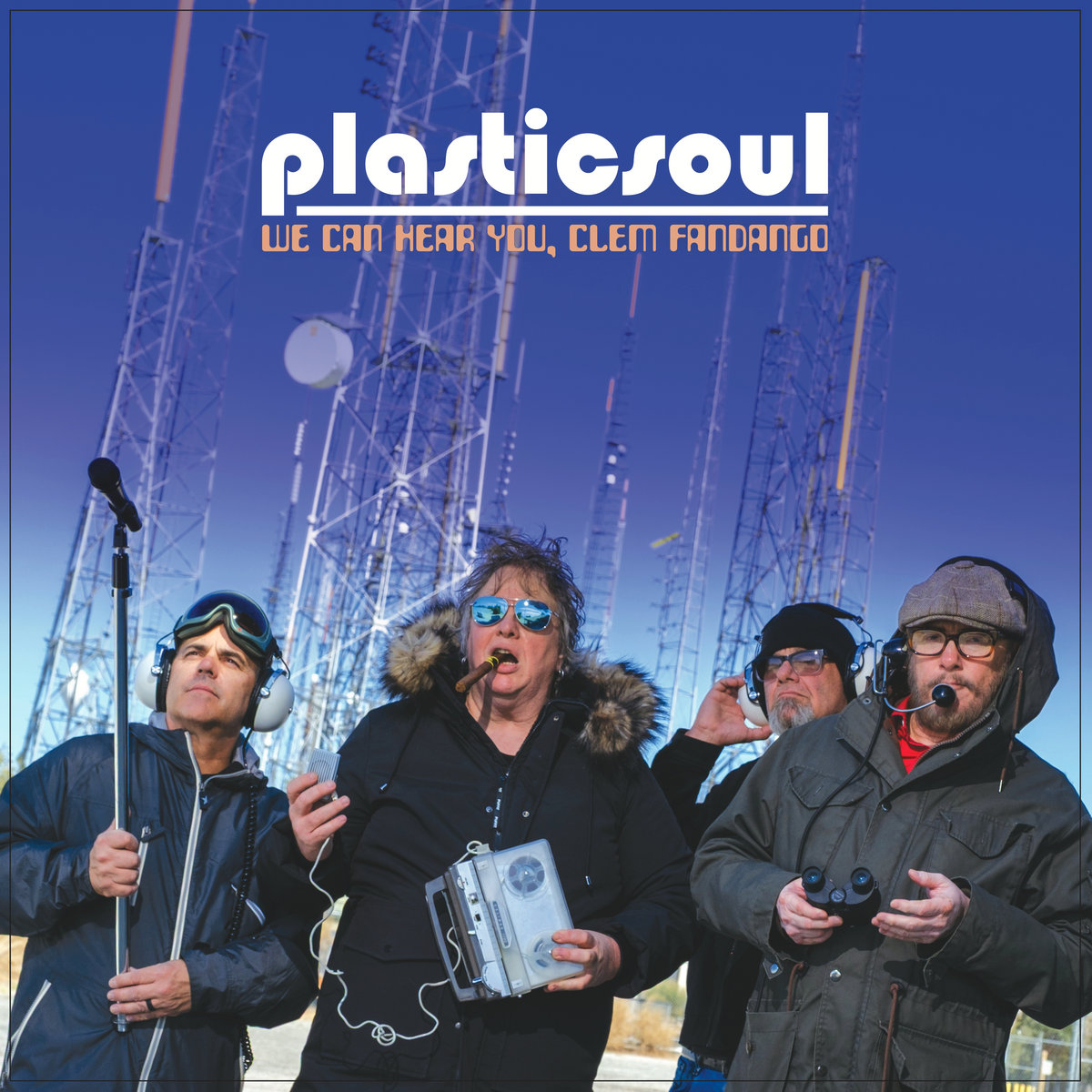
Nine years since Therapy: what finally brought PLASTICSOUL back to making a full-length album?
Steven Wilson: So many things happened in nine years. My wife and I moved from Southern California to Northern California which was the first major move for me since I was a toddler. Of course, this made it harder to work with the band on the new songs. Some of the songs we had previously worked on I decided weren’t quite up to snuff, so I cut them in favor of other songs that we needed to start from scratch. Then covid happened. During the pandemic I lost my mother and two very dear friends (none from covid). All of this led to a crippling bout of depression which almost ended me. I found a great therapist, started taking some great meds, and began to feel like myself again. Once we started to see the covid numbers decline I began traveling back and forth to Los Angeles to work with the band on the album.
My intention was to have this new album out within three years of its predecessor, Therapy. But as John Lennon said, “Life is what happens to you while you’re busy making other plans”. Indeed!
You call this a rock ’n’ roll album, with a stronger glam-rock sound than before. Was that a conscious decision?
Steven Wilson: I don’t know if it was a conscious decision so much as I just allowed myself to make the music that I wanted to make without thinking too much about it. Our first album, Pictures From The Long Ago, is me trying to be a serious singer/songwriter like Aimee Mann, Michael Penn and all of the artists that you might have found playing at Largo in Los Angeles in 90’s. Makes sense, I practically lived there during that time. I absolutely love those artists and they definitely had their influence on me, but I grew on David Bowie, Queen, Cheap Trick, T-Rex, Kiss, Sweet, Slade, etc. I cut my teeth on that music, literally. I learned how to play guitar by playing along to their records. Those bands are the reason I wanted to grow up and have my own band. So this is the band in its most pure form. It’s a continuation of what we achieved on the previous album, Therapy. Just more so.
You’ve road-tested these songs live over the years. How much did playing them on stage shape the final recordings?
Steven Wilson: Our songs do tend to evolve over time in the live setting, but I think in the case of this batch of tunes they were just honed and refined and got tighter and tighter. We did try to keep the instrumentation in the songs simple and not add to much that we can’t duplicate live. We wanted to really focus on 2 guitars, bass, and drums.
There’s plenty of attitude and social commentary here, but also some surprisingly hopeful songs. Was that contrast intentional?
Steven Wilson: No. Not consciously anyway. I do think they are some of the most honest and personal songs that I have written. I could have written an entire album of “social commentary” songs – possibly a double album – considering the state of the world. But I don’t think I’m that sort of songwriter. There are few people in my book that can do political songs really well – Dylan, Billy Bragg, The Clash, Midnight Oil – I don’t think I’m one of them. The hopeful side of the album probably stems from coming out alive on the other side of the last few years and feeling grateful.
You’ve described the album as your purest expression of PLASTICSOUL yet. What makes this record feel like the band at its best?
Steven Wilson: It’s as close as we have come to sounding like the band does live on stage. And it’s a reflection of my earliest influences that I absorbed during my most formative years. The music that is part of my DNA now.
Listen to We Can Hear You, Clem Fandango on Bandcamp.

