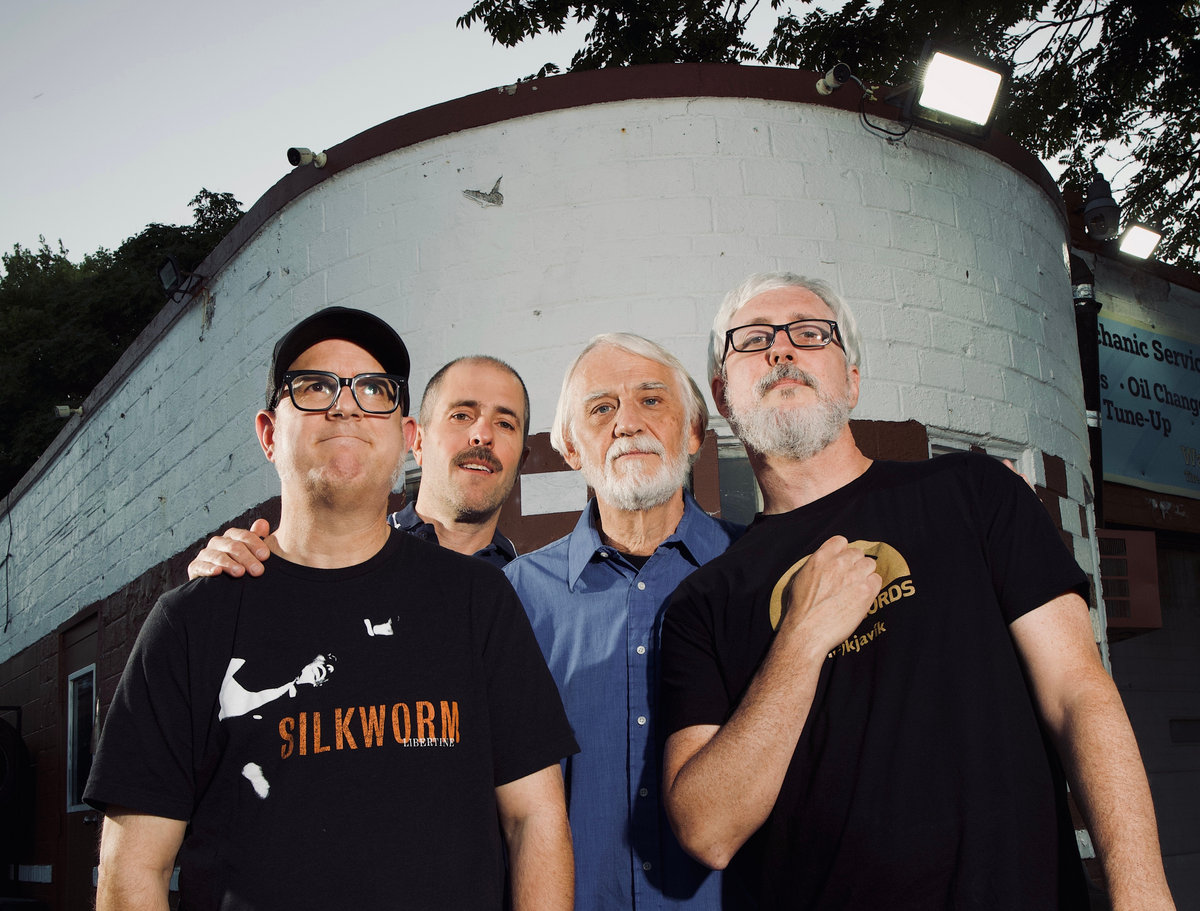
Smug Brothers: Twenty Years, Twelve Albums and Still Chasing the Perfect Hook
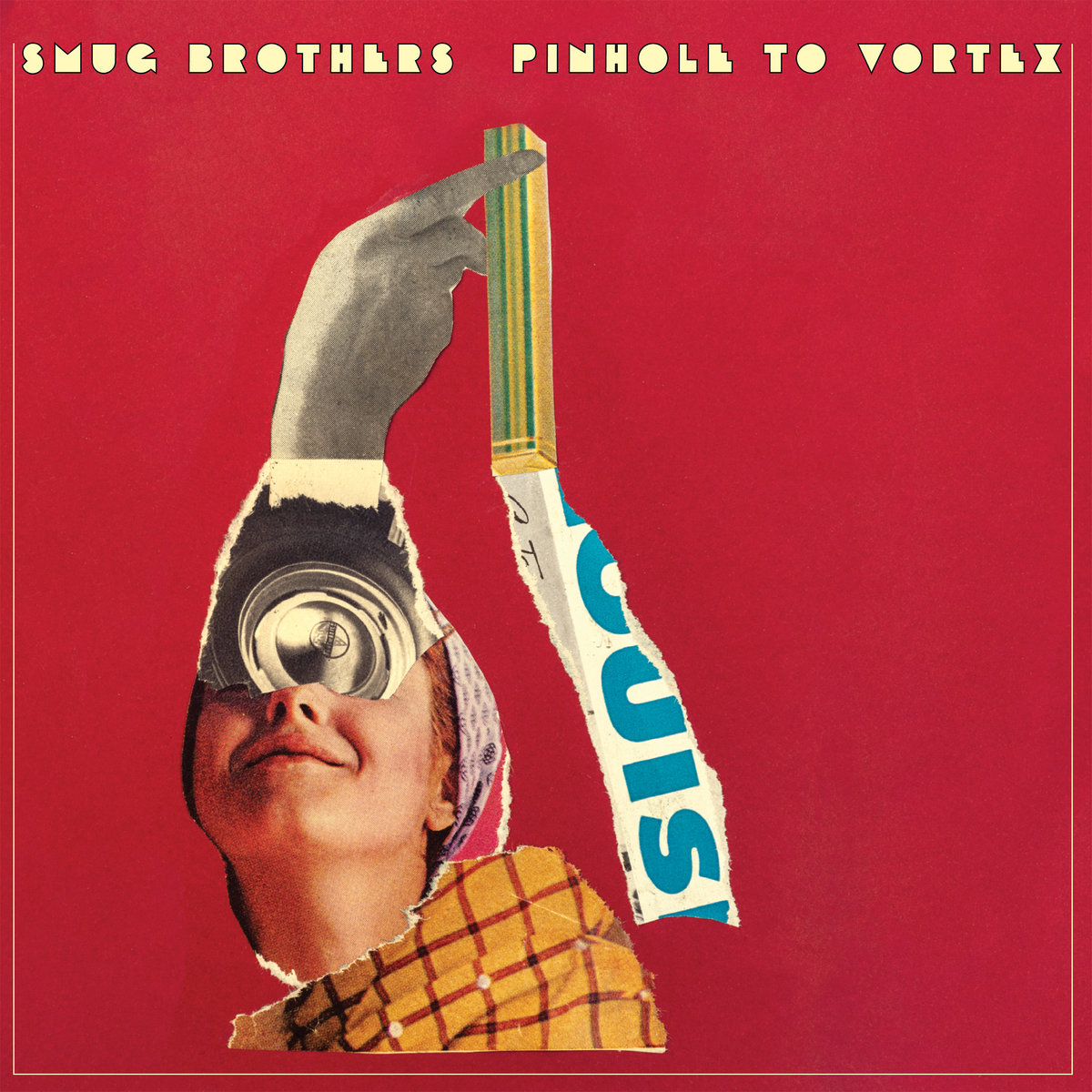
Twenty years and twelve albums into their journey, Smug Brothers show no signs of slowing down. Their latest release, Pinhole To Vortex, delivers another irresistible mix of crunchy guitars, jangling melodies, offbeat lyrics and infectious hooks. Recorded over several years at their own Fork Rock Studios, the album captures a band that continues to explore new ideas without losing its distinctive identity. We caught up with Kyle Melton to talk about the making of the record, the enduring appeal of guitar-driven indie rock, the bands keeping the scene alive and the satisfaction of releasing new music after two decades.

Pinhole To Vortex is your 12th album, and Smug Brothers have been making music for twenty years now. Looking back, how has the band’s sound evolved over that time, and what still defines a Smug Brothers record for you?

KM: Well, I think there are always the core elements we’re interested in: big hooks, slightly obtuse lyrics, and mix of crunchy and jangly guitars, and songs that have a way of sticking with the listener. In the early days, it was much more haphazard and scattershot. We tried a lot of ideas, and a lot of times we went with the initial spark of an idea rather than spending a little more time hashing it out and polishing it. These days, we have a bit more opportunity to flesh out ideas at our home studio, Fork Rock Studios, and add layers to the recordings that we didn’t in the early days. That said, we still try to stay as close to the spark of the idea as we can without working an idea into boredom for ourselves. As far as what makes a Smug Brothers record: it has to have some good hooks, there has to be a little weirdness in there, and some kind of throughline and flow for the listener from beginning to end. We want each album to be a complete and unique listen.

How did Pinhole To Vortex come about? Where did the songs and ideas for this album originate, and how did they develop into the finished record? Did you have a particular direction in mind, or did the album take shape as you went along?

KM: We started tracking for this album in summer 2024 and continued tracking until early 2026, but there were only a handful of tracking sessions with drummer Don Thrasher and I to get songs together. Some of the material was older, but I was writing a lot of new stuff as we went along, and slowly a coherent album emerged. There were 3 songs that ended up as digital B-sides, and several more that are still just in the pot for the future. It wasn’t until the very last recording session in fall 2026 that I knew what the last few songs needed to be to really tie the album together. That’s kinda the process of listening to what we have and figuring out what pieces complete the puzzle, so to speak.

Smug Brothers have been part of the independent guitar-pop and indie-rock world for a long time, and there’s a lively community of bands and listeners keeping that music alive. Do you feel part of a wider Power Pop or indie-pop scene? And are there contemporary bands you feel a particular connection with, or that you’re especially excited about?

KM: Oh yeah, there are a ton of great bands and fans in the guitar-centric indie rock world, and we’re thrilled to be a part of it in our own way. We’ve been good friends with The Laughing Chimes [Slumberland Records] for a few years now, typically doing a weekend of shows in Columbus and Athens once a year. They’re great and we’re looking forward to where they go in their adventures. We just played with Ex Pilots out of Pittsburgh a few weeks ago; Lavender Jets out of Cleveland are really great. And we’re big fans of Kiwi Jr., Sharp Pins, and Good Flying Birds. Lots of great music happening these days.
Has the response to Pinhole To Vortex surprised you in any way? Have the reviews, online coverage and word of mouth brought new listeners your way, or changed how people discover and engage with Smug Brothers?

KM: Well, it was exciting for us to get coverage in MAGNET this year, which has always been an important resource for all of us. It seems people are tuning in slowly to this new one, but that’s alright. We did a much shorter lead-up to the new album; one month instead of three from announcement to release. But we were able to get out to different cities with the new album, which we’ve not really been able to do in the past, so that’s helped a bit. It keeps growing at a glacial pace, which suits us just fine.

Pinhole To Vortex is out now, and the songs are no longer really yours — they belong to the listeners. After twenty years and twelve albums, what does it feel like to release a new collection of songs into the world? Is there a particular track on this record you’re especially curious to hear people make their own?

KM: Putting out a new album is always a buzz for me. Now that I’m handling all the recording and mixing, as well as doing the cover art with my own collages, it’s a new level of intense, sustained involvement for me with this album. But when it’s done and pressed and out to the world, it’s a great feeling that it’s alive, you know? I put so much of myself on the line and it’s great that there are people who are excited to hear it. I would really love to hear about people who are into tracks like “I’ve Seen Them Patch the Same Hole Trying to Get it Right” and “Drive Open in the Delicate Streams”. Those both have special meanings for me personally, so when other people can get into them, that makes me happy.
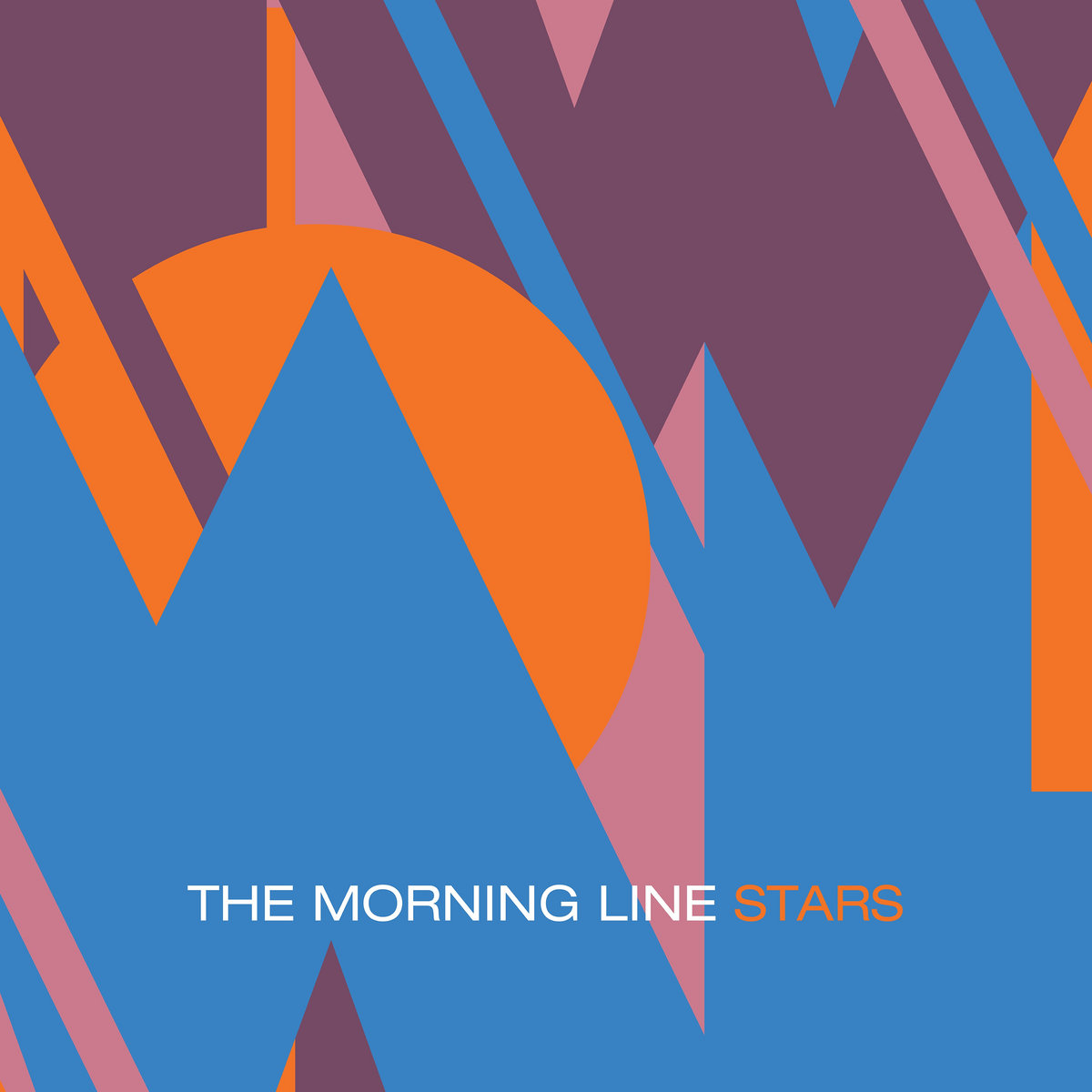


Star Turn: The Morning Line’s Stephen Smith on STARS

There’s a particular kind of record that only gets made once a band has stopped worrying about what it’s supposed to prove — and that’s the record THE MORNING LINE has made with STARS, out September 18th on Big Stir Records. Twenty-one tracks, twenty-plus years, and a back catalog stretched between a 2007 debut and a 2017 follow-up that a lot of fans never got the chance to connect. Rather than just slap a “greatest hits” sticker on the whole thing and call it a day, the band went back in and remixed the songs they cared about most, added two genuinely new ones (“90s Pickup” and “This Lens”), and rounded it out with the single “Anhedonia” — ending up with something that’s less a victory lap than a re-introduction.

I sat down with Stephen Smith, by his own modest insistence more melody writer than lyricist, to talk about what happens when you go back and remix twenty years of your own songs, what it’s like discovering your old lyrics are “not half-bad,” and why a two-decade-old band still bothers showing up.

A “best of” record usually gets made when a band’s looking backward out of necessity — end of a chapter, lineup change, anniversary. What was the actual trigger for STARS? Was there a specific moment where someone said “we should do this now”?

Gambling debt? No, I wouldn’t say there was necessity here, so much as desire. We wanted to hear the songs at their best, hence the remixing, and we wanted to have a document that collected a lot of disparate material in one place. In terms of sound, every single thing we’ve done has been recorded and mixed by Peter Craft, who also happens to play drums on most of the songs. His studio has evolved over the twenty-plus years he’s been recording, and he thought he could make the songs sound better. So that’s a part of it. Additionally, in some ways, I think of the band as two bands, not so much sonically as temporally. We put out our first record in 2007 and the next in 2017. So it seemed to me we had some fans of the 2007 record who may have been unfamiliar with our more recent material, and fans of the recent material who could be unfamiliar with the 2007 record. It made sense to have a single document to represent us, that the future (should there be one) can build on. It is a summing up, with improvements.

I credit my wife with the album including the new songs “90s Pickup” and “This Lens.” The record was originally envisioned as a purely retrospective collection. She said that we had to put a couple new songs on it to make it more compelling. Poets do this occasionally, releasing books containing “New and Collected” work. I’m glad we included the new ones because I really like them (obviously), and it does add variety.

Remixing old songs is a strange kind of time travel — you’re not just cleaning them up, you’re making new decisions inside old material. Was there a song where the remix changed how you personally feel about it?

This is something only a band member would probably notice, but the song “The Minutes” just seems more vibrant, more alive, than the previous version. It sounds like what I wanted it to be, but we weren’t able to do at the time. So the sound alone has taken me from, “that’s a good song,” to “goddamn, I love that one!” One of the more dramatic remixes is a song called “All Mine.” On our 2017 album, Smoke, we were delighted to have Paul Kolderie mix that song. He’s an all-time great, and he took some structural liberties with the song. We liked them, don’t get me wrong, but the remix revisits the original structure, makes it a bit longer, adds a chorus. So to me it becomes a bit of a new song.

Stephen, your lyrics get called literate and emotive — what’s a line from one of the older songs on STARS that still catches you off guard when you sing it now, for reasons you didn’t intend back when you wrote it?

Geez, Patrick, that’s going to require some thought. Well, let me start by saying I think of myself as more of a melody writer than a lyric writer, but going through this anthology assembly process has made me listen to the songs and think, “you know, some of these lyrics aren’t half-bad.”

This is not perfectly responsive to your question but, to again invoke the song “All Mine” that I just mentioned (which is not my favorite song, really!), it has a line in it, “we pay the cash and watch the gridded land pass by.” I always liked that line, because of the clarity with which I thought watching “gridded land pass by” captured the experience of flying in a plane. Today, however, the part of the line that delights me is the rhythm or cadence of it. So less the image it provides than the feel.

Is there a song on here that means something different to you now than it did when you wrote it — where age or distance changed what it’s actually about?

When I wrote “Spellbound,” I left a lot of space for what it was “about.” Mental illness? Self-harm? And listening to it today, I think, “Oh, maybe that’s just about growing up.” And it struck me as a theme in a lot of these songs. Getting comfortable in the world as an adult. Getting “credit in the straight world,” as Young Marble Giants sang. Yes, I’m an old man now, but I still have never felt like I know how to be a “grown-up.”

If a version of THE MORNING LINE from 2007 heard STARS, what do you think would surprise them most — not about the songs, but about the band that made them?

Well, I think an answer many people would probably give is “you’re still doing it?” But that doesn’t surprise me. We all love music and making music, and we are all close friends. If you love something, you do it, and who better to do it with than friends?

I think what would surprise them is that there are still a few people – not a lot – who care about what we’re doing. That there are at least a few ears that want to hear what we are up to. And I think they would be grateful. I know we are today.


STARS is out September 18, 2026 on Big Stir Records.

The Nerves: The Album They Never Got to Make — Paul Collins on lost tapes, Third Man Records and reaching a whole new audience

You wanted the best.
You got the best.
The coolest band in the world.
The Nerves.


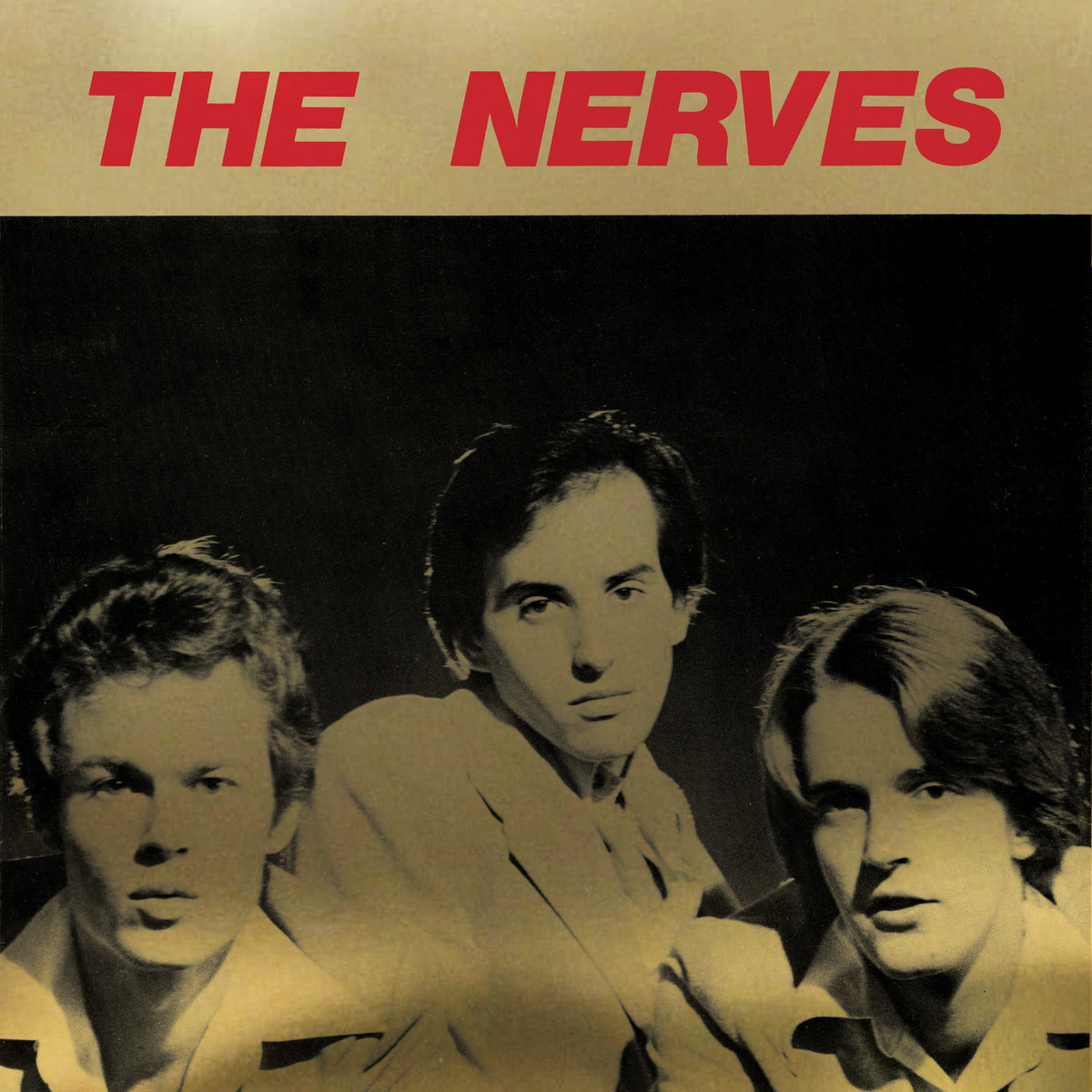
Fifty years on, The Nerves somehow still sound urgent, sharp and impossibly cool. The Los Angeles trio of Jack Lee, Peter Case and Paul Collins left behind only a small body of officially released music during their original lifetime, but their influence and reputation have only grown with the years.

Now a new release from Third Man Records opens the archives and tells a much bigger story: 29 songs drawn from across the band’s brief but extraordinary existence, assembled from studio recordings, living-room tapes and live performances.

We spoke with Paul Collins about digging through 50-year-old tapes, the small miracles that made the collection possible, working with Third Man Records, and why new generations continue to discover The Nerves.

This is an incredible overview of The Nerves: 29 songs bringing together recordings from different periods of the band. What can we expect from this collection? Are there recordings or versions on it that you’re particularly excited for people to hear?

Yes I’m very excited for people to hear this record. It has the best recordings of the songs that we were working on from the time period of 1974 to 1977. All of these songs would have been a part of a Nerves album had we been lucky enough to make one.

They are all recorded versions either in studios or in living rooms but mixed properly, except for the songs that were recorded Live at The Starwood. The sound quality is just fantastic because we were able to find the source tapes to practically every single song on this record so it’s it’s really the very best of The Nerves.

How did the idea for this particular release come about? Who first had the idea to bring all this material together, and when did Third Man Records become involved?

Well it came about when we realized that it was the 50th anniversary of The Nerves and Jack Lee’s daughter Cynthia was managing his estate after he passed away and she really wanted to do something to commemorate her father’s Legacy.

I do believe that Jack had asked his daughter if she could try to get Third Man Records to put this record out for the 50th anniversary. He knew about the label and about Jack White. Cynthia was really very instrumental in speaking to them and when they heard that there was the possibility of making the record they asked if both Peter Case and myself would be involved and of course we said yes, at which point they said we’d like to hear what you guys want to do. When they heard the material they agreed to put it out and then it just snowballed from there.

They did an absolutely incredible job mastering all the the songs and organizing the archival material and they put together an absolutely stellar package. A double album on red swirl vinyl and it couldn’t be any better for a 50th anniversary release for this band.

It must have been an enormous job to put this collection together. How much searching and digging was involved in finding the original recordings, and were there any discoveries during the process that surprised you?

Yes there were a lot of Small Miracles involved with getting all these tapes for the record. Some of them were in storage bins in Redding, California there were some in Los Angeles there were some here in New York. We would find these boxes of tapes, some of them were marked some of them were unmarked. They have been sitting around for 50 years so we didn’t know whether the tapes would be completely corroded or if they would be usable. When we transferred them we were sitting on the edge of our seats not knowing, and finally when the transfers came back it was amazing the music was in pristine condition and it was just fantastic!

The biggest surprise was when I found a cassette that I had transcribed for a release I did a number of years ago called The Best of The Archives In Another World. On that tape was a live session done in the very beginning of The Nerves on a realistic tape deck of me, Jack and Peter playing I Need Your Love and Paper Dolls and One Way Ticket. You can really hear the band as we were in the beginning, how we worked up all the songs. I was playing drumsticks on a phone book, Peter was on his Hoffner bass and Jack was playing his Rickenbacker. That’s how we worked up the songs. It really gives you a bird’s eye view of how the band formed way back in the beginning. Also a friend of the bands sister had recorded The Nerves at The Starwood. She has the tape recorder in her purse! She left the purse with the recorder in her closet and found it 50 years later!

And then there’s Third Man Records. How did the relationship with Third Man come about? And what does it feel like to see The Nerves’ music given this kind of new life by a label like Third Man?

Like I said Cynthia is really responsible for the initial conversations with Third Man Records. Once they agreed to do it both Peter and I and Cynthia spoke with their head of production Dave Buick in Detroit and Dave orchestrated everything at Third Man and with with their art Department headed up by Roe and the mastering which was done by gentleman called Warren. It’s all in-house at Third Man. Everybody knows what everybody’s doing and there was a lot of excitement about the project. There was a lot of tender loving care put into every aspect of the project. The mastering and the artwork, it was all done with the utmost of care.

After all these years the little band that could, is, and Third Man is taking us to a huge audience. A much bigger audience than we have ever been able to reach. There will be a whole new world out there that will get to hear The Nerves and that is very exciting and very satisfying!

It’s almost incredible that, after all these years, there is still so much interest in The Nerves based on such a relatively small number of released songs. Young generations keep discovering the band. How do you explain that The Nerves have always remained so genuinely cool?

To me personally I think the reason why The Nerves has endured all this time is because we spared absolutely no amount of time or energy in trying to be the absolute best we could be. We aspired to be as good as we could possibly be, and we would not give up until we thought we had achieved that.

I learned so much in that regard, by working with both Jack Lee and Peter Case, and what it takes to try to climb all the way to the top.


The Release Date for Best Collection is October 23, 2026

Jeremy Porter: “It’s Important to Me to Keep Moving”

With Sell Their Souls, Jeremy Porter and The Tucos have made what may be their hardest-rocking record yet — but that doesn’t mean they’ve abandoned the hooks, twang and power-pop instincts that have always been part of Porter’s songwriting.

After close to four decades of making music, Porter still seems far more interested in what comes next than in settling comfortably into a particular sound. We caught up with him to talk about the heavier edge of Sell Their Souls, taking unexpected turns in the studio, the songs that proved hardest to crack, and why continuing to move forward remains essential.

Sell Their Souls has a particularly tough and swaggering sound to it. There’s a great mix of power pop, punk, rock and alt-country, but to my ears the balance feels a little heavier and rougher than on some of your earlier work. Was that something you consciously wanted to explore, or did the songs simply take you there?

Hey there – thanks for having me Patrick and thanks for those kind words! Yea this is probably the most “ROCK” album I’ve ever done. I’ve been into metal and hard rock since I was 9 years old, and my love for that stuff has only grown. We listened to a lot of metal and hard rock at my house during the pandemic, and I suppose it was bound to seep in a little deeper than it had before, but it wasn’t calculated.

I write constantly and it’s all over the place, as you sort of allude to, but the focus is on quality of song over genre of song. The feel or vibe – heaviness, twanginess, popiness, mellowness, whatever – that all comes into play when we’re deciding which songs to record, and especially when sequencing the record. That sequencing part is really important to me – that the album flows well from song-to-song and overall. This is when I start to think about things like “ok after these 2 heavy songs we need to take it down for the next track…” or “those two songs sound too similar to be next to each other…” stuff like that. So I guess, to answer your question, it wasn’t calculated, but it was something that’s always in play throughout the project.

Change the Rules really struck me as a tour de force. It moves through different tempos and moods, and the arrangement keeps opening up as the song progresses. How did that song develop, and did you know from the beginning that it was going to become something bigger and more elaborate?

Thanks! Yea that’s one of those harder-rocking songs that starts to get a little proggy, for us at least, and kind of sets this album apart from our previous work. It came together with that intro riff, that I think is sorta Drive-By Truckers-ish, then the hard-rock chunks in the verse, so none of that is a big departure for us, but I’m always looking to do something different, something we’ve never tried, and switching to 6/8 time for that middle section and especially hiring a real string section and composer to do that orchestration is WAY out of our wheelhouse. The idea for the strings came in the demoing stage, might have been Gabe that brought it up. So we did a primitive string arrangement with synthesizers on the demo, which was fun and helped us decide… is this cheezy? Does it rule? Do we care? Just one of those things to make the song stick out, get out of our lane and take new chances in the studio, and see what happens! I’m so glad you dig it!

The Real McCoy is my favorite song on the album. It seems to bring together so much of what I love about The Tucos, while your vocal feels particularly pure and direct. I also love the way the music seems to be all over the place while the relationship in the lyrics seems to be going in much the same direction. What does that song mean to you, and how did it come together?

It’s so fun for me to put out a record and hear what peoples’ favorite songs are. You’re the first one to even mention that song I think! I brought it in and we struggled with the arrangement and the feel of everything except the verse, which fell in very naturally. We had two big issues – it was too long, and the chorus wasn’t enough of a hook. Well, we cut a chorus out and replaced it with the bridge, so it was at a better length. Then at one point before we demoed it we were at The Loft, one of our favorite studios here in Michigan, working on something else and talking to Tim Patalan, the main guy there who’s been a big part of everything we’ve done, and I asked him about the chorus, told him we were struggling with it, and he just knew right off – “you gotta go full-STONES on it!” so we did exactly that, because Tim knows his shit, and it made the whole thing just work. It’s still the longest song on the record, and I get heart palpitations when songs approach 4 minutes, but I like how it turned out. Hope Jagger gets his ears on it!

You’ve been making records and playing in bands for more than three decades, and you’ve moved through punk, alt-country, power pop, solo work and The Tucos without ever seeming particularly interested in staying in one lane. At this point in your career, do you still feel like you’re searching for something, or have you reached a place where you’re simply comfortable being Jeremy Porter and letting the music take whatever shape it wants?

Closer to 4 decades bud! But yeah, that’s a loaded question, isn’t it? I’m always searching for something, always looking at what’s next, how I’m (or we’re) gonna make it different, better, fun, exciting… but I’m also always just me, so it’s gonna have some hooks and it’s gonna have some lyrics that hopefully mean something to or provoke a response from somebody, and it’s gonna be guitar heavy and we’re hopefully gonna get out of the song and off the stage before we wear out our welcome. I don’t think the lane shifts are that drastic, they’re all on the same highway anyhow, though it’s a fairly wide swath of heavy/distorted amps and spacious/acoustic guitars, and all points between, I guess.

Id’ guess that most singer/songwriters and touring musicians aren’t particularly comfortable with their own self-image, in their own skin, or whatever. I’m not much different. Putting myself out there with lyrics, performances, writings, even social media posts – yea, I can’t say I’m comfortable with any of it, except probably the performance part, which, when going well, is where I am at the most peace. Or maybe “peace” isn’t the right word, because rock and roll isn’t supposed to be peaceful, but let’s say content. It’s a difficult line to tread these days, trying to get your stuff out there while presenting yourself the way you want. I’m so far from an expert at it.

You’ve said that Sell Their Souls is your favorite thing you’ve ever done — while also admitting that it’s probably too fresh to know where it will ultimately sit in your catalog. That made me wonder: after all these years of writing, recording and touring, what does a record have to do now to make you feel that you’ve moved forward? What are you hearing in Sell Their Souls that tells you you’re not simply repeating yourself?

Well, context is probably important here, because I’m not sure when or where I said that, but I think it was in the context of…the newest thing is SUPPOSED to be your favorite thing, and if it isn’t then you did something wrong, yea? But yes – these things have to have some time behind them before I and talk about them objectively. But I am proud of it, and I do think it’s good.

I think a lot of what we talked about above speaks to why this record isn’t just a repeat of previous albums, just like I don’t think Dynamite Alley was or Candy Coated Cannonball before that. I remember when we were making Don’t Worry…It’s Not Contagious, our bassist at the time Patty said he felt it was basically Above the Sweet Tea Line part 2 – not a big enough departure, not enough new ground. I don’t necessarily feel that way, but I did take it to heart and put more effort into working harder on doing new and different things from that point on. It started with songs like “Put You On Hold” and “Dead Ringer” from Candy Coated and remains with songs like “Real McCoy” and “Rosencrantz” and “Change the Rules” off the new one.

It’s important to me to keep moving. Existing in this rock and roll world is more or less my life, and doing it for so long now is – in itself – some level of success for me, but without moving forward – new ideas, new directions… it would just turn into work. I could probably make more money and get bigger accolades playing in a tribute band or doing covers gigs, but I’d just as soon wash dishes or work at Taco Bell at this point.

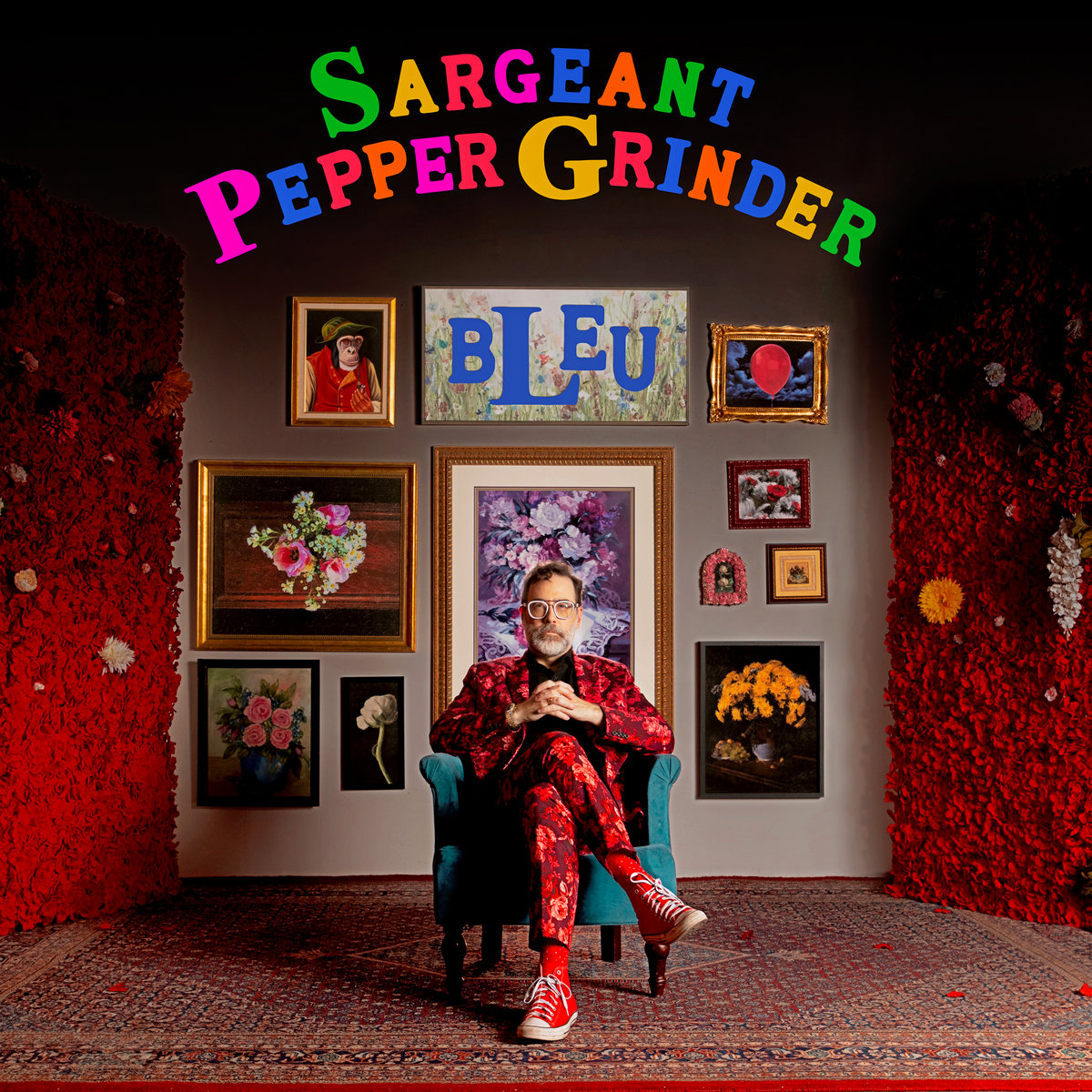
Bleu: Finding Joy in the Shadow of Loss

On Sargeant Pepper Grinder, Bleu turns grief into something bright, melodic and deeply human. The album is both a tribute to friends who are no longer here and a celebration of the people, memories and small moments that remain. Wrapped in the kind of irresistible melodies and harmonies that have long defined his songwriting, these are songs that don’t shy away from loss, but refuse to surrender to it either.

We spoke with Bleu about writing through grief, the strange kinship between sadness and power pop, obsessing over songcraft, and why Sargeant Pepper Grinder has ultimately become a memorial to friendship.

Sargeant Pepper Grinder feels like a very personal record. You describe it as an upbeat meditation on death and a celebration of friends who are no longer here. Was making the album a way of dealing with those losses, or did the songs simply become the place where those feelings naturally ended up?

Making this album was definitely a way of “dealing with” (processing, mourning, etc.) several very deep losses. Writing songs for my own artist project has always been a form of therapy for me, but many of these songs were a particularly palpable example of that. The recording process then became a way to commiserate, heal, and deepen connections with my friends who are still here, many of whom were also very close to Ducky and/or Alex “Scootch” Scutro.

Power Pop has always had this wonderful ability to hide sadness inside bright melodies and beautiful harmonies. On this album, though, the emotions feel particularly close to the surface. How do you find the balance between making something musically joyful and allowing the lyrics to be genuinely painful or vulnerable?

That seeming dichotomy is a hallmark of some power-pop that I’ve always loved. Just as humor helps many of us get through painful experiences, exuberant and tuneful music can help lift us from the valleys of crushing loss. I’ve also learned through therapy that two conflicting feelings can legitimately exist at the same time, and I think that juxtaposition brings a deeper meaning to life. But the main reason this album contains so much of that kind of thing is because I wanted to write music that Ducky and Scootch would’ve liked, and neither gravitated to sad-sack songs!

You’ve always been an incredibly melodic songwriter, but on this album the melodies sometimes seem almost deliberately at odds with what you’re singing about. Do you ever start with the emotional weight of a lyric and then look for a melody that gives it some lightness, or does the music usually come first?

When I write for “BLEU” (“me songs”) I almost always start with lyrics, usually a title with a concept, starting with the hook and moving on from there. In the case of this record though, that was obviously in service of conveying some pretty heavy emotions. I think “melodic songwriting” is just part of my DNA, but there’s certainly plenty thought (craft) that goes into melodic shape and in particular melodic-rhythm, and these songs were no exception. Even when I’m writing something heavy and the emotions are flowing, I can’t help but work the songcraft.

You produced and mixed the entire album yourself. Did keeping that process largely in your own hands matter to you, especially with material this personal?

Yes and no. I’m very open to collaboration, and worked with many talented songwriters, musicians, engineers, and Atmos mixers on this album, most of whom I think would agree that they weren’t particularly “over-produced.” But there was no way I wasn’t going to obsess over these songs, and producing and mixing it myself meant I wasn’t unnecessarily bothering other people (haAa!)

Looking across the songs on Sargeant Pepper Grinder, there’s a real sense of finding joy in people, memories and small moments. Did writing these songs change the way you look at those things, or perhaps make you appreciate them differently?

I look at this record now as a memorial. I truly wanted to create a tangible and (hopefully) long lasting tribute to Ducky and Scootch, as well as a heartfelt and healing expression of grief for myself and others. But yes, working on this record was very much a path to creating joy, memories, and small-moments – with my friends and family who are still around.

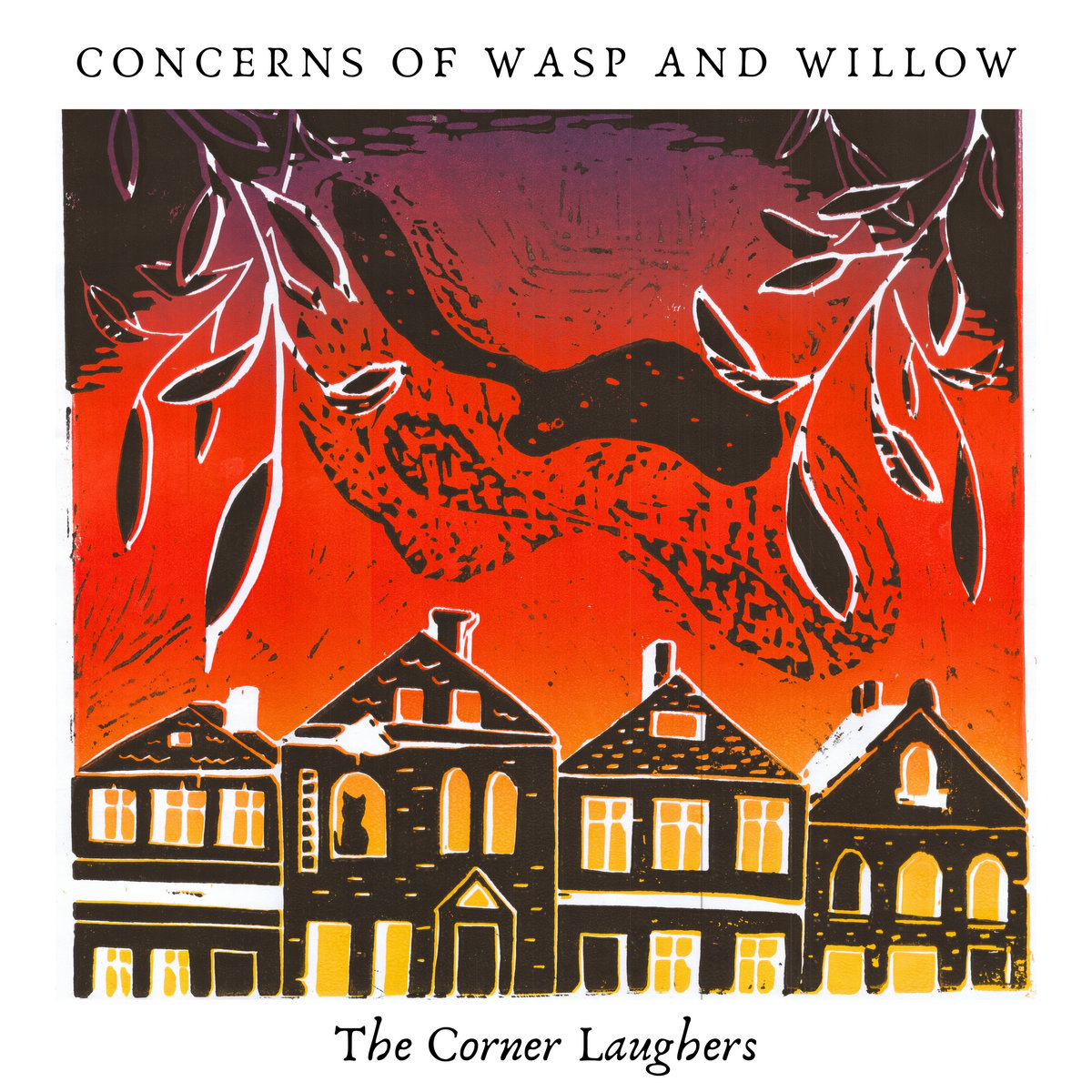
Little Windows — The Corner Laughers on Concerns of Wasp and Willow


A Chiming Back interview, finding its new home at Sweet Sweet Music Blog.

Karla Kane describes her songs as windows. Small ones, carefully made — you look through them and find yourself inside a world that is unmistakably hers: botanical, seasonal, slightly haunted, and shot through with an unexpected warmth. On Concerns of Wasp and Willow, the sixth album by Northern California’s The Corner Laughers, that world feels more fully realized than ever. Released on Big Stir Records on March 27, 2026, it is a record that begins in a small detail and pulls slowly outward — like a camera finding its frame.

The band — Kane (vocals, ukulele), Khoi Huynh (bass, piano, guitars), KC Bowman (guitars, keyboards) and Charlie Crabtree (drums) — have been crafting their literate, handcrafted folk pop together since the early 2000s. Concerns of Wasp and Willow arrives five years after their pandemic-era Temescal Telegraph, and finds them doing something quietly courageous: releasing something tender and precise into a world that seems to reward neither.

We spoke to Karla Kane about windows, details, and what it means to let a record go.

Your songs feel built from very small, precise details — both lyrically and in the instrumentation. Is it a way of writing, or a way of seeing the world?

I suppose songwriting is a reflection of a way of seeing the world — songs are like little windows. Often my songs seem to start from a small detail and then expand outward, like a camera pulling to a wider shot I guess. We definitely do try to put care into the details.

Listening to Concerns of Wasp and Willow while the world around me seems to be getting louder and cruder — I wonder, how does it feel to release something this tender and precise?

With so much going on in the world, and so many important issues, sometimes it feels a bit silly to even spend time on something like this, or to hope it reaches anyone. But on the other hand, in terms of a louder and cruder world, we’re proud to release something more gentle and thoughtful, too. It might not get much attention but we hope those it does reach will feel it is worthwhile.


The artwork has such a distinctive, immediately recognizable language — it feels like it inhabits the same world as the songs. Is that unity between music and image something you consciously pursue? Or is it more that you tend to draw people around you who feel the same things?

The artwork was created by our dear and brilliant friend Jennifer Rae Atkins, who is currently based in the Netherlands, and I’m so glad you see it as inhabiting the same world as the songs.

I called the songs windows earlier on and I think of the album cover as a visual window into the sonic world of the album, absolutely.

It is something we consciously pursue — I shared not only some of the songs themselves with Jennifer as she was working on the art but also some ideas and imagery that I felt were key.

And then she worked her magic to bring it all to visual life!

Your songs feel like glimpses into the way you see the world. And then you bring them to the rest of the band. How does it go from there?

Yes, whichever of us is the songwriter (me in most of the cases on this album, but there is also a song by Khoi written with our friend Helen Luker and one written by KC) has a demo with the music, lyrics and any production ideas.

Once it’s in the studio with the band, it is further refined and evolves into something more, with all of our fingerprints on it.

The first reviews are coming in. Do they still reach you — or does a record feel finished and separate from you by the time it’s out in the world?

They often do reach us. We’re very thankful for the folks who take time to review and share our work and to Big Stir Records for doing so much to build community! It doesn’t feel separate from us at this point — later on we will get some distance from it, perhaps, but for now I feel very closely connected to it.

Warm Baths & Wide Eyes: Icecream Hands on Songs, Survival, and the Joy of Making Music

As published on the Chiming Back blog on December 1st, 2025.


For this interview with Australian power-pop treasures Icecream Hands, all five members — Marcus, Smiley, Doug, Dave, and Charles — joined in, each taking on one question. The result is a warm, funny, thoughtful conversation about songwriting, survival in a shifting music industry, and the stories behind their latest album Giant Fox Pineapple Tree.

Listening to Giant Fox Pineapple Tree feels like stepping into a warm bath — absolutely wonderful. How challenging is it to stay true to that sound and never compromise on the quality of the songs, the very thing that keeps the bathwater at just the right temperature?

MARCUS: To be honest, it’s no challenge at all really, because the song is everything to us. As a band we are remarkably agreeable about what makes a great song, and with the good fortune to have such incredible songwriters as Charles and Doug, we always have a stack of solid material to choose from and work with. Having played together for so many years now, we just naturally work to our strengths as a band. It’s fair to say the songs always come first, and then we build the sound around them. The sounds and details of production are also very important of course, and we do put a lot of time and thought into that part of the process. But there’s not much point in doing that if the songs are second-rate — that would be like lukewarm bathwater.

You’ve seen the music industry transform completely since the early days of the band. What’s the biggest change you’ve had to navigate — and successfully overcome — in recent years?

SMILEY: The biggest change has been the way music is consumed today. There was a time when you could realistically hope to make a living from record sales, and touring was mainly a way to promote your music — a way to get in front of people rather than your primary income stream. But with the arrival of music-sharing platforms and, ultimately, streaming services, the whole dynamic shifted.

Napster landed in 1999 and introduced the idea of getting music for free — or close to it — through MP3 peer-to-peer downloading. That changed consumer behaviour forever. What grew out of that is today’s streaming landscape. Services like Spotify offer little to no return to the artists whose music they rely on; that, and their unethical support of military AI, is why you won’t find Giant Fox Pineapple Tree on Spotify.

These days, if we want to keep making music, we need to sell out our shows and encourage our fans to buy vinyl, CDs, and digital downloads directly from us or through Bandcamp. We also now handle our own distribution, including international releases. The traditional record-store pathway has fallen back onto the artists themselves — it’s become a bit of a cottage industry.

That said, we’ve moved with the times, and the proof is in the pudding: our recent chart success, cracking the ARIA Top 40 Albums and the Top 10 Australian Albums charts. If I’m not mistaken, we were the only truly independent release in there. Sweet as!


“Now I hear the baby crying” in “Do Ya Feel It” is such a powerful line; it pulls you straight into the story. When you first write a line like that, do you immediately know it can carry the narrative, or does it not work that way?

DOUG: Thanks Patrick. Songs always arrive in different ways for me. It’s usually a melody or a chord pattern that comes along first, and I need to try to get a feeling or an idea into the music. I do tend to struggle to find lyrics that I think are good enough to carry a narrative.

I do tend to want to write words that sound good when they fall out of the mouth, and don’t worry too much about what they mean, as long as they can evoke a feeling.

Funnily enough, that particular line was the only real thing I had. It just kinda popped into my head and it felt good, but it kinda begged the question: “Whose baby is this anyway? And why is it crying?”

I often defer to Charles on these things and asked him if it was a dumb line — I didn’t really know what it meant — and he said, “No, it’s the best line in the song!” So it stayed, and I just had to imagine some kind of scenario in which it could make a little bit of sense.

At the end of the day the song is quite nonsensical really — it’s just about finding a bit of light in the struggle and knowing that better days can come.

Giant Fox Pineapple Tree has just been released and the first reactions are coming in. Do listeners still surprise you with the way they receive the songs — or do you surprise yourself when you revisit the record?

DAVE: You know that wide-eyed, joyous expression people get when you say “Here, try this” and they take their first mouthful of something absolutely delicious that you’ve spent a long time in the kitchen preparing? It’s a lot like that!

The reactions I’ve had from friends, fans, and countrymen have all been really positive and enthusiastically wide-eyed and joyous. One always hopes that everybody will enjoy the fruits of one’s labour, so the responses I’ve encountered to Giant Fox Pineapple Tree have been very satisfying indeed.

I can’t exactly say I’m “surprised” when I listen to this remarkable body of work, as I’ve known each of these songs since they were pups. And honestly, even the home demos sounded bloody fantastic to me! Having said that — Icecream Hands always keep the element of surprise up their sleeve. You just never know what’s coming next!!

I think “Don’t Let the Party Fade Out” has a touch of Steve Harley & Cockney Rebel’s “Make Me Smile” — and I mean that as a genuine compliment. Is that kind of comparison easy to accept, or does it get frustrating when journalists try to put you in a box or reference world-famous hits just to show off their own taste?

CHARLES: I love it when journalists talk about me! And you, Patrick, can show off all you want if you mention “Make Me Smile” and a song of ours in the same sentence. I love that Steve Harley song and the recording of it — as a kid that song had such an exciting “quick, drop everything and race to the radio and turn me up” quality about it. The intro, the pauses, the bup bup bup bup backing vocals, the guitar solo, the Dylanesque delivery — so I love the comparison. I think our recording is also exciting — the drumming, the chord progressions, the lyric, the piano and bass parts, the harmony vocals, and then the guitar stings at the very end. So, many thanks for the compliment; keep them coming, please.

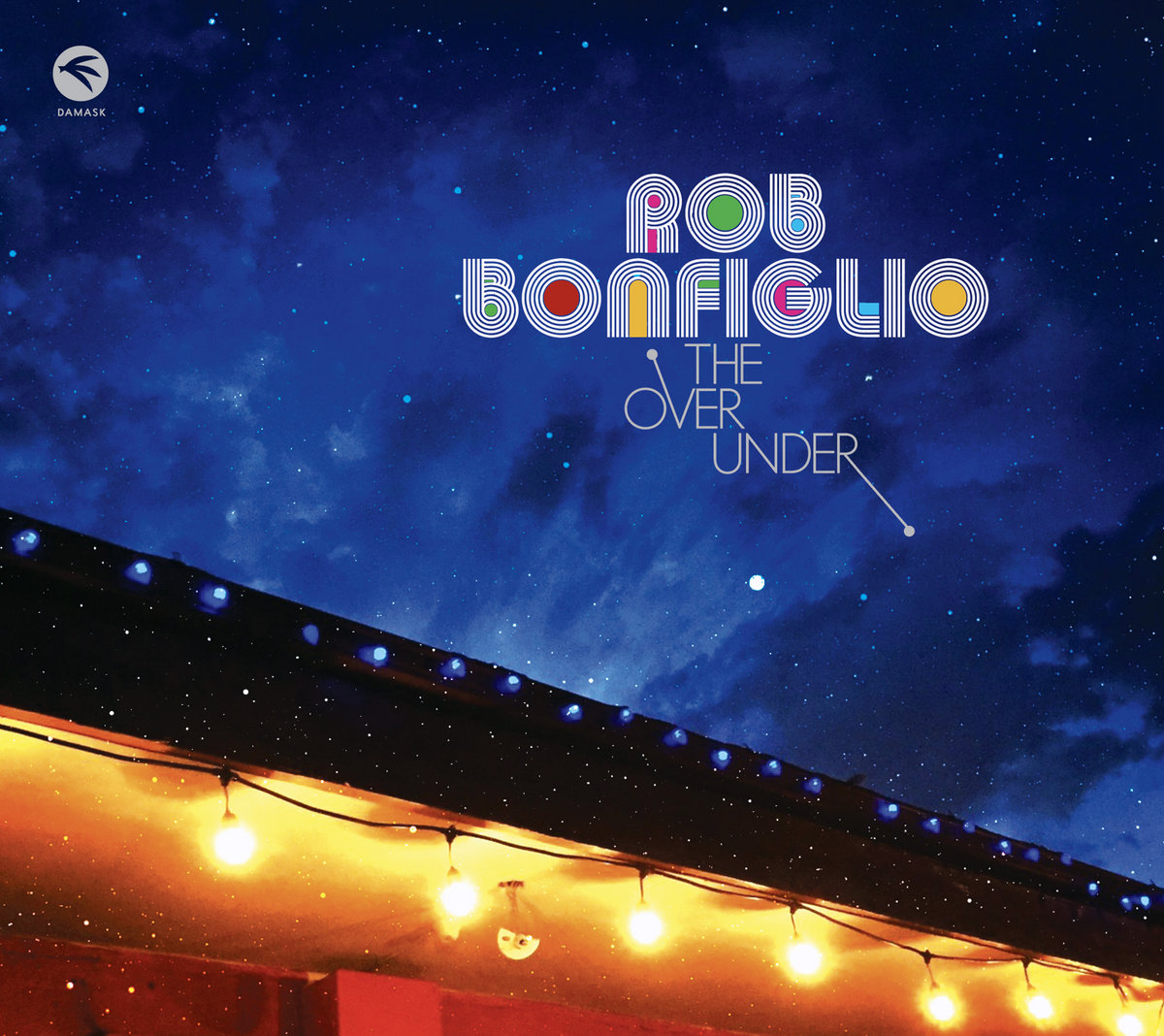
“It Still Rings Completely True” — Rob Bonfiglio on The Over Under.


Rob Bonfiglio’s The Over Under has been out for a while now. I liked it immediately, but after listening to it for a few months, it has become one of those go-to records I return to when I need to recalibrate or reset. It’s the kind of album that reveals more of itself with time.

What makes it particularly striking is how personal it feels: Bonfiglio wrote, recorded and mixed the record largely on his own, following the songs that carried the most weight and trusting his instincts along the way. Months after its release, he remains remarkably close to the album and proud of how faithfully it captures what he wanted to say.

We spoke about the vulnerability of “Need You Know,” the sharper edge of “More Pure Than Gold,” the decision to make the record mostly by himself, and why connecting with listeners ultimately matters more than recognition.

How does The Over Under feel to you now that it has been out for a while and you’ve had some distance from making it?

I felt from the beginning that this record reached a lot deeper than my previous releases. I went into the recording process with maybe 20 or so tunes, and it became clear which ones carried the most gravity.

My recording and mixing process happened concurrently. I’d go on a hike or a drive and listen back to a day’s work to determine where to go next. It all added up to literally thousands of listens.

Even after completing the album, I can still listen through from beginning to end and feel a sense of cohesion. I can honestly say there are very few things I’d have done differently with this album. It still rings completely true to me. I’m really proud of the way it turned out.

“Need You Know” feels like the emotional heart of the album to me. It’s a beautiful, very vulnerable song. Do you remember where that song came from, and did you know while writing it that it could become such a special song on the record?

Thank you so much. “Vulnerable” is a great descriptive. My writing cycles happen in waves and usually bear five or six or more songs at a time. This came out of one of those batches. I don’t recall the initial inspiration beyond the riff that repeats throughout, which always had a Fleetwood Mac-ish vibe to me.

I do recall being satisfied with the simplicity of the form. The lyrics happened pretty quickly and seemed to really get to the point of how I was feeling.


“More Pure Than Gold” feels like the musical and lyrical opposite of “Need You Know” — it’s sharp, angry and quite political. What was your state of mind when you wrote that song? Was it something that came more from the heart, or more from the head?

Without expressly saying so, I think the sentiment of this song is pretty obvious. I like to think all good songs come from the heart, with the head to guide them along. Much of the lyrical content of this song came out in a free flow, and much still stands true, unfortunately.

You made The Over Under largely on your own, even though you have friends and family around you who are, to put it mildly, pop royalty and could probably have helped you make the record. What made you want to do this one by yourself?

I’m a textbook introvert. I really considered doing this album with a larger ensemble of players, but one thing led to another and I just ended up doing it all myself. It was easier to get from point A to point B quickly, and things just sort of snowballed from there. All creative decisions started and ended in my head.

That said, I did have a little help from my daughter Lola on “Blame This” and a great pedal steel player named Xandy Chelmis on “Fade Away.”

I’ve read some really nice reactions and reviews of The Over Under, and I’m sure you have too. Recognition must be nice, especially after putting so much of yourself into a record. Or is there something else that matters more to you when you look at how the album has been received?

I’m incredibly grateful for the kind words and genuine reactions to this record. Yes, recognition is important for sure, but maybe less so for the ego nudge and more for the acknowledgement of being able to share something that resonates on a human level.

Jason Mazzotta: Poor Man’s Time Travel

Jason Mazzotta makes the kind of pop music that feels immediately familiar and subtly strange at the same time. Warm, melodic and carefully constructed, yet with something pleasantly weird — and occasionally slightly unsettling — lurking beneath the surface. On his new album Jason To Jason, his roots in the golden age of ’60s and ’70s pop are unmistakable, but those familiar sounds are bent into something distinctly his own.

Jason To Jason is far from an exercise in nostalgia. Mazzotta seems less interested in recreating the past than in seeing where it might lead him — into his own peculiar pop universe, where obscure songwriters become international hits, Shindig! magazine inspires a song, and The Monkees might still be looking for something trippy for Micky to sing in episode eleven.

We spoke with Mazzotta about making Jason To Jason, the accidental origin of its title, his love of classic pop production, Number Four in Norway, and making music for the future with its roots firmly planted in the past.

Jason To Jason feels like a very personal record. How did the album come about, and when did you realize you had the beginnings of an album rather than just a collection of songs?

At the start, I was living in California, and the first session happened while visiting family in Connecticut. It was just a few songs with Brian Marchese on drums at Scott Amore’s InnerSpace Soundlabs, and then overdubs at my place. I ended up moving back east, and Brian and I popped back over to Scott’s more frequently. Once there were five or six numbers taking shape, it felt like we were making an album. Some of the songs certainly have personal references, but I also have Brill Building tendencies and can get into a mindset where The Monkees are looking for a trippy song for Micky to sing in episode eleven.

There’s obviously something playful about the title Jason To Jason. What’s behind it? Was the title there from the beginning, or did it come to you once the album had taken shape?

The title entered the picture during mixing. My nephew, George, who was about two and a half at the time, is responsible. He’s fascinated by vinyl records and is a Bowie fan. One day he was riffing on Station To Station and made a rhyme that stuck. Up until then, there were a few contenders that didn’t feel right. Jason Mazzotta is Number Four in Norway was one. There was another idea involving a “sandwich,” but I can’t remember now.

The album has a very distinctive ’60s/’70s pop character — the melodies, harmonies, arrangements and production all feel like they come from that world. Is that sound something that comes naturally to you, or do you consciously go looking for it when you make a record?

I try to live in the present and like a lot of contemporary music, but I certainly love ’60s and ’70s record production. And there’s shorthand when recording with others when you can reference The Beatles, The Stones, The Temptations, The Kinks, Nilsson, ABBA, Elton, etc. Might be more subconscious that I lean this way? Not sure. But making music for the future that has roots in the past is a kind of poor man’s time travel.

Number Four in Norway immediately caught my attention. Is the story behind the song a real story, and is the songwriter at the centre of it actually you? Yes or no — and if it isn’t, why was this a story you wanted to tell anyway?

Yes, I’m the obscure songwriter at the center of the story. They say writing songs about songs is lazy, but how often do songs reference themselves as becoming international hits? However, I don’t advise listeners to track the logic.

I first became aware of Jason To Jason through the review in Shindig! magazine, and then I heard May Song, where you sing about how much you like the magazine. What is it about Shindig! that resonates with you, and did you ever imagine you’d end up writing a song about loving a music magazine?

I’m a longtime Shindig! reader, but I remember seeing an issue for the first time at a train station. I couldn’t believe my luck that a magazine aligned so much with my taste and musical curiosity — it was almost like a mirage, seeing the cover on the rack. I just love their sensibility, the great features about acts that I love, and their commitment to spotlighting new or new-to-me music. I don’t know how unusual it is to write about a music magazine. Have you heard Robert Wyatt’s “Soup Song”? Now that’s subject matter to strive for.


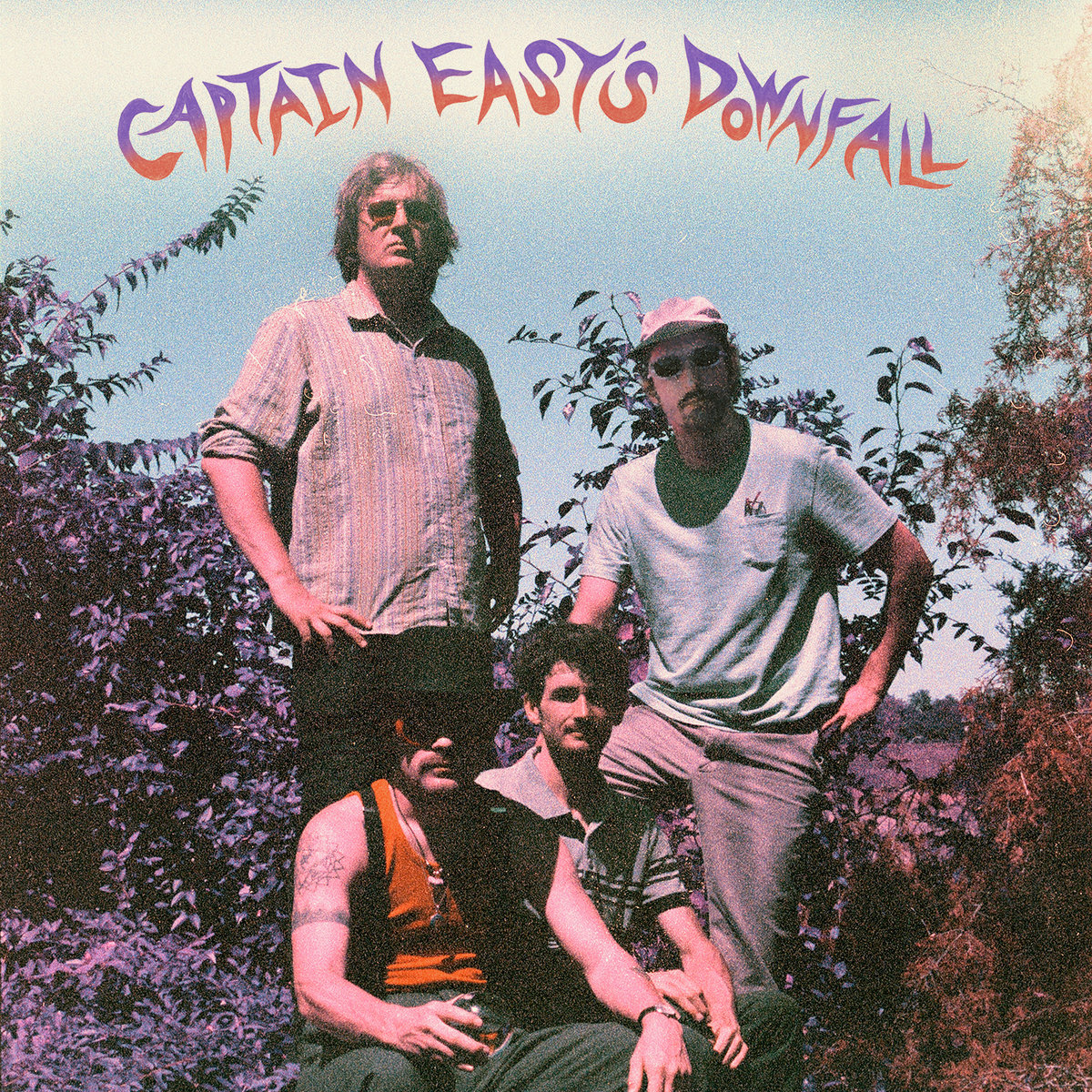
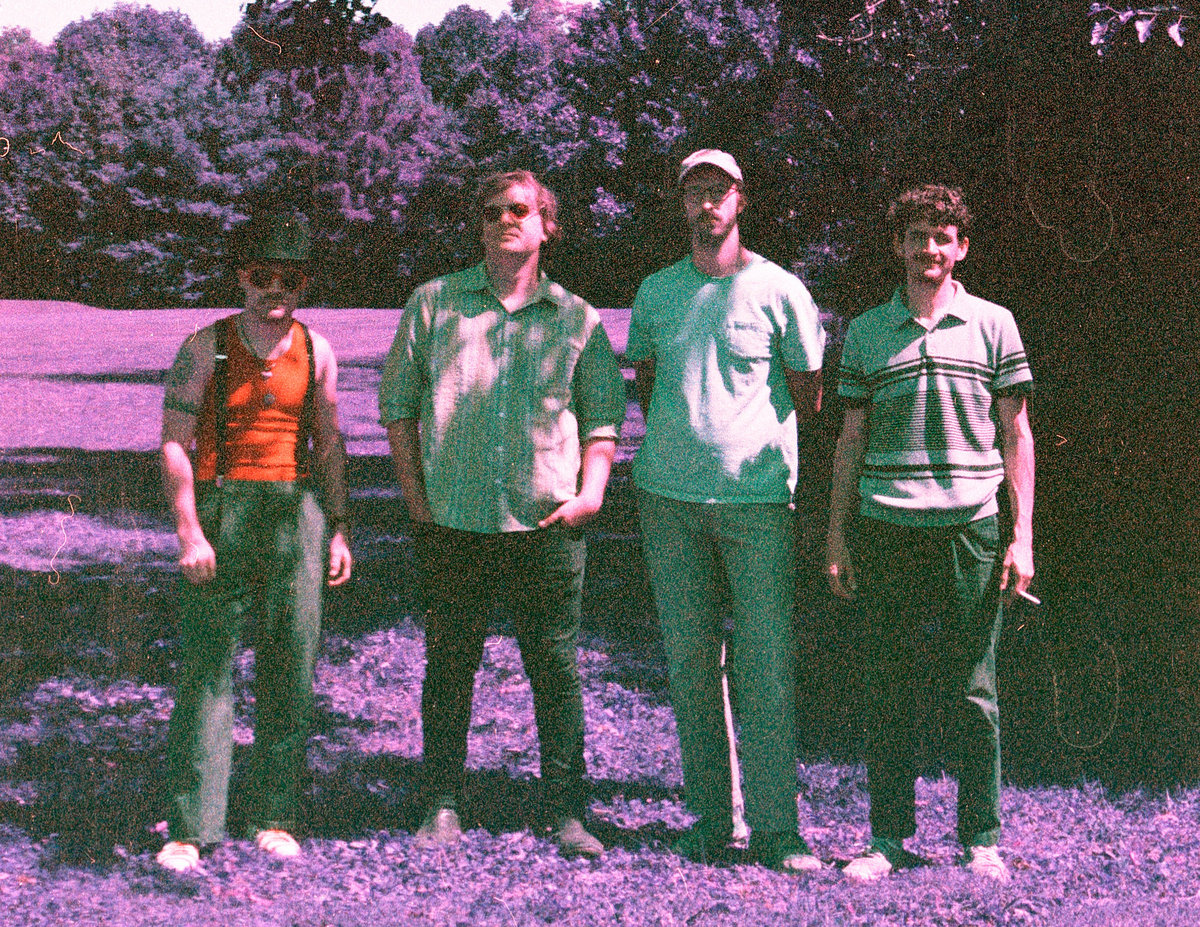
Too Much Is the Point: The Cowboys on Captain Easy’s Downfall


There’s a glorious sense of excess running through Captain Easy’s Downfall, the new album by The Cowboys. Across 19 songs, the band brings together the extravagance of glam, the sharp melodic instincts of power pop and the restless experimentation of adventurous indie pop. It’s playful, unpredictable and occasionally chaotic, but beneath all that excess lies an impressive attention to melody, atmosphere and detail.

We spoke with The Cowboys’ Keith Harman about the band’s return, the creative process behind Captain Easy’s Downfall, embracing “too much,” and what might come next.

The Cowboys and Captain Easy’s Downfall

The Cowboys are a new band to me, so I’d love to start by going back a little. You’ve been doing this since 2013 — what has brought the band from where you started to where you are now with Captain Easy’s Downfall? And do you feel that you’re reaching a new audience with this record? I’m discovering The Cowboys through this album, and I’m wondering if you’re noticing that the record is opening the door to new listeners for you as well.

The chief element that has carried the band all these years is a combination of our friendship and my inability to stop writing songs. We never achieved any great success in our journey, so there is no demand or multi-album contract to fulfill. I wrote a large number of songs in a year or two and just asked the band if they felt it was time to get back together. They said yes, so we started working on a new album.

I wouldn’t say this new record has really opened any new doors or garnered many new listeners. I haven’t noticed that. But I think we are all very proud of this record and the work we were able to accomplish.

The creative process

When you started working on Captain Easy’s Downfall, was the excess itself part of the goal — 19 songs, all those layers, the unexpected turns and disruptions — or did it simply become a creative flow that kept giving you new ideas and you just kept following it? Or was it closer to the culmination of the sound the band has developed over the years?

It was definitely my goal to have an album of these more layered, technicolor songs. I didn’t expect the album to be 19 songs, and I didn’t anticipate Mark’s (guitarist, producer) long-gestating production being a part of the workflow. He kept adding and tinkering to great effect; he obsessed over the production.

As for the writing of the album, I was in a very good creative headspace at that time. I was tapping into a good flow and kept adding songs to the recording schedule. It was a nice experience.

Was there ever a moment when you thought, “Okay, this is too much,” or was “too much” actually the point?

There was definitely a point of “this is too much,” but that happens on almost every album. It was the point. There are moments on this record that can put me in a giggle fit. Just the music and arrangements, not even the lyrics.

When I listen to the album, I hear this kind of unique creative chaos — all these ideas, unexpected turns and disruptions — but at the same time, I hear an incredible amount of care underneath it. The sound, the atmosphere, the melodies and especially the lyrics all feel very deliberate. For me, that combination is actually what makes the album so exciting and ultimately such a great record. Was that something you were conscious of while making it — finding that balance between unique creative chaos and care? Or does the term “unique creative chaos” not resonate with you at all?

Unique creative chaos definitely resonates with me. It was always my goal to get there, but even on some of the wackier songs on this record (“Donzell’s Crystal Ball” or “Michelle Fleischmann,” for example), I followed my muse in regard to the writing and arrangement and never looked back.

Looking ahead

And finally, what does the rest of the year look like for The Cowboys? Are you hoping to take Captain Easy’s Downfall on the road, or are there already new ideas and projects taking shape?

We did a short tour of the American Midwest and East Coast in the summer of 2026 in support of Captain Easy’s Downfall, and it was a good time. I would like to do more touring next year, but it’s hard as the band is so spread out across different cities. I keep threatening a European tour, but it’s proven very difficult to make happen.

As for new recordings, it doesn’t seem likely that anything will happen anytime soon. I’ve got an album written that’s not very “Cowboys”-appropriate, and I’m trying to figure out what to do with it. The wish from the band seems to be not to recreate the creative approach of Captain Easy’s Downfall for whatever happens next. So it’s a mystery what happens next, even for me.