The documentary ‘Waiting: The Story of Van Duren’ has sparked significant interest in Van Duren’s music, leading Omnivore Recordings to unveil a live recording spanning over 30 years. This recording features Van Duren and his former band ‘Good Question’ and is titled ‘Cartwheeling: Live In Memphis.’ It stands as a triumph on various fronts, including the thoughtfully curated song selection, outstanding performance, impeccable sound quality, and extraordinary vocal delivery.
Sweet Sweet Music blog recently interviewed Van Duren, delving into the memorable evening in 1992 when the recordings were made and exploring the intriguing story of how it all came to light more than thirty years later.
Rarely does a live recording, spanning over 30 years, see its inaugural release. How did this unique occurrence come to be?
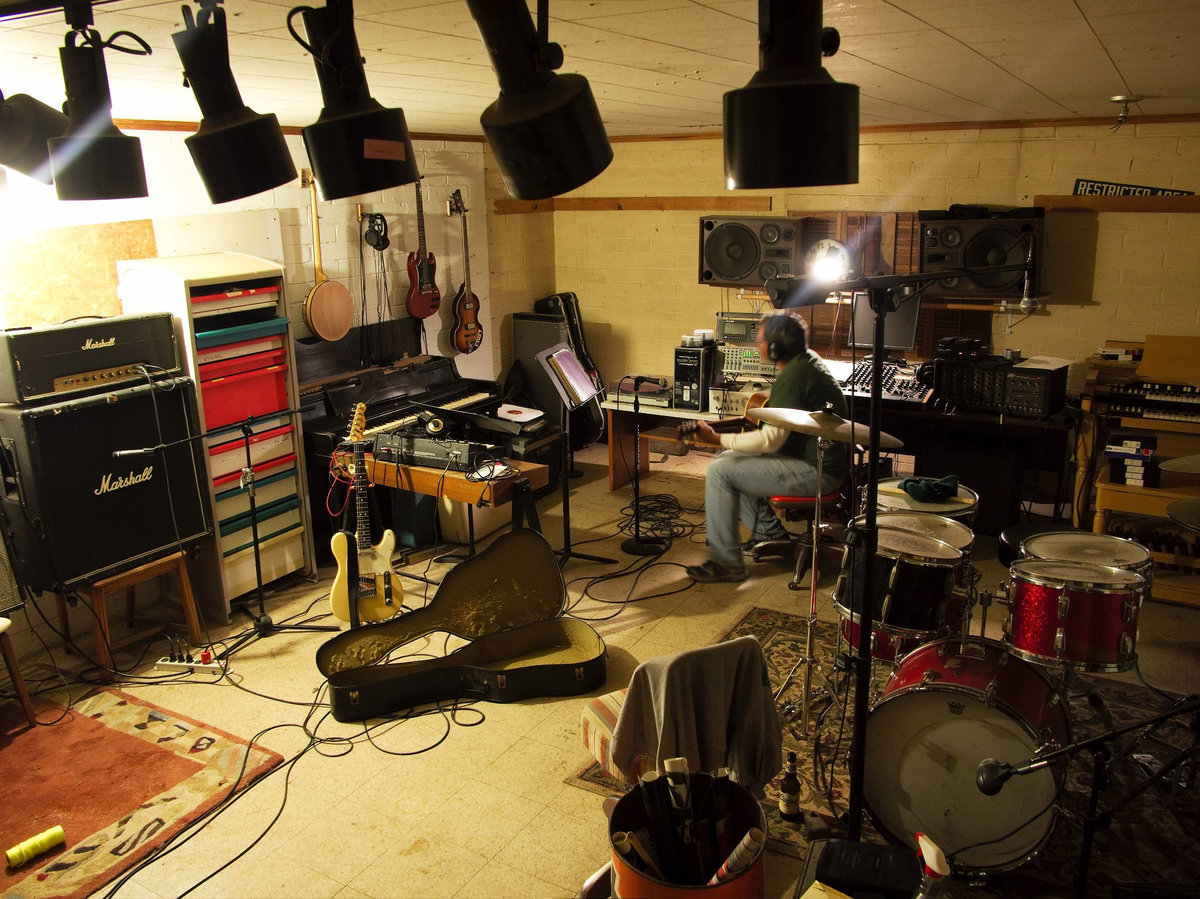
Good Question was formed in August 1982, and by late 1991–more than 9 years on–we had released a full-length album of original material (Thin Disguise, 1986) and played hundreds of shows. We had added a lot of new original songs to our live repertoire and thought a quick way to document those new songs was to record a live performance, which we scheduled for mid-January 1992. At the same time, I had been considering a pivot to embracing the “Van Duren” material again, possibly doing another Van studio album. So when it came time to put together the song list for the live show/recording, I included one song from my first album, ARE YOU SERIOUS? (“The Love That I Love”) and one from the second, IDIOT OPTIMISM (“Tennessee, I’m Trying”) which in 1992 had never been released. There were also a lot of new songs on the list as well. So we brought in 80 of our friends and family to a large room in Memphis equipped with multi-track recording, added my old friend Rick Steff to play keyboards with us, had one rehearsal, and went for it. A few weeks later, we did a mix of the show, and it sat in my music room for 30+ years. I finally pitched it to Omnivore Recordings and they very kindly agreed to release it.
Is it gratifying for you when there’s enduring interest in your musical history?
Very. Actually surprising as hell. My intention was always to write and sing and play to the best of my ability–and to always have fun with it. I think that you have to please yourself before anyone else will appreciate your work, whatever field you work in. That’s what I’ve always aspired to do. And it’s very sweet, extremely gratifying that so many people have enjoyed these albums–15 or so now. AND the documentary film from 2019.
That particular night sounds like you and the band were ruling the world. Were you aware in the moment that it was a stellar performance, and how could you tell?
Honestly, we played that well together at every show BUT we were keenly aware of this one being documented so it was very special to us. It was just a killer band, hilarious at times–a very magical group of guys. One of my biggest regrets, though, is that our terrific bassist for the first 12 years of Good Question, Ray Sanders, died of a brain hemorrhage in 2003 at age 53 and is not around to witness this grand appreciation of his genius. Ray was the soul of that group, and the best bass player I ever worked with. And you know, I am sure that his spirit is smiling.
From sharp rock to sweet soul to stubborn pop, you delivered an intense vocal performance in various styles. Is this versatility a defining aspect of your identity as a singer during that era?
Stubborn Pop. I love that, and it’s absolutely right on. We played what we wanted to play, and Ray, James Lott, and Joel Williams interpreted my songs perfectly. Vocally, I was blessed for decades with a voice that could deliver, and it really was just “there” when I started singing. Both of my parents had wonderful voices, sang around the house all the time, so I came by it naturally. The trick was always to have a good song, then see what I could do with the vocal to make it better.
In the liner notes, you mention this concert marked a transitional period as ‘Good Question’ seemed to be concluding, and you were venturing back into your solo career. Was that a complex phase?
It actually took longer than I thought at that moment in time. Within 6 months James and Joel had left the band while Ray and I carried on with a new guitarist and drummer. Ray left in late ’94 to play with Billy Swan (still an old friend) and Good Question continued to work in Memphis with several different players off and on until 1999. But we never recorded again. I did 2 albums with Tommy Hoehn (1999 and 2002) and then finally went solo again with solo albums number 3 and 4 in 2005 and 2010 (Open Secret and Resonance Road)
The early 90s musical landscape was intricate. While I cherished beautiful melodies, the prevailing advice was to embrace grungy, dissonant guitars. I’m sure you couldn’t have missed that cultural shift, could you?
No, I was completely aware of trends in music and always have had my ear to the ground, so to speak. And I’ll point out that there are some VERY grungy guitars on this album, as we’ve done before and after the “grunge” era. But all through my career (which now spans parts of 6 decades) I’ve followed my own muse when it comes to flavors of the month, if you will. There is ALWAYS terrific new music being released, and I adore artists like Khruangbin and Fiona Apple and Mol Sullivan–but I’d be an idiot to attempt to play their music, you know? I know my limits, and I also think that most original artists perform their work best. For the past 12 years I’ve been working with the brillant Memphis singer/songwriter Vicki Loveland–we have 3 albums out–and it has been so inspiring and rewarding to work with an artist who can write and deliver songs from the female perspective. Extremely artistically gratifying.
The music industry has undergone significant changes since 1992. What transformation has left the most profound impact on you?
Negative impact: Spotify etc, and AI
Positive impact: In my opinion, McCartney and The Rolling Stones still setting the standards for my generation, still doing it and doing it well, at least for 80 year olds. Also, so much great new music I discover all the time.
For me personally, I am just happy to still do what I do, day in, day out. And grateful for the random kindness from a guy in The Netherlands. Thank you, Patrick.
Undoubtedly, ‘You’re a Lighthouse, I’m at Sea’ is set to captivate the attention of the indie/jangle pop community. As it garners recognition, inevitable comparisons with the genre’s luminaries will emerge, highlighting the unmistakable quality embedded in the music. The sophistication and layered composition of Spencer Segelov’s songs are likely to draw parallels with established acts such as Prefab Sprout and Belle & Sebastian. Beyond its formidable strength, the album possesses a compelling fragility, and therein lies its true power.
From the first listen, the album warmly envelops you, and with each subsequent play, its grip remains steadfast. ‘You’re a Lighthouse, I’m at Sea’ is truly exceptional, ensuring that once it takes hold, you won’t be inclined to let it slip away.
You can discover ‘Don’t You Know?’ featured on the Best Power Pop of 2024 Spotify Playlist.
Could you share the journey of bringing this record to life? How did all the pieces come together to create the final product?
It was written and recorded over 2 months during the second lockdown. The isolation made many of us reflective. I was thinking about my life when I was younger, and when I first started going to indie nights, playing in bands, making friends. I was missing going out dancing, so I wrote an album to replicate a typical night out.
I asked a few musicians if they wanted to contribute and sent them the songs. They sent parts to me, and pretty quickly, we had an album.
Then we got together once the lockdown was over to play it live, and I realized that accidentally we’d put together a decent indie band.
Was there a particular moment or experience that struck you, signaling that you were onto something special with this project?
Playing it live and seeing people of all ages get up dancing to original songs they’d never heard before made me think we’d achieved our goal of a danceable Saturday night record.
Success can take on different meanings as time goes on. When envisioning success for this new record, what does that picture look like now?
I’ve made an indie album that’s out on vinyl and stocked in Rough Trade—I think that’s job done—but we’d like to play as many gigs as possible.
Within this collection, do you feel that the best song you’ve ever written finds its home? If not, what distinguishes this record’s essence from your prior work?
This is the first indie album I’ve done since 2006, so it’s a bit of a homecoming for me. I haven’t played electric guitar as a main instrument for a while, so this album will be different from the seven others before it.
I don’t really have a best song; I tend to dislike most of what I’ve done, in the same way we can look at pictures of ourselves and recoil in horror at our clothes and haircuts.
As an artist, the act of baring your emotions to the world is profound. Does this vulnerability come naturally to you, or is it a constant journey of finding comfort?
Well, this album is for dancing, and while there are some quiet moments, it’s mainly an up-tempo, happy thing. It’s made to be played live and for people to hear together, so it’s not hard.
Other times you can hide the truth in plain sight and get away with saying things that people won’t catch but which can be cathartic to say out loud.
Imagine you could collaborate with three co-writers of your choice for new songs. Who would you select, and what qualities or dynamics draw you to them?
Serafina Steer is talented in multiple areas, and I think she would have a deconstructionist approach that I wouldn’t have considered. She’s able to conjure up simultaneous feelings of dread and childlike curiosity on a sixpence.
Julia Jacklin—so much good music is coming from Australia, and Julia has this confidence to let the songs just be what they want and breathe. Also, she has that voice.
CMAT—hilarious, bittersweet pop at perfect lengths. Actually, I’d be fine just being her drummer, but she has a great sense of vocal delivery and a huge voice which she often keeps in a pocket and displays at judicious moments.
Among the gigs you’ve performed, which one holds an indelible place in your memory and why does it stand out?
Playing drums for Daniel Johnston for a one-off gig in Cardiff was incredibly special. We got to pick his setlist, and I played my favorite song of his, “Walking the Cow,” on the piano with him. The only song he vetoed was “Portrait of an Artist.”
Defining a song’s completion can be elusive. How do you determine when a composition has reached its final, ready-to-record form?
For this album, I wrote and recorded each song on the day or in that particular week. Everything was done very fast. I don’t have an issue finishing things; it all comes quickly, and the solutions are usually obvious and predetermined by decisions you’ve already made.
I believe a song only needs two sections, and within that, you only need one good main section (and then just something to break it up). After the second chorus, you really want to be wrapping it up around the 2.30-minute mark (what professional wrestlers call ‘going home’), and you’d better have a damn good reason for including a third section or a middle 8.
People who struggle with songwriting get hung up on their song not being “complicated enough,” or that feeling of ‘this song is only D and A’ and therefore I must keep searching until I find something more interesting—as if someone is going to call you out on it.
It’s a bit like when you tidy the house for visitors—you end up cleaning rooms and obscure places that no one is ever going to look at.
Also, if you’re at a party with guitars around and someone calls out a big-hit song, they will often then explain ‘it’s only these basic chords’—and that’s all the best songs need.
Striking a balance between experimental artistry and commercial appeal is a challenge. How do you navigate this dynamic within your music?
I tend to do albums for me and then albums for an audience. I recorded a completely live album called “Signs, Wonders & Miracles” (on Bandcamp); it was done in someone’s house and replicated the recording techniques of the Western Electric recording machines of the 1920s (as best we could). It was a folk/country/proto blues type thing channeling my experiences meeting Pentecostal Evangelists—needless to say, not many people were interested.
This new one is about drinking Jack Daniels and Coke on a Saturday night.
Lyrics often carry profound meaning. Are there particular lines you hope listeners will always remember from your songs? If so, what’s the significance?
Music is first for me. I can dash off songs and a melody and arrangement to go with them easily enough, but lyrics are always difficult. I don’t know how good I am with lyrics, but I like the phrase ‘your 2:2 humanity’ from “Couples Therapy.”
Can you recall the last instance when you felt the immediate certainty of having penned a hit song?
I’ve never had a hit, so I’m not sure, but lots of people have told me my songs sound like ‘proper songs’ or like songs that have always been around, and this is great to hear as I try and specifically do that when writing.
When I wrote ‘The Records in your Dad’s Collection’ on my album Loser Leaves Town, I somehow got very emotional, and I thought I’d done something proper.
Before I wrote “The Contender” on this current album, I did a fake prayer to the indie gods to give me just one more of those jangly riffs. I sat down with a guitar, and it happened straight away, so I recorded most of it there and then. That was a tremendous feeling.
With the resurgence of cassettes, imagine curating your inaugural mixtape. Which five songs would be must-adds and why?
20/20 – Remember the Lightning: A great lost riff song.
Laura Jean – Teenagers: The inflection she puts on the end of every line, like the tradition of folk singers singing from the floor.
Arthur Russell – I Couldn’t Say It to Your Face: The saddest song ever written.
Performing music before an audience holds a unique allure. What aspects of this experience contribute to the excitement and enjoyment for you?
I always feel like I belong on stage. I’m comfortable and happy there, and you can get a sense in real-time of how your writing is understood. With this album, people have been getting up to dance, so it’s satisfying seeing my drum and rhythm parts working as they’re supposed to.
Also, who doesn’t want to be applauded every 3 minutes?
If tasked with introducing your music through three songs, which ones would you choose and what story do they collectively convey to new listeners?
Soft Rock is My Radio (released as Instructions): A sort of Prefab Sprout thing with lyrics I actually like. This is the most money I’ve ever spent recording a single song (taking 5 days of expensive studio time). Making this took longer than some albums I’ve made.
Home Truths (as Instructions): This was a joint effort with the band, a sort of Talking Heads groove with some afrobeat inspirations.
Leader of the Chain Gang (released as Spencer McGarry Season): Many people have told me it is their favorite song of mine. This was the song I wrote about working in a call center that led me to hand in my notice that same day to start my own band (I later had to take other day jobs).
Among the compliments you’ve received, is there one that remains etched in your memory? If so, what made it particularly unforgettable?
‘You smell really good’ – Peter Brewis, Field Music.
‘Your punctuation is ambitious yet accurate’ – Ishmail, my University lecturer.
I really care about both of the above in my daily life, so it’s nice to get recognized.
Studio moments often hold a touch of magic. Could you recount an instance that stands out as the most enchanting during your creative process?
I think the studio is a place for hard work, long 10-hour days with no food. There is no fun for me when I’m in a studio; I’m just battling to get things done before the clock runs out. It’s not a place for experimenting as I don’t have the money; therefore, I’m just recording all the parts in my head to the best of my ability.
Where do you see yourself situated within the broader landscape of the music industry? How do you perceive your unique role and contribution?
I’ve got no idea, really. I’m not sure how unique I am or what I have to contribute, but I’m usually round to help out other bands with their recording and live performances, so I enjoy that. I can’t say no to anyone who asks me to drum for them.
Envision recruiting three singers to provide harmony vocals on your next record. Who would you invite, and what qualities do they possess that resonate with you?
I’m lucky because I have a great group of singers, and I know many multi-instrumentalists. I tend to gravitate towards multi-instrumentalists because I find them like-minded people.
In the past, I’ve sung with a close harmony group called Barefoot Dance of the Sea, and they reunite for a song on this album called “Friends with Playlists.” If I ever need anyone, I would always ask Bec, Beth, and Sophie as they’ve got a unique blend all their own.
With the record completed and the music released, do you believe the pinnacle of enjoyment has been reached, or is this just the beginning of an exciting phase?
It’s the beginning of as many gigs as we can play based on who will have us. I want to keep playing this album for at least the next year if we’re lucky enough to get some gigs.
Looking ahead to the next couple of months, what exciting plans or projects are on the horizon for you?
I’m excited for our launch in the Norwegian Church Cardiff on 27th Jan, where we’ll play the whole album through supported by our label mates Burning Ferns and The Adventures of Bert and Henry
Then it’s mainly other gigs like Wales Goes Pop, and hopefully some festivals will come off.
Can you take us through the creative journey of bringing this album to life? What were the key milestones, challenges, and breakthroughs you experienced along the way?
I decided to give myself two months to write and record an album.
My process is like a novelist. I enjoy the research phase which, for this album, lasted about a month. It was quicker than others because indie music is an area I’m very familiar with, having played in so many bands. After compiling playlists/albums and listening to music for say 7-10 hours a week for 4 months, the songs all came easily. I would often go for a walk with a rough idea of the sort of song I wanted i.e.- jangly or acoustic. I live near a mountain and forest in Caerphilly, so I go walking in nature and compose (recording bits on my phone), then I’d return to the house and begin recording. After I’d done the guitars, drums, and singing, I would send it to the others to see if they had ideas which I would then add as appropriate.
The challenges were in explaining what I wanted to people who weren’t in the same room (because of Covid), so there was a lot of communication breakdown.
How would you describe the evolution of your sound in this new album compared to your previous works? Were there intentional shifts in style or themes?
This is my ninth album, and most of them all sound different.
Essentially, I haven’t done an electric guitar album since 2007, so I’ve come full circle because of the way Covid made me think about the past (both in a positive and negative light). I decided it would be fun to do an electric guitar album again.
There was an intentional rule to try and get every song finished by the three-minute mark and to only have guitars on it. There is some piano/keys, but I got other people to do it as I didn’t feel the need to touch the piano at all having mainly recorded songs on that for the last 10 years.
Albums often involve collaboration with various musicians and producers. Could you shed light on how these collaborations contributed to shaping the album’s identity?
This is the first album I’ve produced involving other humans, so Charlie Francis contributed additional production ideas and instrumentation to fill out the sound. He was also a good reducer of my ideas.
As for the band Great Paintings:
Huw Thomas’ bass lines were always interesting and unexpected, and he had the great idea to play the bass like a heart-beat on “Disco in your Heart,” which changed the feel completely for the better. His playing on “Hard Work” is a relentless, runaway juggernaut.
Edd Reardon Smith is our lead guitarist; he can do things I cannot. His lead lines have a bit of rock history scattered through them, and his subtle voicing of chords adds emotion to the songs. He also plays on the beat, and I tend to play off the beat, so we stay out of each other’s way.
Joseph Grant is a talented multi-instrumentalist who we have on drums. He’s creative at coming up with beats and leaving spaces, and if I can persuade him to sing live, we’ll be on to something.
Sheena Bailey plays guitar like no one else. She’s come up through a Jonny Marr/Peter Buck school, and live she tends to either mirror my parts or go off on her own interesting adventures. We’ve started writing songs together.
Pete Ford, who plays live drums with us, is the best-kept secret in drumming. He will learn everything you’ve sent him, then show you how to do it better.
In the digital age, visual elements are intertwined with music. How did you approach the album’s visual aesthetics, such as album art and accompanying visuals? How do they complement the sonic experience you’ve crafted?
I wanted the genre of the album to be apparent from the cover in the same way art from novels works or the typeface of an art exhibition can give an indication of the pieces. At the same time, each picture had to be only semi-defined and open to some interpretation. We spent a long time finding pictures for the album and preceding two singles. Matt Jarrett did a great job bringing it all together.
In September of the previous year, Four Star Riot, the Tampa Bay-based band, unveiled their latest album, “Modern Living.” The sheer quality of the music immediately caught my attention; there was no need for countless listening sessions. The seven tracks are not only easily approachable but also possess a delightfully sharp edge. The band draws inspiration from Cheap Trick and Arctic Monkeys to define their sound, and it also brings to mind the vibes of Spoon. That level of excellence is what we’re discussing here. Singer Steve Alex shares insights into the making of “Modern Living” with the Sweet Sweet Music blog.
Could you share the journey of bringing this record to life? How did all the pieces come together to create the final product?
This is our seventh LP. We’ve done a couple of EPs and singles along the way as well. Our usual way of working is that I bring in song demos to the band, we arrange together, go through some preproduction/rehearsal, then book a studio for basic tracks, especially drums.
This time we went back to Zen studios in St. Pete. It was a nice surprise that they recently added a ton of vintage analog gear, including a Studer 2-inch 24-track tape machine. So we tracked all the basic tracks to analog tape.
From there, Finn and I added overdubs from our home studios, including guitars, keyboards, and vocals. The song “Modern Living” was actually written back in 2020; we intended to work on the album that year, but basically paused everything until last summer when we picked it up again.
The last song to be written was “Wire,” which began in the summer ‘23. It’s got a hopeful message, anthemic vibe, somehow recalls early ’80s. We were fortunate to be able to hire Roger Joseph Manning Jr. of Jellyfish/Beck to play synthesizers on this song, which was mixed by the local legend in our area, George Harris.
The remainder of the songs were mixed by Ian Vargo. We work pretty efficiently, though sometimes work/life stuff gets in the way and causes it all to take a little longer.
Next time around, I’d really like to start and finish an album in the span of a couple of months.
Within this collection, do you feel that the best song you’ve ever written finds its home? If not, what distinguishes this record’s essence from your prior work?
This is tough. And I always like to think the best song is yet to come. I’m definitely always most excited about the newest one; I think that’s common though. I really feel like the song “Modern Living” is an honest and powerful statement about where I feel like I am in the world today.
I don’t know who else relates to it, but I do read a lot of commentary on the younger generations, especially in America, getting burned out on all the nonstop social media and news cycles. When I see those TV shows about van life or tiny homes, I feel like the way they escape from it all seems like a pretty good way to do it.
So I would say that “Modern Living,” I feel, is one of the best songs we’ve done; however, it’s laid-back, Dad, rock, or alt, whatever you call it, and maybe not as engaging or energetic to our audience as some of our previous work. We’ve definitely gone through some phases over the years.
With the record completed and the music released, do you believe the pinnacle of enjoyment has been reached, or is this just the beginning of an exciting phase?
The necessity to now promote it is not something I enjoy, so no. Of course, there’s the hope that people will like it, but also not much you can do about it if it doesn’t resonate. It is cool to have new songs to play live, but now that it’s finished, I’m ready for what’s next. Not that we’re in a big hurry to start something else, but I like to get the ideas rolling around and anticipate what the next record will sound like.
How would you describe the evolution of your sound in this new album compared to your previous works? Were there intentional shifts in style or themes?
For sure. This one has several songs with hopeful, leaning lyrics. I’ve always tended to sort of lean melancholy with my words; this time I wanted to add some positive spins on things. Some of the albums in our past have homogenous styles. This one is a blend with some of our most energetic tracks and what is easily the slowest, most chill song we’ve ever made, “Lesson Learned.”
Where do you see yourself situated within the broader landscape of the music industry? How do you perceive your unique role and contribution?
Perpetually on the outside. When we started in the late ’90s, early 2000s, chasing record deals was the way to go. We never got too far with it, and, of course, over these past 20 years, rock music has become somewhat of a niche genre. Not too many people are paying attention to rock bands that aren’t at the forefront of the industry, other than the catalog stuff that we all grew up with and what we know from overexposure.
I think one of our problems as a band is that we’ve always been hard to peg into a specific genre. We have always floated in and out of various sounds and styles, just writing and playing what we want, without purposefully packaging it up too neatly. It may have added an additional hurdle in finding a larger audience. It’s OK though.
What I can say is that with each of the last four albums, we’ve said this might be the last one. Somehow we keep finding our way back to the next. One of the best things about our band is the chemistry and synergy that we have after playing for so long together. We can pretty much just pick up at the drop of a dime and play a good show, even if months have passed since we’ve talked.
My goal is to continue to add to the catalog and hopefully, as I said earlier, put out that song, the best one yet, and hope that someone, somewhere finds value in it all. I enjoy doing it; it’s very rewarding to create songs. I’d love for them to be discovered widely after I’m gone.
You can discover ‘I’m The Only One For You’ featured on the Best Power Pop of 2024 Spotify Playlist.
Scheduled for release on February 16th through JEM Records, Paul Collins’ newest album, “Stand Back and Take a Good Look,” wasn’t a solo endeavor. Opting for collaboration, Collins assembled a remarkable lineup that included the late Dwight Twilley, Richard X Heyman, Prairie Prince, Ronnie Barnett, and members of 20/20 and Shoes. The outcome? Twelve delightful, crystal-clear, predominantly upbeat Power Pop anthems. Over at Sweet Sweet Music headquarters, we’ve cleared the space, pushing aside chairs and tables, ready to jump and dance while enjoying the tunes.
Paul, it seemed like you stepped away from the music scene for a bit. Was that the case, or did it just appear that way?
When the pandemic hit, I just stopped, like everybody did. Then, once things had really settled in, I just wasn’t able to find a re-entry point until now. I had spent ten-plus years touring all over, and quite frankly, I was tired and getting older. It seemed like a good time to step back and take a good look!
When you introduced your new album on social media, you highlighted collaborations with prominent Power Pop figures. Were these iconic partnerships part of your initial vision for the album, or did they naturally evolve during the creative process?
It was really a spontaneous thing. I didn’t really have a band, and I wanted to get that band sound, but I didn’t know a lot of musicians here in New York who were experts at this kind of music. So, I said to myself, “Why don’t I call some of my friends around the country to see what they would say?” Without exception, they all immediately said, “Yes!” So, in short order, I had an absolutely stellar lineup of musicians to contribute to the record.
Creating the perfect song—how much of a creative high does that bring?
For me, it’s everything! Writing the perfect pop song is my lifelong pursuit.
What significance does this new album hold for you, and what can listeners anticipate from it?
First off, it’s a rock ‘n’ roll record, so hopefully, people will jump around and enjoy it! Then, I guess it would be nice if some of the songs really resonate with people. I know for me, having songs that you hold close to you is a big part of why we are drawn to music in the first place.
When you perform in the Netherlands, it’s clear your music resonates with more than just my kids. How does it feel to witness your music embraced by successive generations time and again?
This is the power of music; it can transcend everything and connect people from different cultures, backgrounds, and generations. In the end, it’s about making you feel something, and good music becomes the soundtrack to our lives! Keep on Rocking!
The German guitar pop band USED, comprising the twin talents Marco and Dario, delivers ‘Sensationalize,’ a rich double CD boasting 18 tracks that traverse both electric and acoustic realms, each resonating with its own greatness. While echoes of Fountains of Wayne, Teenage Fanclub, and the finest of The Lemonheads may occasionally surface, they’re unnecessary; the moment the music begins, its world-class quality speaks volumes. To me, ‘Sensationalize’ stands as the coveted gem of 2023. Embark on a treasure hunt and discover its brilliance!
Marco and Dario explain.
Could you share the journey of bringing this record to life? How did all the pieces come together to create the final product?
During the pandemic, we were busy working on new songs in the studio.
Our first plan was to record new singles, but in our creative process, more and more songs appeared, and we finally felt the urge to release a new album.
In the process of recording, we nearly lost our files because of technical issues. So it felt really good in the end when we finally finished the album with a big relief and a smile on our faces.
Among the gigs you’ve performed, which one holds an indelible place in your memory and why does it stand out?
One of our early gigs was with an amazing audience at a club in Germany, and we jumped into the crowd.
It was the first and only time we did stage diving.
Another great moment was at a small venue when a woman started crying and was really touched by one of our songs.
Defining a song’s completion can be elusive. How do you determine when a composition has reached its final, ready-to-record form?
Writing a song can be really quick sometimes but can also take ages.
If we play the song live and feel comfortable with it, it’s usually ready to be recorded.
With every studio visit, we try not to repeat ourselves too much musically, but if it feels right, it is right.
Striking a balance between experimental artistry and commercial appeal is a challenge. How do you navigate this dynamic within your music?
We never record something just because it’s commercial.
We like good melodies and hooks but also music that is a bit more sophisticated.
Our aim is always to create songs that have artistic and commercial tendencies.
Lyrics often carry profound meaning. Are there particular lines you hope listeners will always remember from your songs? If so, what’s the significance?
Some of our songs have words that mean a bit more to us than other songs. For instance, the opening track “I don’t care” of our new record:
“Nervous looks, but I’ve got to keep moving.”
“Everybody keeps a secret deep inside.”
We don’t like telling people what to believe in when they listen to our lyrics. In other words, not telling people what’s right or wrong.
It really makes us happy if there is a line or a whole song that someone likes and can relate to.
Can you recall the last instance when you felt the immediate certainty of having penned a hit song?
We were hanging out with a friend in his flat, guitars in our hands.
Finally, we came up with a guitar lick, and a few minutes later, we had the la la melody.
We immediately looked at each other and said, “This is a good one.”
It ended up as the song “Eleven Days.”
Another time we felt it was when we wrote the chorus of “Even the Stars Die.”
“Baby, you’re so disco” and “Let me see you shine, another glass of wine” felt brilliant.
Nick Frater shared with Sweet Sweet Music blog, “I’m going through quite a productive songwriting period at the moment, and melodies seem to arrive thick and fast.” This creative burst has culminated in the creation of two exquisite albums, adding an extra sparkle to the musical landscape of 2024. November saw the release of ‘Bivouac,’ landing it in the Top 10 of The 50 Best Power Pop Albums of 2023. Now, right after Christmas, ‘Nick Frater presents The Rebutles 1967-1970‘ pays homage to The Rutles, often considered the ‘ultimate’ Beatles tribute. It’s quite a journey, isn’t it? Below, Frater delves into the mechanics and origins behind this musical endeavor.
A surprise release so late in the year. What’s the story?
“The Rebutles / 1967-1970” has been a little side project I’ve been working on this year, as a follow-up to my last ‘secret’ album, “Nick Frater presents The Rebutles: Ron, Dirk, Stig and Barry the Solo Years, Vol 1,” which I included as a CD in the first 200 Earworms LPs.
I thought releasing it on an unsuspecting world on Boxing Day was the perfect poetic nod to Magical Mystery Tour, which was first shown on Boxing Day 1967. What I’ve learned through doing this is that Boxing Day isn’t really a thing in the USA! I received several messages from friends and fans in the States asking what the hell I was talking about, in the various hints and clues I was putting out in the run-up.
I’ve read a lot of positive reactions. Do you have an explanation for this so soon after the release?
I’ve been quite taken aback by how well “The Rebutles /1967-1970” has been received! I guess people still love, as I do, the idea behind The Rutles. As a HUGE Beatles fan and Rutles fan, creating the songs for my original tribute (is that a thing?) was a lot of fun to do, and I hope that translates into a fun listen. For years, I’ve been wanting to try something very, very ’60s psychedelia, and this was the perfect excuse. Getting great feedback from some of my favorite bands has been wonderful.
I’m so curious about how the concept came about and how far you think you can go if you want to continue it?
As with most great ideas, The Rebutles started off as a joke with friends in the pub—the idea of what The Rutles would have done in their solo careers. The idea stuck with me, and I started writing the first album. It turned out that my musical friends were VERY into the idea and helped to turn it into a reality. Having started at the end of the story of The Rutles/Rebutles, the only place to go was backward and do a prequel. Although things start to get a bit meta; like that bit in Back to the Future where the characters on different timelines mustn’t ever meet! Never let conceptual sense get in the way of a good song.
Did you consciously start writing songs in this specific style for this project or does something like this arise organically?
I’m going through quite a productive songwriting period at the moment, and melodies seem to arrive thick and fast. So writing The Rebutles came more from ideas for song titles. “Loose Tea In Disguise” came early on, and the song pretty much wrote itself. That said, I think there are still some moments that pull the heartstrings in just the right way, like “Come Get Your Tea.” I think it has a nice bittersweet feel; it’s a favorite for me.
You wrote to me a while back, jokingly or not, that the best record of 2023 had yet to be released. You knew you had something good on your hands, didn’t you?
From the enthusiasm of the musicians who helped me record the songs, I had an idea that The Rebutles might be an enjoyable listen. It was always going to be an odd move to release two concept albums a month apart, and right at the end of the year, but hopefully, between Bivouac and The Rebutles, listeners have found something to enjoy. There are lots of things in the pipeline for 2024, including a new ‘normal’ album. It’s well underway and called “Oh Contraire!” (you read it here first!), so it might get released in time for the best of 2024 lists.
The year-end summary you’re about to dive into was a collaborative effort involving numerous talented artists and passionate enthusiasts within the vibrant Power Pop community.
Sweet Sweet Music blog rallied everyone to share their top 5 favorite albums, resulting in an overwhelming influx of submissions. From this wealth of contributions, the following list was crafted.
2023 proved to be an exceptional year for Power Pop, witnessing a surge of artists delivering their finest creations in the span of the last 12 months. The sheer diversity of titles mentioned across entries speaks volumes about the genre’s vitality.
Within this overview, you’ll find albums that consistently stood out as favorites among the community.
Thank you to everyone who has submitted their Top 5!
Get ready to immerse yourself once again in the musical tapestry of 2023, exploring the finest offerings curated by the passionate Power Pop community.
01 The Whiffs – Scratch ’n’ Sniff 02 The Lemon Twigs – Everything Harmony 03 Uni Boys – Buy This Now 04 The New Pornographers – Continue as Guest 05 Liquid Mike – S/T 06 The Pretty Flowers – A Company Sleeve 07 Guided by Voices – Welshpool Frillies 08 The Rallies – It Must Be Love 09 Nick Frater – Bivouac 10 Buddie – Agitator 11 Hurry – Don’t Look Back 12 The Midnight Callers – Rattled Humming Heart 13 Chris Church – Radio Transient 14 Rinehearts – Full Bloom 15 Thomas Walsh – The Rest is History 16 Somerdale – Let’s Get Started 17 The Ronson Hangup – Centaurus 18 Ryan Allen – The Last Rock Band 19 Tamar Berk – Tiny Injuries 20 Kurt Baker – Rock and Roll Club 21 Mike Viola – Paul McCarthy 22 Marvelous 3 – IV 23 The Foreign Films – Magic Shadows 24 Scott Gagner – Reverse 25 The Pozers – Something Pop 26 Cut Worms – s/t 27 KC Bowman – Crushes of Context 28 Eyelids – A Colossal Waste of Light 29 Diners – Domino 30 The Summertimes – s/t 31 Star Collector – Attack, Sustain, Decay…Repeat 32 The Lunar Laugh – In The Black 33 Local Drags – Mess of Everything 34 CMON CMON – The Crack and the Light 35 Half Catholic – Art In Heaven 36 Dolph Chaney – Mug 37 Geoff Palmer – An Otherwise Negative Situation 38 Marc Jonson & Ramírez Exposure – Turning On The Century Vol.2 39 Odds – Crash The Time Machine 40 Freezing Hands – Empty The Tank 41 Novelty Island – Wallsend Weekend Television 42 P. Hux – As Good As Advertised 43 The James Clark Institute – Under The Lampshade 44 Richard Turgeon – Life of the Party 45 Reno Bo – Never Night Time On The Sun 46 Ed Ryan – A Big Life 47 Arthur Alexander – …Steppin’ Out 48 Meyerman – Happy To See You 49 Vanity Mirror – Puff 50 Sand Brothers – Too Much Sky 50 Ian M. Bailey – We Live In Strange Times 50 The Evening Sons – Tracks 50 Tom Curless & the 46% – Speaking in Code 50 The Make Three – You, Me & The Make Three 50 Paul McCann – Alter Ego 50 The Anderson Council – The Devil, The Tower, The Star, The Moon 50 Semisonic – Little Bit of Sun 50 Steve Marino – Too Late to Start Again
Last year, I shared all the individual lists. This year, I asked if everyone preferred to vote anonymously, and many chose this option. Therefore, I’ve decided not to include individual entries this year.
However, I’m happy to disclose my personal Top 5. The albums that received the most airplay at Sweet Sweet Music blog HQ over the past year include Gaz Coombes – ‘Turn The Car Around,’ Superchunk – ‘Singles, B-sides & Strays 2007–2023’, Buddie – ‘Agitator,’ The New Pornographers – ‘Continue as Guest,’ and The Pretty Flowers – ‘A Company Sleeve.’
Keep yourself safe, stay in good health, spread kindness, and I’ll catch you next year!
On a Sunday afternoon, I relish flipping through ‘old’ music magazines, seeking out hidden musical gems. In a 2022 issue of Shindig!, I stumbled upon an article discussing “This Better Be Good” by Peter Donovan—a discovery I had previously missed. Since then, immersing myself in its fusion of power-pop and Americana, accompanied by compelling narratives, has been a delight. Unearthing eleven exceptional songs within that album made for the most fulfilling Sunday afternoon spent in a while.
Could you share the journey of bringing this record to life? How did all the pieces come together to create the final product?
During the summer of 2020, amidst a pandemic-induced writer’s block, I sought inspiration from the Beatles. I challenged myself to learn and play a new Beatles song every day. Sharing these covers online kept me musically active and connected with friends throughout the isolation period. This practice also reignited my songwriting spark, culminating in the collection of songs for ‘This Better Be Good.’
Once the lockdown was lifted, I was eager to get into the studio. We recorded the album live over three days at Strange Earth Studios in Seattle. Our goal was to capture the spontaneous energy and camaraderie of a band together, something we had sorely missed.
Albums often involve collaboration with various musicians and producers. Could you shed light on how these collaborations contributed to shaping the album’s identity?
Collaborating is my favorite part of making music, and this album certainly wouldn’t be what it is without all my wonderful friends.
Our producer, Bradley Laina, was the mastermind behind the scenes, crafting the album’s organic sound. William Mapp’s drumming infused a thoughtful groove, propelling the narratives in the songs. Dune Butler on bass and synthesizers added a lively pulse and texture. Charles Wicklander’s work with pianos and organs created an atmospheric mood and ambiance. Finally, Cole Schuster’s unique flair really shines, whether it’s through a heartbreaking solo or a catchy riff; his guitar work is the thread that ties the album together.
If tasked with introducing your music through three songs, which ones would you choose and what story do they collectively convey to new listeners?
Three songs that come to mind from this record —
“This Better Be Good” — I told a friend of mine that I was thinking about recording my first solo record, and her response was – “This Better Be Good” – which I thought would be a perfect title. This song sets the stage for what listeners can expect – a mix of power-pop and Americana with a good story.
“Sweet Trouble” — Inspired by Randy Newman and Conor Oberst, this track delves into the complexities of a budding romance and the messiness of human connections, a recurring theme throughout the record.
“Phone Call From A Ghost” — My favorite track on the album, inspired by a book of scary stories from my childhood. The song explores themes of memory, regret, and the unexpected ways the past can resurface. I particularly admire Bradley’s production and the band’s performance, which gives the song an eerie nostalgia.
I think these three tracks represent my overarching goal for the album — to create memorable songs and tell compelling stories.
Among the gigs you’ve performed, which one holds an indelible place in your memory and why does it stand out?
This past October, I opened for Dan Bern at the Tractor Tavern in Seattle, WA. Aside from the Tractor being my absolute favorite place to play, Dan Bern has greatly impacted my musical journey, from awed listener to performer.
When I was first learning guitar, songwriting felt like a distant dream. Writing lyrics, in particular, seemed like a dark art. But things changed when a friend gave me her copy of Dan Bern’s first record. It was a revelation. The words were simple and conversational, but the stories were rich with depth, honesty, and humor. Hearing that record was the first time I thought, “I could do that.” (or I should try, at least).
The energy of the crowd, the familiar backdrop of the venue, and sharing the stage with a songwriter who had been such a significant influence and whom I had long admired made the night unforgettable.
Looking ahead to the next couple of months, what exciting plans or projects are on the horizon for you?
I have a couple of exciting things on the horizon. I’m finishing up my second record, “Community Theatre,” which will be coming out sometime in 2024. The album is a collection of vignettes that reflect a small town’s inhabitants’ dreams, desires, and dramas. For this project, the goal was to explore a more intricate musical direction, and we built lush soundscapes around the band’s live performances, with Bradley again at the helm as producer.
I also wrote three original songs for the upcoming film Red Right Hand, starring Orlando Bloom and Andie McDowell, due next year. Crafting songs for this project, which span various genres, from Appalachian roots music to 1970s gospel, was an enjoyable challenge.
Veterans from New Jersey’s power pop scene, The Grip Weeds, are making waves in the festive music sphere with their latest album. Featuring a collection of 12 Christmas tracks, the band infuses their signature style into each song. The album warranted a reissue, and it has indeed received one.
Frontman Kurt Reil shared with Sweet Sweet Music blog the origins and creative process behind this captivating holiday album.
Could you share the journey of bringing this record to life? How did all the pieces come together to create the final product?
In the mid-2000s, I penned my inaugural Christmas song, “Christmas, Bring Us.” Its completion spanned several holiday seasons as I crafted it gradually, never rushing, but working on it sporadically during Christmastime. Eventually, it was primed for release, emerging as a single that gained recognition as the “Coolest Song In The World” on Little Steven’s Underground Garage (SiriusXM satellite radio). Each Christmas, my wife Kristin (our guitarist/flutist/singer) and I embark on a road trip to visit family, accompanied by a playlist featuring our favorites, including tunes I recorded at House Of Vibes studio with various bands. In 2007, after wrapping up production on “Christmas With The Smithereens,” a part of my playlist, and stumbling upon an aged live recording of The Grip Weeds performing Christmas numbers during our formative years, an idea sparked. Listening to this compilation on Christmas, Kristin and I brainstormed songs for a full-length Grip Weeds Christmas album. However, it took several years to clear our recording schedule (we were crafting our double album Strange Change Machine) and devise more original songs, which demanded time to compose. Crafting an album involves myriad factors—song selection, recording methods, album title, artwork, each with its unique narrative. Yet, perhaps the most pivotal decision was featuring guest artists. Nonetheless, every album project unfolds as it’s made, with the cumulative impact of myriad small decisions in each song shaping the entirety.
Was there a particular moment or experience that struck you, signaling that you were onto something special with this project?
We embarked on this album with a strong concept, a blueprint, and a tight schedule. Basic tracks were laid down in a couple of days, and from the outset, I sensed something extraordinary brewing in each song. When Pat Dinizio and Jim Babjak of The Smithereens joined for guitar and vocals on “2000 Miles,” I felt a special aura surrounding the project. Little did I anticipate the increased poignancy this song would hold after Pat’s passing. Many tracks on this album have gained deeper significance with each passing year.
The decision to seek opinions on your new songs is intriguing. When did you realize that external perspectives could contribute to your creative process?
Bringing in guest artists significantly shaped “Under The Influence Of Christmas” and made the process enjoyable. We made this decision right from the start. Each artist poured their essence into their tracks, offering suggestions to enhance the recordings further. Mark Lindsay not only contributed a stellar lead vocal to “Santa Make Me Good” but also provided input on the backing vocals. After Pat Dinizio laid down his vocal for “2000 Miles,” he suggested fading the track instead of a cold ending, fortifying our version with the lingering ‘it must be Christmastime’ vocals.
Defining a song’s completion can be elusive. How do you determine when a composition has reached its final, ready-to-record form?
As a songwriter, I sense when the elements defining the song—the melody, lyrics, and structure—align. It begins with conceptualizing a song during a run, transmuting it into reality on acoustic guitar. Once achieved, it’s about refining everything. Even after cutting the basic track, we might fine-tune lyrics and song structure. As a producer, I sometimes feel confident, but during recording, an overly long intro or an unnecessary verse might surface. I prefer bringing a friend into the studio to gauge their reaction. Their engagement or diversion indicates a song’s strength or areas needing work. I also heed my bandmates and label head (JEM Records’ Marty Scott). If dissatisfaction lingers, I delve into what’s amiss. It’s akin to a brain trust: unanimity signifies getting it right.
Striking a balance between experimental artistry and commercial appeal is a challenge. How do you navigate this dynamic within your music?
Our debut record, House Of Vibes, charted a sonic course for growth. It embraced a spectrum of songs—hard rock, power pop, folk rock, featuring harmonies, emphatic vocals, flute, jangly guitars, and distortion. Over successive albums, we explored, experimented, refining our production (always self-produced). Surprisingly, various tracks found their way onto radio, playlists, and became fan favorites. We seldom predict which tracks will resonate when created; DJs and promoters have surprised us. With each new album, we remain true to our core while incorporating fan-connecting songs, fostering inspired music rooted in fresh sounds and concepts—a path to grow as songwriters and musicians.
Performing music before an audience holds a unique allure. What aspects of this experience contribute to the excitement and enjoyment for you?
It’s immediate feedback. The energy exchange during a live show fuels us—when a song resonates well, the crowd’s reaction elevates our performance with heightened intensity. Most don’t realize the symbiotic relationship between the audience and performer. We recorded a live album in the 2010s, comparing the rehearsal and live versions of a song revealed how profoundly the audience influenced the recording’s energy and vibe. Sometimes, it’d be great to have an audience in the studio while recording new songs, if they had the patience to endure it!
John Dunbar’s creative prowess soars when he sets boundaries. His album ‘What A Difference Indifference Makes‘ was initially planned as a collection of ‘piano songs,’ and it stays true to that vision. However, Dunbar is quick to point out that it won’t offer a reimagined take on well-known piano songs like ‘I’m Still Standing,’ ‘Piano Man,’ or ‘The Way It Is.’ Instead, as Dunbar elaborates in an interview with Sweet Sweet Music Blog, listeners can anticipate something entirely different.
Be sure to catch ‘I Wonder If She Colors Her Hair Now’ featured on the ‘The Best Power Pop of 2023‘ Spotify playlist.
John, the lyrics for the opening track ‘I Wonder If She Colors Her Hair Now’ are just captivating.
“Track her down? No, I wouldn’t dare now To the past I shouldn’t compare now Who’s marching to the beat of her snare now I wonder if she colors her hair now”
That ‘compare’ and ‘snare’ rhyme must have felt like a win besides the title, right?
Most of the time, with me, it all starts with a song title. Once you have a beguiling song title, the song almost writes itself. It can inform the feel of the song, set up the storyline, and finding the catchiest melody to sing that phrase can get the ball rolling.
“I Wonder If She Colors Her Hair Now” lent itself to some fun and meaningful rhyme schemes. I’ve been accused of having too much faith in song titles. When I look at the tracklist of an album and see banal song titles, I think the songs will be even more banal. So, I always try my best to do the opposite. Someone told me that this song was a fresh approach to the one-who-got-away song genre. I’ll take that.
The title hints at how long she’s been gone. I hope it comes across that the character in the song isn’t judging her if she does color her hair. In the bridge, you get the idea that he hopes she doesn’t, since he’s certain she’d be as beautiful as Emmylou Harris if she went totally grey.
The vibe of ‘What A Difference Indifference Makes’ feels so airy, making the songs incredibly approachable. Was that the aim when you began writing?
When I gave myself the challenge of making a piano/keyboard album, I feared it might come across as redundant, boring. I hope it doesn’t. Airy and approachable sounds like a nice description to me. I think what kept it from being repetitive was that they were not all written on piano. “You Really Got Meh” started as a strummy, acoustic guitar song that I wasn’t sure would become a John Sally Ride song or end up on some other project. When I tried it out on piano, it really opened up the song and gave it a completely different feel from the way it was originally written. That seemed to create the method for the rest of the album.
When I heard this was your piano-centric album, I expected hints of Billy Joel, Elton John, Ben Folds, or Bruce Hornsby, but it’s pleasantly different. Can you elaborate on what crafting a ‘piano album’ means to you and who inspired you?
I am thrilled that you said that. I did fear people would think I was pulling an Elton/Ben Folds thing. I think what saved me from not sounding that way was not being a very good piano player. I’m semi-adequate. That kept things simple and direct. I play piano like a guitar player. I voice chords without using my thumbs. We’ve been working on a new John Sally Ride album this year. When Joe Pampel adds his guitar and sends them to me, it’s like Christmas morning. What he adds in riffs, solos, chording never fails to blow me away. He changes songs into something I didn’t expect. When I started working on “What A Difference Indifference Makes,” I felt so inferior as a guitar player compared to what I was hearing on those future John Sally Ride tracks, I thought to myself, maybe I’ll just do the album without guitar. So that became the challenge and theme. It was fun to come up with melodic runs, fills, and riffs on keyboards. I would not have come up with them had I been using a guitar in those sections.
What led you to handle everything independently this time around?
I have way too many ideas and plans for my own good, never mind anyone else’s. I can’t expect everyone to come along with me for every ride. When I come up with these album plans with certain themes, concepts, restrictions, I keep them to myself. Just a slight look from someone that I can interpret as “Are you sure about that?” could be enough for me to abandon the ship. I am easily discouraged, so I don’t say anything until the project is finished. This way, no matter how bad a reaction I get, it’s already done.
There’s an abundance of beautiful songs on the album. Do you sense this is a peak of your creativity?
That is very kind of you to say. Most artists think their newest project or what they’re currently working on is the best thing they’ve ever done. Time usually tells you how wrong you are. I was working on two other projects before finishing up “What A Difference Indifference Makes.” A new John Sally Ride album, that I mentioned earlier, and some truly ridiculous thing that falls under my keep-it-to-myself theory. I was close to finishing that, then I thought it might be just too much. So I decided to focus on this album instead.
It’s funny, the other day I was listening to an old iPod on shuffle. I highly recommend that to everyone. It always surprises; songs you forgot you loved, songs you never knew you put in there, songs you never heard before. A song came on that sounded familiar, but I couldn’t place it. I was digging it. At about the one-minute point, I realized it was ME!!! Then I instantly disliked it and fast-forwarded to the next song.
With your kind response to the album, you are making me believe I made the correct decision by putting this one out first. Thank you for that.