The Nerves: The Album They Never Got to Make — Paul Collins on lost tapes, Third Man Records and reaching a whole new audience
You wanted the best.
You got the best.
The coolest band in the world.
The Nerves.
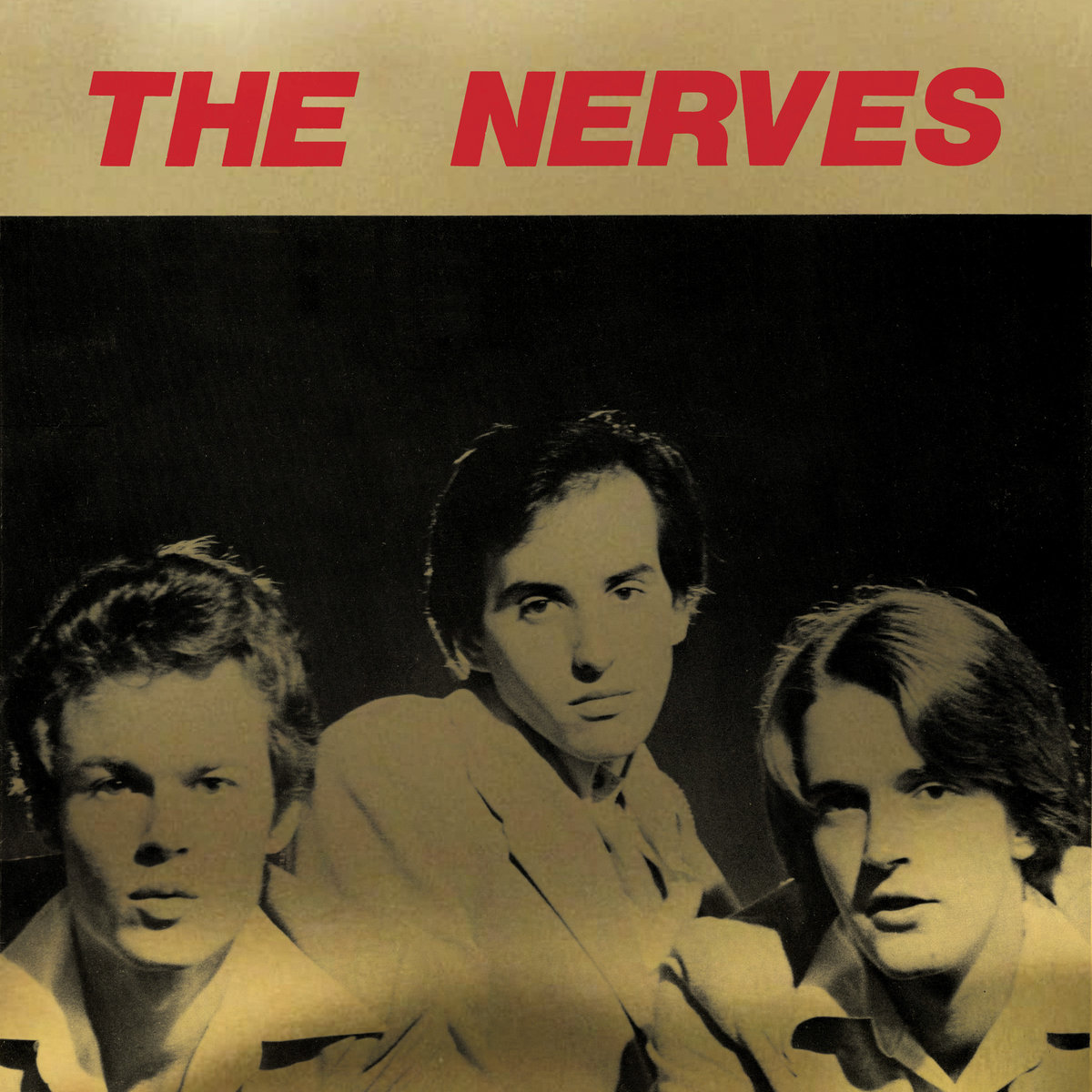
Fifty years on, The Nerves somehow still sound urgent, sharp and impossibly cool. The Los Angeles trio of Jack Lee, Peter Case and Paul Collins left behind only a small body of officially released music during their original lifetime, but their influence and reputation have only grown with the years.
Now a new release from Third Man Records opens the archives and tells a much bigger story: 29 songs drawn from across the band’s brief but extraordinary existence, assembled from studio recordings, living-room tapes and live performances.
We spoke with Paul Collins about digging through 50-year-old tapes, the small miracles that made the collection possible, working with Third Man Records, and why new generations continue to discover The Nerves.
This is an incredible overview of The Nerves: 29 songs bringing together recordings from different periods of the band. What can we expect from this collection? Are there recordings or versions on it that you’re particularly excited for people to hear?
Yes I’m very excited for people to hear this record. It has the best recordings of the songs that we were working on from the time period of 1974 to 1977. All of these songs would have been a part of a Nerves album had we been lucky enough to make one.
They are all recorded versions either in studios or in living rooms but mixed properly, except for the songs that were recorded Live at The Starwood. The sound quality is just fantastic because we were able to find the source tapes to practically every single song on this record so it’s it’s really the very best of The Nerves.
How did the idea for this particular release come about? Who first had the idea to bring all this material together, and when did Third Man Records become involved?
Well it came about when we realized that it was the 50th anniversary of The Nerves and Jack Lee’s daughter Cynthia was managing his estate after he passed away and she really wanted to do something to commemorate her father’s Legacy.
I do believe that Jack had asked his daughter if she could try to get Third Man Records to put this record out for the 50th anniversary. He knew about the label and about Jack White. Cynthia was really very instrumental in speaking to them and when they heard that there was the possibility of making the record they asked if both Peter Case and myself would be involved and of course we said yes, at which point they said we’d like to hear what you guys want to do. When they heard the material they agreed to put it out and then it just snowballed from there.
They did an absolutely incredible job mastering all the the songs and organizing the archival material and they put together an absolutely stellar package. A double album on red swirl vinyl and it couldn’t be any better for a 50th anniversary release for this band.
It must have been an enormous job to put this collection together. How much searching and digging was involved in finding the original recordings, and were there any discoveries during the process that surprised you?
Yes there were a lot of Small Miracles involved with getting all these tapes for the record. Some of them were in storage bins in Redding, California there were some in Los Angeles there were some here in New York. We would find these boxes of tapes, some of them were marked some of them were unmarked. They have been sitting around for 50 years so we didn’t know whether the tapes would be completely corroded or if they would be usable. When we transferred them we were sitting on the edge of our seats not knowing, and finally when the transfers came back it was amazing the music was in pristine condition and it was just fantastic!
The biggest surprise was when I found a cassette that I had transcribed for a release I did a number of years ago called The Best of The Archives In Another World. On that tape was a live session done in the very beginning of The Nerves on a realistic tape deck of me, Jack and Peter playing I Need Your Love and Paper Dolls and One Way Ticket. You can really hear the band as we were in the beginning, how we worked up all the songs. I was playing drumsticks on a phone book, Peter was on his Hoffner bass and Jack was playing his Rickenbacker. That’s how we worked up the songs. It really gives you a bird’s eye view of how the band formed way back in the beginning. Also a friend of the bands sister had recorded The Nerves at The Starwood. She has the tape recorder in her purse! She left the purse with the recorder in her closet and found it 50 years later!

And then there’s Third Man Records. How did the relationship with Third Man come about? And what does it feel like to see The Nerves’ music given this kind of new life by a label like Third Man?
Like I said Cynthia is really responsible for the initial conversations with Third Man Records. Once they agreed to do it both Peter and I and Cynthia spoke with their head of production Dave Buick in Detroit and Dave orchestrated everything at Third Man and with with their art Department headed up by Roe and the mastering which was done by gentleman called Warren. It’s all in-house at Third Man. Everybody knows what everybody’s doing and there was a lot of excitement about the project. There was a lot of tender loving care put into every aspect of the project. The mastering and the artwork, it was all done with the utmost of care.
After all these years the little band that could, is, and Third Man is taking us to a huge audience. A much bigger audience than we have ever been able to reach. There will be a whole new world out there that will get to hear The Nerves and that is very exciting and very satisfying!
It’s almost incredible that, after all these years, there is still so much interest in The Nerves based on such a relatively small number of released songs. Young generations keep discovering the band. How do you explain that The Nerves have always remained so genuinely cool?
To me personally I think the reason why The Nerves has endured all this time is because we spared absolutely no amount of time or energy in trying to be the absolute best we could be. We aspired to be as good as we could possibly be, and we would not give up until we thought we had achieved that.
I learned so much in that regard, by working with both Jack Lee and Peter Case, and what it takes to try to climb all the way to the top.
The Release Date for Best Collection is October 23, 2026