Rediscovering the Past: The Typicals’ Journey from Forgotten Tapes to Timeless Tracks

A Talk with Jeb Barry on the Release of The Typicals: The 1980s-90s Power Pop Band’s Final Recording, Released 32 Years After It Was Recorded, Lost, and Then Discovered.

Could you share the journey of bringing this record to life? How did all the pieces come together to create the final product?

The Typicals formed around 1986 as a four-piece band centered around Jeb Barry and Michael O’Neill’s songwriting. They wrote all their songs separately and then brought them to the band to arrange. “I never told anyone what to play when we learned a new song I wrote; we let them create their own parts. Mike did the same,” Barry explains.

Due to musicians moving on to other careers, by 1990, we were a three-piece with a new drummer. Our songs had gotten harder and less powerpop. We decided to record live at CBGBs on DAT tape for a future live album release of all new songs. Unfortunately, the sound engineer only recorded one channel, so it was a waste, although it was fun to play there (we had previously focused on the Boston area for shows).

Since I had a fairly expensive DAT tape, we booked an hour with a local studio where we recorded our first two self-releases (Popscreams and The Poverty Sessions). We recorded it live in one shot, except for one song we did four times but kept the first take.

We ended it all right in the middle of talking to DGC (David Geffen Company), who loved our stuff. But the band was entering their 30s, and the music business at the time was not a great place to be. People thought I was crazy to walk away. LOL

How did DGC get interested?

Before this, we had met and talked to a few major record companies and sent out dozens of copies of our album, but nothing came of it. In 1991, I saw that DGC was a new subsidiary that had signed a band I knew through college radio, Nirvana, for a million-dollar advance. I decided to stop sending out albums and tapes and created a small promo pack of articles and reviews of the band.

Cindy Peters from Gary Gersh’s A&R office at DGC called my house later. She told me to send her a tape of three songs and instructed me to put a special code on the bottom right of the envelope, or else it would be thrown away. I did that, and she called a week or so later, saying they loved it but thought we sounded like a band they had recently released, Nirvana. I had recently gotten the Nirvana CD and didn’t see the comparison, but she pointed out similarities like soft verses and hard choruses. She requested more songs, so I sent some new and some old, including rockers and acoustic ones.

She called again, saying the new songs reminded her of The Posies and requested more. This happened a few more times before I decided I didn’t want to travel around the country in a crappy van playing low-level shows for little money and walked away. I did not return the next few phone calls from Cindy.

Was there a particular moment or experience that struck you, signaling that you were onto something special with this project?

Probably the first time we played as a three-piece. I (Jeb) had to play bass on Mike’s song (except for “This Lonely One,” where I played bass on my own song) and vice versa. It made the songs simpler yet more intense compared to our older material.

The decision to seek opinions on your new songs is intriguing. When did you realize that external perspectives could contribute to your creative process?

I think that happens from the first time you play, especially performing original material. You seek input from others outside the band to gauge the impact of the material.

Success can take on different meanings as time goes on. When envisioning success for this new record, what does that picture look like now?

Our only goal when we recorded this was to give others an idea of how we sounded live as a three-piece and how the band was changing. This had nothing to do with the emerging grunge sound that was starting to become popular. As a three-piece, we needed to play the new songs more aggressively—and louder too.

Within this collection, do you feel that the best song you’ve ever written finds its home? If not, what distinguishes this record’s essence from your prior work?

As a songwriter (currently writing and performing under the name Pawn Shop Saints and doing Americana with some acoustic powerpop added in, e.g., the song “Diane”), I’m still trying to write that perfect song. That’s why I keep writing. But my favorite of this bunch is probably “This Lonely One.” It just stood out to me when I wrote it and when we recorded it.

As an artist, the act of baring your emotions to the world is profound. Does this vulnerability come naturally to you, or is it a constant journey of finding comfort?

Since all my songs are not written with any relation to me, I don’t really bare any emotions. All my songs are like films, where I create plots, scenarios, and characters to play out the song’s theme. Some people think I am writing about myself, or sometimes I’m writing about them, but I don’t do that. It’s all fantasy or fiction.

Imagine you could collaborate with three co-writers of your choice for new songs. Who would you select, and what qualities or dynamics draw you to them?

I have only co-written once, with Jason Isbell via Twitter (that’s another story). But in 1992, it would have been Tommy Keene, Marshall Crenshaw, U2, Elvis Costello, or Springsteen.

Today, it would still be Elvis, Springsteen, Isbell, and Steve Earle. I’d even include Taylor Swift since she writes very differently from me, and I love challenges.

Among the gigs you’ve performed, which one holds an indelible place in your memory and why does it stand out?

CBGB’s was cool, but probably our first show at The Rat in Boston or the frat party we played for hundreds of drunk college kids in the pouring rain. They had a big mud puddle they were jumping in right in front of the stage. It was cold and miserable, but fun.

Defining a song’s completion can be elusive. How do you determine when a composition has reached its final, ready-to-record form?

I guess it’s different for all songwriters, but like most, I just know when something isn’t working and needs to be changed. If it’s a song I think is good, I’ll work on it until it hits that comfort zone. Recording is a different beast. I may have a sound in my head I’m striving for in the studio, but sometimes it just doesn’t work. I’ve scrapped and rerecorded several songs in the studio. Luckily now, I can do that in my own home studio.

Striking a balance between experimental artistry and commercial appeal is a challenge. How do you navigate this dynamic within your music?

Since I don’t have any goals to be commercial and never have, I just do what I like. In 1992, that’s what we did. We didn’t try to sound like anyone, jump on the grunge train, or try to be hip or popular. We just had fun. It’s the same today.

Lyrics often carry profound meaning. Are there particular lines you hope listeners will always remember from your songs? If so, what’s the significance?

Every song could have a line that has meaning to somebody. I’m not sure any of them are profound, but listeners might catch a line or two that they feel speaks directly to them.

Can you recall the last instance when you felt the immediate certainty of having penned a hit song?

I feel I’ve written a lot of catchy songs that few people have heard. As for a hit, I’m not sure. I still think “This Lonely One” is a hit powerpop song. Since I don’t write in one genre and mix it up a lot, there could be hit country, pop, rock, Americana songs in my catalog. I’ve written thousands of songs—most are crap, but there are a handful I could perform every night. Usually, the simpler ones are the best for me, like “She Comes Along,” an unreleased Typicals song, which was always a crowd favorite and the first song of mine another band covered.

With the resurgence of cassettes, imagine curating your inaugural mixtape. Which five songs would be must-adds and why?

For The Typicals, they would be:

  1. “She Comes Along”
  2. “This Lonely One” (Mike’s guitar work/hook really makes the song)
  3. “The Cold Shoulder” (another unreleased Typicals song, slower and groovier)
  4. “I Could Be The One” (Mike’s song from the Popscreams album)
  5. “The 4th Of July” (from The Poverty Sessions cassette)

I’d pick these all for the same reason: they are catchy. Mike, I’m sure, would pick different ones.

Performing music before an audience holds a unique allure. What aspects of this experience contribute to the excitement and enjoyment for you?

Just getting the interaction of the crowd, even if they are just listening. As a songwriter, it’s incredibly rewarding to have people actually listen to your songs, especially when doing a solo show. I did a solo show at the Bluebird in Nashville a few years ago, and there was no talking. Everyone just sat and actually listened.

While you can’t dictate how people interpret your music, are there specific elements you wish to highlight that set your songs apart?

For The Geffen Tapes, it was the hooks of the songs and the energy that we were trying to get across. Anything beyond that was a bonus. Today, it’s more about the lyrics and stories in the songs that I hope listeners pick up on.

If tasked with introducing your music through three songs, which ones would you choose and what story do they collectively convey to new listeners?

In 1992, it would have been “This Lonely One,” “Going Steady Still” (from Popscreams), and “This Lonely One” again since I think they are good, angst-tinged power rock songs.

In a hypothetical scenario where you could tour with two other bands, who would be your ideal companions and what synergies do you envision?

In 1992, it would have been Nirvana and U2 (my favorite band, and they’re Irish, so that’s a plus). I think The Typicals could have added a similar yet different sound to either band as a supporting group, which is actually what you want for a concert. Since we were all around the same age, that wouldn’t hurt either.

Studio moments often hold a touch of magic. Could you recount an instance that stands out as the most enchanting during your creative process?

For The Typicals, we never had much money, and there was no home recording then. If you wanted to record, you had to book time in a real studio, which wasn’t cheap. We recorded at Derek Studios in Dalton, Massachusetts, the only one around (another local, Arlo Guthrie, recorded there too). Since it was expensive, we learned to be well-rehearsed and record quickly. Our first album, Popscreams, was done live in the studio with vocal overdubs. We did it so fast that we had time to record four acoustic songs. The same was true for the second one, the EP The Poverty Sessions (named by Mike because the mixing took twice as long as the recording and was very costly). But the first time you listen to a final mix of your first recorded song and hold that album in your hands is unforgettable.

Where do you see yourself situated within the broader landscape of the music industry? How do you perceive your unique role and contribution?

We came close to something with DGC, but essentially we were a local original band that only did originals (all other local bands were cover bands) and put out our own music. One reason we did an album ourselves was because all the local ‘experts’ said it couldn’t be done and that you needed a record company. But since we had no management or money for promotions or tours, we were pretty restricted to being a Massachusetts band. But we showed a lot of bands that you could put out your own DIY records.

Envision recruiting three singers to provide harmony vocals on your next record. Who would you invite, and what qualities do they possess that resonate with you?

In 1992, it would have to be:

  1. Susanna Hoffs—she has a one-in-a-million voice.
  2. Robin Zander—he still has a powerful voice.
  3. Scott Miller of Game Theory—he has a unique and standout voice.

With the record completed and the music released, do you believe the pinnacle of enjoyment has been reached, or is this just the beginning of an exciting phase?

Since it’s been 32 years after the recording, we don’t expect much at all. It’s hard to stand out in today’s mass-produced music world, but maybe someone will hear it, like it, and promote it to the right person to reach a larger audience. But if not, that’s okay. I really don’t expect to hear us on SiriusXM anytime soon or hear from a label looking to press the songs. We do have some more unreleased Typicals songs, mostly Tascam 4-track recordings, that will see the light of day in the next few months, and maybe some live show songs. It all depends on the quality of the cassette tapes. If they are lo-fi, that’s fine since we love that type of sound.

Looking ahead to the next couple of months, what exciting plans or projects are on the horizon for you?

The homemade album with the songs “She Comes Along,” “Cold Shoulder,” and “Oh Janine” from 1988 should see a digital release by Christmas. Plus, I may record another Pawn Shop Saints album or do a compilation of all the powerpopish songs the Saints have recorded—all for fun!

Can you take us through the creative journey of bringing this album to life? What were the key milestones, challenges, and breakthroughs you experienced along the way?

As described above, the show at CBGBs was a letdown on the recording side, but the live tape came out pretty well. The original DAT tape disappeared, and all I had was a cassette tape I recently found while cleaning out old Typicals cassettes. It’s not the best sound compared to the original tape, but after 32 years, it’s not bad. I tried remastering it, but it actually didn’t need anything, which is a kudos to the recording engineer, Greg Steele. I finally decided to put it out on the internet for free, especially since I don’t have the funds to press a record or CD. But maybe someday.

How would you describe the evolution of your sound in this new album compared to your previous works? Were there intentional shifts in style or themes?

Harder and rougher—not as pretty. Maybe our influence from The Clash or Dinosaur Jr. (who lived less than an hour from us in Massachusetts) was coming through, but who knows? I think we all just wanted a more powerful style, especially as a three-piece.

With this fresh collection of songs, how do you envision connecting with both your existing fanbase and new listeners? Are there specific emotions or messages you hope they’ll resonate with?

Since we’re releasing them 32 years later, most, if not all, of our fanbase is gone. So, we are starting from scratch three decades later. But these songs haven’t been heard outside of DGC, so maybe someone will randomly hear them, like them, and the sound. Or they might get lost in the modern music era.

Back then, if I hadn’t walked away from the business, I’m not sure what would have happened. Perhaps nothing. We might have stayed a regional act making no money and working crappy jobs.

Albums often involve collaboration with various musicians and producers. Could you shed light on how these collaborations contributed to shaping the album’s identity?

Greg Steele (who passed in 2023) usually just produced and left the engineering to others, as was done with our prior albums. This time, for the live recording, he did the engineering so we could get the best sound with no overdubs or fixes. It was all recorded directly to a DAT tape. The results didn’t need to be mastered or changed in any way. There were no other musicians—just myself, Mike, and Sean playing the same set we did at CBGBs a couple of weeks earlier.

In the digital age, visual elements are intertwined with music. How did you approach the album’s visual aesthetics, such as album art and accompanying visuals? How do they complement the sonic experience you’ve crafted?

I have an art degree but still appreciate the DIY look of many of the 1980s-1990s self-releases. Most of our posters and flyers were hand-drawn, and even our first album cover was hand-drawn since we couldn’t afford text paste-ups. For the cover, we went for a simple, time-period-appropriate look: a photo of us outside CBGBs and nothing else. If I had to design an entire album jacket, I’d keep with that theme.
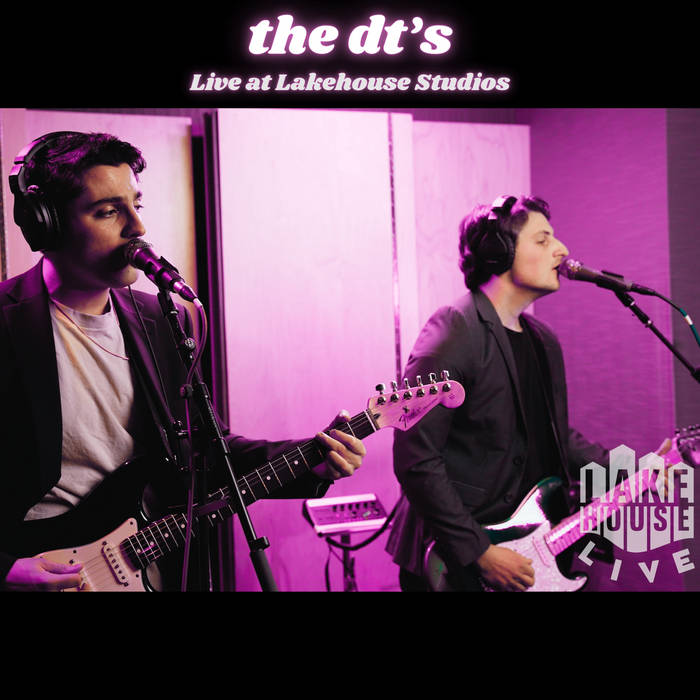
the dt’s: Capturing the Magic of Live Performance with ‘Live at Lakehouse Studios’

‘the dt’s’ is a Power Pop band hailing from New Jersey. Fronted by David Cacciatore and Tom Losito, the group crafts straightforward, irresistibly catchy pop tunes that are perfect for live performances. Fittingly, their latest EP, Live at Lakehouse Studios, captures the energy of their live shows, as the title suggests.


You can find ‘Tina’ showcased on the Best Power Pop of 2024 Spotify Playlist.


How do you balance experimentation with commercial appeal in your music?

We love to experiment in the studio, whether that involves exploring new recording techniques or instrumentation that can add flair to a song. We appreciate songs that are concise and structured with plenty of hooks and melodies, but also those that leave the listener wanting more. Balancing experimentation with memorable melodies is a challenge that we enjoy tackling.

Lyrics are too often taken for granted. What is the line of text or are the lines of text that you hope listeners will remember? And why?

Some lines of text that we hope our listeners will remember are the last lines of our single, “Refresh”: “Don’t hit that refresh, ’cause I know I’ll regret seeing what you’ve been up to, seeing the things that you do.” Throughout the song, the narrator wants to “hit that refresh” to see what this person they used to know has been up to. However, in the end, the narrator realizes that this habit of checking up on this person is unhealthy and ultimately decides not to “hit that refresh.” It’s a song that comes full circle for the narrator, showing growth, which we love!

We also try not to overthink lyrics and prefer having a stream of consciousness for what we are feeling in the moment. We always find ourselves looking to rhyme or finding certain phonetics that make a chorus pop, as the melody is most important to us. We love clever lyricists and wordsmiths like Nick Lowe, Jason Isbell, and John Prine!

Playing music in front of a crowd. What’s all the fun about?

We love playing live and we try to leave everything on stage when we are in front of people, whether it is a big show or a small, intimate one. Many times, people mention to us that it looks like we are having the times of our lives on stage. And truthfully, we are! Putting on a show with crowd involvement, good vibes, and full-throttle energy is what we are all about and what we look forward to the most.

If you could tour the world with two other bands, who would you ask, and why?

We would love to tour with The Lemon Twigs, Silvertwin, The Brook and The Bluff, or Inhaler (yes, we know that is more than 2!). All of these bands are writing incredible songs and we feel our sound would mix very nicely with them. We’ve been admiring their work and content over the last few years!

What compliment you once received will you never forget?

One of our favorite compliments is when people mention that our voices blend nicely together or they love our harmonies. There was one time we were playing an acoustic duo show in South Orange, and a group of choir students from Seton Hall University complimented our vocals and asked if we sang professionally. Neither one of us went to school for music, and we both have limited formal training. So, to hear that from students who are being formally trained in their voices meant a lot to us. Harmonies are something we put a lot of emphasis on and put a lot of practice into, so when people compliment us on that, we are always grateful.

If you could pick three singers to sing harmony vocals on your next record, who would you ask?

Tom: For me, I would have to pick Sir Paul McCartney and Don/Phil Everly.

Dave: Hozier, Noah Kahan, Jon Bon Jovi (Jersey!!).

What’s up for the next couple of months?

In the next couple of months, we have a ton of shows lined up both as a duo and with our full band. We have a great show lined up at the Crossroads in Garwood, NJ on July 18th. The bill will feature a ton of talented friends including Kelli Bruno, Gina Royale, and The Extensions!

We also have a new single coming out on July 5th! We recorded this song a while back with our good friend Joey Papa, and are anxious to finally release it. We think it can become a summer playlist staple! Additionally, we will be focusing on rehearsing some new songs with our band so we can prepare to head back into the studio. Similar to our latest EP, The dt’s Live at Lakehouse Studios, we are excited to get back to the studio to record our new songs and capture the energy of our band!

From Techies to Tunes: The (Un)likely Journey of Baseball Bat

Baseball Bat, a power pop band from Nashville, has recently released two strong, catchy songs, building anticipation for their upcoming EP set to drop in mid-June.

In an interview with Sweet Sweet Music blog, Brian Fuzzell explains that these songs have a long history.

Could you share the journey of bringing this record to life? How did all the pieces come together to create the final product?

The four of us worked together and became friends at a Nashville technology company. One day, Jerry came in with the idea that he wanted to form a band called Baseball Bat. He had the name before he had a band. So, the four of us got together to try to play some Weezer songs, but we never did. Instead, we wrote some of our own songs—the first was our own type of theme song, called “Baseball Bat.” Years later, we finally played one or two of those old Weezer songs.

But it took a lot to make these songs come to life as recordings. Over the last 12 years, we’ve recorded most of them twice in separate sessions, and both times, we ended up trashing the recordings. We also kind of, sort of, passively broke up for about six years. But like Voltron, we re-formed two years ago with the goal to give this another shot and truly make some recordings we’re proud of. Fortunately, Jeremy Ferguson agreed to produce, mix, and engineer the sessions. He really captured the sound and energy we’d always hoped for. Another amazing thing that happened is our old friend and former coworker, Brian Murphree, got involved and mastered the recordings. He’s become an incredible mastering engineer with his business, Soundporter Audio Mastering, so it felt great to keep things in the family to finish the project.

With the resurgence of cassettes, imagine curating your inaugural mixtape. Which five songs would be must-adds and why?

Harry Nilsson “Gotta Get Up,” The Posies “Daily Mutilation,” The Replacements “Bastards of Young,” Weezer “El Scorcho,” Tom Petty “Honey Bee.” We love these songs, and they get to the heart of what the four of us collectively love about rock music.

If tasked with introducing your music through three songs, which ones would you choose and what story do they collectively convey to new listeners?

“Let Down,” “Brain Dead,” and “Baseball Bat” (the song) are probably the best introduction to what this Baseball Bat thing is all about. Those three represent our blend of slacker garage-y quirkiness very well.

Where do you see yourself situated within the broader landscape of the music industry? How do you perceive your unique role and contribution?

We have absolutely no role in the music industry at all. Ha! Baseball Bat is more like an art project, existing only for the purpose of friends having some laughs and creating together. Our unique contribution to listeners is to provide the soundtrack to make memories, make babies, have some laughs, and repeat.

In the digital age, visual elements are intertwined with music. How did you approach the album’s visual aesthetics, such as album art and accompanying visuals? How do they complement the sonic experience you’ve crafted?

We keep it pretty simple. Baseball Bat is a garage band at the end of the day, and we like taking a straight-ahead approach to our music and visuals. We try not to overthink, much like the punk and garage rock we grew up on, but that doesn’t mean we want to be boring. Our “logo” came from duct tape letters, and most of our imagery is playful, simple, and fun.

We are inspired by the ones that blew our minds with simple, relatable, not-trying-too-hard releases from bands like Superchunk, Pavement, Tom Petty, The Toadies, and Green Day. Our EP cover for “It’s A Let Down” is an actual photograph from our bass player’s house in East Nashville when his basement flooded and all his vintage toys went everywhere. The natural chaos of that image felt just right for the cover and namesake.

These songs are 10-12 years old, and no matter how good we record them, it’s still just us behind them—a bunch of middle-aged dudes from Nashville, TN playing with heart. It kind of is a letdown, so we lean into it and hope that not taking ourselves too seriously is the key ingredient to make an unassuming set of songs that just wanted to get out into the world sound just right, despite the world not asking for them.


What’s coming up?

THURSDAY, JUNE 6: Cassette release show at The 5 Spot, Nashville, TN

6-8 pm early happy hour rock show with The Robe (Soccer Mommy & Features drummer Rollum Haas side project). We’ll sell the limited edition cassette exclusively at this release show – only 50 copies pressed on assorted colors!

FRIDAY, JUNE 7: Worldwide digital release

Digital and streaming release to all major outlets, including Bandcamp.

Back in Flight: Scotland’s Aerial Returns with ‘Activities of Daily Living’

Scotland’s Aerial has finally unveiled their highly anticipated album after a decade-long hiatus. Following the success of their 2014 standout, ‘Why Don’t They Teach Heartbreak At School?’, which featured the stellar track ‘A Great Teenager’ ranking at number 38 on my ‘The Best 100 Power Pop Songs of this Century (2000-2020)‘ compilation, the band returns with ‘Activities of Daily Living’. Once again, they hit the mark, particularly resonating with fans of Teenage Fanclub and Fountains of Wayne, as Aerial continues to thrive in that musical sphere. This latest release offers a delightful array of cleverly crafted earworms, showcasing the band’s trademark wit and charm.


You can find ‘Bad Tattoo’ showcased on the Best Power Pop of 2024 Spotify Playlist.


Could you share the journey of bringing this record to life? How did all the pieces come together to create the final product?

We started writing the album (Activities of Daily Living) about 3 years ago. Covid afforded us time and boredom. If I remember rightly, Mackie (Mackintosh – the other songwriter in the band) set himself a challenge to write a song a week and deliver a finished demo to me every Monday. I think he told me in order to keep himself honest. I decided to do the same thing and then began a pretty frenetic period of writing and exchanging demos, a bit of one-upmanship and an eventual body of songs that was the basis for the album. In the end we took 14 of them into the studio once lockdown was lifted and over a number of sessions, worked with producers Duncan Cameron and Dave McClean at Riverside Studios in Glasgow to record it.

We have worked with Duncan before (on our debut Back Within Reach). He has produced some of my favourite bands – Teenage Fanclub, BMX Bandits, Trashcan Sinatras – and so we trusted him to bring out the best in the songs. We mixed the album with him too and are really happy with the end result. It’s probably our best sounding record.

Was there a particular moment or experience that struck you, signaling that you were onto something special with this project?

For me personally, I think when I stumbled on the concept of writing a song about wasting time playing video games (Pixelated Youth) – that was one of those moments. It was one of the quickest songs to write for this album. I think I wrote the lyrics in one long, late night session. The theme afforded lots of nostalgic references – power ups on Super Mario, collecting coins on Sonic, game cartridges, dot matrix printers etc. It became a homage to Shigero Miyamoto, the Nintendo programmer who wrote most of those games. I added lots of Game Boy chiptune effects in the final song and I think that fits really well.

The decision to seek opinions on your new songs is intriguing. When did you realize that external perspectives could contribute to your creative process?

Well, I only really seek the views of the rest of the band. We have been doing this long enough and I think have a quiet confidence in what each of us does. And we have strong enough relationships that if something isn’t good enough, it will be called out. For the last album (Why Don’t They Teach Heartbreak At School?) we had a ton of songs to choose from – like about 50 or so. Much of the work there was paring it down and choosing what would form the album. This one was different; we wrote for the album. Each of us has a good enough filter such that if a song makes it to the demo stage, it will probably be a contender. We didn’t throw much away.

In fact, we had so much time and recording tools to hand, that the demos are really well produced. That can be problematic as you can then spend too much time in the studio ‘chasing the demo’. In the end we did use some of those original demos as overdubs.

Success can take on different meanings as time goes on. When envisioning success for this new record, what does that picture look like now?

I am really proud of our previous albums. I think the collection of songs on there really stand up. This is our first one in a few years so I think at the start, success is probably making sure you are not eroding the good work you have done before.

Once you get past that, the concept of success changes. For us, I think success was probably down to two things – getting the songs themselves recorded well and to our satisfaction. And then getting the right label deal. We were quite focused on this one in getting it out on vinyl. And we did that. It is out on Flake Sounds in Japan and we have a limited release of 300 on coloured vinyl – exactly what we were after. The less outcome-focused bit of success for me is getting to spend time as a band in the studio and going on the ride of concept to release. Spending time with your bandmates as you do this is probably the best bit.

Among the gigs you’ve performed, which one holds an indelible place in your memory and why does it stand out?

Oh there are lots of gigs that stand out. For me, when we played T in the Park many years ago – that was really special. It’s the main music festival in Scotland – or it was at the time as it’s moved on and rebranded now – but it’s the one I grew up going to with my friends. To go there as a band and experience backstage, the other bands, the most generous rider we’d ever had – it was great. A real highlight.

Lyrics often carry profound meaning. Are there particular lines you hope listeners will always remember from your songs? If so, what’s the significance?

I still think Why Don’t They Teach Heartbreak At School? is a great song and album title. I can say that because Mackie came up with it, not me. It made promotion for that record very, very easy. Most reviewers had their own reflection on the phrase and were hooked. I think we got a lot of listens as a result.

Arguably, it meant that coming up with the title for this album was trickier, but we all gravitated to Activities of Daily Living pretty early on and I think it works well. It fits in with what we were doing when we wrote it. Like everyone, we were stuck in a cycle of eat, sleep, work, repeat over covid – our activities of daily living. That’s ultimately what the album is about.


Aerial’s new album ‘Activities of Daily Living’ is out now on Flake Sounds.

Released on Eco-Mix Coloured Vinyl. Limited to 300 signed & numbered copies.

Available at: https://aerial.bandcamp.com/album/activities-of-daily-living

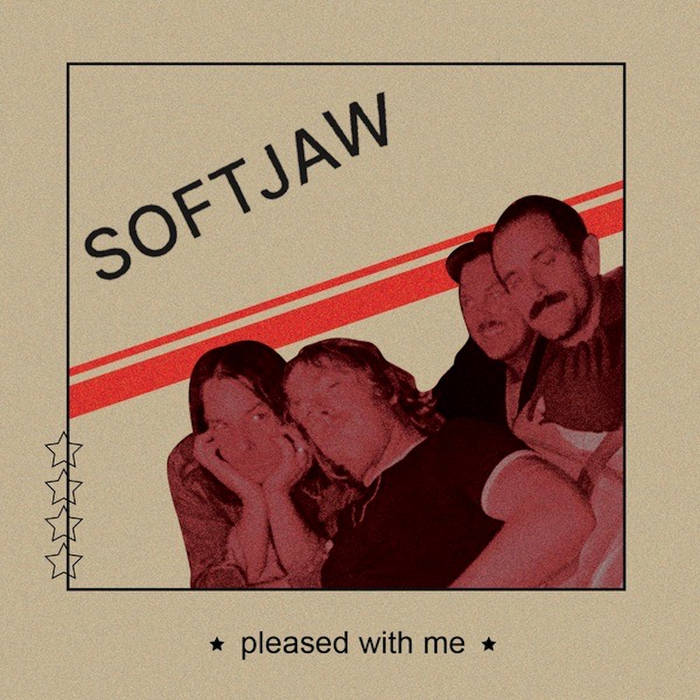
SOFTJAW – Pleased With Me

“Pleased With Me” stands as the irresistibly catchy debut single by SOFTJAW, hailing from Long Beach, California. Serving as a vibrant ode to the golden era of Power Pop, the track channels the spirit of influential bands like The Nerves and Cheap Trick.

In a musical landscape where acts such as Young Guv, The Whiffs, and The Prize pay homage to these iconic predecessors, SOFTJAW joins the ranks, affirming that the genre is indeed very much alive and thriving.

Sweet Sweet Music blog graciously provides a platform for the band to introduce themselves.


You can discover ‘Pleased With Me’ featured on the Best Power Pop of 2024 Spotify Playlist.


Could you share the journey of bringing this record to life? How did all the pieces come together to create the final product?

Dustin: Once Tanner and I got together for this project, the songs started taking shape right away. A few weeks later, we recruited Vinny and Dan, played a few shows, and hit the studio. It happened really quickly.

Tanner: I met Dustin at the local bar, and he dead ass came up to me and said he wanted to start a power pop band, and he wanted me in it because I rock so goddamn hard, and something along the lines of “you’re too badass to not be in a band with me,” and I was all, “you’re right”… Just kidding, I was wearing a Big Star shirt, and he asked if I liked The Nerves. I said, “that’s like a top-five favorite of all time.” Everything just got easier when Vin and Dan hopped on; it felt like they really made it a heavy-hitting group, and I’m so stoked to rock with these fellas.

Was there a particular moment or experience that struck you, signaling that you were onto something special with this project?

Dustin: The fact that we sounded pretty good right off the bat was it for me.

Tanner: It was probably when Dustin and I started singing together the first time we practiced; it’s not easy to find other rockers who wanna sing their ass off and harmonize like we do, and it was pretty instant that I knew this was gonna be fun.

Vinny: I knew when I heard the demos the songs were great, but hearing how good they sound live is pretty wild. I’m mostly talking about the harmonies. It’s always pretty amazing. The guys are pop freaks.

The decision to seek opinions on your new songs is intriguing. When did you realize that external perspectives could contribute to your creative process?

Tanner: To quote White Reaper, “if it makes the girls dance, the boys will dance with ’em.”

Success can take on different meanings as time goes on. When envisioning success for this new record, what does that picture look like now?

Tanner: To be quite honest, all I want to do is rock and roll; whatever lets me do that more is a success to me.

Dustin: Same; I just want to play rock and roll music.

Vinny: A million bucks (each) in Spotify streaming royalties and performing at the halftime show for Super Bowl XXXXXVII.

Defining a song’s completion can be elusive. How do you determine when a composition has reached its final, ready-to-record form?

Dustin: We don’t really put a ton of thought into it. Once we’ve played the song at a show, it’s alive and ready to be printed.

Vinny: I always try to err on having a song be too short rather than too long. Someone can always repeat a song that’s too short, but if they skip a song halfway through, then you probably overstayed your welcome.

With the resurgence of cassettes, imagine curating your inaugural mixtape. Which five songs would be must-adds and why?

Dustin:

  • The Nerves – “When You Find Out”
  • Teenage Fanclub – “Sparky’s Dream”
  • The Lemon Twigs – “My Golden Years”
  • Brower – “Where Is The Magic?”
  • The Gants – “I Wonder”

Vinny:

  • Pavement – “Gold Soundz”
  • Pavement – “Harness Your Hopes”
  • Pavement – “Frontwards”
  • Pavement – “Kentucky Cocktail”
  • Pavement – “In the Mouth a Desert”

Tanner:

  • “On Top of the World” – Cheap Trick
  • “Starry Eyes” – The Records
  • “Thorns and Roses” – Exploding Hearts
  • “No Substitute” – The Shivers
  • “Somewhere to Fall” – The Uni Boys

These are absolute smash hits that get everyone jumping and moving.

In a hypothetical scenario where you could tour with two other bands, who would be your ideal companions and what synergies do you envision?

Dustin: Slade and XTC would be killer. The Who is up there as well for me.

Vinny: I dunno, I’d love to watch DEVO every night for 4-5 weeks, but I could see them being assholes to the opening band. Tenacious D seemed to have a pretty good vibe when I saw them soundcheck. Maybe them and Guns N’ Roses for intentional and unintentional comedic relief.

Tanner: I’m on a giant Cheap Trick kick, in particular the Heaven Tonight record, so probably them but during that era. I would love to tour with Vacation from Cincinnati; I saw them play when I was on my first U.S. tour, and they are the nicest and most rowdy boys; their songs rip face. Touring Japan with the Uni Boys would be sick too and should totally happen.

Among the compliments you’ve received, is there one that remains etched in your memory? If so, what made it particularly unforgettable?

Dustin: At our last show, someone compared us to MC5, which is insane.

Vinny: “Good set.”

Where do you see yourself situated within the broader landscape of the music industry? How do you perceive your unique role and contribution?

Tanner: SOFTJAW is gonna be the band you can’t get out of your head, big, phat, and catchy! No fooling around with this rock and roll shit; we are taking over the planet, baby, all in the name of rock.

Envision recruiting three singers to provide harmony vocals on your next record. Who would you invite, and what qualities do they possess that resonate with you?

Dustin: John, Paul, and George. I learned all of John’s vocal parts as a kid. That’s how I learned how to harmonize.

Vinny: Man, honestly, Dustin, Tanner, and Dan are all insanely good at harmonies. Why go out for burgers when you’ve got steak at home?

Looking ahead to the next couple of months, what exciting plans or projects are on the horizon for you?

Dustin: Bunch of new songs and recordings. Lots of shows planned.

Vinny: SOFTJAW mini-tour/album, becoming so famous.

Albums often involve collaboration with various musicians and producers. Could you shed light on how these collaborations contributed to shaping the album’s identity?

Tanner: The way I see it, I’m the young gun in the band; everyone has some insane chops, and I have the most respect for the boys, so I always feel like I gotta push to keep up with these dudes. Working with Dustin and writing these tracks has definitely put a fire under my butt. Dustin comes to me with a demo that sounds like a masterpiece, and I send him shitty voice memo demos; the skill and ease that he puts out tracks makes for a healthy competitive energy; I’m always trying to write the next catchy riff or jolly chorus, and that drive keeps me moving. Ala Paul and John or Buzz and Woody.

Dustin: We balance each other out with our songwriting styles for sure. When Tanner picks up a guitar and starts singing, it’s instantly rock and roll, and he writes killer jams. Kid’s got the magic.

In the digital age, visual elements are intertwined with music. How did you approach the album’s visual aesthetics, such as album art and accompanying visuals? How do they complement the sonic experience you’ve crafted?

Tanner: My girlfriend and I designed the single covers; she is a wizard with editing, and I love her very much, and I’m just soaking up ideas from what’s around or what I rock with.

Eight Years in the Making: The Real Numbers Unveil ‘THANK YOU!’

Dave Ambrose and Lawrence Grodeska joined forces to create The Real Numbers, a musical fusion blending power pop and geek rock. Drawing inspiration from bands like Weezer, Fountains of Wayne, and possibly even the Barenaked Ladies of Steve Page, their new album, titled “THANK YOU!“, has been in the works for approximately 8 years. Dave Ambrose recently shared the story behind the album’s creation with the Sweet Sweet Music blog.


You can discover ‘Lucy’s in Love’ featured on the Best Power Pop of 2024 Spotify Playlist.


Could you share the journey of bringing this record to life? How did all the pieces come together to create the final product?

This record has been a very, very long time in the making. We released our previous record called “Wonderful” in 2015 and then early the next year we went back into the studio to begin work on some of the songs which would eventually make their way onto “THANK YOU!”. At that time, our good friend and longtime stalwart engineer Andy Freeman was working out of a studio called Coast Recorders in San Francisco. Since we didn’t have a lot of money to record the entire record all at once, we started tracking one song at a time, taking advantage of late nights and off-hours there whenever we could (as well as some sessions at Hyde Studios, not far away), so the recordings came together gradually over the course of many months.


Then, almost a year after we had started, disaster struck: the hard drives (a Drobo device with a multi-drive RAID array) on which all our tracks were stored, died. We did everything we could to try to retrieve the data, to no avail. There were a few incomplete older backups but almost all of the work was lost. To say this was a massive disappointment would be an understatement. We cried a bit, threw ourselves into playing some more shows and writing some more songs, but it felt like a huge blow.

2017 brought a lot of changes. Our lead singer Lawrence Grodeska got married, our bass player Chuck Lindo told us his wife had received an offer for a job back in their home town of St. Louis (many hundreds of miles away) and that were planning on moving. Our drummer Rob Tucker landed a gig playing with Jason Newsted (formerly of the band Metallica). My wife and I adopted our daughter. The band played a few final shows together and although we all remained friends, it really seemed like the chapter of The Real Numbers might be over for good… but we just couldn’t let the songs go. Before Chuck left for Saint Louis, we booked some last-minute sessions at Hyde Street. Then, in early 2018, Rob and I flew out to Andy’s new place, Studio Punch-Up, in Nashville to record more drums. I took those tracks home and worked with them in my basement when I could, usually late at night after my wife and daughter were asleep. Bit by bit, track by track, we slowly started to rebuild what had been lost. More time passed, Lawrence became a father. My wife and I decided to move to Colorado so we could be closer to family.

Then another (this time much, much larger) disaster struck: there was a global pandemic. As many parents of young kids at the time will tell you, COVID made it pretty difficult to find any time to do anything besides keeping your family safe and alive. Since everyone was pretty much stuck at home, we began to reach out to friends and even some of our musical heroes to ask them to play on the record. Having been a huge and longtime fan of the band Jellyfish, I was elated when the opportunity to have keyboardist Roger Joseph Manning Jr. and bassist Tim Smith contribute to the record (Roger can be heard playing some fantastic Chamberlin, piano, and pump organ parts on the song “Lydia Pinkham”, and Tim laid down some absolutely stellar bass lines on the song “Lucy’s In Love”). Our friend Chris Hatfield of the fantastic band Love Axe arranged some beautiful strings. Kelly Atkins of 20 Minute Loop sang some great background vocals. Michael Klooster of SmashMouth laid down some amazing Hammond organ on a couple tunes, and Stewart Killen of the band Orgone played some killer percussion on Smile.

Gradually, the record came into focus. Lawrence and I flew out to Nashville a few more times for some more tracking and mixing. Finally, in late 2023 the record was complete. Drummer Rob Tucker created the beautiful San Francisco backdrop image for the record and we coordinated to release the record in January, almost eight years after the first recording sessions had been started.

We considered naming the album “Finally!” to acknowledge the seemingly Sisyphean task of completing the record, but in the end we decided that the most important thing we wanted to express was our gratitude – to all the other musicians who contributed tracks, to our friends who stood by us, to our fans who encouraged us, to our families who supported us, and to each other for staying the distance. And so the album was christened “THANK YOU!”

Was there a particular moment or experience that struck you, signaling that you were onto something special with this project?

During one of the last sessions we were at Hyde Street Studios before the hard drive crash was a moment I knew that there was something magic happening. Our bass player Chuck had brought in an old Fender amp – I believe it may have been a Concert model – and we were using it to track the song Lydia Pinkham. We had the amp turned up really LOUD, to the point where it was making this incredible sound like it was just on the edge of exploding. We got through about three quarters of the song and then the amp just shut off. A blown fuse. We found a spare, let the amp cool down and then did another take. Just as we got to the very end, it died again, but this time smoke came out of the back. One of the power tubes had completely fried, but we had the take and the sound was glorious. Andy (our engineer) turned to me and said “people are going to ask you ‘how the hell did you get that sound?’”.

Of course, all those tracks disappeared when the hard drives failed. 🤦🏻‍♂️

The decision to seek opinions on your new songs is intriguing. When did you realize that external perspectives could contribute to your creative process?

When we decided to bring in some additional musicians to contribute to the record I definitely felt some trepidation – especially when sending the incomplete songs to Tim and Roger from Jellyfish. At that point, the songs had been percolating in my basement studio for a couple years and hadn’t been heard by anyone outside the band. Also, as much as I believed in our vision for the songs, I admit there were times when I’d listen to the songs and be convinced they all sounded terrible – like I’d wasted years of my life on a pile of musical spaghetti. So letting anyone (much less two of my musical heroes) hear these half-baked creations was daunting. Fortunately, both Tim and Roger contributed some incredible parts and they were both very kind and complimentary about the songs. It really gave us all a boost of confidence and definitely encouraged me to stick with it.

Success can take on different meanings as time goes on. When envisioning success for this new record, what does that picture look like now?

While The Real Numbers has always been a passion project, we also always try to push ourselves to not settle for just “good enough”. We have no record company executives to please. Our millions of imaginary fans don’t argue about their favorite tracks on Reddit. I’m OK with all that. I’ve been as proud of the music this band has made as I’ve been of anything I’ve ever done and that is success to me.

Within this collection, do you feel that the best song you’ve ever written finds its home? If not, what distinguishes this record’s essence from your prior work?

Our records are a mix of my songs and Lawrence’s (along with a few we’ve written together and the odd cover song). On “THANK YOU!” it felt like there was a bit more contrast between our two writing styles – mine were a bit more loud and frenetic, Lawrence’s were more poignant and straightforward. That said, I think the album holds together well as a connected piece.

My songs to me are like my children and I love them all. However, I do feel like some of the best songs that I’ve ever written are on this record.

Back in 2001, I was living in Los Angeles and heard a story on the radio (NPR) about the real-life Lydia Pinkham, an early female American entrepreneur who sold regenerative “tonics” for women in the mid-1800’s. Something about her colorful name and her story really struck me. The hook of the chorus “and she owes it all to Lydia Pinkham” came to me quickly but the rest of the song was just fragments which then sat around in the back of my mental song closet for a decade and a half before the song was ready to be completed. The collision of all the elements at the end (which sort of mirrors the song’s subject’s descent into dementia) might sound like disastrous cacophony to most listeners, but for me it’s EXACTLY what I set out to achieve. We must have mixed that part twenty times before I felt it was done.

Lucy In Love is the autobiographical story of my experience moving to San Francisco and meeting my now wife. We moved into a top-floor apartment which we nicknamed the Ecstatic Attic – it was a magical time in my life. The way the chorus kicks in still makes me feel super happy when I listen to it.

I’m not sure if he feels the same, but to me Lawrence’s song “Hello World” is one of his best, as well. It’s very genuine. For those who know Lawrence, the almost wide-eyed wonder he expresses is very much who he is.

Defining a song’s completion can be elusive. How do you determine when a composition has reached its final, ready-to-record form?

A friend’s father who was, himself, a painter and a collegiate professor, once shared this aphorism: He said “It takes two artists to complete a painting. One to put the paint onto the canvas, and the other to tell the first when to STOP”.

I personally love big, lush song arrangements and in the age of digital recording and endless tracks, it’s very easy to get carried away layering instruments and vocal parts on ad-infinitum (especially when one takes EIGHT YEARS to track a record). So when it came time to mix the songs, I knew we would have to do some paring-down and stripping away. We were also incredibly fortunate to be working with Andy Freeman as our engineer and mixer – he was able to wrestle some of my worst tendencies into submission and help us get at only what was really necessary for the song.


The Real Numbers:
– Lawrence Grodeska – lead vocals, guitar
– Dave Ambrose – guitar, keyboards, backing vocals, arrangements
– Chuck Lindo – bass, backing vocals
– Robert Tucker – drums

with help from our friends:
– Roger Joseph Manning Jr. – keyboards on Lydia Pinkham
– Tim Smith – bass on Lucy’s In Love
– Kelly Atkins – backing vocals on I Love to Sing
– Michael Klooster – keyboards on Spin and Souvenirs
– Stewart Killen – conga and tambourine on Smile
– Chris Hatfield – string arrangement on Souvenirs

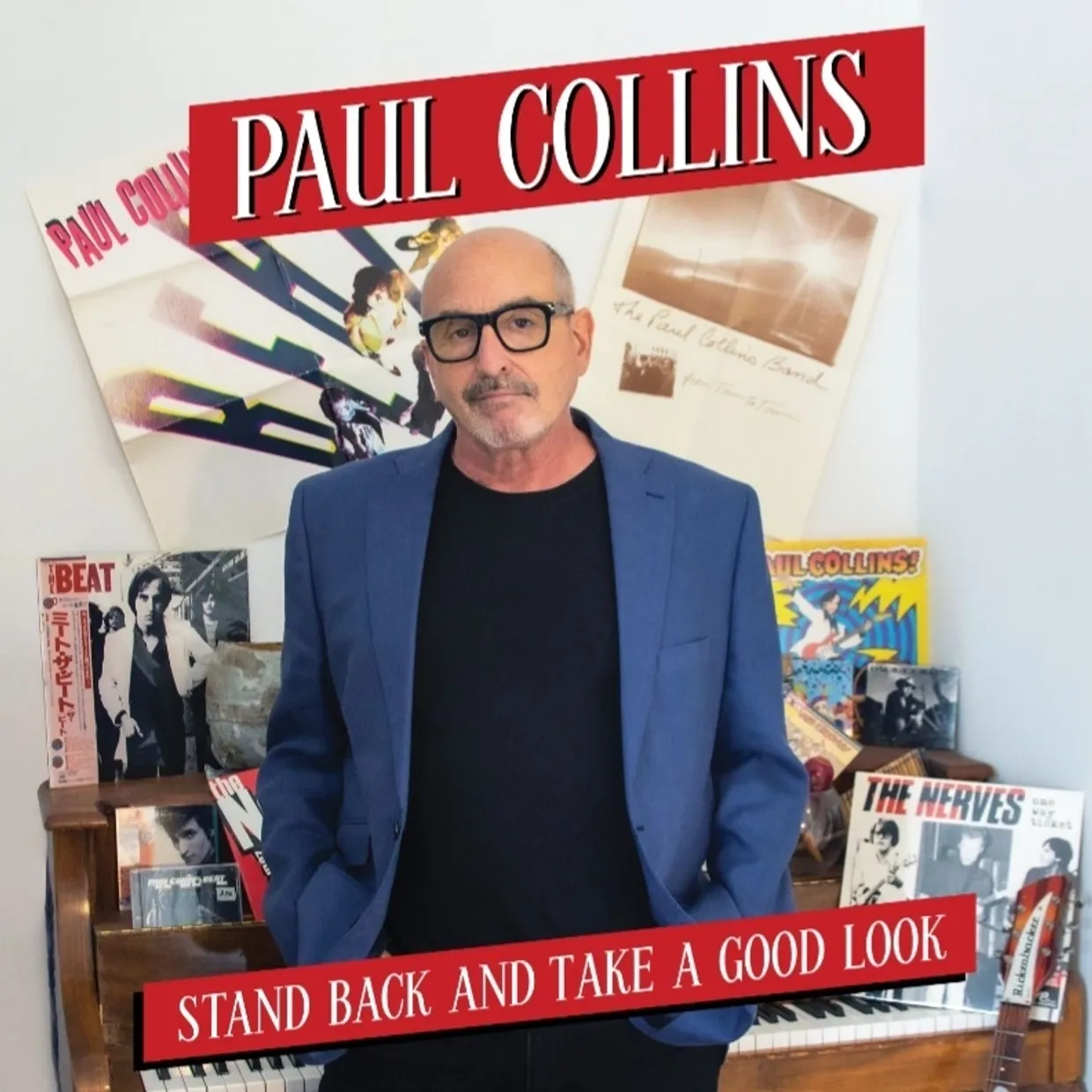
Paul Collins introduces his new album “Stand Back and Take a Good Look”


You can discover ‘I’m The Only One For You’ featured on the Best Power Pop of 2024 Spotify Playlist.


Scheduled for release on February 16th through JEM Records, Paul Collins’ newest album, “Stand Back and Take a Good Look,” wasn’t a solo endeavor. Opting for collaboration, Collins assembled a remarkable lineup that included the late Dwight Twilley, Richard X Heyman, Prairie Prince, Ronnie Barnett, and members of 20/20 and Shoes. The outcome? Twelve delightful, crystal-clear, predominantly upbeat Power Pop anthems. Over at Sweet Sweet Music headquarters, we’ve cleared the space, pushing aside chairs and tables, ready to jump and dance while enjoying the tunes.

Paul, it seemed like you stepped away from the music scene for a bit. Was that the case, or did it just appear that way?

When the pandemic hit, I just stopped, like everybody did. Then, once things had really settled in, I just wasn’t able to find a re-entry point until now. I had spent ten-plus years touring all over, and quite frankly, I was tired and getting older. It seemed like a good time to step back and take a good look!

When you introduced your new album on social media, you highlighted collaborations with prominent Power Pop figures. Were these iconic partnerships part of your initial vision for the album, or did they naturally evolve during the creative process?

It was really a spontaneous thing. I didn’t really have a band, and I wanted to get that band sound, but I didn’t know a lot of musicians here in New York who were experts at this kind of music. So, I said to myself, “Why don’t I call some of my friends around the country to see what they would say?” Without exception, they all immediately said, “Yes!” So, in short order, I had an absolutely stellar lineup of musicians to contribute to the record.

Creating the perfect song—how much of a creative high does that bring?

For me, it’s everything! Writing the perfect pop song is my lifelong pursuit.

What significance does this new album hold for you, and what can listeners anticipate from it?

First off, it’s a rock ‘n’ roll record, so hopefully, people will jump around and enjoy it! Then, I guess it would be nice if some of the songs really resonate with people. I know for me, having songs that you hold close to you is a big part of why we are drawn to music in the first place.

When you perform in the Netherlands, it’s clear your music resonates with more than just my kids. How does it feel to witness your music embraced by successive generations time and again?

This is the power of music; it can transcend everything and connect people from different cultures, backgrounds, and generations. In the end, it’s about making you feel something, and good music becomes the soundtrack to our lives! Keep on Rocking!