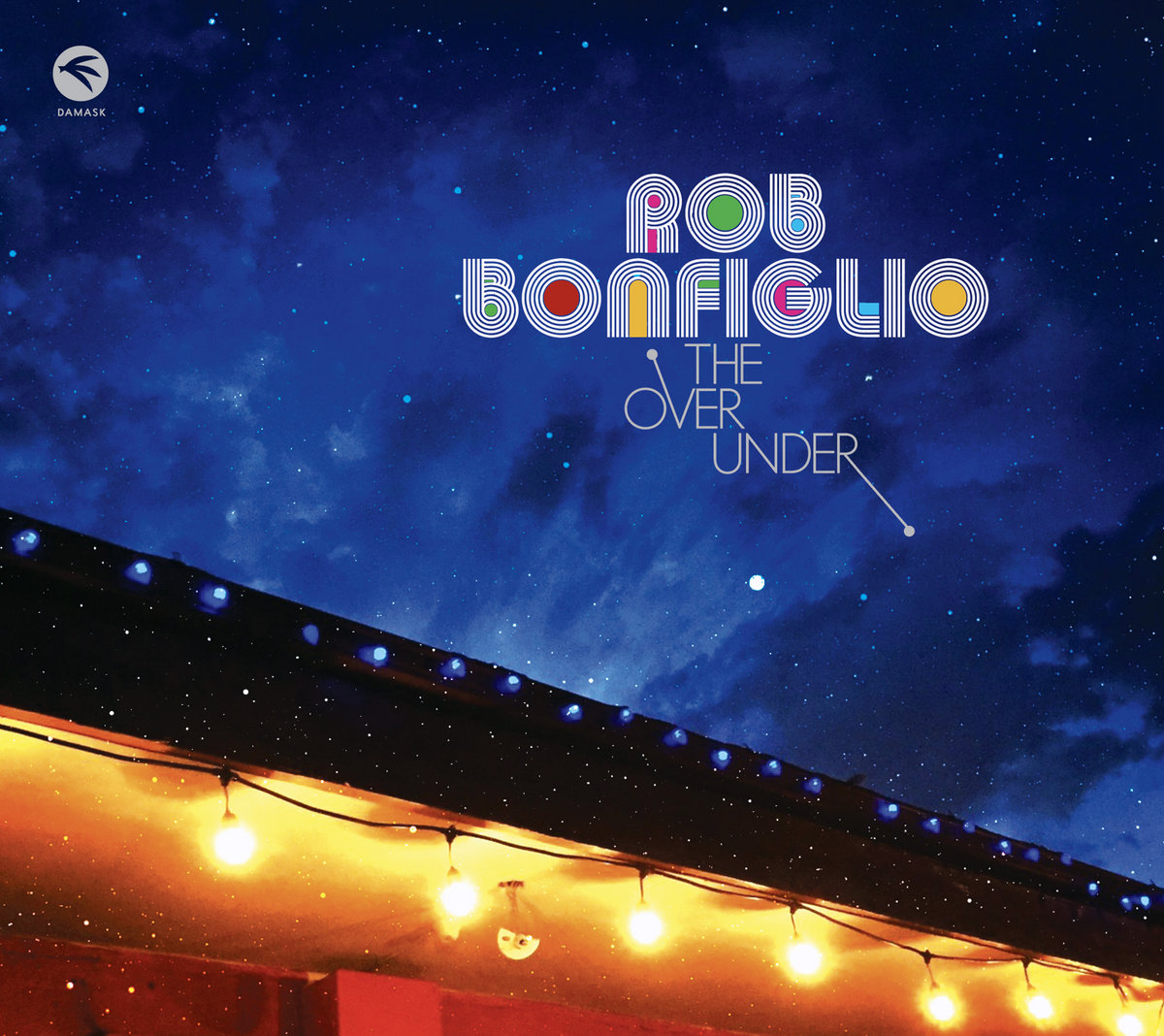
Rob Bonfiglio’s The Over Under has been out for a while now. I liked it immediately, but after listening to it for a few months, it has become one of those go-to records I return to when I need to recalibrate or reset. It’s the kind of album that reveals more of itself with time.
What makes it particularly striking is how personal it feels: Bonfiglio wrote, recorded and mixed the record largely on his own, following the songs that carried the most weight and trusting his instincts along the way. Months after its release, he remains remarkably close to the album and proud of how faithfully it captures what he wanted to say.
We spoke about the vulnerability of “Need You Know,” the sharper edge of “More Pure Than Gold,” the decision to make the record mostly by himself, and why connecting with listeners ultimately matters more than recognition.
How does The Over Under feel to you now that it has been out for a while and you’ve had some distance from making it?
I felt from the beginning that this record reached a lot deeper than my previous releases. I went into the recording process with maybe 20 or so tunes, and it became clear which ones carried the most gravity.
My recording and mixing process happened concurrently. I’d go on a hike or a drive and listen back to a day’s work to determine where to go next. It all added up to literally thousands of listens.
Even after completing the album, I can still listen through from beginning to end and feel a sense of cohesion. I can honestly say there are very few things I’d have done differently with this album. It still rings completely true to me. I’m really proud of the way it turned out.
“Need You Know” feels like the emotional heart of the album to me. It’s a beautiful, very vulnerable song. Do you remember where that song came from, and did you know while writing it that it could become such a special song on the record?
Thank you so much. “Vulnerable” is a great descriptive. My writing cycles happen in waves and usually bear five or six or more songs at a time. This came out of one of those batches. I don’t recall the initial inspiration beyond the riff that repeats throughout, which always had a Fleetwood Mac-ish vibe to me.
I do recall being satisfied with the simplicity of the form. The lyrics happened pretty quickly and seemed to really get to the point of how I was feeling.
“More Pure Than Gold” feels like the musical and lyrical opposite of “Need You Know” — it’s sharp, angry and quite political. What was your state of mind when you wrote that song? Was it something that came more from the heart, or more from the head?
Without expressly saying so, I think the sentiment of this song is pretty obvious. I like to think all good songs come from the heart, with the head to guide them along. Much of the lyrical content of this song came out in a free flow, and much still stands true, unfortunately.
You made The Over Under largely on your own, even though you have friends and family around you who are, to put it mildly, pop royalty and could probably have helped you make the record. What made you want to do this one by yourself?
I’m a textbook introvert. I really considered doing this album with a larger ensemble of players, but one thing led to another and I just ended up doing it all myself. It was easier to get from point A to point B quickly, and things just sort of snowballed from there. All creative decisions started and ended in my head.
That said, I did have a little help from my daughter Lola on “Blame This” and a great pedal steel player named Xandy Chelmis on “Fade Away.”
I’ve read some really nice reactions and reviews of The Over Under, and I’m sure you have too. Recognition must be nice, especially after putting so much of yourself into a record. Or is there something else that matters more to you when you look at how the album has been received?
I’m incredibly grateful for the kind words and genuine reactions to this record. Yes, recognition is important for sure, but maybe less so for the ego nudge and more for the acknowledgement of being able to share something that resonates on a human level.
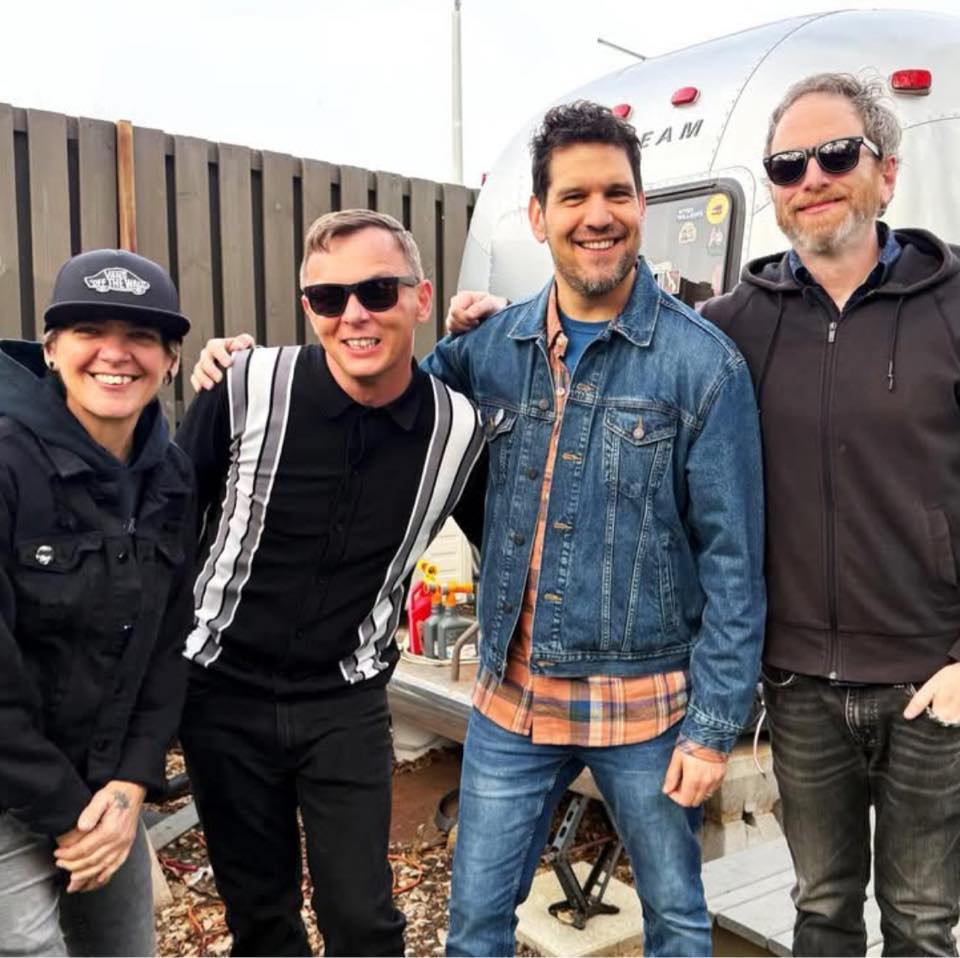
There’s plenty of ’90s alternative rock and power pop running through the music of Ram Vela & the Easy Targets. You can hear echoes of Weezer, Fountains of Wayne and The Replacements, alongside the loud, melodic guitar attack of Sugar and Bob Mould. But on their new EP RX, those influences are only part of the story.
Built around the theme of prescription medication and mental health, RX finds Vela writing from a very personal place. Anxiety, depression, medication and therapy all enter the conversation; subjects that can still feel uncomfortable or even taboo to talk about openly. We spoke with Ram about putting those experiences into songs, keeping the recordings rough around the edges, his love for a great Power Pop chorus, and where the Easy Targets go from here.
RX has a really rough-around-the-edges sound that I really like. How did that become such an important part of the Easy Targets’ sound, and how do you balance that rawness with the catchy side of the songs?
That’s awesome you think the EP sounds a little rough-around-the-edges, because I am self-conscious of our recordings sounding TOO polished. While working with Matt Parmenter at Ice Cream Factory Studios, we took a live-band feel approach to tracking these tunes and overdubbing additional instruments later. Personally, I like incorporating additional guitar feedback in some spots to give songs some extra depth and hearing what sounds best/makes sense for each individual track. A song like “Alprazolamania” comes to mind (especially during the verses). Writing a catchy melody to an uptempo song or lyrics you can shout/sing-a-along to has always been important to me. Taking that songwriting philosophy(?) and combining it with what Dan, Nathan and Rachel (aka the band) bring and “Baby, you’ve got a stew going!” (RIP Carl Weathers)
RX tells a concept story about using prescription medication to treat mental health. Is there a personal story behind the EP, and if so, what made you feel that this was a story you needed to tell through music?
Yes, this EP is loosely based on my own personal experiences taking prescription drugs to treat my anxiety and depression. In 2022, I started Zoloft and it has really helped me navigate the stresses of day-to-day life ever since. While I’m grateful to have access to these types of medications, I know there are so many out there that don’t have that same privilege. I didn’t take all of the medications listed in the song titles, but know several friends who have, and thought it was important to tell these stories in a creative way to continue normalizing mental health.
“Buspirone” is one of my favorites on the EP. The staccato guitar and punk energy give it this incredibly catchy Power Pop feel. Did you realize while writing or recording it that you had something special with that song?
First off, thank you so much. Secondly, this was an extremely difficult song to write because 1.) it’s very personal to me and 2.) delicate subject matter. I remember it starting with that guitar riff and just building from there. During the recording of this song, I was worried that the more sections we added, the more it would potentially drag. I am thankful we didn’t cut anything, because it flows so well! The outro is the sentimental cherry on top leading to the automated phone message.
How did Ram Vela & the Easy Targets come about, and did you know from the beginning what kind of band you wanted it to be and what you wanted the music to sound like?
Yes, we definitely had an idea of what we wanted to sound like. I’ve been playing in bands in Austin for 20+ years and with Dan and Nathan for 10 now, but it took a while to realize what style of songs I was comfortable writing and performing. I love bands like Cheap Trick, Marshall Crenshaw and The Replacements but wanted to add some 90’s alt-rock madness to the mix (Weezer’s “Blue Album,” Fountains of Wayne, Harvey Danger’s “Flagpole Sitta”). I think our band is a solid representation of those styles of rock/power-pop. Also, I just love choruses you can sing-along to, dammit!
Now that RX is out, what does the future look like for Ram Vela & the Easy Targets? Are you already thinking about where you want to take the sound and the story next?
Writing new music! It’s funny that I shared a voice memo of a new song on Instagram stories today and somebody already messaged asking if this next album is gonna be about therapy. As someone who sees a therapist regularly, I’m definitely not opposed to it! As for the future of the band, I would like to continue making music and collaborating more as a group. It helps that we’re close friends, so rehearsing/creating new material comes naturally and isn’t a stressful process. But yea, the future is still terrifying. In the words of Garth Algar, “Live in the Now!”
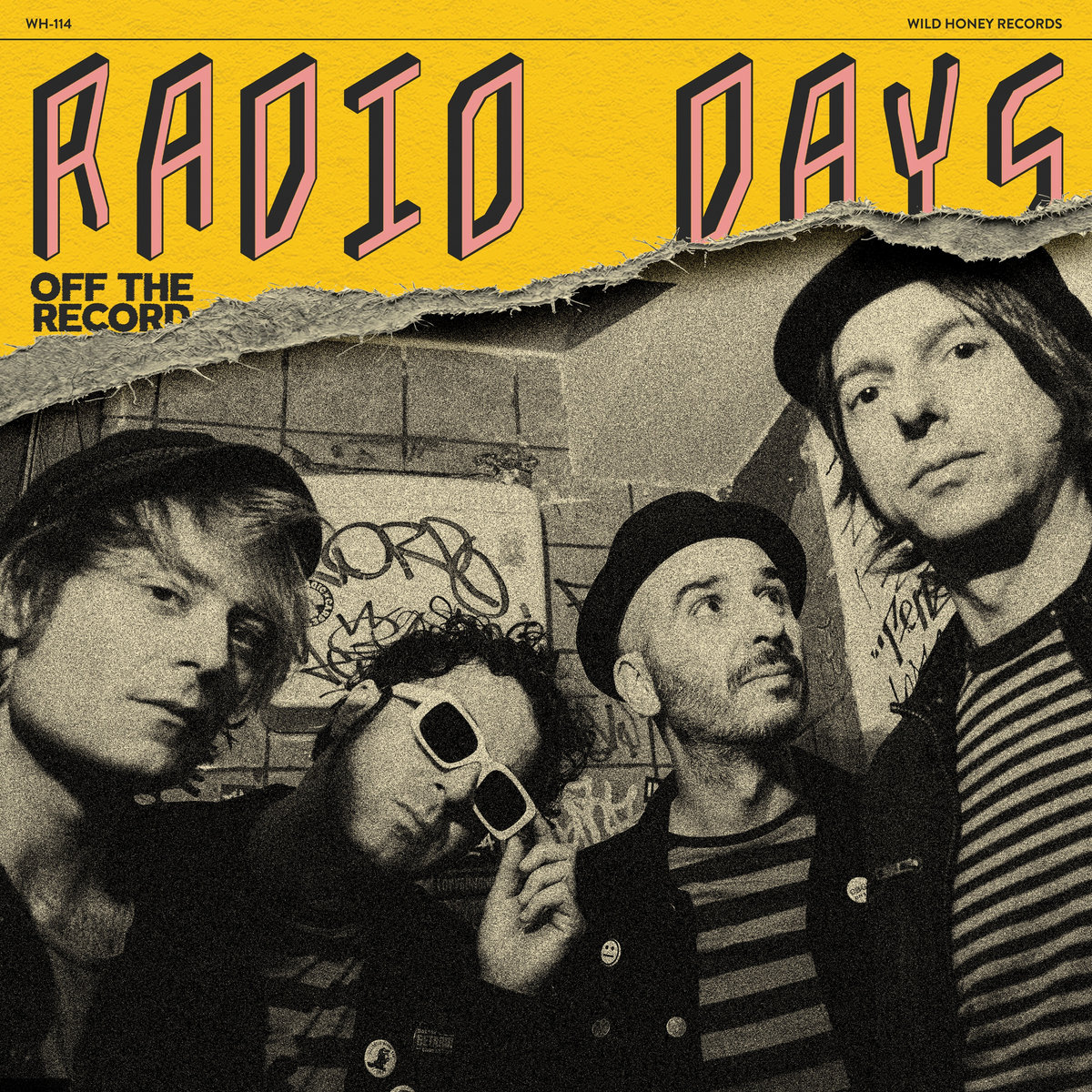
For more than two decades, Milan’s Radio Days have remained devoted to the timeless pleasures of Power Pop: sharp melodies, ringing guitars, big harmonies and choruses that refuse to leave your head. With their fifth album, Off The Record, arriving on September 4, the band sound as energized as ever, connecting their love of ’60s melody and late-’70s Power Pop with the renewed enthusiasm surrounding the genre today.
We caught up with Radio Days singer, guitarist and songwriter Dario Persi to talk about the making of Off The Record, how he knows when a song is really working, the band’s upcoming touring plans and why, after more than twenty years, the search for the perfect Power Pop song continues.
You’ve been making Power Pop for more than two decades now, and the sound you love is rooted very much in the late ’70s and early ’80s. What is it about that particular sound that has kept you inspired for so many years? Has your idea of what makes great Power Pop changed over time?
It’s true, time flies when you’re having fun! Haha!
Joking aside, we’ve always loved this music, and even though there have been some stylistic differences from record to record, we’ve kept playing it because it’s the music we love and the music we would want to listen to ourselves.
I think that, fundamentally, Power Pop is all about the songs. Without great songs, you can’t really go anywhere. So, for us, it’s about having a great, catchy but intelligent melody, some beautiful ’60s-style harmonies, and the energy and attitude of the late ’70s. That combination still feels perfect to us today.
How did Off The Record actually begin? At what point do you realize that you have enough new material to start thinking, “Okay, this is going to be a new Radio Days album”?
It was actually quite a planned and structured process. In mid-2023, we finished the tour for Rave On!, our previous album, and decided to take a break from touring to focus on writing a new record.
It took us about a year and a half, between writing the songs — which I mainly do at home with an acoustic guitar — and arranging them, which we do all together in our rehearsal room.
We wrote around 20 new songs and recorded pre-production demos of all of them. Then we selected 15 to officially record in the studio.
From those 15, we eventually chose the 10 that would make it onto Off The Record. The other five will be B-sides for some of the singles or will be released in the future!
Off The Record is coming out soon. When is the release date, and what are your plans for the rest of the year? Are there concerts, touring or other Radio Days activities we can look forward to?
Yes, we’re almost there! Our final single, “Another Lonely Night,” will be released on August 21st, and then Off The Record will be out on September 4th.
We already have a few shows booked in Italy, and at the end of October and beginning of November we’ll be doing a 10-date tour in Spain. We’ll be announcing those dates in the next few days.
After that, we’re working on a tour of Japan for April/May 2027 — exactly ten years after our first time in the Land of the Rising Sun!
“Flying High” sounds like the ultimate Power Pop song to me — immediate, melodic and incredibly catchy. When you write a song, how do you know when you’ve got something really special? Is there a moment when you realize, “This one is better than the rest”?
Thanks, I’m really glad you like it! It was actually the first song out of the 20 or so that we wrote for Off The Record.
Usually, I can tell pretty quickly if something is working when I come up with a good chorus or a good verse. I record it right away and send it to the others, and if they don’t shoot it down and everyone likes it, then I know we’ve got something!
It’s a strange process. Sometimes I can’t come up with anything for months, and other times I manage to write two or three good songs in a single week. It really depends on my mental state, my mood, my motivation… It’s not easy to figure out!
There seems to be a renewed interest in catchy, melodic guitar Pop at the moment, with bands like The Lemon Twigs, Mod Lang and others attracting a lot of attention. Do you feel that this new enthusiasm for Power Pop and ’70s-inspired Pop has reached Italy as well? And do you feel part of a new wave, or do you see Radio Days as continuing something you’ve been doing all along?
It’s great to see these younger bands getting into the genre. The Lemon Twigs have changed quite a bit compared to their early days and have become more Power Pop and ’60s-influenced, and I absolutely loved that change. Mod Lang have also made a fantastic record.
There has never really been a big scene for this kind of music in Italy, but I’ve definitely noticed more people becoming interested in it over the last few years.
I’d say we’re probably too old to be part of this new wave, haha! But we’re also really happy to see a bit more interest in a genre that we’ve been carrying on for so many years. I think it’s good for everyone.
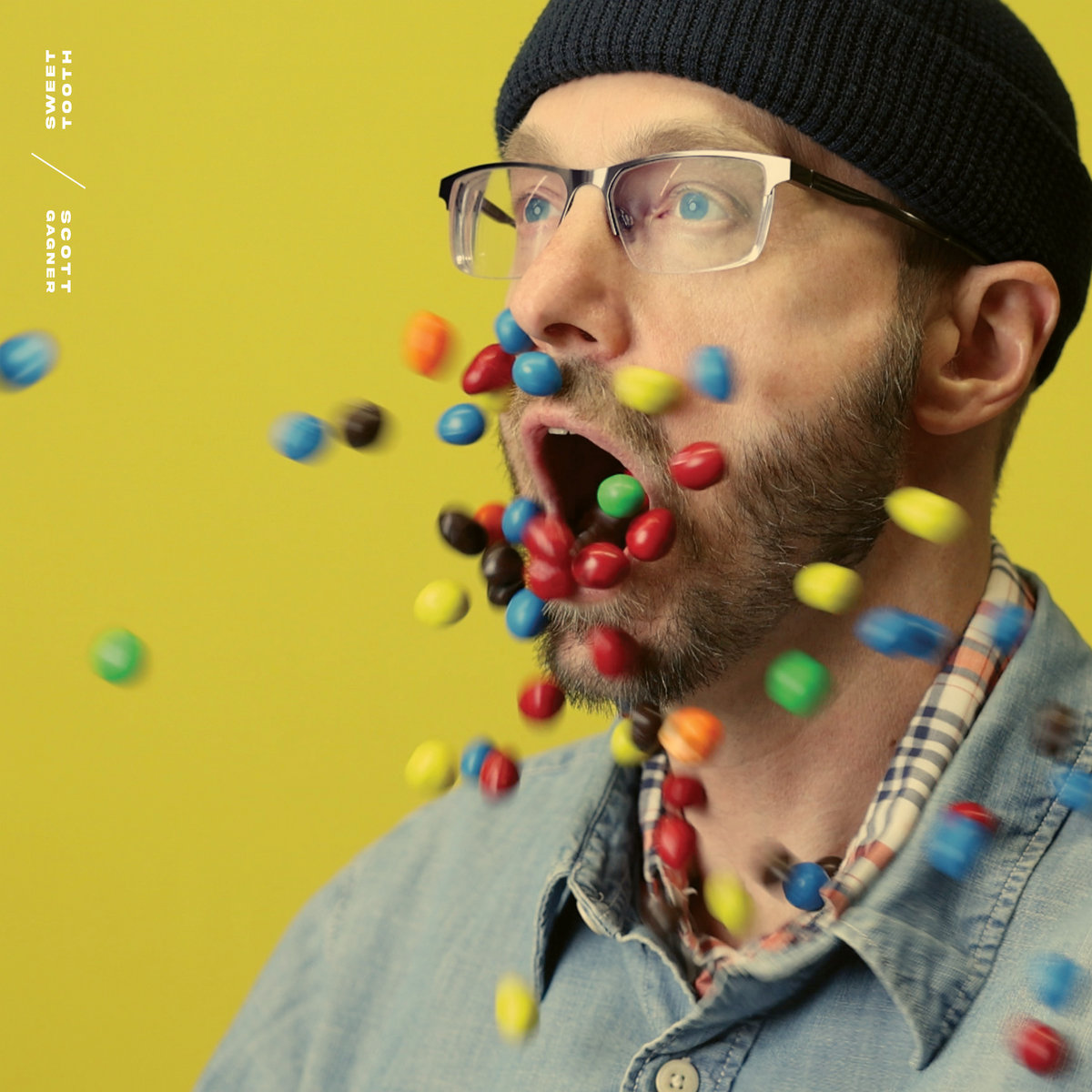
With Sweet Tooth, Minneapolis songwriter Scott Gagner has delivered one of this summer’s most infectious pop albums. Across ten concise songs, he combines sunshine pop, power pop and psychedelia into a collection overflowing with irresistible melodies, rich harmonies and colorful arrangements. But beneath its candy-coated surface lies a clear message: choosing joy can be a powerful response to an increasingly troubled world.
We caught up with Scott to talk about the philosophy behind Sweet Tooth, the artists who inspired the album, how it came together in the studio, and whether, after releasing so many records, making a new album can still surprise him.
On Sweet Tooth, pleasure almost feels like an act of resistance. Do you think making joyful pop music in times like these can be an act of defiance?
Indeed. Any act of creation is an act of good. If that creation can spread a little joy, positivity, and hope — when all evidence points to the contrary — then you are doing a tiny part to redress the balance. People have been bombarded by more than enough misery these days — we certainly got our share in Minnesota this past January. It somehow felt like the most radical and generous thing I could do was make Sweet Tooth an uplifting, earworm-rich pop record.
You’ve said it would have been easy to make an album full of sad ballads. Why did you consciously choose not to? Was there a specific moment or event that inspired you to make a record filled with color, energy and hope?
Truth be told, I love writing sad ballads. Maybe it’s the Ron Sexsmith fan in me. But I wrote so many that they started piling up in one corner of the studio. After a few months, they started to smell funny. Meanwhile, in the opposite corner, a pile of bright, shiny, candy-coated pop songs started piling up. They smelled sweet and delicious. Then I wrote “Sugar Rush.” That song seemed to embody everything that the “pop pile” was going for. In fact, it declared itself so strongly, that I decided to change the title of the album from “Technicolor Eyes” (a phrase from leadoff track “Beyond the Blue”) to “Sweet Tooth.”
Listening to Sweet Tooth, I hear touches of sunshine pop, power pop and psychedelia. Were there specific artists or records that inspired you while writing and recording the album, or did those influences emerge naturally?
My daughter is a fellow Beatles freak like me, so that’s what we listen to in the car on the way to her swim practices. After witnessing an absolutely incendiary show in Minneapolis, I’ve been on an extended Guided by Voices kick. It certainly helps that they keep putting out incredible records every year. Other recent favorites include Mike Viola, Super Furry Animals (plus solo Gruff Rhys), Father John Misty, and Aimee Mann. For the more synth-based songs (“Purple Heart” and “Where Do We Go From Here”), I was influenced by some Norwegian Disco that my brother turned me on to (Todd Terje, Lindstrom), pre-1982 Devo, and Tubeway Army. I love the juxtaposition of live human drums with robotic synth arpeggios.
Can you walk me through the making of Sweet Tooth? How did you choose the musicians, the studio and the producer, and how much of the album’s sound was already mapped out before you started recording?
All the songs began in my home studio, often originating with a title phrase, and then brought to life while strumming my favorite nylon-string guitar. By the end of the initial writing day, I’ll have a pretty fleshed-out demo, including drums, bass, guitars, piano, synths, and vocals. That exact demo remains the basic foundation for what you hear on the final album, and I simply replace any instruments that need improving along the way. That way I can retain plenty of the initial inspiration and excitement of the demo. In the case of this album, I wanted to use my incredible rhythm section of Tim Zhorne (drums) and Sam Graber (bass) playing together. I also wanted to try a studio in Minneapolis called The Library. The owner/engineer, Matt Patrick, has created an incredible space — all the walls are lined with books for acoustic dampening. We replaced all the drum and bass tracks in one marathon day. I then took an additional studio day to replace some guitars that needed improving. Then I continued to polish at my home studio, overdubbing any final touches, and adding additional players, including Aaron McCabe on trumpet and Rachel Hunter on backing vocals.
You’ve released quite a few records over the years. Does putting out a new album still bring surprises, either in the reviews or in the reactions from listeners? Were there any responses to Sweet Tooth that really stayed with you?
I’ve been pleased with the reactions thus far. The word “irresistable” has popped up in a few reviews, which is what I was going for. After all the bad news that has swirled around us in recent years, it seems like people were ready for something upbeat, positive, and hopeful.
Jacob Godbey contacted me, saying, “My name is Jacob, and I’m in a power pop band called Lo Fi Ho Hum.” This succinct introduction mirrors the compactness of their debut album, aptly titled ‘Garage Pop.’ The album features just 7 songs and lasts only 19 minutes. It’s not just short—it’s concise, direct, and wonderfully good.
You can find ‘Never Been In Love’ showcased on the Best Power Pop of 2024 Spotify Playlist.
Could you share the journey of bringing this record to life? How did all the pieces come together to create the final product?
Garage Pop came to life under some very negative circumstances, which is unfortunate because I’m constantly trying to buck the “artists have to be tortured to make good songs” trend. Despite my best efforts, these songs wrote themselves through the isolation of living alone and working from home during a pandemic. I also went through a plethora of relationships, some good and some bad. Many of these are chronicled on the lead single, “Never Been In Love,” as well as the final track, “Maybe.”
Basically, I moved across the U.S. to begin a relationship but chose not to stay there and ended up living at my parents’ house. As luck would have it, my father was just putting the finishing touches on a new garage, so I got to record an album in it before it got filled with vehicles.
Was there a particular moment or experience that struck you, signaling that you were onto something special with this project?
A bandmate from a prior project expressed how much he loved some of these songs in their demo form, so when I found myself essentially at “rock bottom” and living in my childhood hometown, I knew pretty quickly what needed to be done for my mental health. My grandpa kicked in some recording equipment, one of my father’s friends let me borrow a guitar amp, and the rest was recorded through pure gumption.
Success can take on different meanings as time goes on. When envisioning success for this new record, what does that picture look like now?
My definition of success has definitely morphed over my life. I used to perform sketch and improv comedy and had my sights set on SNL or movies someday. I also grew up fantasizing about becoming as omnipresent as bands like Good Charlotte and Blink-182. Success to me now is creating sustainability. I’d love to foster a community of creatives who push each other to greatness and can pay their mortgage with those results, if not their car payment as well.
Failing financial success, it would really mean a lot to me to look out into a crowd and see people singing my words back to me. I’ve never had that yet, and I just know I’m going to cry if it ever happens!
Lyrics often carry profound meaning. Are there particular lines you hope listeners will always remember from your songs? If so, what’s the significance?
In the song “Boundaries,” there’s a line at the end that reads:
Now when I see a friend crumbling/ I scream, “You deserve better than that!”
That’s an important one to me because that song is about being emotionally abused in a relationship. I had SO many friends warn me while I was in it, but I really didn’t listen to any of them. So it’s a shout-out to them but also to everyone. Grab your friends by the shoulders and scream “You deserve better than that!”
If there’s a passage I could choose that encapsulates the album’s entire vibe, it would be the following from “Never Been In Love:”
There was one/ wanted me to tie her to my bed/ but I’m such a pacifist/ that I’ve never been in love
Yes, it’s a true story, yes, it is intended to be funny, and yes, it is tongue-in-cheek. If you can’t relate to that, then Lo Fi Ho Hum might not be for you!
While you can’t dictate how people interpret your music, are there specific elements you wish to highlight that set your songs apart?
If I could befriend every single one of our fans, I would. This music is a call to end loneliness and I think it works best if you know something about me, the person writing the songs and singing. That’s what sets our songs apart. They are entirely honest lyrically and musically. I love pop music, but I also love punk and new wave, and I think that shines through.
Where do you see yourself situated within the broader landscape of the music industry? How do you perceive your unique role and contribution?
I wouldn’t say I’ve ever participated in the music industry, but I hope this release changes that. I’ve always been a consumer, but these songs are already gaining me some entirely unexpected recognition amongst peers, so I’d like to continue that!
I really am obsessed with the creative process and I’d love to help other musicians and creatives find their best work. I’ve been lucky to have friends pull greatness out of me, and I’d love to pay it forward!
With this fresh collection of songs, how do you envision connecting with both your existing fanbase and new listeners? Are there specific emotions or messages you hope they’ll resonate with?
I really hope anyone who listens resonates with the themes of reluctant adulthood, male loneliness, but also not settling. In a world where we have so little control over the situations around us, it is important to take care of yourself and those you care for. Hopefully, that is communicated in the lyrics here! And if you come to a Lo Fi Ho Hum show, you will be taken care of. All are welcome and we like to foster a sense of safety not just for the fans, but also for ourselves.
Cyndi Dawson and Henry Seiz, fronting The Cynz, collaborate with Jem Records to unveil their latest album, “Little Miss Lost,” produced by Kurt Reil, hitting shelves on March 29th. This release emerges as a potent and deeply personal narrative, chronicling Dawson’s journey to maturity through her poignant lyrics and Seiz’s infectious melodies.
In an interview with Sweet Sweet Music blog, Cyndi Dawson delves into the genesis of “Little Miss Lost.”
You can discover ‘Crow-Haired Boys’ featured on the Best Power Pop of 2024 Spotify Playlist.
Could you share the journey of bringing this record to life? How did all the pieces come together to create the final product?
Like all our albums, it was a journey of exploring where Henry and I were at in time as individuals and as writing partners. We don’t have a game plan- we allow things to come together organically. As a long-time friend, he is aware of where I want to go and explore, and as a musician, I also follow his own exploration and weave my words accordingly.
Was there a particular moment or experience that struck you, signaling that you were onto something special with this project?
For myself, once I wrote ‘When We Were in Love,’ I knew we were going to have something special with where our new record would go. The music evolved from an acoustic demo into a song that had a more rocking longing that fit our style.
The decision to seek opinions on your new songs is intriguing. When did you realize that external perspectives could contribute to your creative process?
They don’t. I don’t create music for others. I write because I feel a sense of urgency to do so. Henry and I write songs we would like to listen to. Of course, we want others to like them too, but it isn’t our motivation. Art is a compulsion. We create art because we have to. Success can take on different meanings as time goes on.
When envisioning success for this new record, what does that picture look like now?
We are successful now. Because we created work we respect ourselves. That’s fulfilling. In terms of financial success? If you expect that in music, you will be immensely disappointed. I see a value artists should get financially but until we respect ourselves and demand that from clubs and music sources we aren’t going to get that.
Within this collection, do you feel that the best song you’ve ever written finds its home? If not, what distinguishes this record’s essence from your prior work?
The best song we have ever written will never be written. If we have written it already, what motivation would we have to continue on?!
That elusive best song is always one song away.
As an artist, the act of baring your emotions to the world is profound. Does this vulnerability come naturally to you, or is it a constant journey of finding comfort?
I think that when you have experienced severe trauma in childhood, you either deconstruct as an adult or you find an outlet that helps heal you. I chose the arts in many forms- as a poet, a dancer, a model for artists and photographers, and as a front woman. It was no longer okay to stay silent. And I’ve learned that I don’t have to always focus on my own story. I can create characters that are me but can combine elements of others I’ve observed.
Imagine you could collaborate with three co-writers of your choice for new songs. Who would you select, and what qualities or dynamics draw you to them?
I honestly only want to write with Henry. Of course, I am asked to write with others time to time, but I always go back to thinking, if I’m going to write a great song then I want it for The Cynz.
Among the gigs you’ve performed, which one holds an indelible place in your memory and why does it stand out?
90% stand out. N/A lol
Lyrics often carry profound meaning. Are there particular lines you hope listeners will always remember from your songs? If so, what’s the significance?
I write parts of my life and parts of others. Sometimes I just write a sassy song. People will take what they need from my words. This is also why I don’t include lyrics. How many times have you thought a line in a song was one thing only to find out it was something very different? I think that can change the song’s significance to you and what you needed and got from it.
Can you recall the last instance when you felt the immediate certainty of having penned a hit song?
‘Crow Haired Boys.’
If I am singing it in the shower, then I know others will!
With the resurgence of cassettes, imagine curating your inaugural mixtape. Which five songs would be must-adds and why?
1- Patti Smith Gloria
2-MC5-Kick Out the Jams
3-The Struts-Pretty Viscous
4-(The Greg Provost version) Chesterfield Kings- Up And Down
5-Rolling Stones- Stray Cat Blues
Performing music before an audience holds a unique allure. What aspects of this experience contribute to the excitement and enjoyment for you?
The energy exchange between the audience and us. When they are bouncing and singing along it’s magic.
If tasked with introducing your music through three songs, which ones would you choose and what story do they collectively convey to new listeners?
We have five albums out now. I would find that very difficult to do- pick just three songs. Every album was a particular time and vibe our collective minds were in.
In a hypothetical scenario where you could tour with two other bands, who would be your ideal companions and what synergies do you envision?
Toughest question ever. There are so many! Currently, we vibe completely with Slamdinista. I think a tour with them and Palmyra Delran and/or Cocktail Slippets would have the right energy balance. But see? I could name ten others.
Among the compliments you’ve received, is there one that remains etched in your memory? If so, what made it particularly unforgettable?
Women especially come up to me and tell me they feel I’ve spoken to them with my words. They say they wish they had my strength but my strength is on stage. Not everyone gets that space or platform.
Studio moments often hold a touch of magic. Could you recount an instance that stands out as the most enchanting during your creative process?
Hah- the next secret project that Jem is putting out- I was completely into the moment recording it. But I cannot say at this time what the track is. With my own songs, I would say one that stands out is Little Miss Lost.
Where do you see yourself situated within the broader landscape of the music industry? How do you perceive your unique role and contribution?
I’m not sure what music industry there is currently- particularly for an original rock and roll band. Europe is way ahead of us in that regard. But like anyone pursuing a career doing what they love, I just want the songs to get out. I want these babies to leave the proverbial nest and start making friends with others.
With the record completed and the music released, do you believe the pinnacle of enjoyment has been reached, or is this just the beginning of an exciting phase?
I’ll be honest, speaking for myself. I am very uncomfortable in the ‘after’ phase. The recording process is full-on commitment to the idea that you are exposing your guts and soul. I know I do. If the record should flop it’s not that I’m worried about approval- it’s that I failed at communicating well. What if no one gets it? I’m giving you all my heart. Do you want that? I’m giving everything I have. Do I deserve to be in this position? My insecurities can often cripple me that way. But there’s a strong part of me that realizes I did the best record I could … WE could. Put it out there and let it live its own life.
Looking ahead to the next couple of months, what exciting plans or projects are on the horizon for you?
We are traveling a lot this year so the next couple of months are shows and travel. Shorter road trips are very much my favorite way of touring. I really love my home life and garden and don’t like being away too long.
How would you describe the evolution of your sound in this new album compared to your previous works? Were there intentional shifts in style or themes?
We don’t have intentional shifts in style, but I did want to continue the exploration of my past from age 17-present. I used my own experience (with artistic license) to come to terms with who I am today as opposed to Little Miss Lost from the past. But that also meant revisiting love and heartbreak not only I experienced but what I caused others as well.
Albums often involve collaboration with various musicians and producers. Could you shed light on how these collaborations contributed to shaping the album’s identity?
This album had a few producers and outside contributors, but ultimately the majority of the work was done at House of Vibes with Kurt Reil from The Gripweeds. I very much have a say in how songs end up, as does Henry, but for this album, I was open to let go of some of my control I have in the past.
In the digital age, visual elements are intertwined with music. How did you approach the album’s visual aesthetics, such as album art and accompanying visuals? How do they complement the sonic experience you’ve crafted?
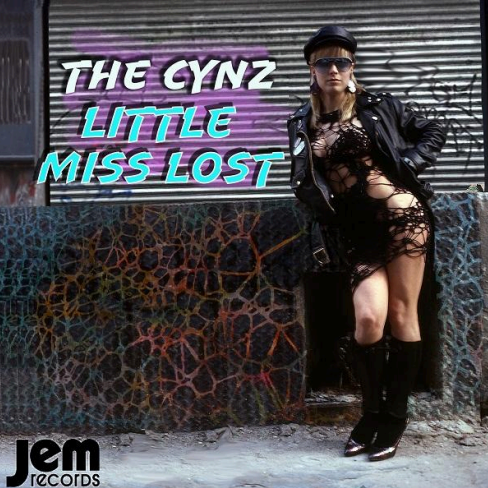
The cover art was created by the artist Rene Moncada and his wife Joann. It is a photograph of myself at 17 modeling a string dress sculpture on Wooster St. in Soho, in front of his loft and gallery. They create most of our covers and my poetry book covers. I was his model at 17, and I always have him involved in creative and artistic parts of our finished products.
The back cover is a current photograph of me by the terrific photographer Sherry Rubel.
It’s past to present. The inside are photographs by Sherry and Johan Vipper.
All of it represents the sonic experience of the album and its themes.
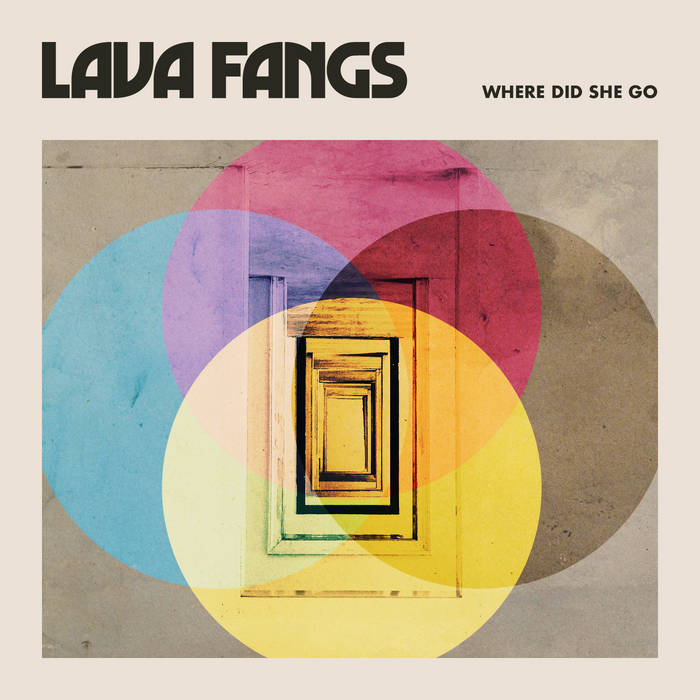
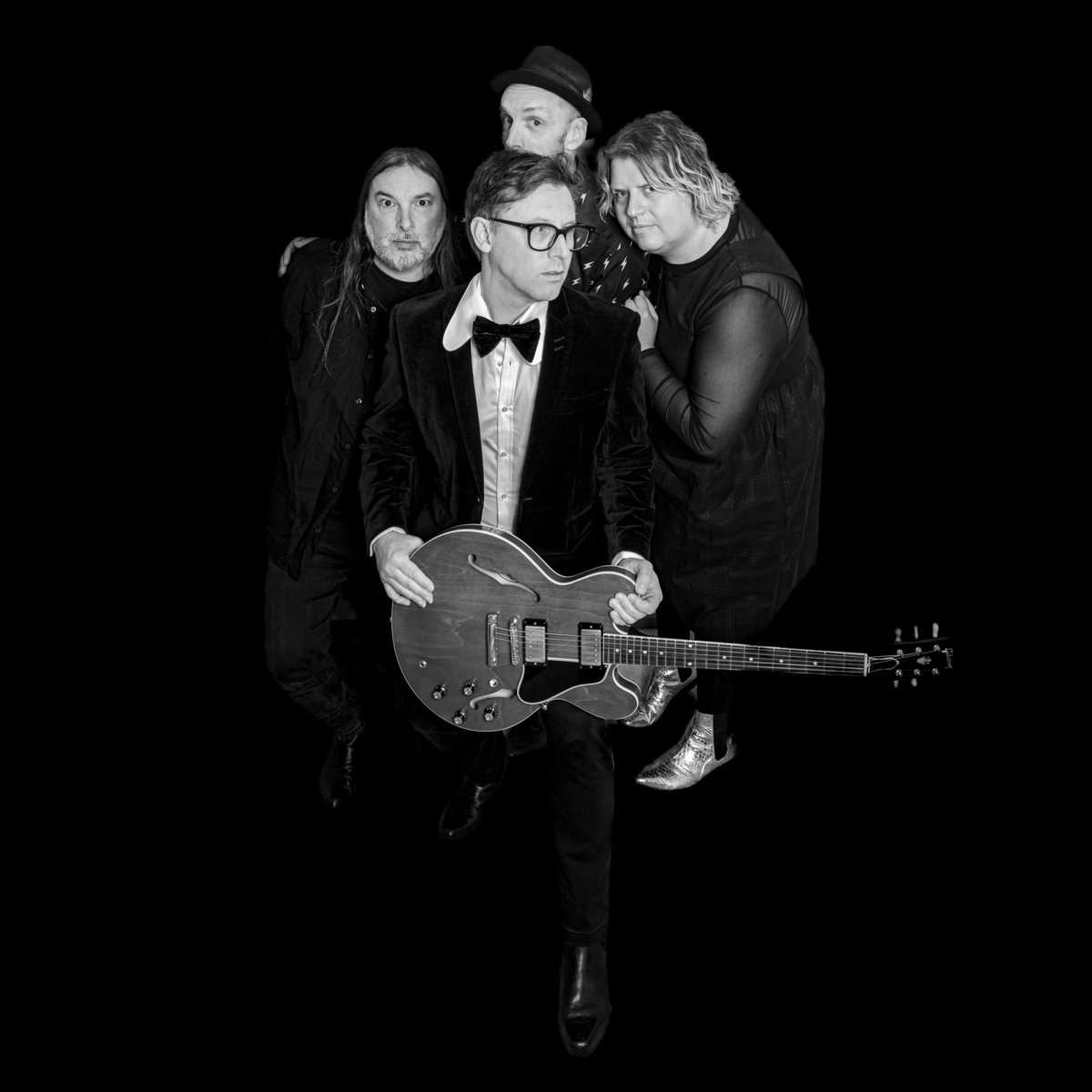
Lava Fangs’ forthcoming album, “Sub Auroram,” is introduced by the irresistibly catchy single “Where Did She Go.” Jamie Coghill and Andrew Horne delve into their experiences crafting what they describe as the challenging process of creating their sophomore record.
You can discover ‘Where Did She Go’ featured on the Best Power Pop of 2024 Spotify Playlist.
Could you share the journey of bringing this record to life? How did all the pieces come together to create the final product?
Jamie – “Where Did She Go” is the lead single from our “difficult second album” … It’s an expression I’ve heard many times since becoming a fan of music as a kid. For the most part I pooh-poohed such a silly expression; How can a second album be difficult? As a fan of music I can think of many bands whose second album is an all time favourite. As a musician, being allowed the opportunity to make ANY album is a privilege and should be immune to such trivialities as being difficult!
As a middle aged musician at the dusty end of several careers in bands who *almost* got somewhere, I can now look on that expression with the road-worn experience of having been involved in a few “difficult second albums” myself. It’s remarkable and lucky really for any band to be around long enough to make it to the second album. The first album is full of excitement and the momentum of being a fresh new band and having a backlog of songs you’re eager to get out into the world and establish your sound with. The follow up album feels the pressure of having to live up to that effortless enthusiasm and momentum the first album had. The first album comes together instinctively, almost as if by accident. The second album has to be planned and meticulously thought out – yet it’s still supposed to somehow sound “fresh”.
The Lava Fangs “difficult second album”, Sub Auroram didn’t start out difficult. In fact we had almost all of the songs written and demoed within a year of releasing our debut. But then the world hit a speed bump that no bands have had to endure in the past – a bloody global pandemic! By the time we were finally able to get together and begin recording it had been a difficult couple of years and we’d all had COVID. I was still getting over it when we went into the studio with Paul Maybury (Rocket Science/The Pink Tiles) to track guitars, bass and drums to 24 track tape. We then spent the next year overdubbing and mixing it ourselves whenever our schedules allowed.
Listening to “Where Did She Go” now, I’m thankful that none of that “difficulty” comes through. It’s just as fresh and exciting as if it were from our debut record. Having four contributing songwriters gives Lava Fangs a fairly unique and diverse sound that only a handful of other bands share (readers of this blog are no doubt aware of Canada’s Sloan … can you think of any others?). For the most part Lava Fangs write songs individually then bring them to the band to add our combined flavour with arrangements, lyric and backing vocal suggestions, but “Where Did She Go” is one of our rare collaborations. Drew (guitar/vocals) brought us a song that we all loved but something was missing so I wrote some lyrics, a vocal melody and a pre chorus to tie all Drew’s bits up into a finished sounding song. I’m very proud of it as a group effort.
Was there a particular moment or experience that struck you, signaling that you were onto something special with this project?
Andrew – when I start to write a song, my process is stumbling across a few chords or melodies that I think sound cool. For “Where Did She Go” the initial verse chord progression sounded great to my ears. Then I tinkered with it till it was ready to present to the band.
From there, the band decides if the song has merit to continue. Jamie added a pre chorus and vocal melody so I guess it had legs!
Sometimes when you are deep in the process with a song it’s difficult to see outside of what you are doing. You have to shut out your inner critic and appreciate what you have created. For me, I find that once the band has given the song a thumbs up I can sit back and be proud of what we have done. The separation of time certainly helps too.
The decision to seek opinions on your new songs is intriguing. When did you realize that external perspectives could contribute to your creative process?
Jamie – Sweet sweet validation!! We all crave it don’t we? Especially on an artistic level. Is it really art if nobody appreciates it? Actually yes, but validation is also nice. As far as other people’s opinions contributing to my own creative process, I think it’s an intangible influence. I don’t write a song thinking about what people might say or think about it, I prefer the creative spark to come naturally and take shape instinctively and then decide whether or not I think it’s worth sharing with the world. Other people’s opinions only serve to encourage me and give me the confidence to keep making music – which is important and helpful, but not essential.
Andrew – I concur with Jamie on this one, validation spurns us (me) to continue on with creative pursuits. With any creative venture self-doubt rears its head constantly. Any positive words from respected peers/friends goes a long way. This affirms that what you are doing is worth pursuing and to trust in your instincts.
Success can take on different meanings as time goes on. When envisioning success for this new record, what does that picture look like now?
Jamie – This is so very true and a great observation! My measure of success when I was in my twenties is very different from how I feel today. For me, this album is already a big success even before it’s released! The fact that Wally and Jo from Cheersquad Records and Tapes were willing and enthusiastic to work with us to release it on their label is a success Lava Fangs haven’t achieved before. Having the opportunity to release 2 digital singles leading up to our second full length album on vinyl is a huge achievement for us. If people like it once it comes out in May (and maybe buy a few copies of the LP), it will just be icing on the cake. A big delicious success cake!
Andrew – At this stage in my/our musical journey, respect from my peers is how I’d like measure success. Having Cheersquad Records and Tapes deeming Lava Fangs worthy of release feels pretty successful to me.
Within this collection, do you feel that the best song you’ve ever written finds its home? If not, what distinguishes this record’s essence from your prior work?
Jamie – Our coming Album, Sub Auroram, feels like a more mature and thoughtful collection of songs to me. It’s definitely our best album as a whole. Personally it’s going to be hard to top “Line Up For A Broken Heart” and “I’m No Good For You” from our debut LP. Those songs came to me unexpectedly from out of nowhere and I’m very proud of them and may never write anything better than those two. Sub Auroram and its songs may not feel like it has the one-two punch of our exciting and energetic debut LP but it definitely has way more musical depth and is arguably a much stronger collection of songs. [See my solo project The Jimmy C and the movie soundtrack for Brides Of Satan for the best song I think I’ve ever written: “Learning To Live To Death”!]
Speaking for the rest of the band though, I’d say probably YES! Wesley’s “Lost For Words” is an excellent song for our newest/youngest songwriter (they haven’t been writing songs as long as the rest of us) and I expect even better songs are in their future. Drew’s “Photograph” is a stunningly mature song and I wish I’d written it. Stu’s songs on this album are also very very strong but my favourite of his songs is “Spitting Nails” from Sons Of Lee Marvin’s Minimum Underdrag LP from a few years ago. Look it up, you won’t be disappointed.
As an artist, the act of baring your emotions to the world is profound. Does this vulnerability come naturally to you, or is it a constant journey of finding comfort?
Andrew – Feeling inadequate is a rich vein to mine for lyrical themes. Hiding your true meaning behind metaphor, double speak and just plain lyrical nonsense says I’m not all that comfortable wearing my heart on my sleeve…just yet.
Imagine you could collaborate with three co-writers of your choice for new songs. Who would you select, and what qualities or dynamics draw you to them?
Jamie – I’m pretty lucky to already have three top shelf collaborators in Lava Fangs, but my three fantasy favourites would be:
1) Andy Partridge. He’s easily THE BEST songwriter in music history. XTC are a sorely underrated band and Andy’s humour mixed with emotional depth and massive talent are just incredible. His angular approach to guitar is amazing too.
2) Jeff Lynne. The immensity of Jeff Lynne’s genius will never be appreciated because ELO got too popular. People dismiss ELO as mainstream disco fodder (less so in recent years) but it’s clear why he got to work with the remaining Beatles in the 90s and all those legends in the 80s. If I could be transported to 1970 and replace Bev Bevan in the late era Move/fledgling ELO with him and Roy Wood, I’d be in creative heaven! Such a creative time and Jeff’s vocal harmonies and arranging are pop perfection!
3) There’s so many others but I think I’ll pick Roland Orzabal. Pop genius and Tears For Fears’ “Everybody Loves A Happy Ending” album is a proper masterpiece. He’s often very sincere in his music and not afraid to risk it all artistically.
And I’ll kick myself for not choosing Gruff Rhys, Lee Hazlewood, Andy Sturmer (Jellyfish), Jay and Chris from Sloan (and Pat and Andrew), and Max Comaskey from Dirty Fences – how much fun that would be!!!!
Andrew – Again I find myself concurring with Jamie about being spoilt with 3 excellent collaborators. Each time one of the ‘Fangs’ presents a new song or idea I’m excited to see what they’ve come up with. That’s a pretty cool place to be! And, knowing that my band mates will interpret my ideas in a particular way influences the way I write. Absolutely!
However, in no particular order these folks would be cool to pen a tune with –
• Kim Salmon & Spencer P Jones I’m cheating and making them a package deal. At the top of their game both could write songs with interesting & unique musical content and lyrics. Their songs have great depth & humour all in one go. Both absolute treasures in the Australian music alumni.
• Harry Vander & George Young. I could add them to this list for the Easybeats alone however they went on to churn out great songs in any style you liked (as long it was rock, pop or disco) for decades.
• Lee Hazlewood. Do I need to elaborate? [Jamie – HELL YEAH LEE HAZLEWOOD!!!!]
Honourable mentions of Gene Clark, Alex Chilton, Beck, Dolly Parton, T Swift (I think you’d get a bang-up working lunch with T Swiz is all)
Among the gigs you’ve performed, which one holds an indelible place in your memory and why does it stand out?
Andrew – The one we are about to perform in a drainage ditch at a rouge ‘generator’ skateboard party I think will be pretty memorable.
Or, that time I played support to Arthur Lee. What made that special? Arthur Lee!!
Jamie – In bands other than Lava Fangs, I got to drum in front of thousands of people at Melbourne’s Arts Centre forecourt playing AC/DC songs for an exhibition opening … that was pretty cool … but not as cool as the time I was playing at a tiny pub in Adelaide and threw my drum sticks above my head and walked off stage when a guy grabbed my arm and pointed to the dart board behind the drum kit with my sticks balancing perfectly on the ledge above! One in a million chance.
Defining a song’s completion can be elusive. How do you determine when a composition has reached its final, ready-to-record form?
Jamie – I feel like I’m pretty good at this, but it’s not necessarily a skill. It’s pure instinct for me. It’s finished when I can’t hear anything wrong or missing. It helps also to be time poor, both with Lava Fangs and my solo music as The Jimmy C, it’s about getting the most out of limited time. It’s actually an advantage to have kids and work stopping you from spending days and days on one song and never feeling fully satisfied because it won’t meet your expectations. If you have a set amount of time to get it done, it’s done when the time runs out!
Striking a balance between experimental artistry and commercial appeal is a challenge. How do you navigate this dynamic within your music?
Jamie – Commercial appeal? Never heard of it! Be true to your art – but pick a lane. Write the best kind of song you can within the parameters of your chosen style or genre. I’ve never had commercial appeal but I do try to write accessible songs. I respect the craft of songwriting and so don’t get too experimental within a song itself, but I really enjoy experimenting with genres and the structure of an album as a whole.
Andrew – Never tried. Making stupid noises with a memory man is more fun than being appealing commercially.
Lyrics often carry profound meaning. Are there particular lines you hope listeners will always remember from your songs? If so, what’s the significance?
Jamie – See “She’s So Cool” from our Unclarity EP from last December. Some of my most profoundly silly lyrics. I’m very proud to have the word “precipitation” feature in the chorus backing vocals.
I think Stu probably has the greatest gift for turn of phrase and cleverness in his lyrics within the Lava Fangs band. Go check out some Stu songs in our back catalogue.
Can you recall the last instance when you felt the immediate certainty of having penned a hit song?
Jamie – I have never, and will never write a “hit”, but I have written a few songs that I think can stand up along side the music I love as a music fan – and it’s an incredible feeling when you’re rising to that level. It’s always a surprise to me when I finish writing or recording a song that doesn’t sound shit! If I can write a song as good as the worst song by my favourite bands then I know I’m achieving something very rare.
Andrew – I write shit songs all the time…oh right you said hit song. I’ll let you know.
With the resurgence of cassettes, imagine curating your inaugural mixtape. Which five songs would be must-adds and why?
Jamie – I sure do love curating a good mixtape/CD/playlist! I’m surrounded by cassettes all day every day so they’re still a very familiar medium for me.:
• The Last Plimsoll by Stackridge – a pop opera masterpiece! Complex, richly musical and a tune you can whistle!
• Cybele’s Reverie by Stereolab – It’s vintage Yéyé pop with 90s indie cred … cracking track!
• Harold Faltermeyer’s theme from Fletch – just to catch the listener off guard! It’s so 80s and synthy and arguably way better than Axel F.
• Fade Away by Sloan – Jay Ferguson’s Action Pact album closer. It’s a real hidden gem in the Sloan catalogue and it hits me right in the feels.
• And lastly; More Than He’ll Have To Give by John D. Loudermilk – Just a beautiful gentle simple song about never being better than others but being the right person for someone. Could be swapped with Waiting For Someone by The Tokens from their incredible concept album Intercourse.
And all the songs I haven’t mentioned are causing me great pain … Homefront Cameo by Cotton Mather, Change For The World by Charles Bradley, King Kong by The Jimmy Castor Bunch, Ladybird by Tears For Fears … ouch! Let me dub you a 10 tape collection on C-90s!
Andrew – Ahhhh the mixed tape. The romantic calling card of yesteryear!
I’d have to include songs by The Stooges (Ashetons only please!) ok ok I’d pick Dirt from Funhouse. Nancy Sinatra would deffo feature! But what song? Sugar Town for a subtle drug reference, ‘Boots’ is way too obvious; Summer Wine I think would be a great choice but then again Bang Bang is bloody ace! Can we get a cheer from the back for Billy Strange and his arrangement of that song??
Big Star has always a place on such tapes, and I’d wager lots of people first heard Big Star in this format. Thirteen would be a great addition if your intent was to woo.
What’s that three? Two more to go.
Always a big fan of Australian 80’s indie music I’d have to include the Beasts of Bourbon or Scientists (don’t ask me to pick a song) and before you flip that tape over lets hear from Redd Kross – I saw them steal the show (over the Hoodoo Gurus) with a rendition of ‘Jimmy’s Fantasy’ so that one!
While you can’t dictate how people interpret your music, are there specific elements you wish to highlight that set your songs apart?
Jamie – Definitely the fact that we four Fangs all contribute songs and arrangements and ideas to each other’s songs. Many bands have a dominant songwriter and other members who are just happy to play their part. With us you get four different flavours and sets of influences which I think diversifies us thematically and stylistically from most other bands.
If tasked with introducing your music through three songs, which ones would you choose and what story do they collectively convey to new listeners?
Jamie – Ouch, yet another “Sophie’s Choice” … I have to mention “Line Up For A Broken Heart” because I wrote it and I’m very proud of it. It’s the main track that makes people consider us a power pop band. The other side of Lava Fangs is our “garage surf rock” side. A good example of this is a song you’ll have to wait until May to hear when our new album comes out; “Dancing For Satan” – a song that shows our silly side co-written by Wesley (bass/vocals) and Stu Manchu (guitar/vocals). My third and difficult final choice is “Where Did She Go”, our current single. Those three should be enough to convince anyone that we’re worth listening to and then people can look deeper into some of Stu’s garage punk tracks or Drew’s melodic 70s rock, Wesley’s indie pop … and our more moody and contemplative moments … and there’s so much more coming in May with our Sub Auroram LP!
In a hypothetical scenario where you could tour with two other bands, who would be your ideal companions and what synergies do you envision?
Jamie – I’d love to share a stage with Dirty Fences from New York. Their energy and antics would make for such a fun night. I’d also love to play with Canada’s Sloan even though they’d make me feel completely inadequate because they’re so amazing musically … If this were a time travelling fantasy I’d play with Jellyfish in 1993 and look even more inadequate. But what a story I’d have to tell!!
Andrew – Mudhoney & Mudhoney. Call it a life ambition.
Studio moments often hold a touch of magic. Could you recount an instance that stands out as the most enchanting during your creative process?
Andrew – I could not tell you of one instance of a creative stand out, we have many.
Creative epiphanies keep you coming back to the practice room when your regular life leaves you beat. It’s those times working on a great song or someone comes up with a cool part that is immediately apparent; that’s the magic that keeps you coming back time and time again.
Jamie – We giggle a lot in the studio. It’s lucky we handle most of our production and recording ourselves or we’d thoroughly piss people off.
How would you describe the evolution of your sound in this new album compared to your previous works? Were there intentional shifts in style or themes?
Jamie – Our first EP, 2017’s Black Rain, was a very noisy DIY garage affair, but still has a few hints of melodic evolution to come. Our Debut LP added the power pop flavours to the garage and punk and also introduced more thought to the production and arrangements with more vocal harmonies and musical textures. Our new album sounds more mature still in production and song writing. We still capture some frantic garage energy in places but we’ve evolved to give the concept of melody a little more respect. Our next project will probably rebel from this thoughtfulness and devolve into noise rock chaos … onwards and sideways!!
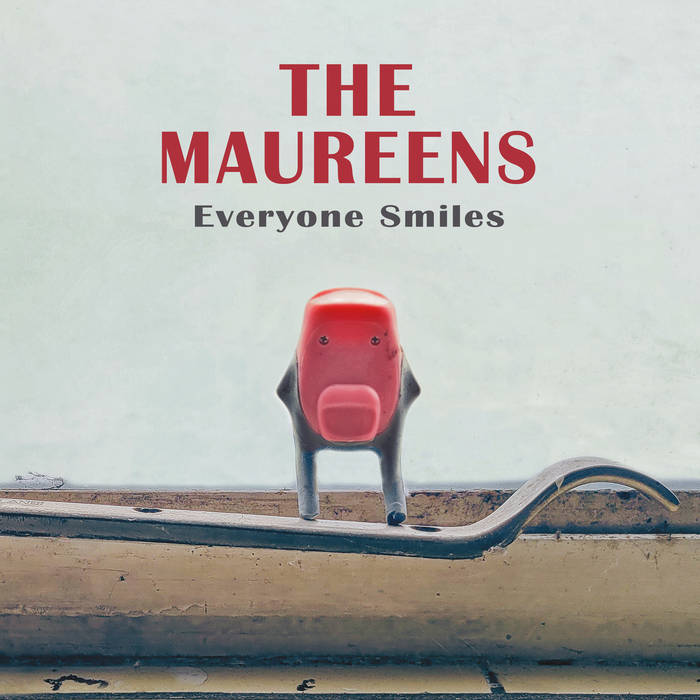
The Maureens, hailing from the Netherlands, have introduced a new gem to their discography with ‘Everyone Smiles.’ This album features thirteen bright and lively pop tunes that Dutch critics aptly liken to the finest works of The Posies, Teenage Fanclub, and The Jayhawks. These comparisons are fitting, as, akin to these influences, ‘Everyone Smiles’ not only boasts beautiful melodies but also elevates its offerings to an exceptionally high level through harmonious vocals.
Hendrik-Jan de Wolff provides insights into the creation of ‘Everyone Smiles.’
The initial responses on social media and the initial reviews for “Everyone Smiles” are positive. Did you sense that you were working on something special during the making of the album?
At the time, our focus was primarily on delivering the songs at their best. The journey to recording was extensive, spanning 2.5 years, including the challenging period of the pandemic. We crafted numerous songs and tested them in the rehearsal room before recording began. We were perhaps too close to the material to view it objectively, as the press and listeners do now.
The connection with Frans, our producer, was strong, as was our belief in the songs. However, judging our own “child” is always a challenge. It’s gratifying to receive positive reactions, especially when they capture the essence of what we love to create: songs with substance and clear influences from the Beatles and the 60s.
Frans Hagenaars, your producer, is credited with shaping the sound of Dutch Indie Pop. Did you ever inquire about his influence on the genre?
Absolutely. His work on albums with Johan and Daryll-Ann, among others, consistently features an edge and a vintage feel that aligns well with our music. Frans brings a unique perspective to recordings, emphasizing live performance and avoiding excessive perfection. In our pre-production discussions, his vision aligned seamlessly with our desires.
There is a substantial number of years between the release of ‘Something in the Air’ and ‘Everyone Smiles.’ What are the key moments in the history of the creation of this album?
Due to the Corona period, we could no longer rehearse weekly, leading to a different approach to creating songs. I worked extensively on songs on my own, often in collaboration with Stefan (drummer). However, this made it less of a band process and more fragmented.
During the recording week, several drastic choices were made, giving songs a completely different vibe, as if they had been through the car wash. Frans played a significant role in these decisions, whereas before, we were mainly at the helm ourselves.
This truly was a co-production, resulting in an album that sounds different from our previous records and has more of a live feel.
The harmony vocals stand out more on ‘Everyone Smiles’ than on previous albums. Is singing together a particularly enjoyable aspect for the band?
Absolutely! Harmonizing is a significant element for us, often introduced towards the end of the creative process. I pay careful attention to harmonies, recording vocal parts early on to emphasize their prominence in the song development. When we rehearse the vocals together, it feels like adding the perfect finishing touch. Singing together as a band gives the songs an extra lift, creating a beautiful synergy.
Being a Dutch band on a Spanish label is intriguing. Can you elaborate on that?
In 2018, the Spanish label Meritorio approached us with enthusiasm, showcasing a preference for guitar bands, especially jangle pop. We reached favorable agreements regarding vinyl pressing and promotional activities. Communication is straightforward through Whats App, and the connection with Spain provides additional attention (press) and opportunities for performances, which might not be as apparent otherwise.
What are your plans for the upcoming months?
“Everyone Smiles” is set to release on vinyl on January 26, followed by the album presentation at Tivoli on February 3. We aim to play in as many places as possible to promote the album. Additionally, we hope to schedule shows in Spain and England in May, details of which we’ll share soon. Stay tuned to social media and our website for updates. Meanwhile, we’re already immersed in creating new songs, as we don’t want to wait another five years for the next album.
You can discover ‘I’m The Only One For You’ featured on the Best Power Pop of 2024 Spotify Playlist.
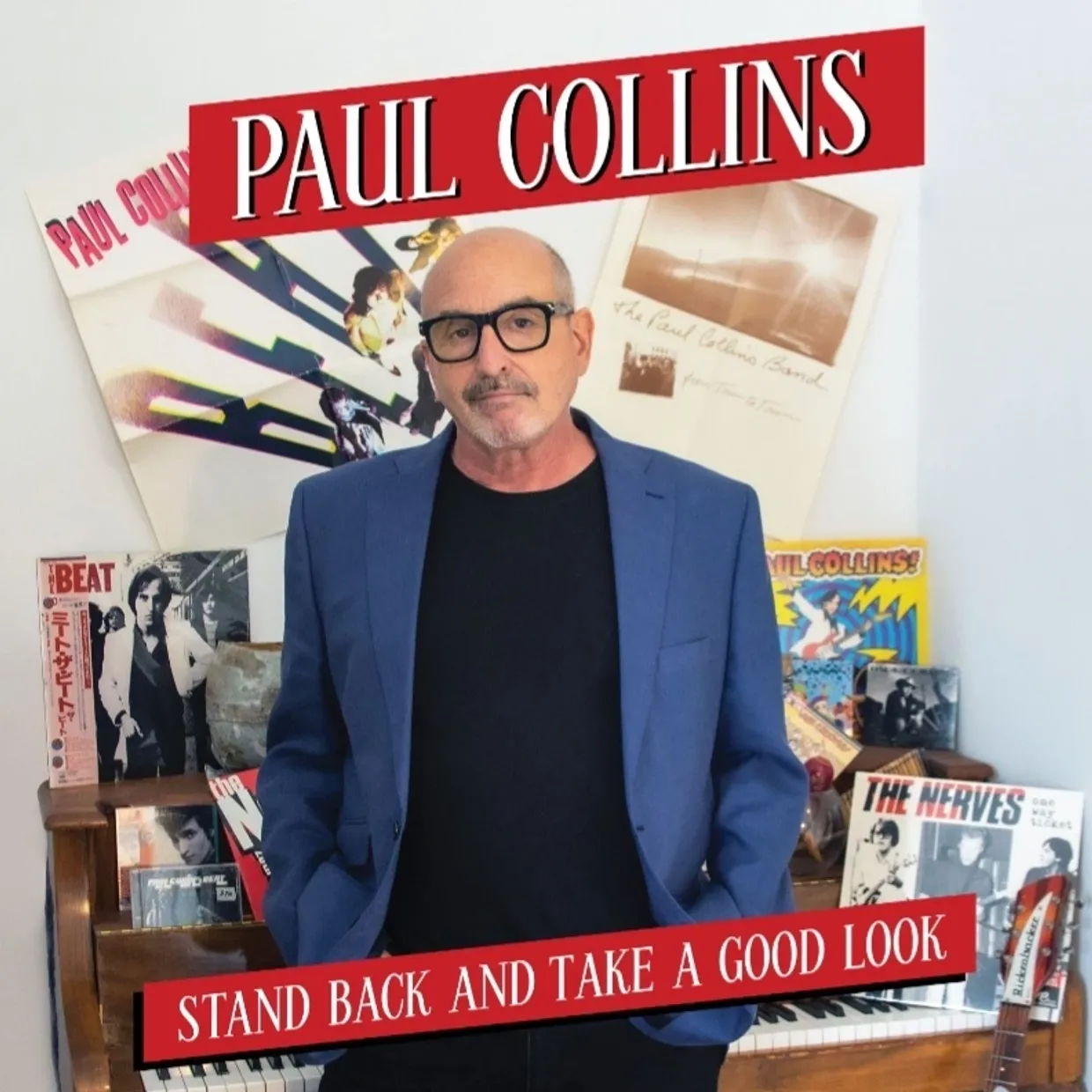
Scheduled for release on February 16th through JEM Records, Paul Collins’ newest album, “Stand Back and Take a Good Look,” wasn’t a solo endeavor. Opting for collaboration, Collins assembled a remarkable lineup that included the late Dwight Twilley, Richard X Heyman, Prairie Prince, Ronnie Barnett, and members of 20/20 and Shoes. The outcome? Twelve delightful, crystal-clear, predominantly upbeat Power Pop anthems. Over at Sweet Sweet Music headquarters, we’ve cleared the space, pushing aside chairs and tables, ready to jump and dance while enjoying the tunes.
Paul, it seemed like you stepped away from the music scene for a bit. Was that the case, or did it just appear that way?
When the pandemic hit, I just stopped, like everybody did. Then, once things had really settled in, I just wasn’t able to find a re-entry point until now. I had spent ten-plus years touring all over, and quite frankly, I was tired and getting older. It seemed like a good time to step back and take a good look!
When you introduced your new album on social media, you highlighted collaborations with prominent Power Pop figures. Were these iconic partnerships part of your initial vision for the album, or did they naturally evolve during the creative process?
It was really a spontaneous thing. I didn’t really have a band, and I wanted to get that band sound, but I didn’t know a lot of musicians here in New York who were experts at this kind of music. So, I said to myself, “Why don’t I call some of my friends around the country to see what they would say?” Without exception, they all immediately said, “Yes!” So, in short order, I had an absolutely stellar lineup of musicians to contribute to the record.
Creating the perfect song—how much of a creative high does that bring?
For me, it’s everything! Writing the perfect pop song is my lifelong pursuit.
What significance does this new album hold for you, and what can listeners anticipate from it?
First off, it’s a rock ‘n’ roll record, so hopefully, people will jump around and enjoy it! Then, I guess it would be nice if some of the songs really resonate with people. I know for me, having songs that you hold close to you is a big part of why we are drawn to music in the first place.
When you perform in the Netherlands, it’s clear your music resonates with more than just my kids. How does it feel to witness your music embraced by successive generations time and again?
This is the power of music; it can transcend everything and connect people from different cultures, backgrounds, and generations. In the end, it’s about making you feel something, and good music becomes the soundtrack to our lives! Keep on Rocking!