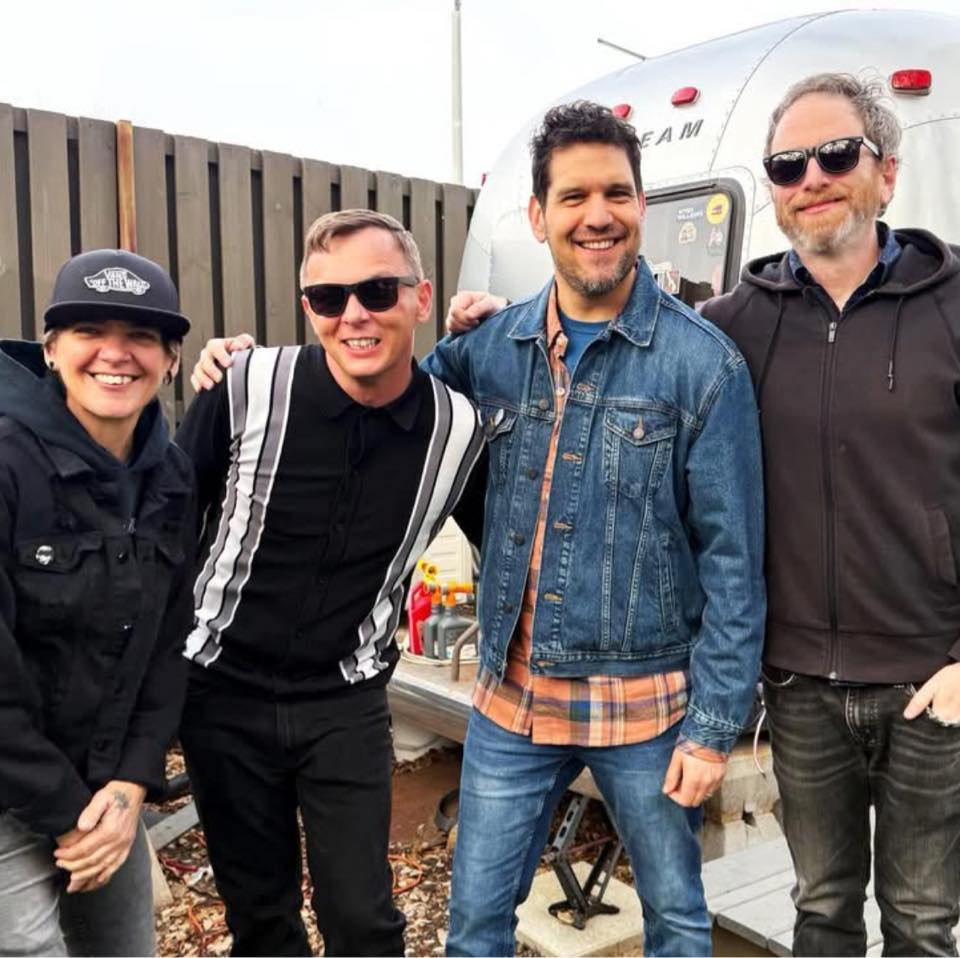
‘the dt’s’ is a Power Pop band hailing from New Jersey. Fronted by David Cacciatore and Tom Losito, the group crafts straightforward, irresistibly catchy pop tunes that are perfect for live performances. Fittingly, their latest EP, Live at Lakehouse Studios, captures the energy of their live shows, as the title suggests.
How do you balance experimentation with commercial appeal in your music?
We love to experiment in the studio, whether that involves exploring new recording techniques or instrumentation that can add flair to a song. We appreciate songs that are concise and structured with plenty of hooks and melodies, but also those that leave the listener wanting more. Balancing experimentation with memorable melodies is a challenge that we enjoy tackling.
Lyrics are too often taken for granted. What is the line of text or are the lines of text that you hope listeners will remember? And why?
Some lines of text that we hope our listeners will remember are the last lines of our single, “Refresh”: “Don’t hit that refresh, ’cause I know I’ll regret seeing what you’ve been up to, seeing the things that you do.” Throughout the song, the narrator wants to “hit that refresh” to see what this person they used to know has been up to. However, in the end, the narrator realizes that this habit of checking up on this person is unhealthy and ultimately decides not to “hit that refresh.” It’s a song that comes full circle for the narrator, showing growth, which we love!
We also try not to overthink lyrics and prefer having a stream of consciousness for what we are feeling in the moment. We always find ourselves looking to rhyme or finding certain phonetics that make a chorus pop, as the melody is most important to us. We love clever lyricists and wordsmiths like Nick Lowe, Jason Isbell, and John Prine!
Playing music in front of a crowd. What’s all the fun about?
We love playing live and we try to leave everything on stage when we are in front of people, whether it is a big show or a small, intimate one. Many times, people mention to us that it looks like we are having the times of our lives on stage. And truthfully, we are! Putting on a show with crowd involvement, good vibes, and full-throttle energy is what we are all about and what we look forward to the most.
If you could tour the world with two other bands, who would you ask, and why?
We would love to tour with The Lemon Twigs, Silvertwin, The Brook and The Bluff, or Inhaler (yes, we know that is more than 2!). All of these bands are writing incredible songs and we feel our sound would mix very nicely with them. We’ve been admiring their work and content over the last few years!
What compliment you once received will you never forget?
One of our favorite compliments is when people mention that our voices blend nicely together or they love our harmonies. There was one time we were playing an acoustic duo show in South Orange, and a group of choir students from Seton Hall University complimented our vocals and asked if we sang professionally. Neither one of us went to school for music, and we both have limited formal training. So, to hear that from students who are being formally trained in their voices meant a lot to us. Harmonies are something we put a lot of emphasis on and put a lot of practice into, so when people compliment us on that, we are always grateful.
If you could pick three singers to sing harmony vocals on your next record, who would you ask?
Tom: For me, I would have to pick Sir Paul McCartney and Don/Phil Everly.
Dave: Hozier, Noah Kahan, Jon Bon Jovi (Jersey!!).
What’s up for the next couple of months?
In the next couple of months, we have a ton of shows lined up both as a duo and with our full band. We have a great show lined up at the Crossroads in Garwood, NJ on July 18th. The bill will feature a ton of talented friends including Kelli Bruno, Gina Royale, and The Extensions!
We also have a new single coming out on July 5th! We recorded this song a while back with our good friend Joey Papa, and are anxious to finally release it. We think it can become a summer playlist staple! Additionally, we will be focusing on rehearsing some new songs with our band so we can prepare to head back into the studio. Similar to our latest EP, The dt’s Live at Lakehouse Studios, we are excited to get back to the studio to record our new songs and capture the energy of our band!
“LET ‘ER RIP,” the new album by Mark Ward, will be released on June 14. This record is packed with incredibly catchy, classic Power Pop songs. It shines, sounds fantastic, and has even garnered praise from Paul Collins.
Sweet Sweet Music blog sits down with Mark Ward.
Could you share the journey of bringing this record to life? How did all the pieces come together to create the final product?
Having recently relocated from Alaska to Washington State, I left my long-term band, Last Train, behind, along with my valued creative outlet. We had a pretty good run with four albums of edgy Alt-Americana rock and some international airplay. However, arriving in Washington during a pandemic, I found I was really on my own musically. As a guitar player, my songs are admittedly guitar-centric. With that, I can cover most instrumentation and vocals, but I was without a drummer, and my drummer friends in Alaska were busy with their lives. A buddy of mine and fellow collaborator, Chad Reynvaan, suggested I contact Dylan Mandel to play drums. Though he’s in Pennsylvania, we immediately hit it off and started tracking drums remotely. He’s a total pro and, frankly, I could not have finished this project without him.
Was there a particular moment or experience that struck you, signaling that you were onto something special with this project?
Over the years, my songwriting has taken on a much more serious tone, especially with everything that’s going on in the world today. But serious songs can take a toll on both the performer and the listener. While I think it’s important to speak your mind and give voice to a sense of reason, it is equally important to just have some fun. While there are a few serious songs on the record, in this election year, I decided to take a hard departure from that and just write some fun pop songs that don’t necessarily have to mean anything, because that’s also okay. I set out to finish a song I had written a guitar line for some 40 years ago with that sound in mind, and the song “I’ve Been Around” just fell onto the page. It was so refreshing that I decided to write another, and another, and pretty soon I had a pile of power pop songs, because why not? The trick then became how to sequence the album so it didn’t feel disjointed. I think it works, and the album at least leaves you with a sense of hope.
Success can take on different meanings as time goes on. When envisioning success for this new record, what does that picture look like now?
Great question. I’m not a full-time musician and can’t easily play out as I don’t have a band where I live anymore. I’m not really interested in touring as I have a pretty busy, fulfilling life that music is only a part of. In this day and age, there is really no money to be made in the music business unless you’re a mega pop star. So I guess success for me is having my music appreciated, respected, and enjoyed by people who want to hear music that is not force-fed to them by an algorithm. As we used to say in my previous band, if we can sell enough CDs to cover the cost of making the album, it’s a no net loss and therefore a success.
As an artist, the act of baring your emotions to the world is profound. Does this vulnerability come naturally to you, or is it a constant journey of finding comfort?
It comes naturally to me, I suppose. I have always felt lyrics deeply in others’ music and my own. In fact, when you are working on a meaningful song and a line pops into your head that immediately brings you to tears, you know it’s the right line. This happens to me often. The trouble is, it can often be difficult to perform a song like that live. If the lyrics mean something to you and you are feeling the lyrics too much, you can quite literally choke up, which makes it impossible to sing. It’s a fine line, not going too far over the edge.
How would you describe the evolution of your sound in this new album compared to your previous works? Were there intentional shifts in style or themes?
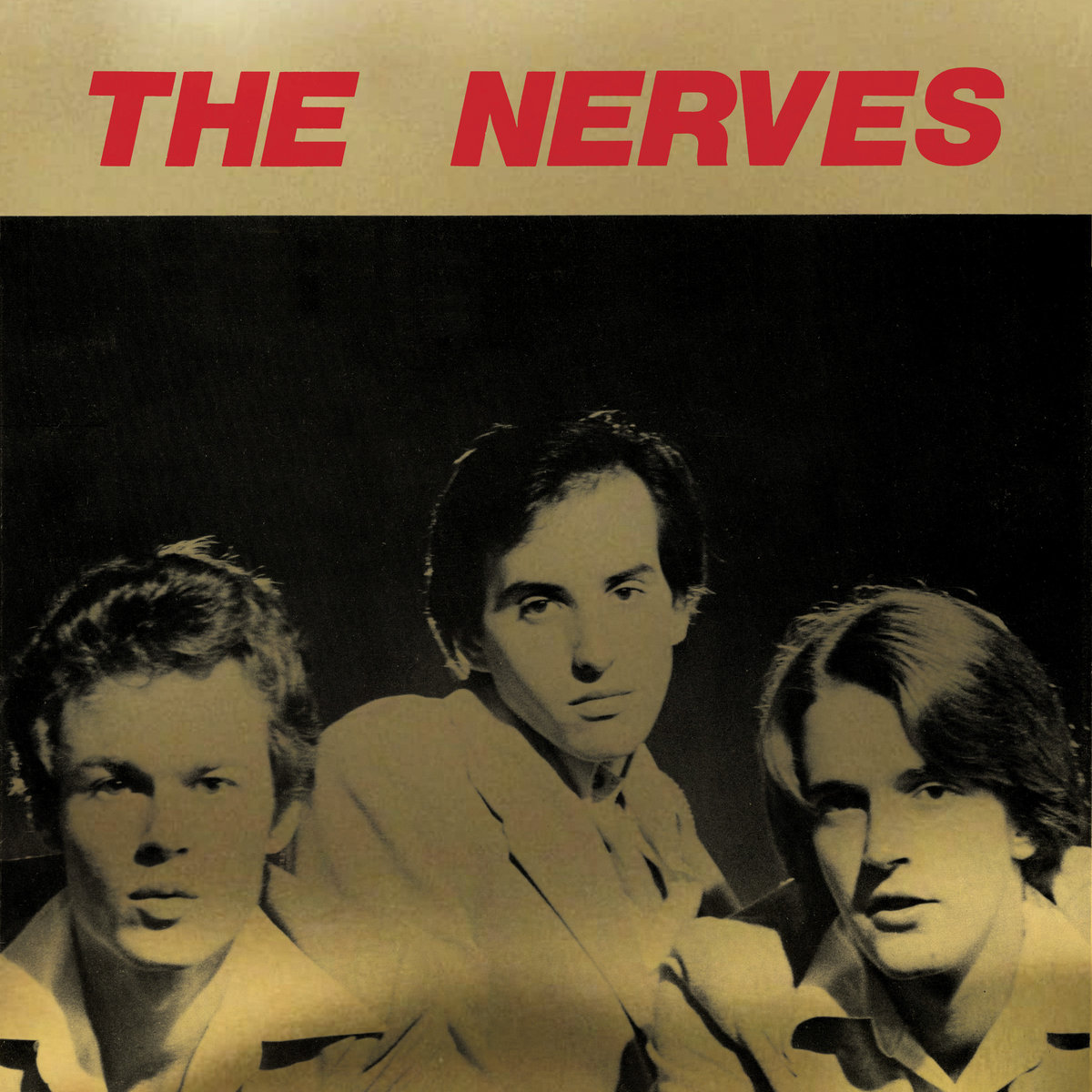
My previous efforts have been tailored to the bands I was in, being mostly Americana, Alt-Country, Cow-Punk, or because there’s a pretty distinct sound of music coming from Alaska, a genre I called “Alaskana.” But my writing has always tended on the more pop side of things. Since my college years, playing in a New Wave band and loving bands like Paul Collins, The Nerves, The Beat, The Heats, 20/20, The Knack, etc., I’ve always had a power pop bent to my writing. With this album, I just decided to go all in for the majority of the songs.
Albums often involve collaboration with various musicians and producers. Could you shed light on how these collaborations contributed to shaping the album’s identity?
My philosophy on making a record is that you just can’t (or shouldn’t) do everything yourself. You need other expertise, ears, and sometimes ideas to make a song worthy of listening to. Dylan Mandel’s drumming gave a cohesive sound to the record. Even though he used three different kits and multiple snares, his drumming is spot on for the sound I was after. I’ve collaborated with my Alaskan buddy Chad Reynvaan, who runs Wattage Studios in Anchorage, on a number of things over the years. He’s been a great resource to bounce things off of as well as add the occasional synthesizer or backup vocal, which he did on this record. The well-respected Anchorage musician and producer, James Glaves, added some tasty keyboard and piano to a couple of songs. The finale of the record includes a list of friends who lent their voices quite literally to the choir on the song “Hope.” The last line still gives me chills. At the recommendation of Paul Collins, I used Justin Perkins at Mystery Room Mastering for the finishing touch. He’s amazing, and I think his efforts provided the final polish the record needed.
Baseball Bat, a power pop band from Nashville, has recently released two strong, catchy songs, building anticipation for their upcoming EP set to drop in mid-June.
In an interview with Sweet Sweet Music blog, Brian Fuzzell explains that these songs have a long history.
Could you share the journey of bringing this record to life?How did all the pieces come together to create the final product?
The four of us worked together and became friends at a Nashville technology company. One day, Jerry came in with the idea that he wanted to form a band called Baseball Bat. He had the name before he had a band. So, the four of us got together to try to play some Weezer songs, but we never did. Instead, we wrote some of our own songs—the first was our own type of theme song, called “Baseball Bat.” Years later, we finally played one or two of those old Weezer songs.
But it took a lot to make these songs come to life as recordings. Over the last 12 years, we’ve recorded most of them twice in separate sessions, and both times, we ended up trashing the recordings. We also kind of, sort of, passively broke up for about six years. But like Voltron, we re-formed two years ago with the goal to give this another shot and truly make some recordings we’re proud of. Fortunately, Jeremy Ferguson agreed to produce, mix, and engineer the sessions. He really captured the sound and energy we’d always hoped for. Another amazing thing that happened is our old friend and former coworker, Brian Murphree, got involved and mastered the recordings. He’s become an incredible mastering engineer with his business, Soundporter Audio Mastering, so it felt great to keep things in the family to finish the project.
With the resurgence of cassettes, imagine curating your inaugural mixtape. Which five songs would be must-adds and why?
Harry Nilsson “Gotta Get Up,” The Posies “Daily Mutilation,” The Replacements “Bastards of Young,” Weezer “El Scorcho,” Tom Petty “Honey Bee.” We love these songs, and they get to the heart of what the four of us collectively love about rock music.
If tasked with introducing your music through three songs, which ones would you choose and what story do they collectively convey to new listeners?
“Let Down,” “Brain Dead,” and “Baseball Bat” (the song) are probably the best introduction to what this Baseball Bat thing is all about. Those three represent our blend of slacker garage-y quirkiness very well.
Where do you see yourself situated within the broader landscape of the music industry? How do you perceive your unique role and contribution?
We have absolutely no role in the music industry at all. Ha! Baseball Bat is more like an art project, existing only for the purpose of friends having some laughs and creating together. Our unique contribution to listeners is to provide the soundtrack to make memories, make babies, have some laughs, and repeat.
In the digital age, visual elements are intertwined with music. How did you approach the album’s visual aesthetics, such as album art and accompanying visuals? How do they complement the sonic experience you’ve crafted?
We keep it pretty simple. Baseball Bat is a garage band at the end of the day, and we like taking a straight-ahead approach to our music and visuals. We try not to overthink, much like the punk and garage rock we grew up on, but that doesn’t mean we want to be boring. Our “logo” came from duct tape letters, and most of our imagery is playful, simple, and fun.
We are inspired by the ones that blew our minds with simple, relatable, not-trying-too-hard releases from bands like Superchunk, Pavement, Tom Petty, The Toadies, and Green Day. Our EP cover for “It’s A Let Down” is an actual photograph from our bass player’s house in East Nashville when his basement flooded and all his vintage toys went everywhere. The natural chaos of that image felt just right for the cover and namesake.
These songs are 10-12 years old, and no matter how good we record them, it’s still just us behind them—a bunch of middle-aged dudes from Nashville, TN playing with heart. It kind of is a letdown, so we lean into it and hope that not taking ourselves too seriously is the key ingredient to make an unassuming set of songs that just wanted to get out into the world sound just right, despite the world not asking for them.
What’s coming up?
THURSDAY, JUNE 6: Cassette release show at The 5 Spot, Nashville, TN
6-8 pm early happy hour rock show with The Robe (Soccer Mommy & Features drummer Rollum Haas side project). We’ll sell the limited edition cassette exclusively at this release show – only 50 copies pressed on assorted colors!
FRIDAY, JUNE 7: Worldwide digital release
Digital and streaming release to all major outlets, including Bandcamp.
Dream Pony draws inspiration from the Ramones, The Velvet Underground, and The Strokes, crafting a unique sound they call Neo Glam. Their music could also be perfectly described as New York Pop. This debut album is simply irresistible.
Defining a song’s completion can be elusive. How do you determine when a composition has reached its final, ready-to-record form?
I think there’s a line to be walked between some part of looseness and some form of structure. We usually have parts and things semi-worked out and understood, but a lot happens when the song is finally being put onto tape.
Usually, we kick it around a bit in the room until we are somewhat satisfied, and then we add things to it as we go. I think the thing is you’re chasing something, but you also need to be open to accept things that come along. Often, these elements present themselves, and when they do, you make the decision.
Striking a balance between experimental artistry and commercial appeal is a challenge. How do you navigate this dynamic within your music?
It’s not something I really think about while writing a song. I feel a good song is a good song, and whether it has commercial viability or not is not really a factor. There are so many amazing unknown songs, important songs to us that, for one reason or another, never really broke through to a commercial market. I think the exercise of writing a song needs to remain separate from any predetermined outcome, and that way, it’s able to form itself the way it wants to.
Lyrics often carry profound meaning. Are there particular lines you hope listeners will always remember from your songs? If so, what’s the significance?
There are a few messages throughout the record. Different things hit you at different times, and also, people receive things in certain ways and have distinct takeaways. I guess that’s the pleasure of writing and reading.
There are a few lines scattered through the album that are hopeful, and I think in general, they are trying to convey to people to stay true to yourself and follow your heart. Lines like in “Sunday Suits,” “some people like to save all their money, some people like to favor their dreams” and “Suspicion Today,” “Do you remember that love, oh what it would feel like, I want you to know”.
Things like that, I just wanted to share some hope and convey that imagination can set you free amongst some of the darker themes that are throughout this album.
Imagine you could collaborate with three co-writers of your choice for new songs. Who would you select, and what qualities or dynamics draw you to them?
That’s a tough one, there are so many! If I had to pick three, it would be John Felice from Real Kids; I just love his songs, energy, and everything about the band’s spirit. They really lift me up. Patti Smith would be another I’d love to have the opportunity to collaborate with. I’d love to see how her process of writing a song unfolds, and I don’t know what I could offer haha, but I’d love to be in the room and see what happens. My third would be Tim Rogers from You Am I; I’ve always been a big fan of his songwriting, and I’d love to see what unfolds. All of this being said, I’d probably be way too shy to be able to do it. I would certainly freeze up and likely say something really silly haha.
In the digital age, visual elements are intertwined with music. How did you approach the album’s visual aesthetics, such as album art and accompanying visuals? How do they complement the sonic experience you’ve crafted?
Being our debut album for Dream Pony, we wanted to create something that reflected the album title Suspicion Today but also Dream Pony as a concept. I wanted to create a dreamlike space for the songs to exist within. I had this concept of something floating around like the bridge in our song “Sunday Suits” and the ethereal being out there, however, casting a shadow below so in some ways it floats but still touches something. We purposefully wanted it to cast that shadow and reflect some kind of tangible illusion. We sourced several objects and various horse statues that we workshopped until we came upon the cloud background and pony plush toy, which we named Tony the pony. The artwork was captured by our great friend and super-talented photographer Ryan Slack at Mediumplex studio in Brooklyn.
Scotland’s Aerial has finally unveiled their highly anticipated album after a decade-long hiatus. Following the success of their 2014 standout, ‘Why Don’t They Teach Heartbreak At School?’, which featured the stellar track ‘A Great Teenager’ ranking at number 38 on my ‘The Best 100 Power Pop Songs of this Century (2000-2020)‘ compilation, the band returns with ‘Activities of Daily Living’. Once again, they hit the mark, particularly resonating with fans of Teenage Fanclub and Fountains of Wayne, as Aerial continues to thrive in that musical sphere. This latest release offers a delightful array of cleverly crafted earworms, showcasing the band’s trademark wit and charm.
Could you share the journey of bringing this record to life? How did all the pieces come together to create the final product?
We started writing the album (Activities of Daily Living) about 3 years ago. Covid afforded us time and boredom. If I remember rightly, Mackie (Mackintosh – the other songwriter in the band) set himself a challenge to write a song a week and deliver a finished demo to me every Monday. I think he told me in order to keep himself honest. I decided to do the same thing and then began a pretty frenetic period of writing and exchanging demos, a bit of one-upmanship and an eventual body of songs that was the basis for the album. In the end we took 14 of them into the studio once lockdown was lifted and over a number of sessions, worked with producers Duncan Cameron and Dave McClean at Riverside Studios in Glasgow to record it.
We have worked with Duncan before (on our debut Back Within Reach). He has produced some of my favourite bands – Teenage Fanclub, BMX Bandits, Trashcan Sinatras – and so we trusted him to bring out the best in the songs. We mixed the album with him too and are really happy with the end result. It’s probably our best sounding record.
Was there a particular moment or experience that struck you, signaling that you were onto something special with this project?
For me personally, I think when I stumbled on the concept of writing a song about wasting time playing video games (Pixelated Youth) – that was one of those moments. It was one of the quickest songs to write for this album. I think I wrote the lyrics in one long, late night session. The theme afforded lots of nostalgic references – power ups on Super Mario, collecting coins on Sonic, game cartridges, dot matrix printers etc. It became a homage to Shigero Miyamoto, the Nintendo programmer who wrote most of those games. I added lots of Game Boy chiptune effects in the final song and I think that fits really well.
The decision to seek opinions on your new songs is intriguing. When did you realize that external perspectives could contribute to your creative process?
Well, I only really seek the views of the rest of the band. We have been doing this long enough and I think have a quiet confidence in what each of us does. And we have strong enough relationships that if something isn’t good enough, it will be called out. For the last album (Why Don’t They Teach Heartbreak At School?) we had a ton of songs to choose from – like about 50 or so. Much of the work there was paring it down and choosing what would form the album. This one was different; we wrote for the album. Each of us has a good enough filter such that if a song makes it to the demo stage, it will probably be a contender. We didn’t throw much away.
In fact, we had so much time and recording tools to hand, that the demos are really well produced. That can be problematic as you can then spend too much time in the studio ‘chasing the demo’. In the end we did use some of those original demos as overdubs.
Success can take on different meanings as time goes on. When envisioning success for this new record, what does that picture look like now?
I am really proud of our previous albums. I think the collection of songs on there really stand up. This is our first one in a few years so I think at the start, success is probably making sure you are not eroding the good work you have done before.
Once you get past that, the concept of success changes. For us, I think success was probably down to two things – getting the songs themselves recorded well and to our satisfaction. And then getting the right label deal. We were quite focused on this one in getting it out on vinyl. And we did that. It is out on Flake Sounds in Japan and we have a limited release of 300 on coloured vinyl – exactly what we were after. The less outcome-focused bit of success for me is getting to spend time as a band in the studio and going on the ride of concept to release. Spending time with your bandmates as you do this is probably the best bit.
Among the gigs you’ve performed, which one holds an indelible place in your memory and why does it stand out?
Oh there are lots of gigs that stand out. For me, when we played T in the Park many years ago – that was really special. It’s the main music festival in Scotland – or it was at the time as it’s moved on and rebranded now – but it’s the one I grew up going to with my friends. To go there as a band and experience backstage, the other bands, the most generous rider we’d ever had – it was great. A real highlight.
Lyrics often carry profound meaning. Are there particular lines you hope listeners will always remember from your songs? If so, what’s the significance?
I still think Why Don’t They Teach Heartbreak At School? is a great song and album title. I can say that because Mackie came up with it, not me. It made promotion for that record very, very easy. Most reviewers had their own reflection on the phrase and were hooked. I think we got a lot of listens as a result.
Arguably, it meant that coming up with the title for this album was trickier, but we all gravitated to Activities of Daily Living pretty early on and I think it works well. It fits in with what we were doing when we wrote it. Like everyone, we were stuck in a cycle of eat, sleep, work, repeat over covid – our activities of daily living. That’s ultimately what the album is about.
Aerial’s new album ‘Activities of Daily Living’ is out now on Flake Sounds.
Released on Eco-Mix Coloured Vinyl. Limited to 300 signed & numbered copies.
In addition to The Beatles, John Andrew Fredrick indicates that he is inspired by Lutheran hymns. That may explain The Black Watch’s unique sound: jangle pop, which is a bit dark, sometimes eccentric, but never ordinary. “The Morning Papers Have Given Us the Vapours,” which is brand new, is beautiful and intriguing and sounds contemporary. However, the latter does not appear to have been a deliberate goal in itself. We hear more about this in an exclusive interview with Frederick himself.
Are you consciously adjusting your sound to keep your music modern, or is that not a concern for you?
We rarely, if ever, think in terms of “how will this go down with indie fans.” Not that that is an arrogant or oblivious approach: it’s just that I try to please myself first, thinking “I have impeccable taste; so if it makes me jolly and feel moved somehow, then it MUST be good.” Who knows, though? We never ever chase the current sound, as it were. I think that madness lies that way.
“What’s All This Then” is such a fresh and youthful song. Could you tell me what inspired it?
“What’s All This Then” is a sort of send-up of love songs in general and my own in specific. How many times have we uber-romantics said “I’ve never felt like this about ANYONE!” Knowing full well we’re fooling ourselves. Full fools fooling the fools that are US! Haha.
“There and Here” has a Dark Wave/Post Punk vibe. But when I describe it that way, I wonder if it’s just a typical journalistic observation. What are your thoughts on this?
I forgive writers and punters for categorizing music; if that makes things more palatable, there you go. Notwithstanding that, I am really pleased with the guitar sounds the engineer, Kevin Dippold, got on that one. I do not think of us as a “big guitar sound” sort of band; but we LOVE a lot of those—The Chameleons UK, early U2, The Strokes, et alia.
You make creating music sound effortless in a good way. Do the melodies still come naturally to you?
Well, the melodies I often attribute to two influences: the Beatles and Lutheran hymns. I went to church religiously till I was nineteen. Pun! Haha. I admire really twisty melodies like what Mark Hollis did with the immortal Talk Talk, so perhaps a bit of twistedness twists into my stuff. I like catchy stuff—with a twist. (Sorry: couldn’t resist!).
When I listen to your records, I always feel like I’m part of a journey, rather than being shown an endpoint. Quite poetically worded, don’t you think?
A journey or TRIP (term I prefer) really is among the highest compliments that could be paid one. Heroic Roger Waters opined that “in the finished article, the only thing that matter is if the song MOVES you,” so I reckon you could say that that’s an INTERNAL journey!
Now that More Kicks is a thing of the past, James Sullivan, with Vital Signs, has delivered an exceptional record. It’s sophisticated, melodic, narrative-driven, and utterly intriguing! Here is a restless writer at the top of the songwriting game.
You can discover ‘Day Late Dollar Short’ featured on the Best Power Pop of 2024 Spotify Playlist.
James, your record is truly beautiful and diverse. Did refining your sound after More Kicks disbanded come naturally?
Thanks! I actually finished this record before More Kicks ended. We’d finished the second record, Punch Drunk, and everything was at the pressing plant with Dirtnap and Stardumb. So we were sort of planning some touring around that release, but it was all 9-12 months in the future. I’d been writing so much for the two years leading up to that point and I didn’t want to stop. I also knew my lease was running out on the little studio space I rent, so I had about three months before I would have to move out of that.
So it was kind of a no-brainer to just keep on writing and recording. Honestly, I was a little worried about my state of mind without new music actively happening and I was quite burned out from writing so much for More Kicks, so making a new record on my own was an easy decision to make. I didn’t necessarily think it would be another album because there is always a chance that it turns out completely shit. Especially without the tasteful filter of Paolo and Kris (bass and drums from More Kicks) being applied to the songs. But as long as I was writing and recording something new, I knew I would feel okay.
Then I finished the ten songs and Punch Drunk was almost ready, so it was time to go and tour that thing. Vital Signs was done and even mastered, but it was just sitting on my computer. Six months later, I realized I didn’t want to do More Kicks anymore and I even had a completed record ready to go, so I finally got my arse in gear to get it released. I sent it to Stefan at Stardumb to see if he’d be interested – god bless him, he was – sorted out the artwork. Then that all takes a little while again, and here we are.
So the sound was just an amalgamation of physical limitations and the freedom of it not needing to be played by three people on a stage. There are so many limitations when making the record like that on my own. I record everything on an 8-track tape machine so I only have eight tracks to play with. Plus my own limited recording capabilities, I can’t play the drums and I suck at piano so that comes into play as well. Tiny cupboard-sized ‘studio’, loads of noise coming from everywhere in the building. In my head, I was going to make a huge orchestral piece, but that is simply not possible in those surroundings haha.
In terms of refining that sound, I just wanted it to have more space than my previous records. Less frenetic, more textures, a broader feel. I often wish I could embrace jam band aesthetics but that is essentially impossible if you’re playing things on your own and it’s all on tape so you can’t edit anything after recording. Plus, I’m quite a brutal editor of my own stuff, so what starts off in my head as ‘this will be a really long and tedious drone instrumental with almost no melody’ ends up becoming quite a concise pop song.
Your lyrics are captivating. Is writing them a smooth process for you?
Ah well thank you! I would say quite smooth, yes. I usually make a little demo of the song while I’m writing and the lyrics come last. I have nonsense placeholders in there while writing and then figure out what they should actually be once the music is at least mostly structured and worked out.
So I’m usually quite tired by the time it comes to writing the words. I like to write them very quickly and usually about 90% of those tired lyrics are there in the final version – just some tweaks here and there for better phrasing etc. Sometimes I think that might be why I often seem quite sad in the words – I’m just a bit tired by that point.
I usually write the chorus first and work backward to fill in the verses. That seems to help with the flow of setting the scene and the theme, and then getting a good payoff with the chorus. So the second verse can often be difficult because I’ve got a narrative that ‘ends’ with a chorus, but I have to continue the story for the second verse somehow. But yeah, I would say once the chorus words are in place, the rest of the words seem to come quite quickly.
I’m intrigued by ‘Guilty as Charged’. Can you share how that song came to be?
I had already started recording and while I was listening back to what I’d done, it all felt quite unambitious and nice. Exactly this idea of expanding the horizon is where I was going with Guilty As Charged, and also the song which precedes it, ‘Dronify’.
I was missing live drums on what I’d recorded. My friend Marco had played drums on Day Late Dollar Short and they sounded really nice. So I looped a few bars of him playing that song and just droned a bass riff over the top for four minutes. At this point, I realized I should essentially abandon structure and just go with the drone – so spoken word would be a good idea. I used that a bit on my first record ‘Light Years’ on the song ‘Lea Bridge’ so I liked the idea of returning to that.
I was reading ‘Nickel Boys’ by Colson Whitehead and he described someone as looking like they were ‘upholstered into their suit’. All disheveled and creased. I loved that. So I thought a character piece about whoever that person is would make for a great vignette. I wrote those words so fucking quickly, I’m not sure where it came from. The whole courtroom scene, the grotesque spectacle of a man getting sucked into thin air from within this horrible green linen suit. It really felt so freeing to write like that. A complete stream of consciousness that was absolutely not related to me or my life at all.
Many times I almost deleted that from the record because it felt thematically separate from everything else. If anyone had said to me ‘Erm, I’m not too sure about Guilty As Charged’, I would have definitely just thought, fuck it, and dropped it. But luckily, nobody heard the record except me until it was all finished. I’m glad it’s there.
Creating Vital Signs as a solo project must have been quite different from working with a band. What was that experience like?
Quick, instinctive, a little worrying because there is really no objective voice in the room at all. There is every chance that everything I’m recording is truly awful and I can’t tell because I’m far too close to the whole thing.
So it feels higher risk in one sense, but also lower risk in the sense that I have zero expectations for anything. Nobody is waiting for a James Sullivan solo record. I’m not even waiting for a James Sullivan solo record. I could quite easily finish a set of songs and then just do nothing with them and carry on with my life – as I almost did with these. But then, the ego in me can’t quite resist sharing them with the world in case other people also get a kick out of them.
Your new sound really showcases your vocal talents. Was this something you consciously aimed for?
Not at all, but I really appreciate that. With the self-recorded, straight to tape thing, I have to sing everything from start to finish in one take because I don’t have long enough arms to punch in the recording from where the microphone is in the room in relation to where the tape machine is. So it’s all in one take, or do the whole thing again. Which is mostly how I do it anyway – but this time it’s the only way I can physically do it.
I can definitely sing in tune; I don’t usually have problems with that. So having that one-take restriction probably adds a certain edge or sense of jeopardy to things. It definitely makes it feel more alive and, yep, more real.
What kind of compliment about Vital Signs would make you especially happy?
Christ, that’s quite difficult. I’m one of those dickheads who claims to not care about reviews but then when I get a nice one, I feel really good about it.
I think if people realize that I’m consciously trying new things, that I’m not scared of alienating listeners, that I am really really keen to not repeat myself, that makes me happy. I will scrap entire songs if they feel slightly too similar to something I’ve written before when it would be much easier to just tweak it slightly and record it. In fact, probably that would be an easier thing for listeners to get their heads around. I could have written More Kicks songs forever but I would have known I was cheating myself.
So I think if somebody told me I was a restless writer, that would make me very happy.
Cyndi Dawson and Henry Seiz, fronting The Cynz, collaborate with Jem Records to unveil their latest album, “Little Miss Lost,” produced by Kurt Reil, hitting shelves on March 29th. This release emerges as a potent and deeply personal narrative, chronicling Dawson’s journey to maturity through her poignant lyrics and Seiz’s infectious melodies.
In an interview with Sweet Sweet Music blog, Cyndi Dawson delves into the genesis of “Little Miss Lost.”
You can discover ‘Crow-Haired Boys’ featured on the Best Power Pop of 2024 Spotify Playlist.
Could you share the journey of bringing this record to life? How did all the pieces come together to create the final product?
Like all our albums, it was a journey of exploring where Henry and I were at in time as individuals and as writing partners. We don’t have a game plan- we allow things to come together organically. As a long-time friend, he is aware of where I want to go and explore, and as a musician, I also follow his own exploration and weave my words accordingly.
Was there a particular moment or experience that struck you, signaling that you were onto something special with this project?
For myself, once I wrote ‘When We Were in Love,’ I knew we were going to have something special with where our new record would go. The music evolved from an acoustic demo into a song that had a more rocking longing that fit our style.
The decision to seek opinions on your new songs is intriguing. When did you realize that external perspectives could contribute to your creative process?
They don’t. I don’t create music for others. I write because I feel a sense of urgency to do so. Henry and I write songs we would like to listen to. Of course, we want others to like them too, but it isn’t our motivation. Art is a compulsion. We create art because we have to. Success can take on different meanings as time goes on.
When envisioning success for this new record, what does that picture look like now?
We are successful now. Because we created work we respect ourselves. That’s fulfilling. In terms of financial success? If you expect that in music, you will be immensely disappointed. I see a value artists should get financially but until we respect ourselves and demand that from clubs and music sources we aren’t going to get that.
Within this collection, do you feel that the best song you’ve ever written finds its home? If not, what distinguishes this record’s essence from your prior work?
The best song we have ever written will never be written. If we have written it already, what motivation would we have to continue on?!
That elusive best song is always one song away.
As an artist, the act of baring your emotions to the world is profound. Does this vulnerability come naturally to you, or is it a constant journey of finding comfort?
I think that when you have experienced severe trauma in childhood, you either deconstruct as an adult or you find an outlet that helps heal you. I chose the arts in many forms- as a poet, a dancer, a model for artists and photographers, and as a front woman. It was no longer okay to stay silent. And I’ve learned that I don’t have to always focus on my own story. I can create characters that are me but can combine elements of others I’ve observed.
Imagine you could collaborate with three co-writers of your choice for new songs. Who would you select, and what qualities or dynamics draw you to them?
I honestly only want to write with Henry. Of course, I am asked to write with others time to time, but I always go back to thinking, if I’m going to write a great song then I want it for The Cynz.
Among the gigs you’ve performed, which one holds an indelible place in your memory and why does it stand out?
90% stand out. N/A lol
Lyrics often carry profound meaning. Are there particular lines you hope listeners will always remember from your songs? If so, what’s the significance?
I write parts of my life and parts of others. Sometimes I just write a sassy song. People will take what they need from my words. This is also why I don’t include lyrics. How many times have you thought a line in a song was one thing only to find out it was something very different? I think that can change the song’s significance to you and what you needed and got from it.
Can you recall the last instance when you felt the immediate certainty of having penned a hit song?
‘Crow Haired Boys.’
If I am singing it in the shower, then I know others will!
With the resurgence of cassettes, imagine curating your inaugural mixtape. Which five songs would be must-adds and why?
1- Patti Smith Gloria
2-MC5-Kick Out the Jams
3-The Struts-Pretty Viscous
4-(The Greg Provost version) Chesterfield Kings- Up And Down
5-Rolling Stones- Stray Cat Blues
Performing music before an audience holds a unique allure. What aspects of this experience contribute to the excitement and enjoyment for you?
The energy exchange between the audience and us. When they are bouncing and singing along it’s magic.
If tasked with introducing your music through three songs, which ones would you choose and what story do they collectively convey to new listeners?
We have five albums out now. I would find that very difficult to do- pick just three songs. Every album was a particular time and vibe our collective minds were in.
In a hypothetical scenario where you could tour with two other bands, who would be your ideal companions and what synergies do you envision?
Toughest question ever. There are so many! Currently, we vibe completely with Slamdinista. I think a tour with them and Palmyra Delran and/or Cocktail Slippets would have the right energy balance. But see? I could name ten others.
Among the compliments you’ve received, is there one that remains etched in your memory? If so, what made it particularly unforgettable?
Women especially come up to me and tell me they feel I’ve spoken to them with my words. They say they wish they had my strength but my strength is on stage. Not everyone gets that space or platform.
Studio moments often hold a touch of magic. Could you recount an instance that stands out as the most enchanting during your creative process?
Hah- the next secret project that Jem is putting out- I was completely into the moment recording it. But I cannot say at this time what the track is. With my own songs, I would say one that stands out is Little Miss Lost.
Where do you see yourself situated within the broader landscape of the music industry? How do you perceive your unique role and contribution?
I’m not sure what music industry there is currently- particularly for an original rock and roll band. Europe is way ahead of us in that regard. But like anyone pursuing a career doing what they love, I just want the songs to get out. I want these babies to leave the proverbial nest and start making friends with others.
With the record completed and the music released, do you believe the pinnacle of enjoyment has been reached, or is this just the beginning of an exciting phase?
I’ll be honest, speaking for myself. I am very uncomfortable in the ‘after’ phase. The recording process is full-on commitment to the idea that you are exposing your guts and soul. I know I do. If the record should flop it’s not that I’m worried about approval- it’s that I failed at communicating well. What if no one gets it? I’m giving you all my heart. Do you want that? I’m giving everything I have. Do I deserve to be in this position? My insecurities can often cripple me that way. But there’s a strong part of me that realizes I did the best record I could … WE could. Put it out there and let it live its own life.
Looking ahead to the next couple of months, what exciting plans or projects are on the horizon for you?
We are traveling a lot this year so the next couple of months are shows and travel. Shorter road trips are very much my favorite way of touring. I really love my home life and garden and don’t like being away too long.
How would you describe the evolution of your sound in this new album compared to your previous works? Were there intentional shifts in style or themes?
We don’t have intentional shifts in style, but I did want to continue the exploration of my past from age 17-present. I used my own experience (with artistic license) to come to terms with who I am today as opposed to Little Miss Lost from the past. But that also meant revisiting love and heartbreak not only I experienced but what I caused others as well.
Albums often involve collaboration with various musicians and producers. Could you shed light on how these collaborations contributed to shaping the album’s identity?
This album had a few producers and outside contributors, but ultimately the majority of the work was done at House of Vibes with Kurt Reil from The Gripweeds. I very much have a say in how songs end up, as does Henry, but for this album, I was open to let go of some of my control I have in the past.
In the digital age, visual elements are intertwined with music. How did you approach the album’s visual aesthetics, such as album art and accompanying visuals? How do they complement the sonic experience you’ve crafted?
The cover art was created by the artist Rene Moncada and his wife Joann. It is a photograph of myself at 17 modeling a string dress sculpture on Wooster St. in Soho, in front of his loft and gallery. They create most of our covers and my poetry book covers. I was his model at 17, and I always have him involved in creative and artistic parts of our finished products.
The back cover is a current photograph of me by the terrific photographer Sherry Rubel.
It’s past to present. The inside are photographs by Sherry and Johan Vipper.
All of it represents the sonic experience of the album and its themes.
In 2024, Power Pop enthusiasts are in for a treat! Immerse yourself in the ever-expanding collection of now just over 100 top-notch tracks on The Best Power Pop of 2024 playlist.
Keep your ears tuned to and follow this Spotify playlist as we consistently add fresh soon-to-be classics every week.
From the plethora of amazing tunes, we’ve distilled the cream of the crop—the top 25 tracks of the year so far are now, at least for this week, reigning supreme at the top of the playlist.
Their position is likely to be challenged as we speak, so stay tuned for updates!
01 The Reflectors – All the Way Down
02 Rob Carroll – just about had it!!!
03 The Jellybricks – All About You
04 Wifey – Mary Ann Leaves The Band
05 Softjaw – Pleased With Me
06 Brent Seavers – Of Poetry
07 The Follies – Square Peg Round Hole
08 The Lemon Twigs – My Golden Years
09 The Prize – One Day at a Time
10 Spencer Segelov & Great Paintings – Don’t You Know?
Rob Carroll has recently produced an incredible tune that truly resonates with me, evoking strong echoes of “That Thing You Do!” It exudes the same vibrant energy and freshness. Both tracks are undeniably catchy, embedding themselves in your mind for days on end. Prepare to be enchanted and unable to shake it off – you’ll simply adore it.
You can discover ‘just about had it!!!’ featured on the Best Power Pop of 2024 Spotify Playlist.
Could you share the journey of bringing this record to life? How did all the pieces come together to create the final product?
So this song “just about had it!!!” is the first release from my new EP. I have been sitting on 50-100 songs I’ve written over the last few years and finally decided to start putting as many as possible out into the world. I wrote these songs myself, as well as played all of the instruments and recorded and mixed everything. It is a very satisfying process to do all the work myself, but it is time consuming and hard to remain objective.
The decision to seek opinions on your new songs is intriguing. When did you realize that external perspectives could contribute to your creative process?
As much as I love pop music and hope to reach as many people as possible with my music, I rarely write with external perspectives in mind. I take into consideration things that might make a song more streamlined (length, chords, density, etc) but rarely write from a place where others are guiding the decisions. That being said, I definitely rely on friends and peers for feedback and take their critiques to heart. I may not always agree, or even follow their advice, but I always listen to it. Wearing all of these hats can make you lose objectivity. Even if I feel their idea is not right for the current song, there have been many instances where I’ve implemented their advice and ideas into new songs I write.
Success can take on different meanings as time goes on. When envisioning success for this new record, what does that picture look like now?
I’m a professional musician full-time. I already make a living from music and in many ways have found certain forms of success. For that reason, the meaning of success for my original music comes in the form of its completion. Having a finished product that I am proud of is what I look forward to most when creating. If streams and followers are gained along the way that’s amazing, but reaching the finish line each time (in a better, more efficient way) is what I strive for.
Defining a song’s completion can be elusive. How do you determine when a composition has reached its final, ready-to-record form?
The ready-to-record stage is actually the easy part for me. When I write I typically try to get “the bones” of a song out first. This means at least a verse and chorus with a melody. If I can get a bridge by this stage as well, that’s awesome. The music tends to be easier and quicker for me, so I will often hunker down and force out some form of lyrics at this point as well. Lyrics have gotten easier over time, but I need to have them in place. If I don’t, the song will sit in my voice memos and often be forgotten. Having lyrics, melody and form for a song complete will ensure that I know that song is ready and find the time to record it. Once I start recording, that’s typically where the infinity of decisions can bog me down. I tend to move fast, but if I’m not careful the arrangement stage can really slow me down.
Lyrics often carry profound meaning. Are there particular lines you hope listeners will always remember from your songs? If so, what’s the significance?
It’s funny because, as a listener, I really don’t care about lyrics. They can’t be egregiously bad, but most of the time I’m not listening to them. As a writer however, I do tend to obsess over my words, meter, rhymes, etc. I want to be proud of what I’m writing, but I also want listeners to be moved as well. It would be nice if listeners enjoyed my lyrics, or thought they were well written, but what is more important to me is that they can relate to the ideas and emotions. If they can make a connection to my music through the words then I’ve done my job.
Performing music before an audience holds a unique allure. What aspects of this experience contribute to the excitement and enjoyment for you?
Being a performer for a living, I get many chances to connect with audiences and thrive off of this feeling every week. It’s even more amazing when you are playing for an audience of people that are interested specifically in you and your music. So often music is relegated to a background role at bars, restaurants and parties. When you get the chance to lock in with a crowd and perform your own music… there is really nothing quite like that.
While you can’t dictate how people interpret your music, are there specific elements you wish to highlight that set your songs apart?
I love awesome harmony, pop music and good songwriting. If people associate those things with my music I’d be incredibly happy.
With the record completed and the music released, do you believe the pinnacle of enjoyment has been reached, or is this just the beginning of an exciting phase?
As I mentioned before, it is definitely the culmination of a lot of hard work. To be able to look back on a finished release is a great feeling. It’s also the start of two different phases. One is trying to build a connection between your audience and this new batch of music. The other is building momentum and energy to start this whole process again from the ground up. Every time you go to record it feels like the first time. Sure, you’ve learned so many things and have gotten better and faster but staring at the blank project session I always seem to think, “can i do this again? Do I still have the ability?” It’s always intimidating but there’s no better feeling than pushing through that and creating more music.