Nick Frater presents The Rebutles 1967​-​1970 (Q&A)

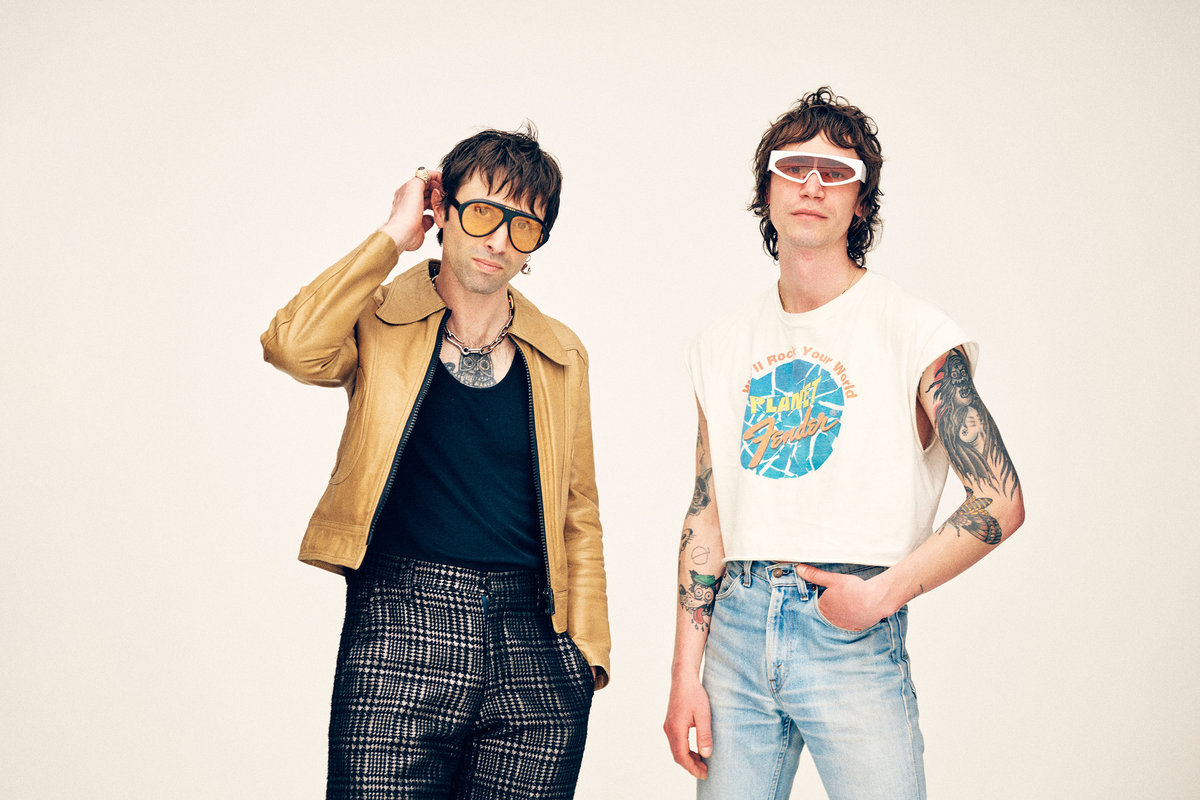
Nick Frater shared with Sweet Sweet Music blog, “I’m going through quite a productive songwriting period at the moment, and melodies seem to arrive thick and fast.” This creative burst has culminated in the creation of two exquisite albums, adding an extra sparkle to the musical landscape of 2024. November saw the release of ‘Bivouac,’ landing it in the Top 10 of The 50 Best Power Pop Albums of 2023. Now, right after Christmas, ‘Nick Frater presents The Rebutles 1967​-​1970‘ pays homage to The Rutles, often considered the ‘ultimate’ Beatles tribute. It’s quite a journey, isn’t it? Below, Frater delves into the mechanics and origins behind this musical endeavor.

A surprise release so late in the year. What’s the story?

“The Rebutles / 1967-1970” has been a little side project I’ve been working on this year, as a follow-up to my last ‘secret’ album, “Nick Frater presents The Rebutles: Ron, Dirk, Stig and Barry the Solo Years, Vol 1,” which I included as a CD in the first 200 Earworms LPs.

I thought releasing it on an unsuspecting world on Boxing Day was the perfect poetic nod to Magical Mystery Tour, which was first shown on Boxing Day 1967. What I’ve learned through doing this is that Boxing Day isn’t really a thing in the USA! I received several messages from friends and fans in the States asking what the hell I was talking about, in the various hints and clues I was putting out in the run-up.

I’ve read a lot of positive reactions. Do you have an explanation for this so soon after the release?

I’ve been quite taken aback by how well “The Rebutles /1967-1970” has been received! I guess people still love, as I do, the idea behind The Rutles. As a HUGE Beatles fan and Rutles fan, creating the songs for my original tribute (is that a thing?) was a lot of fun to do, and I hope that translates into a fun listen. For years, I’ve been wanting to try something very, very ’60s psychedelia, and this was the perfect excuse. Getting great feedback from some of my favorite bands has been wonderful.

I’m so curious about how the concept came about and how far you think you can go if you want to continue it?

As with most great ideas, The Rebutles started off as a joke with friends in the pub—the idea of what The Rutles would have done in their solo careers. The idea stuck with me, and I started writing the first album. It turned out that my musical friends were VERY into the idea and helped to turn it into a reality. Having started at the end of the story of The Rutles/Rebutles, the only place to go was backward and do a prequel. Although things start to get a bit meta; like that bit in Back to the Future where the characters on different timelines mustn’t ever meet! Never let conceptual sense get in the way of a good song.

Did you consciously start writing songs in this specific style for this project or does something like this arise organically?

I’m going through quite a productive songwriting period at the moment, and melodies seem to arrive thick and fast. So writing The Rebutles came more from ideas for song titles. “Loose Tea In Disguise” came early on, and the song pretty much wrote itself. That said, I think there are still some moments that pull the heartstrings in just the right way, like “Come Get Your Tea.” I think it has a nice bittersweet feel; it’s a favorite for me.

You wrote to me a while back, jokingly or not, that the best record of 2023 had yet to be released. You knew you had something good on your hands, didn’t you?

From the enthusiasm of the musicians who helped me record the songs, I had an idea that The Rebutles might be an enjoyable listen. It was always going to be an odd move to release two concept albums a month apart, and right at the end of the year, but hopefully, between Bivouac and The Rebutles, listeners have found something to enjoy. There are lots of things in the pipeline for 2024, including a new ‘normal’ album. It’s well underway and called “Oh Contraire!” (you read it here first!), so it might get released in time for the best of 2024 lists.

Peter Donovan – This Better Be Good (Q&A)

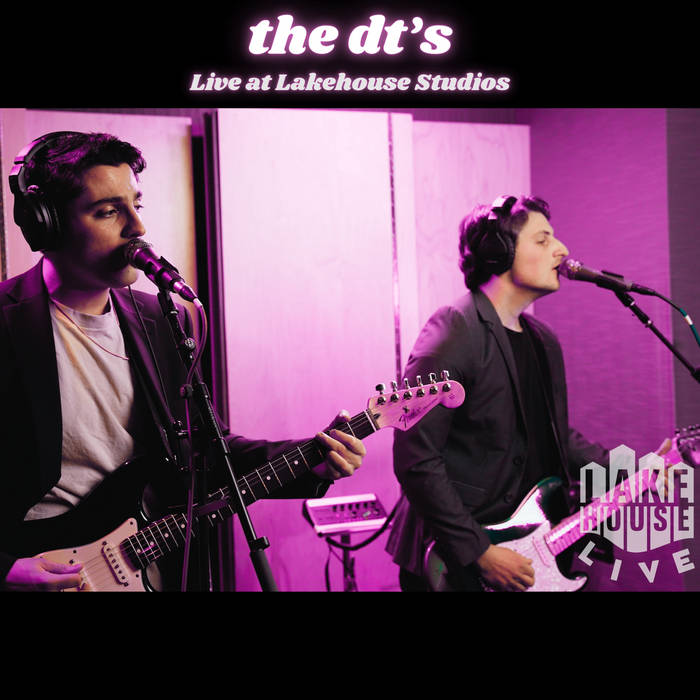
On a Sunday afternoon, I relish flipping through ‘old’ music magazines, seeking out hidden musical gems. In a 2022 issue of Shindig!, I stumbled upon an article discussing “This Better Be Good” by Peter Donovan—a discovery I had previously missed. Since then, immersing myself in its fusion of power-pop and Americana, accompanied by compelling narratives, has been a delight. Unearthing eleven exceptional songs within that album made for the most fulfilling Sunday afternoon spent in a while.

Could you share the journey of bringing this record to life? How did all the pieces come together to create the final product?

During the summer of 2020, amidst a pandemic-induced writer’s block, I sought inspiration from the Beatles. I challenged myself to learn and play a new Beatles song every day. Sharing these covers online kept me musically active and connected with friends throughout the isolation period. This practice also reignited my songwriting spark, culminating in the collection of songs for ‘This Better Be Good.’

Once the lockdown was lifted, I was eager to get into the studio. We recorded the album live over three days at Strange Earth Studios in Seattle. Our goal was to capture the spontaneous energy and camaraderie of a band together, something we had sorely missed.

Albums often involve collaboration with various musicians and producers. Could you shed light on how these collaborations contributed to shaping the album’s identity?

Collaborating is my favorite part of making music, and this album certainly wouldn’t be what it is without all my wonderful friends.

Our producer, Bradley Laina, was the mastermind behind the scenes, crafting the album’s organic sound. William Mapp’s drumming infused a thoughtful groove, propelling the narratives in the songs. Dune Butler on bass and synthesizers added a lively pulse and texture. Charles Wicklander’s work with pianos and organs created an atmospheric mood and ambiance. Finally, Cole Schuster’s unique flair really shines, whether it’s through a heartbreaking solo or a catchy riff; his guitar work is the thread that ties the album together.

If tasked with introducing your music through three songs, which ones would you choose and what story do they collectively convey to new listeners?

Three songs that come to mind from this record —

“This Better Be Good” — I told a friend of mine that I was thinking about recording my first solo record, and her response was – “This Better Be Good” – which I thought would be a perfect title. This song sets the stage for what listeners can expect – a mix of power-pop and Americana with a good story.

“Sweet Trouble” — Inspired by Randy Newman and Conor Oberst, this track delves into the complexities of a budding romance and the messiness of human connections, a recurring theme throughout the record.

“Phone Call From A Ghost” — My favorite track on the album, inspired by a book of scary stories from my childhood. The song explores themes of memory, regret, and the unexpected ways the past can resurface. I particularly admire Bradley’s production and the band’s performance, which gives the song an eerie nostalgia.

I think these three tracks represent my overarching goal for the album — to create memorable songs and tell compelling stories.

Among the gigs you’ve performed, which one holds an indelible place in your memory and why does it stand out?

This past October, I opened for Dan Bern at the Tractor Tavern in Seattle, WA. Aside from the Tractor being my absolute favorite place to play, Dan Bern has greatly impacted my musical journey, from awed listener to performer.

When I was first learning guitar, songwriting felt like a distant dream. Writing lyrics, in particular, seemed like a dark art. But things changed when a friend gave me her copy of Dan Bern’s first record. It was a revelation. The words were simple and conversational, but the stories were rich with depth, honesty, and humor. Hearing that record was the first time I thought, “I could do that.” (or I should try, at least).

The energy of the crowd, the familiar backdrop of the venue, and sharing the stage with a songwriter who had been such a significant influence and whom I had long admired made the night unforgettable.


Looking ahead to the next couple of months, what exciting plans or projects are on the horizon for you?

I have a couple of exciting things on the horizon. I’m finishing up my second record, “Community Theatre,” which will be coming out sometime in 2024. The album is a collection of vignettes that reflect a small town’s inhabitants’ dreams, desires, and dramas. For this project, the goal was to explore a more intricate musical direction, and we built lush soundscapes around the band’s live performances, with Bradley again at the helm as producer. 

I also wrote three original songs for the upcoming film Red Right Hand, starring Orlando Bloom and Andie McDowell, due next year. Crafting songs for this project, which span various genres, from Appalachian roots music to 1970s gospel, was an enjoyable challenge.

PACIFIC RADIO – Pretty, but killing me

‘Pretty, but killing me’ is one of my favorite records of last year. Released in December, so still as fresh as fresh can be. Pacific Radio combines all there is to like: Power Pop, Garage – and Indy rock. Catchy as hell, all songs. I mean ALL SONGS.

pR
PACIFIC RADIO IS:


Joe Robinson:  Guitar and Lead Vocal
Joe Stiteler:  Bass
Kyle Biane:  Guitar
Hyke Shirinian:  Drums


What was the biggest fun during the making of the last album?
JR: The first day we recorded at Conway Studios it felt real.  Tracking in a place with that unique vibe and history really reinforces the fact that it isn’t amateur anymore.


JS:  We recorded three songs in Austin in the middle of March and SXSW, that had to be the most fun.


KB:  I think the biggest fun for me is tweaking the arrangements. We typically play the songs live for quite a while before we take them to the studio. When we finally get to record them it is fun to invent new things to make them come alive on the album.


HS:  Tough question for me.. The recording process is always a blast. Though so is touring it!


At what point, during writing, rehearsing, recording, did you knew you were on to something special?
JR:  I got Pro Tools and started “idea recording” songs. People kind of flipped out. That sparked the confidence I needed. They continued to get better and better as the band put their footprints on them, and here we are.


JS:  When we showed up to Conway Studios and started tracking drums.  It’s a special place and we were honored to be there.


KB:  When JR played me a demo of the song “Katie” I remember thinking we were onto something.


HS:  The whole process just feels special.  The way it has all come together, you know?


The music industry has changed a lot (or so they say). What did it bring you? And what not?

JR:  It has brought anxiety. It hasn’t brought a Lamborghini.


JS:  We’re adapting to the new process of cyber interaction.  A long way from the times of handing out flyers in person or spray painting our logo onto a sidewalk.


KB:  I think it always has been a non-traditional industry, and with the internet’s role becoming such a large factor, the “changes in the music business” are just coming faster and faster. I don’t think that we have missed or gained anything, I can say however, we go into work everyday not knowing what to expect. And that can be kind of exciting.
She tells you she will decide on a 5-song-mixtape if there is going to be a second date. Which 5 would you put on?

JR:  “Skyway” The Replacements
      “Rave On” M. Ward
      “I Only Want You” Eagles of Death Metal
      “Peg” Steely Dan
      “Roadrunner” Modern Lovers


JS:  “Every Breath You Take” The Police
      “Tyler” The Toadies
      “Keep On Loving You” REO Speedwagon
      “Walk” Pantera
      “This Love” Pantera


KB:  “Across the Sea” Weezer
      “Overcaffeinated” Yellowbirddd
      “I Only Have Eyes for You” The Flamingos
      “Caroline No” The Beach Boys
      “Debra” Beck


The meaning of ‘success’ has changed over the years. When will the new record be a success?

JR:  Pacific Radio is a “success”, but there is plenty of room in my bank account for more “success”


JS:  Success is the journey, not the destination.


HS:  To me… It already is. It was a huge endeavor and we’re all proud of it


KB:  I am with Hyke, this whole adventure is a blast, and we are constantly setting new high water marks for ourselves. I am just glad we get to keep doing it.


band