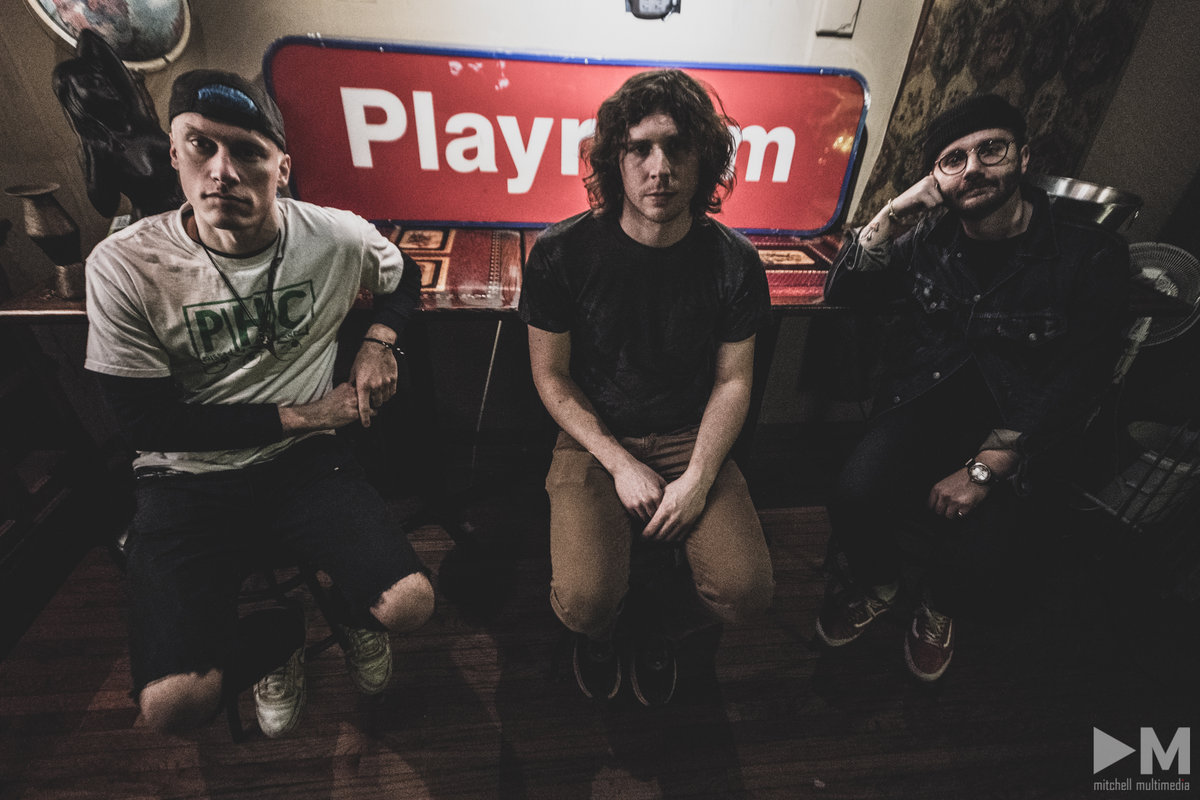
Suddenly, The Jacks make a reappearance, offering five fantastic new songs in an EP released by Mega Dodo. All these songs were recorded between September 2021 and February 2023. However, if you told me they were recorded between September 1976 and February 1978, I wouldn’t doubt it either. In fact, it might have even felt more authentic. To any Power Pop enthusiast, this is the ultimate compliment.
Mitch Griffin shares the story of how one thing led to another.
Could you share the journey of bringing this record to life? How did all the pieces come together to create the final product?
After the Jacks compilation had come out in early 2021, Walter and I began a back-and-forth about other songs we could look at recording. “I’ll Always Love You” was the last new tune we had in our setlist back in Cleveland, OH in the Summer of 1978 when we performed as Tulsa Jacks. Oddly enough, it was a song that was forgotten until we brought it up. The only existing performance of this song is by a post-Tulsa Jacks group, The Debonaires. Walter, me, and future Jacks bass player, Stan Lukken on Vox organ. John Bewley, who figures in the whole pre-Jacks history going back to 1971, plays bass. There is a raucous live tape of the performance from March 1979. So, that song became agenda item number 1. “Where I Should Be Now” was another “lost” tune from Walter. Now we had two whole songs! We then took a look at what we already had in the archive. That archive was built from the work on the Reminder Record label compilation, “Make ’em Cry.” The great Jerry Casey tune, “Help Yourself,” was then mixed and included. Another “lost” track was excavated, Walter’s “Touch And Go For Broke.” This was a song that had no vocals, just guitars, bass, and drums. I replaced the drum part and did most of the vocals. Fun song, kind of a windup! Thanks to modern technology, we were able to finish the song. The CD was not our first choice; we wanted to press a vinyl version, but we felt that getting the music out was foremost. That said, I felt that we needed a “bonus” track. So here it is. Tulsa Jacks with Walter on guitar and “heavy friends” from the “Walter’s Vacation” cassette. Remixed and mastered.
Among the compliments you’ve received, is there one that remains etched in your memory? If so, what made it particularly unforgettable?
Well, this was some time ago when an instrumental version of “Let’s Lie” was included in the compilation, “Barefoot and Pregnant.” The Village Voice music critic, Robert Christgau, called our song at that time the “best post-Beatle instrumental.” This song eventually had vocals by the time the cassette was released.
Among the gigs you’ve performed, which one holds an indelible place in your memory and why does it stand out?
One of the most memorable gigs for The Jacks, at that time called Tulsa Jacks, would be in August of 1978 at the legendary club, The Longhorn, in Minneapolis, Minnesota. We were based out of Cleveland, Ohio at the time. We were there as part of a package featuring two bands from Cleveland, us and The Pagans. We played two nights, a Wednesday and a Thursday. What made it stand out was that we received a much warmer reception than the “headliner,” The Pagans. We found a readymade audience that appreciated our performance. Less than two years later, I would move to Minneapolis.
Looking ahead to the next couple of months, what exciting plans or projects are on the horizon for you?
Can you take us through the creative journey of bringing this album to life? What were the key milestones, challenges, and breakthroughs you experienced along the way? This EP was started in the throes of the COVID epidemic. The challenges are always many when the principals are living 700 miles apart. This, of course, is not unique when it comes to Walter and me. Our 1982 cassette-only tape, “Walter’s Vacation,” was created in some way the same. I was in Oklahoma, September 2021, where we did the guide track for “I’ll Always Love You.” It was very crudely recorded. Walter’s guitar and my 3rd drumset that I cobbled together and carted down to the studio of Jerry Casey in Broken Arrow. We did three takes. Take one was the “one”! Mind you, this was the first time Walter and I had played together since 1991. It was magical. Through the wonderful technology of today, I was able to eliminate my drum track and retain Walter’s guitar part. I re-recorded my drums in my studio in Minneapolis. This was the most successful in regards to being in disparate locales.
American abstract artist and Hawk bandleader, David Hawkins, is set to unveil his third album with the orchestral art-rock supergroup Be, titled “Here.” This captivating release draws inspiration from The Beach Boys’ timeless “Pet Sounds” and is a heartfelt dedication to Brian Wilson. However, listeners can also discern hints of mystical Beatles psychedelia and the intertwined hum of The Velvet Underground among its many influences.
The album “Here” features an impressive lineup of rock luminaries, including Morgan Fisher (known for his work with Mott the Hoople and Queen), Paul Von Mertens (Brian Wilson’s musical director), the legendary drummer Pete Thomas (renowned for his collaborations with Elvis Costello and Elliott Smith), and guest vocals by Gary Louris of the Jayhawks, among others. Notably, the album was mastered and co-mixed by Mike Hagler, who has worked with artists such as Wilco, My Morning Jacket, and Mekons.
David Hawkins shares the story of how “Here” came to be.
Could you share the journey of bringing this record to life? How did all the pieces come together to create the final product?
I wrote most of the album in the fraught early days of the pandemic. Making music has always been kind of therapeutic for me, so when lockdown started I dove deep into recording – as a way to sort through some of those emotions, to go inside myself, and to get away from the news cycle.
I had been listening to Pet Sounds a lot (it’s always been kind of a balm and a place of refuge for me since I was a teenager) and I was moved to tears listening to it one day after reading all the terrible news. The yearning and emotion in Brian’s music was so powerful that it made me want to try to build an altar to it – with my own songs, but influenced by Brian’s arrangements and musical vocabulary.
I spent months crafting the songs – experimenting with different instrument combinations and honing the details. I really went down the rabbit hole – it was so engrossing and cathartic. I would do a lot of my musical parts first and then send it to my friend Randy Morris in Taos, NM to add drums and he would send it back and we’d dive into the next one. (As I went deeper into it, other influences, like the Velvet Underground and the Beatles Indian songs, became apparent.)
Once we had the basic tracks done, I would add more instrument and vocal tracks myself and then send the song to the others (Morgan Fisher in Tokyo, Paul Von Mertens (Brian Wilson Band’s Musical Director) in Chicago, Pete Thomas (Elvis Costello’s drummer) here in LA, Matthew Pittman and Regan Souders – with notes on what I was thinking, and they would record their parts, which I would then incorporate into the mixes as we went. Over time it evolved into a rich, orchestrated work. No one can make music like Brian, so I realize even mentioning him sets it up to pale in comparison, but it’s my way of honoring how much his music has meant to me.
And I’ve never spent this much time making – and mixing – an album before. My good friend Mike Hagler (Wilco, My Morning Jacket) co-mixed the album with me and mastered it. There were so many instrument and vocal tracks that it took us weeks to finally hone it down to a final mix we were happy with and master it. It was really a labor of love (in the best possible way), and it came right when we all needed something to focus on. The music kind of helped us get through that difficult time – and we had so much fun making it. I’ll never forget it.
Was there a particular moment or experience that struck you, signaling that you were onto something special with this project?
We knew from the feeling we had when we were making it that it was something special (at least to us – hopefully to others too). It was such an extraordinary time anyway, and I think the stress and isolation of lockdown made making music even more therapeutic than usual. It felt almost nourishing; like an emotional sustenance or something. The others felt the same way – it really gave us an outlet when we needed it most.
As an artist, the act of baring your emotions to the world is profound. Does this vulnerability come naturally to you, or is it a constant journey of finding comfort?
When I started making music, it was purely a personal / spiritual thing; it wasn’t intended to be public. But my girlfriend at the time really liked my songs and ended up sharing them with (Chicago powerhouse) WXRT and some clubs, and it started getting played and I got asked to play live, so it just kind of started rolling from there. So yeah, it’s a journey of finding comfort with sharing it, for sure. I love making music so much and I guess I’m getting used to sharing it – vulnerability and all – because after every release I hear from people about how the songs have touched them somehow or made them feel something, and that makes it feel like it’s worth sharing. It completes the cycle somehow.
With the record completed and the music released, do you believe the pinnacle of enjoyment has been reached, or is this just the beginning of an exciting phase?
It’s all exciting to me, but I think the big moments for me are when I first write each song – that’s a sacred moment – and again when we finish mixing and mastering the album. By the time an album gets released, I’ve usually moved on in my mind – musically anyway – to the next project.
For me, the doing of it and the making of the songs and records is the thing. Sharing it is really fun too – and the completion of the process, but when I started making music it was mainly for myself, and it still is. Once I’ve captured the song and finished it, that’s the success to me. Like now, I’m in the midst of working on the next album. It’s fun to see everyone’s response, and to re-experience the record through them, but the writer part of me has already moved on.
Among the compliments you’ve received, is there one that remains etched in your memory? If so, what made it particularly unforgettable?
I think one of my favorite compliments was one of the simplest & straightforward ones I’ve ever gotten. I was at Lollapalooza and this guy in the bleachers recognized me from a show we (my other band, Hawk) had just played at the Double Door (club) and he got really excited and started screaming really loud “Dude!! You ROCK!!!” And told his friends “that’s that guy I was telling you about!” You ROCK man!!! Everyone was trying to figure out who he was yelling about and it turned out to be ME! (laughs). My friends thought that was really cool. It was hilarious and it took me by surprise, but it made me feel good, like we were really getting through to people. Music is so powerful that way and I’m really grateful to be able to do it. Thanks for listening everyone, and we’ll see you out on the road!
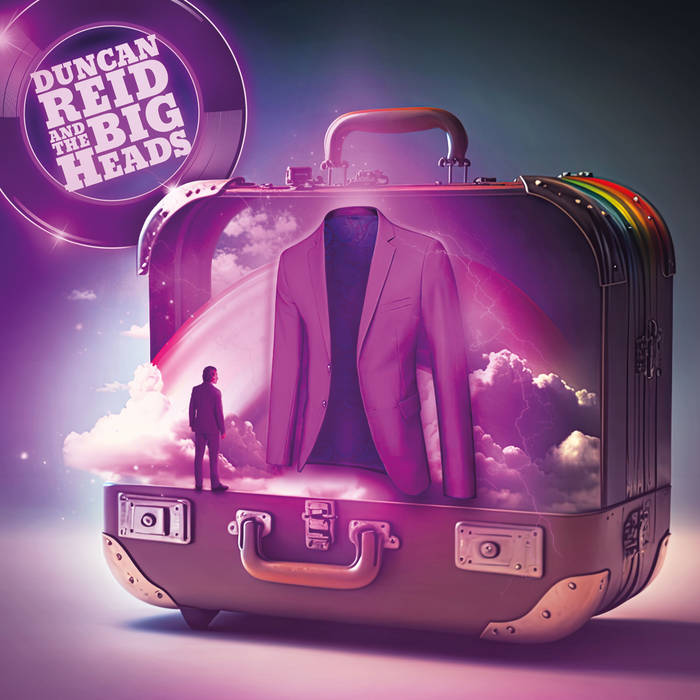
Duncan Reid has officially entered the world of retirement. Just before embarking on this new chapter of his life, he graced us with a final musical gem, fittingly named ‘And It’s Goodbye From Him.’ This remarkable album serves as a poignant conclusion to a rich and illustrious career. Sweet Sweet Music blog recently had the privilege of conversing with Duncan, setting aside his extensive career, which could easily fill the pages of an encyclopedia, to focus on the resounding success of ‘And It’s Goodbye From Him.’
Could you please share the journey of bringing this record to life? How did all the pieces come together to create the final product?
During lockdown, I published a daily video diary where I wrote a song from scratch. It’s the most popular blog I’ve ever published, and it’s worth taking a look at here because it pretty much shows the process by which I write all my songs. I start with little snippets of tunes I’ve sung into my phone (if I don’t capture them right away, they’re gone forever), putting the clips together like a jigsaw puzzle, and then building them up in my home studio.
Was there a particular moment or experience that struck you, signaling that you were onto something special with this project?
Every album is a journey through insecurity; “Will this be good enough?” is my constant companion. But every time, as we get closer to completion and especially during the final mix, I’ve thought, “This is great,” and for a month afterward, it’s like a newborn baby that you can’t stop looking at. Even if no one else heard them, it would be worth making my albums for the enjoyment they give me.
But you don’t know until it’s out there whether it’s any good, and this time, the reception has been universally unanimous. Everybody loves the album and has said it’s the best thing to come out of my career. That makes me so happy.
The decision to seek opinions on your new songs is intriguing. When did you realize that external perspectives could contribute to your creative process?
Finishing the demos in my home studio is as, if not more, exciting than recording the actual master. So I love to play my new songs to friends and family. I think I’ve only changed a song once as a result though, which is when I played the precursor of “C’mon Josephine” to Andrew Matheson (previous singer in The Hollywood Brats and writer of the highly recommended book “Sick on You”). He correctly said, “No, no, no. The song’s too long, and the lyrics are miserable.” He sent new lyrics and told me where to cut the song. He turned the song into the uplifting success it is.
Success can take on different meanings as time goes on. When envisioning success for this new record, what does that picture look like now?
I’ve retired, so the record is already successful for me with all the praise it’s received. I don’t need it to build a career or anything like that, which is a very happy place to be.
Within this collection, do you feel that the best song you’ve ever written finds its home? If not, what distinguishes this record’s essence from your prior work?
That is the classic “Which of your children is your favorite” question 😊 Really, it’s not for me to say. Everyone has a different opinion as to what is my best song, and they are all right!
But I’m very, very proud of “Would I Lie to You” because of its craft. It’s unlike anything else I’ve written – deliberately. A waltz inspired by 1930s German cabaret with an incredible arrangement. I feel it demonstrates that I can write anything if I want to.
As an artist, the act of baring your emotions to the world is profound. Does this vulnerability come naturally to you, or is it a constant journey of finding comfort?
There’s been a long tradition of writers from Ray Davies through Ian Hunter to even Abba and Taylor Swift who have used their own emotions and life as the material for songs. I’m very much in that tradition, although I’ve also written songs like “It’s Going so Well,” which are made-up stories.
But my own life is a constant source of rich song material. It sometimes takes bravery and honesty to use it. When I first started playing my own songs live, I thought, “Are people going to find it soppy when I sing about my children?”
In fact, most of the audience has children as well, and they connect with it. I thought long and hard about “Lost Again,” the song that describes my thoughts when I discovered I’m autistic. Did I want the world to know that? But it didn’t take long to decide: “Why not.” It was life-changing for me, and hopefully, describing my journey will help others.
Imagine you could collaborate with three co-writers of your choice for new songs. Who would you select, and what qualities or dynamics draw you to them?
Paul McCartney. I’m so in awe of his talent. There’s so much I’d want to learn from him: songwriting craft, backing vocals – the lot. But the man who once wrote stunning lyrics like Lady Madonna, Fool on the Hill, Eleanor Rigby, Penny Lane, For No One, Another Day…etc., hasn’t written a great lyric in years. I could do that for him.
Peter Green. “Man of the World” is the saddest song ever written, and, like Otis Redding, I feel Peter Green was on the edge of true greatness when his talent was ripped away. Imagine working with that guitar artistry and arranging ability if he hadn’t taken the fateful tab of acid which fried his mind.
Mutt Lange: from the Boomtown Rats through Def Leppard and Shania Twain, he’s had the ability to get the best out of writers and make their records sound amazing. It would be interesting to hear what he would do to mine.
Among the gigs you’ve performed, which one holds an indelible place in your memory, and why does it stand out?
There have been so many, but playing the Clash City Rockers bar in Montevideo, Uruguay, is one of them. We opened with “Montevideo,” and the place went wild. They never stopped. As usual, it was a late night there.
Defining a song’s completion can be elusive. How do you determine when a composition has reached its final, ready-to-record form?
Can’t tell you. It’s a bit like an elephant. You can’t describe it, but you know it when you see it.
Striking a balance between experimental artistry and commercial appeal is a challenge. How do you navigate this dynamic within your music?
I don’t. I write and record for myself, doing exactly what I want to satisfy myself and not worrying about the rest.
Lyrics often carry profound meaning. Are there particular lines you hope listeners will always remember from your songs? If so, what’s the significance?
My favorite lines I’ve written are the funny ones. Like from “To Live or Live Not”:
“Gonna catch the first plane to Caracas, why go somewhere that’s way too safe, gonna find a girl who plays maracas, gonna ask her out with all her mates.”
Or from “It’s Going So Well”:
“I had a bet on the horses, which all ran like tortoises” – I am so proud of that rhyme! 😊
But overall, I’m very proud of my lyrics, and I think there are many deep ones. Singing with the Beach Boys on the last album is touching and clever, I believe. “That’s Just the Way It Is” about the dancing man of Hamilton is another. There’s plenty for people to sink their teeth into.
Can you recall the last instance when you felt the immediate certainty of having penned a hit song?
No, I never have. The popular taste left me way behind years ago. I’ve written many songs that should have been hits but won’t be because I hate the modern “hit” sound. It’s soulless, but then I sound like my dad!
With the resurgence of cassettes, imagine curating your inaugural mixtape. Which five songs would be must-adds and why?
“God Only Knows” – The Beach Boys. So achingly beautiful with the Beach Boys’ backing vocals. The first hit to have God in the title. Revolutionary in middle America at the time.
“Wicked Games” – Chris Isaak. The reverb and atmosphere! I’ve tried to recreate it but failed.
“Happiness” – Goldfrapp. I think synths are great. This is a great tune and a great arrangement. I’d like to tinker with the lyrics. It could be much better.
“I Wanna Be Sedated” – The Ramones. Has to be one Ramones song at least, and this is one of their best.
“Mama We’re All Crazy Now” – Slade. Takes me back to when I was 13. What a live band.
Performing music before an audience holds a unique allure. What aspects of this experience contribute to the excitement and enjoyment for you?
It’s hard to explain, but I feel audiences, and when you are good, you can feel you are good from the wave of enjoyment coming back from them. It’s like nothing else. I’ve spoken to footballers who describe the adrenaline rush of the crowd going wild when they score a goal. It’s like a steady, longer, more drawn-out version of that. The feeling of a collective smile.
The other side of the coin is when you are bad; it feels like the air escaping from a punctured tire!
While you can’t dictate how people interpret your music, are there specific elements you wish to highlight that set your songs apart?
Someone today said my songs are dark but funny. I’m not sure I agree, but there is a lot of humor in them.
Among the compliments you’ve received, is there one that remains etched in your memory? If so, what made it particularly unforgettable?
I only heard this years later, but TV Smith told my friend Vom Ritchie (Drummer with Die Toten Hosen) after I left The Boys, “You can replace a bass player, but you can’t replace a Duncan.” I was so touched by that, as we are all always seeking validation for what we do.
Studio moments often hold a touch of magic. Could you recount an instance that stands out as the most enchanting during your creative process?
Again, there are so many, but I remember one because it was recent. There’s a track on the last album called “The Gilded Cage.” While we were mixing it, producer Dave Draper stuck a single, low, huge grand piano note at the very end of the intro. It was like a thousand volts of electricity going up my spine. It transformed the part. I named it “the note of genius” and insisted he repeated it elsewhere in the song, including at the very end. Incidents like that are magic.
Where do you see yourself situated within the broader landscape of the music industry? How do you perceive your unique role and contribution?
There aren’t many who sit in that power-pop-punk space. Too pop for punk and too punk for pop. It’s lonely at times, but I like it.
Envision recruiting three singers to provide harmony vocals on your next record. Who would you invite, and what qualities do they possess that resonate with you?
Brian Wilson, Paul McCartney, and Freddie Mercury. Now, what would those backing vocal geniuses come up with? A total mess probably! 😊
With the record completed and the music released, do you believe the pinnacle of enjoyment has been reached, or is this just the beginning of an exciting phase?
It’s the end of the end. Maybe one day, a toilet roll advertiser will realize what a genius I am, and a song will be broadcast to the world that will make millions rush to Spotify to listen to more, and I’ll earn £25.49. You never know?
Looking ahead to the next couple of months, what exciting plans or projects are on the horizon for you?
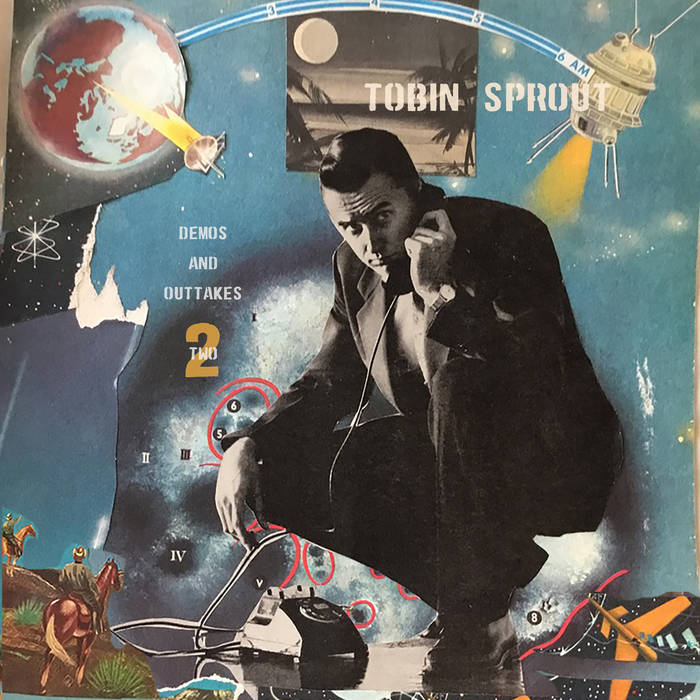
Last summer, while enjoying my holiday in Norway, I had the pleasure of rediscovering “Moonflower Plastic.” After countless listens, my craving for something new was at its peak, and my wish was promptly answered. “Demos And Outtakes 2” had just been released, featuring 28 unreleased demos, live recordings, and alternate versions of songs spanning Tobin Sprout’s musical journey from his first solo album, “Carnival Boy” (1997), to his latest LP, “Empty Horses” (2020). Tobin Sprout, the former Guided By Voices guitarist and co-songwriter, guides you on a mesmerizing, dazzling, and delightfully unpredictable tour through his musical history.
Could you share the journey of bringing this record to life? How did all the pieces come together to create the final product?
The project began as a compilation of songs I had accumulated over the years. Some were newer ones that didn’t initially resonate with me, while others were discoveries from cassette tapes from my days with GBV and my early solo career, such as the Carnival Boy demo. I continued to stumble upon songs that had been shelved or forgotten over time, and I added them to this collection. I also included piano versions of songs. From time to time, I’d listen to them and realize they had a life of their own. I saw no reason to re-record them, so I started arranging them in an order that appealed to me, and it ultimately became “Demos Two.” I condensed it down to two LPs.
Was there a particular moment or experience that struck you, signaling that you were onto something special with this project?
There were moments, or I should say, there were moments. I distinctly recall revisiting some songs and wondering why I had discarded them, like “The Boy Who Knew Too Much.” It must have been written during a bad mood or something. When I rediscovered it and listened again, I was genuinely surprised as to why I had tossed it. Others were simply experiments that I didn’t feel fit or wasn’t satisfied with at the time, but later, I wondered why. Most of the piano versions were also experiments, exploring how the song transformed with just piano and vocals.
Success can take on different meanings as time passes. When envisioning success for this new record, what does that picture look like now?
Initially, when I assembled this LP, I saw it as something akin to a bootleg. Consequently, I didn’t include much beyond the cover and LPs. However, I believe it has evolved into something more than that. I’ve seen people express interest and curiosity about the origins and history of these songs, such as how, when, and where they were recorded. Therefore, I plan to compile information about each song, accompanied by one or two demos that didn’t make it onto the album.
Among the gigs you’ve performed, which one holds a lasting place in your memory, and why does it stand out?
The performance in Toronto, Canada, on November 18, 2021, at The Monarch Tavern, stands out prominently. The entire tour had its share of challenges, with venues reopening after the Covid pandemic. Crossing into Canada required extra effort, but the show was sold out, and I heard it might have even been oversold. The venue was packed, and the energy of people emerging from lockdown lifted everyone’s spirits. The night flowed seamlessly, and we had hit our stride, being well into the tour. It was an incredibly enjoyable, warm, and exciting evening. The audience was fantastic to perform for—positive, responsive, and jubilant. Additionally, the room had excellent acoustics. I often reflect on that particular show.
Looking ahead to the next couple of months, what exciting plans or projects are on the horizon for you?
I’ve recently released “Demos and Outtakes Two” on my label, Petrified Fish, and in collaboration with David Newgarden’s label, Persona Non Grata. We are finalizing an EP of my daughter’s, which will also be released on Petrified Fish, and an LP of my son’s, also slated for release on Petrified Fish. Furthermore, I’m in the process of writing songs for a Bevil Web EP, which will be followed up by a solo LP at some point.
I’ve also reissued my children’s book, “Elliott.” The book had gone out of print with the original publisher, but I regained the rights to “Elliott.” I’ve given it a fresh look with a new cover and additional artwork. Alongside my musical pursuits, I’m still actively engaged in painting and other art projects. I’ve been experimenting with AI, incorporating my artwork and observing how it transforms and reinterprets it. It’s fascinating and somewhat unsettling at times, but AI is an enduring presence, so it’s worth exploring its potential and direction in the art world. Art remains one of the few realms where AI can’t replicate the originality of human hands on canvas, and that’s a testament to the uniqueness of artistic creation.
On November 3rd, anticipate the release of “In The Black,” the latest album by The Lunar Laugh, courtesy of Big Stir Records. Already gracing our ears is the enchanting single “Born Weird.” The band’s musical prowess has been on display across three albums, and this one, the fourth, stands out as their finest effort yet.
However, their consistent excellence across their discography has always been a delightful feast for the ears. Don’t take their talent for granted; The Lunar Laugh deserves your undivided attention. Mark November 3rd on your calendar and set a reminder to have “new The Lunar Laugh on Repeat.”
In a recent exchange, Jared Lekites shed light on The Lunar Laugh’s exciting new journey and what lies ahead.
With this fresh collection of songs, how do you envision connecting with both your existing fan base and new listeners? Are there specific emotions or messages you hope they’ll resonate with?
I would hope our fan base isn’t the type to expect a certain type of sound from us. I do think that our fans expect a certain level of quality in our work that we take the time to build from the ground up. Overall, I would hope what comes across in the new songs is that we enjoyed making them. Our last studio album was in 2019, so we also wanted to make sure it was an album worth waiting that long to hear.
Within this collection, do you feel that the best song you’ve ever written finds its home? If not, what distinguishes this record’s essence from your prior work?
“Stranger Than Oz” is probably my favorite of the songs I wrote on this album. I would rank it among my personal best work. I also think “Born Weird” and “So So Long” might be the best co-writes I have had the pleasure of sharing.
Imagine you could collaborate with three co-writers of your choice for new songs. Who would you select, and what qualities or dynamics draw you to them?
If we are talking in the realm of famous and well-known, I’d love to work with Annie Clark, AKA St. Vincent, because I love how she structures, or rather de-structures her songs. Harry Styles because I truly dig his songs, and I would be happy to help in his fledgling career in the music business. I’d also like to work with Willow Smith, who has a lot of talent and I am super impressed by. I am trying to stick with writers that I feel have more of a youthful appeal. But I’d also be up for writing with Paul McCartney in the worst way.
Among the compliments you’ve received, is there one that remains etched in your memory? If so, what made it particularly unforgettable?
When we played a show in Burbank a while back, Stephen Kalinich happened to be in the crowd. I made it a point to go up to him and introduce myself after the show, and I, of course, told him how big a fan I am of his work, particularly with Dennis Wilson of The Beach Boys. I named “A Time To Live In Dreams” and “Little Bird” as two favorites. Without a blink, he was quick to tell me that he loved my song “Work In Progress.” That blew my mind. This guy is a genuine poet who has walked alongside giants in the business. I will never forget the grace he showed to me in that moment.
Lyrics often carry profound meaning. Are there particular lines you hope listeners will always remember from your songs? If so, what’s the significance?
There are a few on this album, but there is one line in “Born Weird” that says, “Influencers you follow will fall out of style and wind up as dust collectors on a shelf.” It was actually a line that I had written in one of my older legal pads from around the time I was writing the songs that wound up on the Mama’s Boy album. I like it when you go back to something you wrote a while ago, and it has seemingly more significance now than it did then. That happened again in the song “Picture Perfect.” Campbell and I wrote that before the pandemic and before my father and brother passed away. But the lyrics took on a completely different bend by the time we reached the end of making the album. It was a bit prophetic in an odd way.
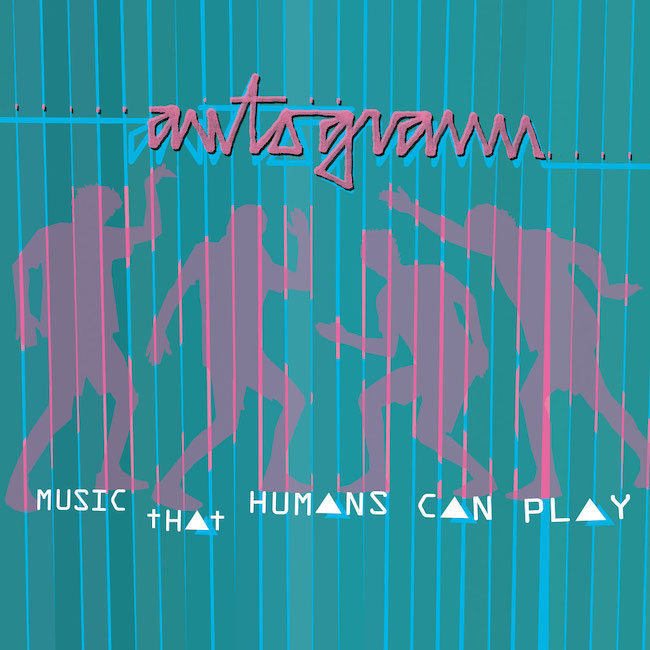
On November 17th, Stomp Records (US) and Beluga Records (EU) will release ‘Music That Humans Can Play’ by Autogramm, a synth-driven power-pop band hailing from Seattle, Chicago, and Vancouver.
A synth-driven power-pop band? Yes, you will hear influences from class acts like The Cars, The Go-Go’s, Gary Numan, 20/20, and Devo.
The release of the album was far from guaranteed; CC Voltage elucidates the process behind it.
Could you share the journey of bringing this record to life? How did all the pieces come together to create the final product?
It was almost never meant to be. We had been considering ending the band in 2022. Jiffy had gotten sick of playing keys/guitar and being the lead singer, and we weren’t sure what we were going to do. We had kind of lost steam over the pandemic, and everyone was doing new bands or jobs, having kids, etc. The idea of bringing Lars from Bread & Butter into the band came up, and everyone got very excited again. Fresh blood! We shared about 12 songs with each other between Chicago, Seattle, and Vancouver and then literally learned all of them the week before we hit the studio. A couple didn’t make the cut, and a couple were written on the plane while Josh was flying from Chicago. We laid them all down at a great studio in Vancouver during a heatwave. I remember more about the barbeques, my newborn daughter, and our beach hangouts than I do about the recording itself!
Was there a particular moment or experience that struck you, signaling that you were onto something special with this project?
I think we had the fear of looking like a tacky 80’s revivalist band, or worse just a crappy cover band. Our drummer, The Silo, has a couple studios and loads of vintage gear, so it wasn’t hard for him to dial in a very authentic sounding dynamic for us. We also started the band being very selective about the influences we tried to emulate. I feel like the moment we started doing shows and releasing music was the moment that I realized we were onto something. People really gravitated to it. I think we pulled it off our original vision for the most part!
Success can take on different meanings as time goes on. When envisioning success for this new record, what does that picture look like now?
Success has never meant more than a free vacation to me. I love to get out and meet new people anywhere in the world. If my band offers me that opportunity, then I think it’s totally successful. I guess as I get older, I start thinking about the royalties more, and those have been better with this band. I mean, it doesn’t put food on the table, but maybe a nice dinner out once in a while!
Imagine you could collaborate with three co-writers of your choice for new songs. Who would you select, and what qualities or dynamics draw you to them?
Well, this is kind of happening right now. I have a project for a kids’ album in the works with the drummer of Tricky Woo (if you don’t know, you should listen to the album “Sometimes I Cry”) and the drummer from Bread & Butter. I’m excited to get this started, but it’s been taking a long time to actually put it in motion. Everyone is busy with bands and families, and side projects are getting harder and harder to commit to. Seems like the world is twice as busy as it used to be.
Among the gigs you’ve performed, which one holds an indelible place in your memory, and why does it stand out?
I think playing in Bilbao in 2004 was the high point in my music career. I had rejoined the Black Halos, and we were invited to play Bilbao Rock Accion just before Danzig on a Saturday night. It was INSANE. I can’t tell you the stories publicly, but I certainly got to experience the excesses of rock and roll on that trip! Haha. That was the last time I got to see Kike (RIP) of Safety Pin Records. He was a champ, and I miss him.
Looking ahead to the next couple of months, what exciting plans or projects are on the horizon for you?
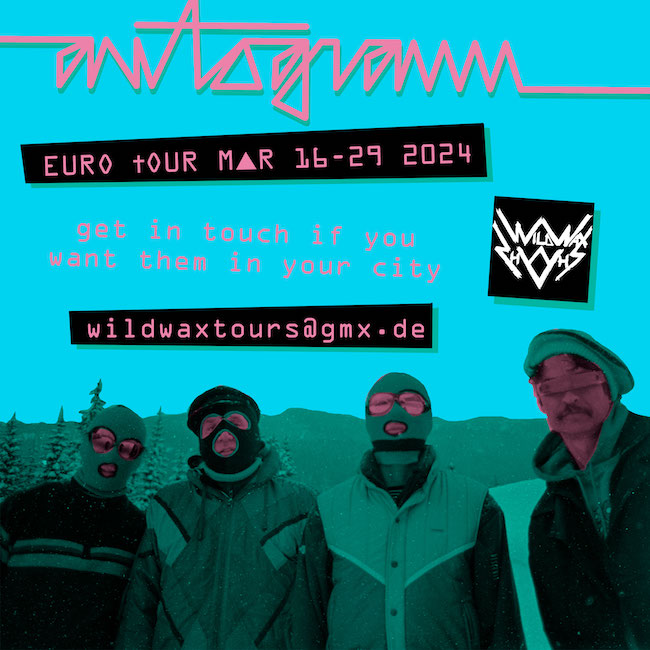
We have a tour that’s being booked for March 2024 in Europe. Get in touch with Wild Wax Tours if you wanna see us in your town! wildwaxtours@gmx.de
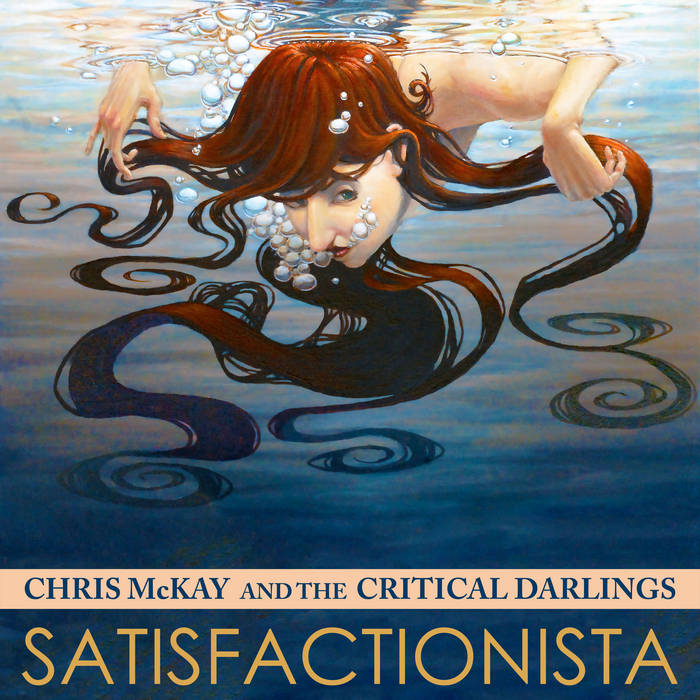
In recent years, I’ve delved into numerous Power Pop albums, keeping a vigilant eye on all the releases out there. Amidst this musical exploration, somehow Satisfactionista, a true piece de resistance by Chris McKay, slipped under my radar. It’s peculiar that this masterpiece isn’t a frequent topic among genre enthusiasts. I compare Satisfactionista to Marc Jonson’s “12 in a Room” because they both exude a classic, lost-in-time vibe with their exceptionally crafted songs deserving more recognition.
“12 in a Room” found its audience within the Power Pop community, appreciating its undeniable brilliance. Now, as I uncover Satisfactionista, I believe the time is ripe for this album to find a broader audience as well. Both albums are absolute gems and should be celebrated; it’s worth noting that Satisfactionista has recently been re-released on vinyl, making it a must-have for any music aficionado. I’m genuinely thrilled to have stumbled upon this hidden gem and to have the opportunity to experience its brilliance.
Could you share the journey of bringing this record to life? How did all the pieces come together to create the final product?
Hi, Patrick. Thank you for taking the time to talk to me and spread the word about Satisfactionista! I hope you’re enjoying the music.
After The Critical Darlings’ first album, C’mon, Accept Your Joy, and the shows that followed, it felt like The Critical Darlings were done. I began looking for a new project and met guitarist and vocalist, Joe Orr. He is the one who actually suggested that, instead of a new project, he would be interested in joining The Critical Darlings. With an extra guitar player and vocalist, it really expanded our options before the original pretty strict power-pop, and interest was rekindled all the way around. It took us a while to find the right drummer for the reinvigorated band, but when we did, it suddenly felt like it always should have. I thank Joe for keeping Frank and me in The Critical Darlings. Without him, there would be no Satisfactionista as we now know it.
Was there a particular moment or experience that struck you, signaling that you were onto something special with this project?
I’m a huge David Bowie fan. When I first heard the song “Aladdin Sane,” my entire sense of the possibilities within music was altered dramatically. The first time I heard it as a teen, I looked over to Amanda (my future wife) and said, “I don’t know who that piano player is or even if he’s still alive, but if he is, we will work together.”
It’s truly surreal to me that it actually happened, but getting Mike Garson to play piano on “Something Unseen” definitely blew the doors wide open. Originally, “Something Unseen,” “An Uncertain Flight,” and “Tonight Never Happened” were going to be on a solo EP since they didn’t really fit the original power-pop style and were a bit more epic. Once we got Joe in the band, though, we let the rules go, and when Joe and Frank heard how the songs were progressing, they suggested we fold them into the album, and I’m so glad they did.
Getting Mike Garson on piano also then led me to get David Barbe (respected producer) on board. He pulled in Drive-By Truckers’ drummer Brad Morgan for “An Uncertain Flight” and “Something Unseen,” which were the first two songs recorded for the album (the first and last songs on the official record, too).
Seriously, I say it often, but where else are you going to hear David Bowie’s most recognizable musician playing with a member of Drive-By Truckers?
When Mike sent me the intro to “Something Unseen” via email and I heard it for the first time, I nearly cried. I’d simply said something like, “I need a piano instrumental about a minute long that starts in B major and ends in D minor to segue between two songs.” I encouraged him to feel free to go all the way back into the feel of songs like “Lady Grinning Soul,” and he came back immediately with that gorgeous intro. I still can’t believe that came from a collaboration in which I was involved. With that, I knew we’d have something special even if no one else ever heard it.
The decision to seek opinions on your new songs is intriguing. When did you realize that external perspectives could contribute to your creative process?
Honestly, some of it was laziness and a way for the band members to not argue amongst ourselves. We had scores of songs and needed to cut them down to 12 or so. We each had our favorites, so we posted demos for everything on the album except “Something Unseen” (which couldn’t be demoed first), along with quite a few songs that may or may not ever be heard. We did voting averages by numbers, and darned if people didn’t come up with an interesting album that would have been significantly different from what we chose. For example, I really didn’t want “Give Up Town” on the record. I was also not very keen on “Scared Of Myself” or “Worms On The Pavement.” I thought some of the other songs were better. I really wanted a song of Joe’s called “Things Got Weird” to make the cut. I think we would’ve done a great job on it, but we all agreed, so we all bit the proverbial bullet and just went with it as is. I still say I was right about “Give Up Town,” though I don’t mind it now. I will readily admit that I was wrong about “Scared Of Myself” and “Worms On The Pavement.” Both of them wound up being live favorites. I don’t know if I would do another completely non-band-members-by-vote thing again, but I know it made Satisfactionista better, and it did keep us more determined and focused without having to worry about those internal disagreements about song choices.
What do you think of “Worms On The Pavement,” “Give Up Town,” and “Scared Of Myself”?
Success can take on different meanings as time goes on. When envisioning success for this new record, what does that picture look like now?
To me, success is about having people hear the music, enjoy it, and for that music to, somehow, make a moment better for the listener. That’s truly about it. If I were more pragmatic, I’m sure I would’ve been more successful on a monetary level, but, for me, it really does come down to the beholder. If the beholder loves it, it’s a success.
I wish it were easier to get the word out there so more people would hear it, but I’m grateful for every person who has tuned into the record and enjoyed it, and I’m glad it’s getting looked over and heard again now.
Within this collection, do you feel that the best song you’ve ever written finds its home? If not, what distinguishes this record’s essence from your prior work?
No, I can unequivocally say that the best song(s) I’ve ever written are not on Satisfactionista. I can, however, say that, so far, Satisfactionista is the best collection of songs I’ve released to date. At the time of its original release, the album certainly would’ve had the best, but I’m honestly not quite sure which “best” that would be. The song I’m most satisfied with at capturing what was in my head versus what came out of the studio is “Sadder Day.” There was a song on the first album called “Phony” that was the band’s most popular live song, but, after Satisfactionista came out, it switched to “Sadder Day” pretty quickly.
As far as my best songs, I just hope my health allows me to release those songs that are waiting to be heard. I have my next album about halfway recorded, and, to me, it’s by far my best collection of songs. If each next record isn’t “the best,” I don’t know if I would bother to make the effort to finish it. Of course, getting a new album done these days is a bit tricky, but I’m really hoping that, sooner than later, those songs will be out there, and I hope you’ll hear ‘em and love them.
As an artist, the act of baring your emotions to the world is profound. Does this vulnerability come naturally to you, or is it a constant journey of finding comfort?
I wouldn’t call it “finding comfort.” “Sadder Day” is sad for me every time I sing it. It was inspired by the death of my father and came to encompass my Grandmother (who died just before Satisfactionista was released and was the reason I play music), an aunt who was struck by lightning and killed during the making of the record, my father-in-law who died right after the album came out, and, even further on, my best friend who died because he couldn’t get the medical care he needed because of the cruelty of the United States health care system. They’re all in “Sadder Day” for me. So it’s not “comfort” at a personal level. It does help if I know that a song reflects what someone else is suffering through and it helps them feel not so alone, but I always feel what went into the song.
That being said, I am pretty wide open emotionally so things are usually easy enough for me to express, even when those expressions may be uncomfortable for myself or others.
Defining a song’s completion can be elusive. How do you determine when a composition has reached its final, ready-to-record form?
I don’t know that a song is ever really done. It just gets frozen in audio amber in a recording studio at some time during the process and, generally, the songs keep evolving beyond that. Even meanings and motivations change for songs as time goes on, and I believe that’s something that happens with both the performer and the audience.
Striking a balance between experimental artistry and commercial appeal is a challenge. How do you navigate this dynamic within your music?
I do my best to ignore those rules. I tend to write songs with hooks, but I’m glad to veer off into something more experimental anytime the mood strikes. I believe some of that is evident on Satisfactionista. The first song even is, really, a mid-tempo ballad, but there are elements of dissonance, and while I hope “An Uncertain Flight” is easy on the ears, I also hope it makes the ears bend on occasion.
Can you recall the last instance when you felt the immediate certainty of having penned a hit song?
Nope, because I’ve never had the luxury of writing a hit song. There are songs that I believe would’ve likely been successful had they been released and promoted by The Music Industry Machine, but “hit” is a strong word for a kid who was raised musically by listening to Casey Kasem’s American Top 40.
On the other hand, I’ve certainly seen moments where a new song is being performed live and the lyric or the music will suddenly hit the crowd and there’s a jolt of a visceral emotion. That’s an incredible feeling of connection with the crowd.
Performing music before an audience holds a unique allure. What aspects of this experience contribute to the excitement and enjoyment for you?
Live performance has always been my communion. Whether I’m on stage or in the audience, for me, it’s about a unique environment where the artist and the audience become this single sprawling symbiotic creature where each influences the other. It’s been a while since I’ve been able to perform live, but it’s been about the only place where I’ve truly felt free and that I’m fully myself.
Among the compliments you’ve received, is there one that remains etched in your memory? If so, what made it particularly unforgettable?
Without getting into specific examples, any time someone tells me that my music changed the course of their lives for the better, that is the best possible compliment. What more could one ask from anything that one does in life?
Where do you see yourself situated within the broader landscape of the music industry? How do you perceive your unique role and contribution?
I see myself as completely irrelevant to the music industry. The industry doesn’t care about me and, so far, I’ve had no reason to care about the industry when it comes to my music. I could’ve gone with a small label to release Satisfactionista, but I didn’t want to cut back on the vision for a few extra dollars.
Looking ahead to the next couple of months, what exciting plans or projects are on the horizon for you?
I just want to be able to be healthy with my wife, my family, and my friends and be able to continue making music. I hope to finish the next couple of albums that I have already written and get them released in a way that I feel will do them justice. That’s the best possible future for me and doubly so if I find myself back on the stage and feeling that wonderful communion.
In the digital age, visual elements are intertwined with music. How did you approach the album’s visual aesthetics, such as album art and accompanying visuals? How do they complement the sonic experience you’ve crafted?
Well, I don’t really worry about the digital age for music releases. It just doesn’t speak to me. When I can, I do full production vinyl releases with art, photos, information, lyrics, credits, notes, and whatever else fits the project’s aesthetic.
Those who buy CDs or do digital downloads don’t really seem to be interested in the tangible qualities of it anyway, so I do it for the true vinyl fetishist that needs something beyond audio wallpaper to ignore. I try to put together a full experience with which one can interact. Of course, I do make digital downloads available, but, for current releases, those downloads come with the purchase of the vinyl with full art.
I’m actually surprised to see how many people feel the same. What I’m providing is expensive to make, it takes a long time, it’s hard to put together, and it’s a lot to ask for that attention from an audience, but if someone wants to really experience it? Well, that’s the only way they really can, in my opinion. I make it for the hardcore music lovers, and anyone else that wants to join in more passively is more welcome, but I can’t say I’m targeting them, if that makes sense.
I do try to make music videos for every song whenever I can. I don’t think they should be necessary, but, honestly, people listen more when there’s a visual. I’m trying to finish up videos for Satisfactionista so there will be one for all 18 songs. The goal is, at some point, to have an official album release party where people can watch The Film Of The Album and actually watch the record!
At the vibrant intersection of Pop Punk and Power Pop, the musical prowess of Jagger Holly, helmed by Jay Dee, comes alive. “Rivoltella,” their latest album, is an exuberant tour de force featuring 29 irresistibly catchy songs.
Could you share the journey of bringing this record to life? How did all the pieces come together to create the final product?
We were coming off a Christmas album and a split 10” with The Windowsill. Two things we had never done. The thought of a double album is a huge undertaking, but I knew we had the songs. So, let’s see what we can do.
Was there a particular moment or experience that struck you, signaling that you were onto something special with this project?
I would say when I was like 14-16 songs in. I knew I had some really good tunes and was writing a few new songs a week. I wasn’t sure if it would become redundant if I wrote 30 songs myself for one record. Could I make them different enough? Or pick my top 14-16 songs and ask Matt if he was also interested in writing half because he had a lot of “not so DeeCrack” songs. So we went for it.
The decision to seek opinions on your new songs is intriguing. When did you realize that external perspectives could contribute to your creative process?
I don’t let anyone, but Matt and Marco hear the songs before we record. If I like it, then I think others will as well. There is zero outside influence on our music. The only time people outside of the band hear it is when it’s totally finished. I will send the masters, of course, to close friends while we wait for it to be pressed. And you will never know external things like our politics or religion because they don’t have any influence on anything…especially our music.
Success can take on different meanings as time goes on. When envisioning success for this new record, what does that picture look like now?
People digging the record and dropping €40 euros/dollars and it selling so well during the pre-sale and selling out when it officially came out was a big deal. It’s been 3 years since we released music. Do people care? Will they spend their hard-earned money? And the most important part for me is after you get the record, do you still listen to it months later? And is it something you go back to? If you do that, then that’s success to me.
Within this collection, do you feel that the best song you’ve ever written finds its home? If not, what distinguishes this record’s essence from your prior work?
You always think the new stuff is your best stuff. I assume most bands do. I like taking chances on tunes. Like the song “Summer Sun” or “Don’t Bore Us” (get to the chorus).
Those songs are different and fun. Not sure how we will pull all this new stuff off as a 3-piece. We will see!
As an artist, the act of baring your emotions to the world is profound. Does this vulnerability come naturally to you, or is it a constant journey of finding comfort?
I never really thought about it. Whatever I write is what’s happening in that moment. Mini time capsules. That’s what albums/songs are to me.
Imagine you could collaborate with three co-writers of your choice for new songs. Who would you select, and what qualities or dynamics draw you to them?
I personally don’t write a lot with others. Not that I don’t want to but more that it never comes up. I was just in the USA and was writing some stuff with the ol’ Spastic Hearts crew. That is always fun. Bob from the Riptides is someone that I will be bouncing ideas off of in the future as well. Suzi Moon/Drew I would love to write a tune with.
Among the gigs you’ve performed, which one holds an indelible place in your memory and why does it stand out?
We played the worst show of my life at a fest in Italy called “Lost Dog Records Fest”. The fest was great. We sadly showed up at 4 pm and didn’t play till 1 am. So, maybe 20 drinks later, it was the shit show of all shit shows.
Some of the best were PRR 2017 was great. Puke Fest 2018. Had some classic shows in Norway with The Prom Dates. Tours in Brazil with Flanders 72 and Nerdy Jug Heads in Japan were great shows. The best Rock club in the world is in Fort Wayne, Indiana called the Brass Rail. We have had some amazing shows there.
Defining a song’s completion can be elusive. How do you determine when a composition has reached its final, ready-to-record form?
When we run out of money, the song is finished haha. You can pick a song to death so when we think we can’t possibly do anything more to make it better- then it’s finished.
Striking a balance between experimental artistry and commercial appeal is a challenge. How do you navigate this dynamic within your music?
We write how we write. I have the feeling of “if you don’t like it then don’t listen to it” change the station. A lot of music out there. I don’t give any thought of writing a certain way. What comes out is what comes out. If you dig it…cool. If not…also cool.
Lyrics often carry profound meaning. Are there particular lines you hope listeners will always remember from your songs? If so, what’s the significance?
Hmmm…I can’t think off the top of my head but The song “Let’s go to the Beach” off of our debut record DJ Free Europe. There is a line that says… “I told my boss I’m never coming back again…the only thing I gotta work on is my tan”.
That’s the way to live.
Can you recall the last instance when you felt the immediate certainty of having penned a hit song?
The Christmas album hit the hardest for me personally. I thought there were some “hits” on that one. I still flip burgers tho so maybe people’s idea of what is a hit is different than mine.
With the record completed and the music released, do you believe the pinnacle of enjoyment has been reached, or is this just the beginning of an exciting phase?
It’s always bittersweet to let the record go. At that point we may have heard it from the first note to the last master check…thousands of times?? Then it’s not yours anymore and everyone is gonna judge what you worked on for the past 2 years. You hope for the best but if I like it then usually everyone that’s into us will dig it.
Looking ahead to the next couple of months, what exciting plans or projects are on the horizon for you?
We have a lot of studio projects ahead. Hopefully some shows. We are always writing, so we are excited to see what direction we go next.
Can you take us through the creative journey of bringing this album to life? What were the key milestones, challenges, and breakthroughs you experienced along the way?
On this one, Covid was the big one as I said before but not a lot of people know that we were never all in the same room making this record. Actually we have never played one single song together. We did demos and rewrites and sent the tracks to our drummer Marco in Italy. He did the drums there near Venice. Then they were shipped to Austria where Matt and I worked on the rest. It was a new experience but we were handcuffed by all restrictions. In the end, nothing was going to stop this record from being made.
How would you describe the evolution of your sound in this new album compared to your previous works? Were there intentional shifts in style or themes?
Nothing intentional but always taking chances on new ways to write. Key changes/tempo changes/new instruments. Trying to keep it sounding fresh but still sounding like Jagger Holly.
With this fresh collection of songs, how do you envision connecting with both your existing fanbase and new listeners? Are there specific emotions or messages you hope they’ll resonate with?
If they like the old stuff then they will like this stuff. At the core, it’s what we sound like just on steroids a bit.
Albums often involve collaboration with various musicians and producers. Could you shed light on how these collaborations contributed to shaping the album’s identity?
We keep it a small group outside of the band. Mike DeeCrack did a lot of amazing backing vocals. Vale from The Nuts sings a duet with me. Studio Marco lent a solo on “Kiss Me I’m Sick”. And our buddy Jonas helped a ton on the first and last song on the record. Everything else though was us 3.
In the digital age, visual elements are intertwined with music. How did you approach the album’s visual aesthetics, such as album art and accompanying visuals? How do they complement the sonic experience you’ve crafted?
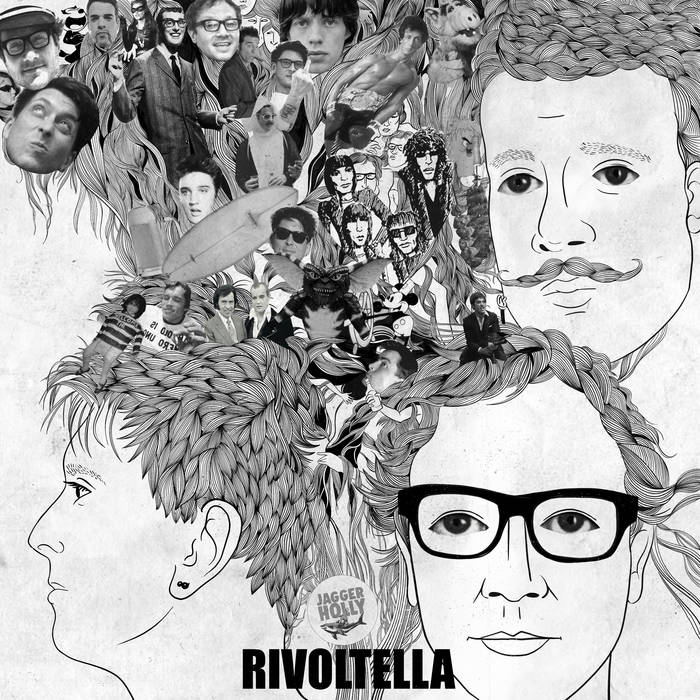
I had the idea to rip off the Beatles “Revolver” cover. Make a version with stuff we like. Came out great and grabbed people’s attention. That’s the hardest part with the millions of bands out there. After that, the music has to win them over.
Good Shade’s latest album, ‘Think Spring,’ is brimming with hooks and infectious choruses. Their sound, reminiscent of Bad Nerves, White Reaper, Lone Wolf, and Local Drags, channels the essence of Power Pop Punk. It’s great!
Shane Natalie has a few thoughts to share about it as well.
Could you share the journey of bringing this record to life? How did all the pieces come together to create the final product?
Everything that I do starts off as a little recording idea on my phone. I generally start to compile ideas that are anywhere from 5 seconds to 2 minutes, recording them as they pop into my head and then walk away from them. Sometimes they are full verses or choruses but rarely an entire song. I like to go back through the ideas and categorize them by key. That makes it easier to combine certain ideas if I can’t go back through and finish an idea if I’m stuck.
After I have a “finished” thought, I take it to the computer to lay down a scratch guitar track with a click track that is mapped out if there are any tempo changes throughout the song. I then go through the fun but the annoying process of miking all of the drums and lay down drum tracks to the scratch guitar and click track, trying to make it all the way through the song if possible without having to cut things up.
Then it’s time to scrap the scratch guitar and record rhythm through amps. Once those are done, I put down a scratch vocal track, then write and record bass that doesn’t clash with the vocal melody, redo the vocals, add lead guitars/synth, etc, backup vox, and then mix!
Takes quite a while when you’re doing it yourself haha.
Was there a particular moment or experience that struck you, signaling that you were onto something special with this project?
Before this project, I was recording everything with an M-Audio Profire 2626 interface with no outboard gear. It was just a computer, an interface, and a lot of plugins during the mixing process. I hadn’t been a gearhead and knew nothing about signal flow, gain staging, or really any of the ins and outs of incorporating outboard gear into a hybrid workflow.
During lockdown, I started to obsess over outboard compression, EQ, saturation, etc., and started reading a lot about it and texting my buddy Bobby about it a lot because I really wanted to try to incorporate these elements into the recording process. I started buying preamps, compressors, EQs, 500 gear, saturation boxes, etc., just experimenting with different things and selling what I didn’t like and replacing it with what I thought I could use.
After what was an excruciatingly frustrating process, I feel like I got to a comfortable place where I could seamlessly use this gear to record myself. That particular special moment was definitely spending all the time obsessing and tweaking knobs to a point where once something was recorded, I could play it back, and it sounded like it was mixed on the way in. That’s a really cool feeling to feel like, “Oh shit, this sounds better than anything I’ve done, and I haven’t mixed anything or added any plugins.”
Success can take on different meanings as time goes on. When envisioning success for this new record, what does that picture look like now?
I think when you’re a younger musician, it’s natural to think success is going to be when you’re making money on music and lots of people are really into it. Don’t get me wrong that would be a cool thing, but for me these days, success is just finishing a project and not hating it in the end.
When you’re doing stuff by yourself, I feel it is easy to get wrapped up in the subtle nuances that a general listener is never going to notice. You start being super picky about things, and there are limitless possibilities to what the end result could be. Getting to a point where you can say, “OK, this is good, and there isn’t much more that I can do to change this, AND I like it,” is to be a successful feeling. I have so many unfinished projects by myself and other people, so any finished product is a success.
As an artist, the act of baring your emotions to the world is profound. Does this vulnerability come naturally to you, or is it a constant journey of finding comfort?
Being lyrically vulnerable and frankly being lyrically proficient is something that I feel like I always struggle with as an artist. I do feel like this is the first time I have ever written and recorded lyrics that feel potentially relevant to other people and are mostly transparent.
I’ve always tried to hide behind lyrics, writing things that are cryptic and vague, meaning something to me, but other people may think, “What the hell are you even talking about?”. This is definitely a constant journey for me, and I hope with each record that, I become more confident in my lyric-writing abilities. I’m a pretty terrible reader, so I feel like, by default, my writing abilities suffer as well.
Among the gigs you’ve performed, which one holds an indelible place in your memory and why does it stand out?
Oh man, the gig itself was not great, but when I read this question, there was one particular show that came to mind, at least with this band. In 2019 we were on a month-long tour, and we came through Missoula, MT on a Sunday night. It was a ghost town. Nothing was open; no one was around. We had a show scheduled through someone I had randomly hit up through Facebook or Instagram who seemed to be involved in booking shows. The show was booked at a beautiful, huge Federation of Eagles hall that was built in 1899. The stage was red-carpeted, multi-tiered, and would be comfortable housing a Glen Campbell-style big band band with multiple sections camped on each tier. The only people there were a family who consisted of a couple that used to be married, had kids, and now are divorced but are still friends with each other and their new spouses.
The bands were just different iterations of these folks playing anything from Rancid covers to rockabilly love song covers for each other. We still had a great time and sold some merch to these folks but come 8:00, it was closing time. We figured the guy who booked the show would let us crash at his place, but they had promptly left, leaving us nowhere to stay. Missoula is extremely close to Glacier Ntl Park (which we had been to earlier in the day), and it being July, it was peak tourist season. That being said, we looked up hotels that were a minimum of $400-500 for one night which was not going to happen if anything was even available. While we were loitering, killing time, not knowing where to go, some random guy came rolling up to us on a skateboard, asking if the show was over. He said he had been watching a feed on Facebook live and decided to skate on down to the show. Seeing that it was over and we had no place to go, he offered for us complete strangers to come and eat and stay at his house that night. It was this random act of kindness that really stuck out to me more than any show I’ve played. Such a random night.
Defining a song’s completion can be elusive. How do you determine when a composition has reached its final, ready-to-record form?
Elusive, so true, haha I’ve honestly never had the opportunity to record in a studio, have someone else say, “That was good, let’s move on,” or had a timeline for completion on anything I’ve done. I think these parameters would probably assist in feeling like you HAVE to finish something and probably push people to try their hardest for time and money’s sake.
I feel like anyone who records themselves understands that there is a mind-numbing amount of time and energy going into constantly changing things throughout the process, and the key has to be just knowing when to call it. For me, there is no “ready to record it” form since it’s generally all going in recorded as its first form.
I don’t sit around my house playing the songs as I maybe should; instead, I just start throwing things into my phone and computer and see where the process takes me. The hard part is knowing where to stop, but I do think having outboard gear and settling on the mindset of, “ok, I’m going to obsess on what it sounds like going in, and whatever happens, I’m keeping that” prevents that burnout of relying on polishing a turd down the road. That’s where you can really lose the magic of creating music.
Lyrics often carry profound meaning. Are there particular lines you hope listeners will always remember from your songs? If so, what’s the significance?
I don’t really have specific lines that I hope people will remember as much as I hope that by becoming more confident with my lyric-writing abilities and by being more vulnerable, lyrics will resonate with people and be as meaningful to them as they are with me.
Performing music before an audience holds a unique allure. What aspects of this experience contribute to the excitement and enjoyment for you?
To be completely honest, playing shows causes me more anxiety and fear these days than joy and excitement. Don’t get me wrong, I still like doing it, and maybe if I did it more frequently, those feelings would subside, but pretty much any time there is an upcoming show, I am freaking out beforehand and can’t wait for it to be over with. I would ultimately love to have more frequent practices and another guitarist playing live in order to create a more in-depth live performance and not just a fast, 3-piece punk set.
Among the compliments you’ve received, is there one that remains etched in your memory? If so, what made it particularly unforgettable?
I think one of the biggest compliments an artist can receive is when people are singing along to your songs because they’ve taken the time to engage with the lyrics, and it must mean something personal to them in order to be chanting them back at you while you’re playing. This is such a small, under-the-radar project that I can count on one hand how many times this has happened, but whenever it does, it is such a cool feeling that I appreciate so much.
Studio moments often hold a touch of magic. Could you recount an instance that stands out as the most enchanting during your creative process?
After spending years learning how to navigate all of the outboard gear I’ve accumulated and learning how to patch everything together, gain stage it, combine it with other gear, and experiment with different sounds, it is truly rewarding to be able to listen back to something you just recorded and feel like it is sonically ready to be put out into the ether. So much of my previous recording processes were spent on thinking, “I’ll fix that later,” and while I don’t think having outboard gear is necessary with today’s technology and emulation software, it’s fun to use, and I feel like it gets one to a finished product closer without the reliance on plugins.
Where do you see yourself situated within the broader landscape of the music industry? How do you perceive your unique role and contribution?
I currently see myself more as someone who would rather assist others with their projects by recording them. I’m going to keep recording my own music, but I don’t have much interest in grinding and grinding the way a lot of people are out there doing it in order to reach some kind of musical success. I’m happy with my music and am always open to growing and expanding the audience of who hears it, but I’d like to do so in a way that is honest and feels right for me.
With the record completed and the music released, do you believe the pinnacle of enjoyment has been reached, or is this just the beginning of an exciting phase?
That’s really hard to say. I go back and forth sometimes about this because that’s just kind of the nature of the beast. I feel stupid about it, but sometimes I think, “Man, I spent so long on that, and no one gives a shit about it,” but then again, I’ve received some really nice feedback from people that I either don’t know or people that I know and respect their opinions more than anything.
My initial thought was disappointment based on numbers that I can see in relation to streams, audience, etc., but I think I need to remember that the enjoyment should be in the writing and recording process, not who hears it.
That being said, I can say that I feel really lucky and grateful to anyone who has been kind with regard to this record, and there are hopefully some cool things to come in the not-too-distant future 🙂
Looking ahead to the next couple of months, what exciting plans or projects are on the horizon for you?
I’m currently working on some demos to give out to someone who has expressed interest in hearing what I’ve been working on next. I would love to see where that takes me if they are interested in the new material, but at the end of the day, I’m just excited that they are interested in the recording and want to hear more. It can feel deflating when you finish an album, but this puts wind in my sails, and I’m excited to just keep rolling with my music endeavors.
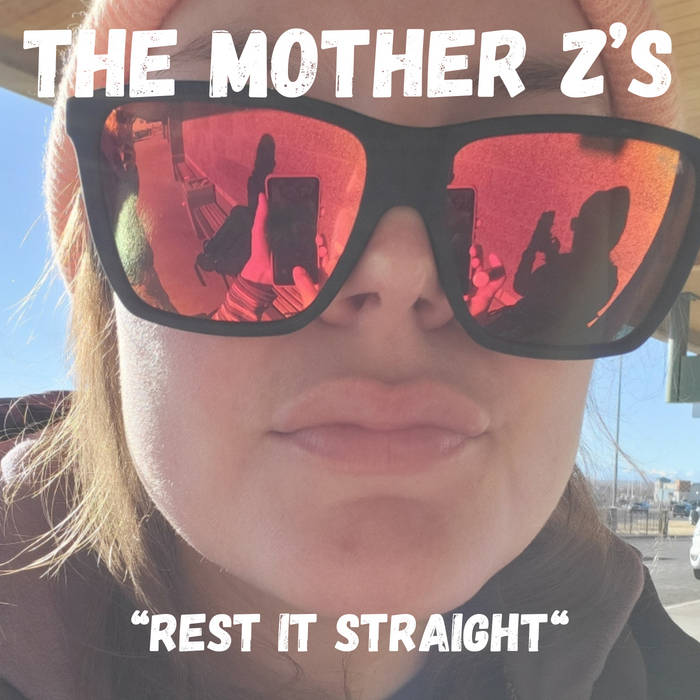
‘Non, Merci!’, the inaugural track of ‘Rest it Straight,’ the fresh EP by The Mother Z’s, has ingrained itself in my mind with its irresistibly catchy tune. It’s been a constant dance in my thoughts for weeks. This song weaves a tale of the struggle to utter the word ‘no,’ enveloped in an infectiously lively DIY Guitar Pop melody, further enhanced by its evocative French title. These elements combine to form a delightful prelude to the EP’s remaining five songs, all of which exude the same infectious joy.
Andy and Becca Palmer, the sibling duo making up The Mother Z’s, embarked on their musical journey with a vision to blend Punk and the Motown Sound. This journey has now resulted in an amazing new EP that I highly recommend to any enthusiast of quirky, playful, and melodious pop music.
Could you share the journey of bringing this record to life? How did all the pieces come together to create the final product?
Andy: We were inspired to make this record for a few reasons. First of all, it’s been 10 years since we ended the Z’s in 2014, and a lot has happened since then, both in our personal lives and in the world! Becca moved across the country, and we both got married and had kids… a lot has changed, and that’s not even mentioning anything that’s happened in the world since then. I was actually writing these songs with the Z’s in mind between 2021 and early 2022 – still very much during the pandemic. I think the pandemic – like for a lot of people – got both of us reflecting on the past and thinking about the (uncertain) future. I was looking back and remembering good times when Becca and I were playing shows and able to spend time as siblings and as bandmates as The Mother Z’s.
The Mother Z’s have always been about fun and resilience, so I was inspired to write in that vein as a reaction to an atmosphere of negativity and fear that I felt had been all around me, really since 2016. I was just tired of it and wanted to kick off the sheets, so to speak, and do something fun. My wife was pregnant, and I had all of this hopefulness in spite of the pandemic, etc., that I wanted to express, while acknowledging the not-so-good things and the uncertainty I felt. The title of the album, “Rest it Straight,” encapsulates this idea too. The phrase is an inside joke between Becca and me that stems from a panicked kayaking trip. It basically means to hang on, stop paddling, and let the current take you for a minute, even if you feel uncertain.
I tend to write differently for The Mother Z’s than when I’m writing songs for my solo project, and I think it just made sense to bring back The Mother Z’s – one of the most fun projects I’ve been a part of with one of my favorite people in the world – as a way to do something positive and hopeful… the only catch was that Becca had moved across the country from Chicago to Portland, and she was pregnant by the time we decided to record. So, we had to figure out a way to record remotely. I recorded my parts in my living room in Chicago and sent Becca the tracks. In a race against time, before her son was born, Becca recorded her parts in her coat closet in Portland, OR. We mixed her tracks together and then sent each completed track to Sumthins Recording in Joliet, IL, for final mixing and mastering. We’re pretty happy with how it turned out!
Among the gigs you’ve performed, which one holds an indelible place in your memory, and why does it stand out?
Andy & Becca: We actually reference this in a song on our new album, “Sheboygan.” Over the years, The Mother Z’s have invited friends to play bass with us live as a special guest (we normally perform as just an acoustic guitar and a small drum set-up). On one occasion at a Halloween show in Sheboygan, WI, Andy’s friend Pat joined us to play and sing “Monster Mash.” The stage was really small, and Pat, apparently channeling the Misfits’ version of the song, burst into singing so suddenly that he almost knocked Andy off of the stage. Andy had to jump down to avoid being hit by Pat’s bass and spent the rest of the song by himself on the floor. We still crack up when we remember it, and it’s definitely become one for the history books.
While you can’t dictate how people interpret your music, are there specific elements you wish to highlight that set your songs apart?
Andy & Becca: (Andy) I think what sets our songs apart, first and foremost, is the sibling dynamic in the writing and performance of the songs. I like to write little duets where Becca and I are in conversation with each other, like on the song “Rest it Straight,” where we kind of go back and forth, trading verses and talking to each other, and sometimes giving each other a bit of a hard time in the lyrics like in Becca’s line to me: “you gotta come down to earth sometimes.” We hope it feels like you’re in on a conversation or inside joke between us. I also am really influenced by Motown music – the hooks and the fun energy, so I hope that comes through too.
(Becca) I think what sets us apart – especially live – is the amount of energy we bring, despite performing mainly as an acoustic two-piece band. We both grew up listening to pop-punk and punk rock, and I think that’s the kind of energy we bring to a live show, which is kind of that element of surprise. We’d get on stage, opening for a rock band, and people would think we were going to be a mellow acoustic project, but, we would kind of sneak attack them with our songs and our energy on-stage. I also really like our bro-sis harmonies and banter.
If tasked with introducing your music through three songs, which ones would you choose, and what story do they collectively convey to new listeners?
Andy & Becca:
Our songs have always been a mix of fun, attitude, nostalgia, and hopefulness. We think these three are great examples if you’re new to the Z’s:
Dead Weight – this has a lot of that Mother Z’s-style rock n’ roll attitude (with a sense of humor)
Sweater Weather – this is a good example of some of our more wistful, nostalgic tunes
Holy Smokes! – this one has our signature brother/sister back-and-forth and some of those Motown hooks we love!
How would you describe the evolution of your sound in this new album compared to your previous works? Were there intentional shifts in style or themes?
Andy & Becca: The Mother Z’s started with plans for a much bigger sound than we originally ended up with. Andy wanted to start a pop-punk Motown band after college. When we started singing together, at first, we were just practicing and having fun, but sort of in keeping with that DIY use-what-you’ve-got mentality, we ended up going on as an acoustic duo. Something about it just worked. But while we started off kind of lo-fi and acoustic, I think we both wanted to try a bigger sound. We did that on our records “Permanent Collection” and “Rock & Roll Time Machine,” which featured a full drum kit and electric instrumentation. They were fun projects, but we think “Rest it Straight” is really the best of both worlds. We kept some of what we liked about our “big sound” on songs like “Non, Merci,” but we mostly went back to our minimalist roots with the acoustic guitar, Becca’s patented 1-2 beat on a small drum set-up, and a focus on the vocals. We think this is the best version of The Mother Z’s’ sound.